Flora
All maps here are based on coverage availability so it won’t be 100% accurate to the real world. This also means that the maps are influenced by seasonal coverage. Some national parks and mountains do not have coverage and those won’t be included.
Agriculture
This section will only include farmed plants, some species can be found in nature which will not be included.
Fruits
Malus domestica (Apple)
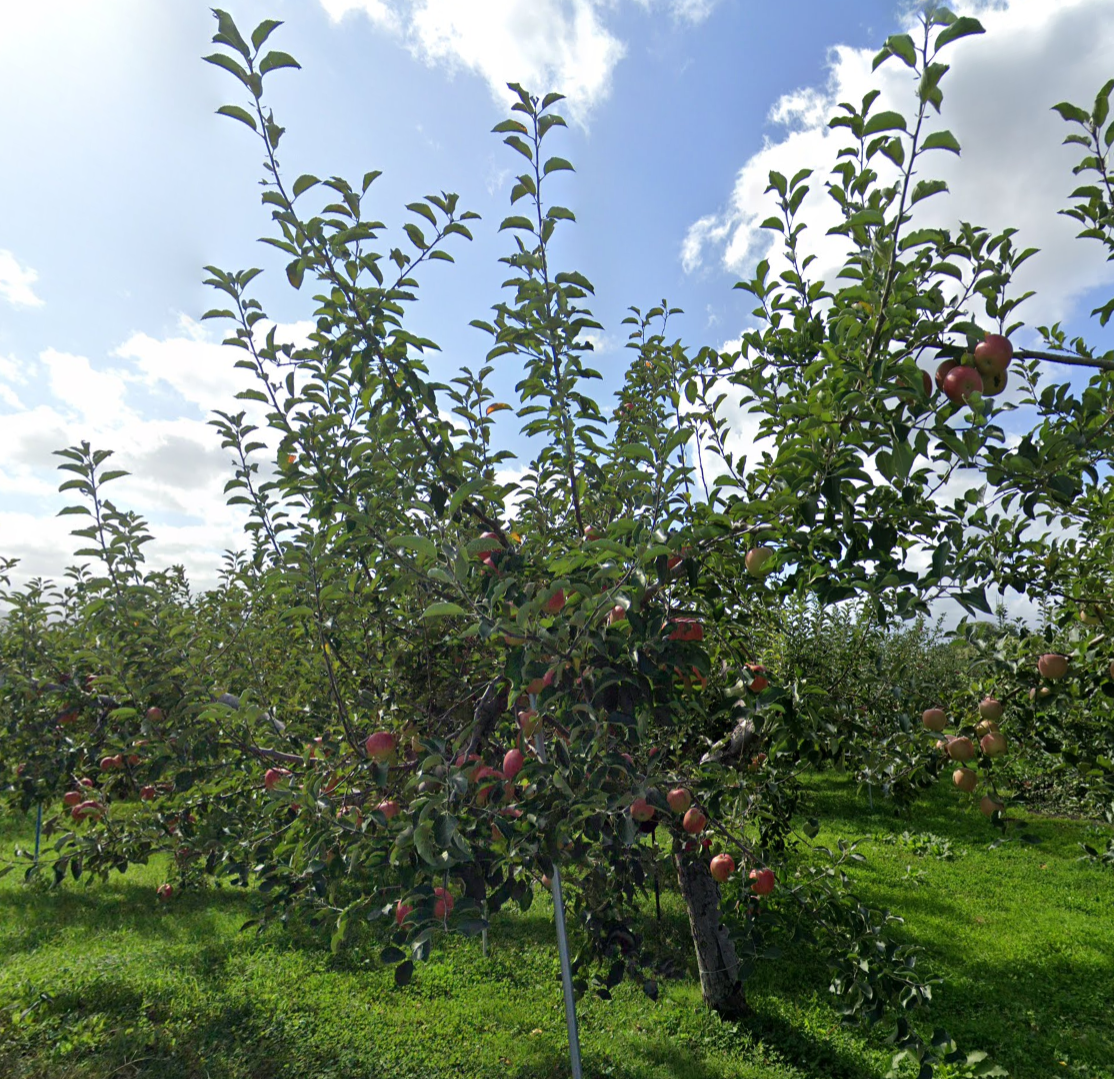
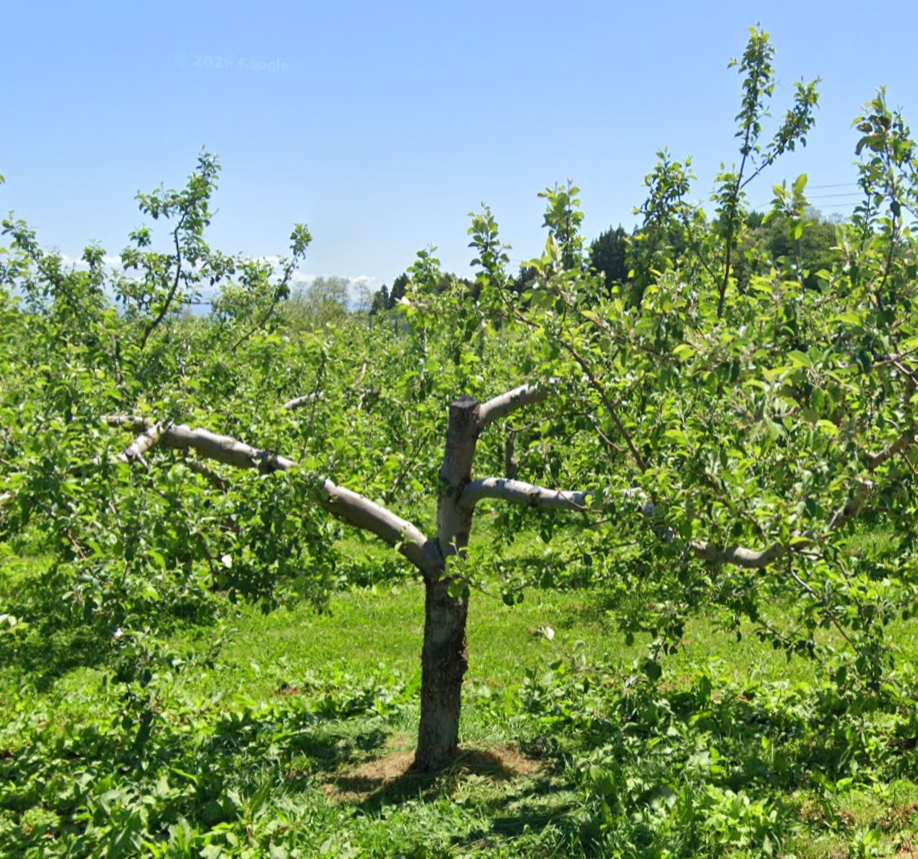
Easy to recognize when there are fruits on the tree. The leaves are spaced out pretty widely and the tree itself is often short and wide.
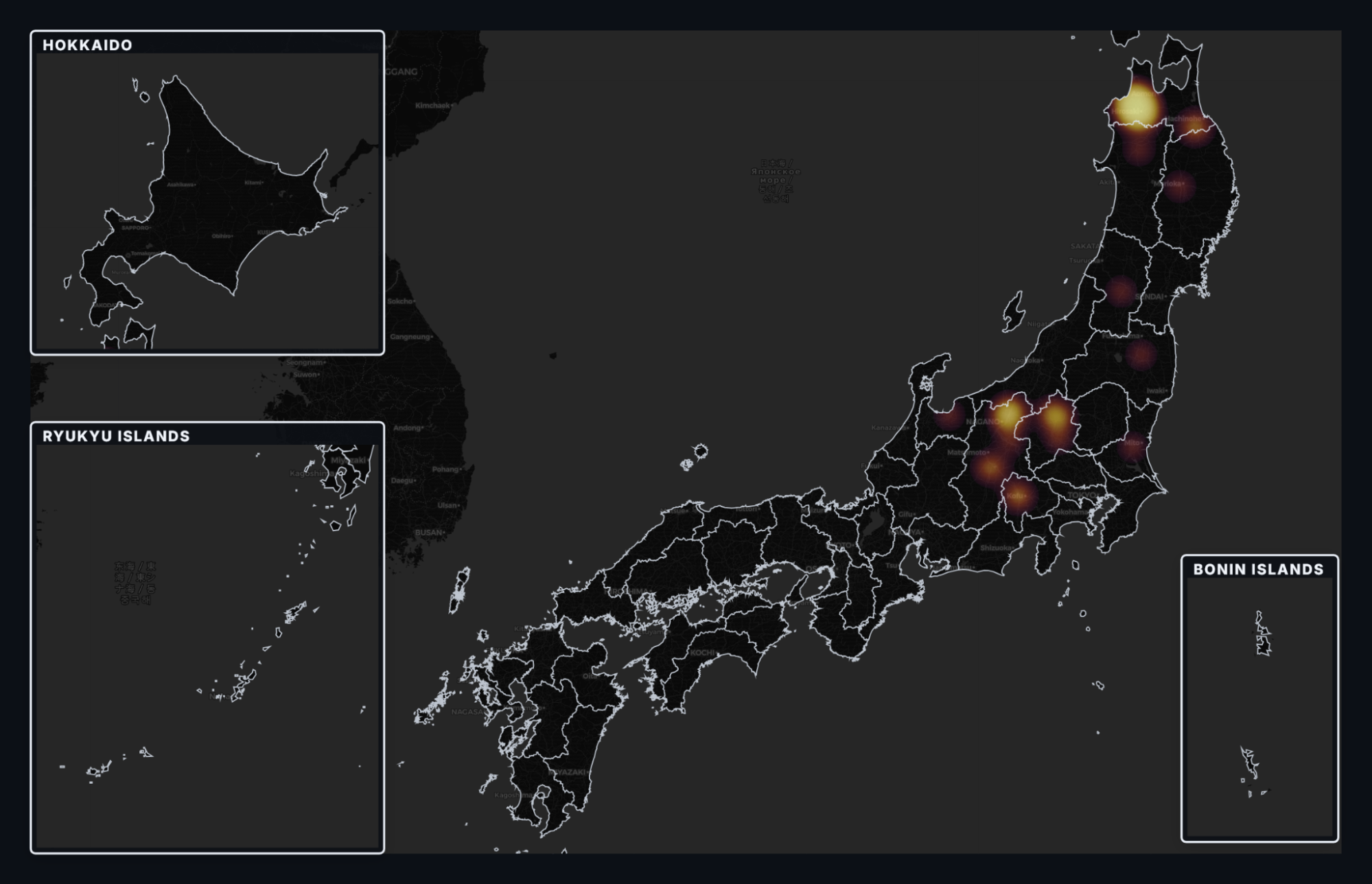
The biggest production area is in Aomori. Other than that, apples can also be found often around Nagano and Gunma.
Prunus persica (Peach)
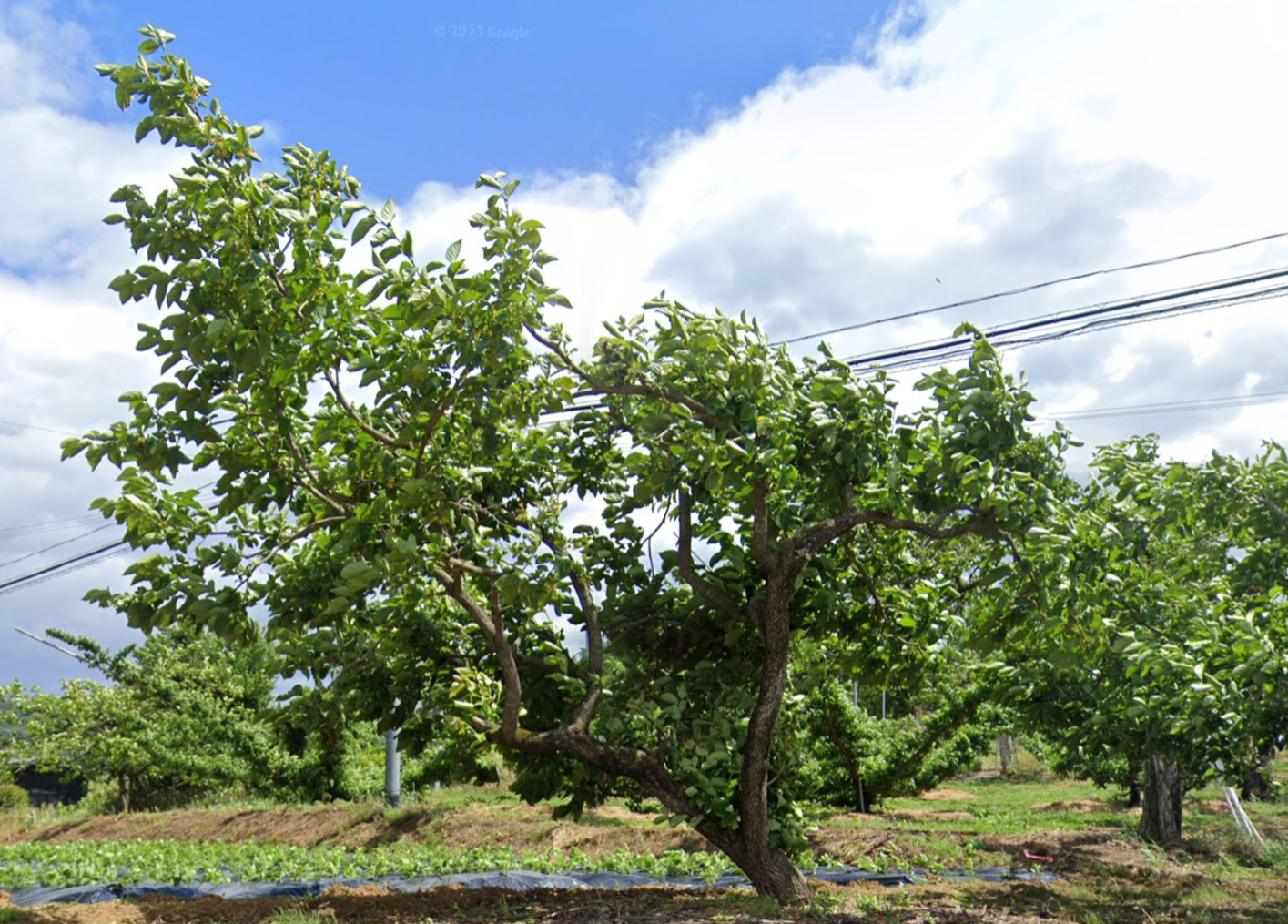
A shorter Prunus species.
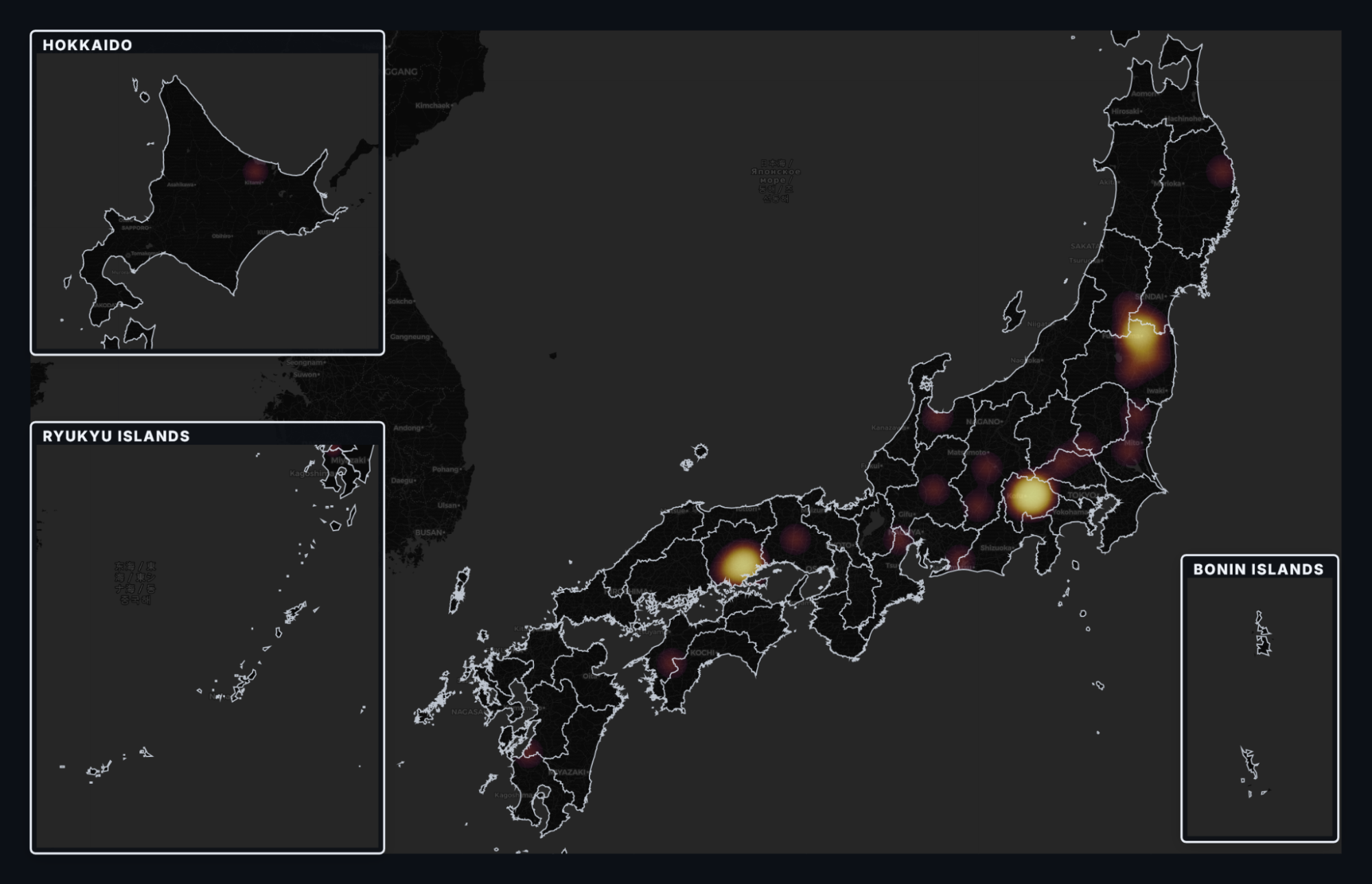
Mostly found in Fukushima, Yamanashi and Okayama.
Prunus avium (Sweet Cherry)
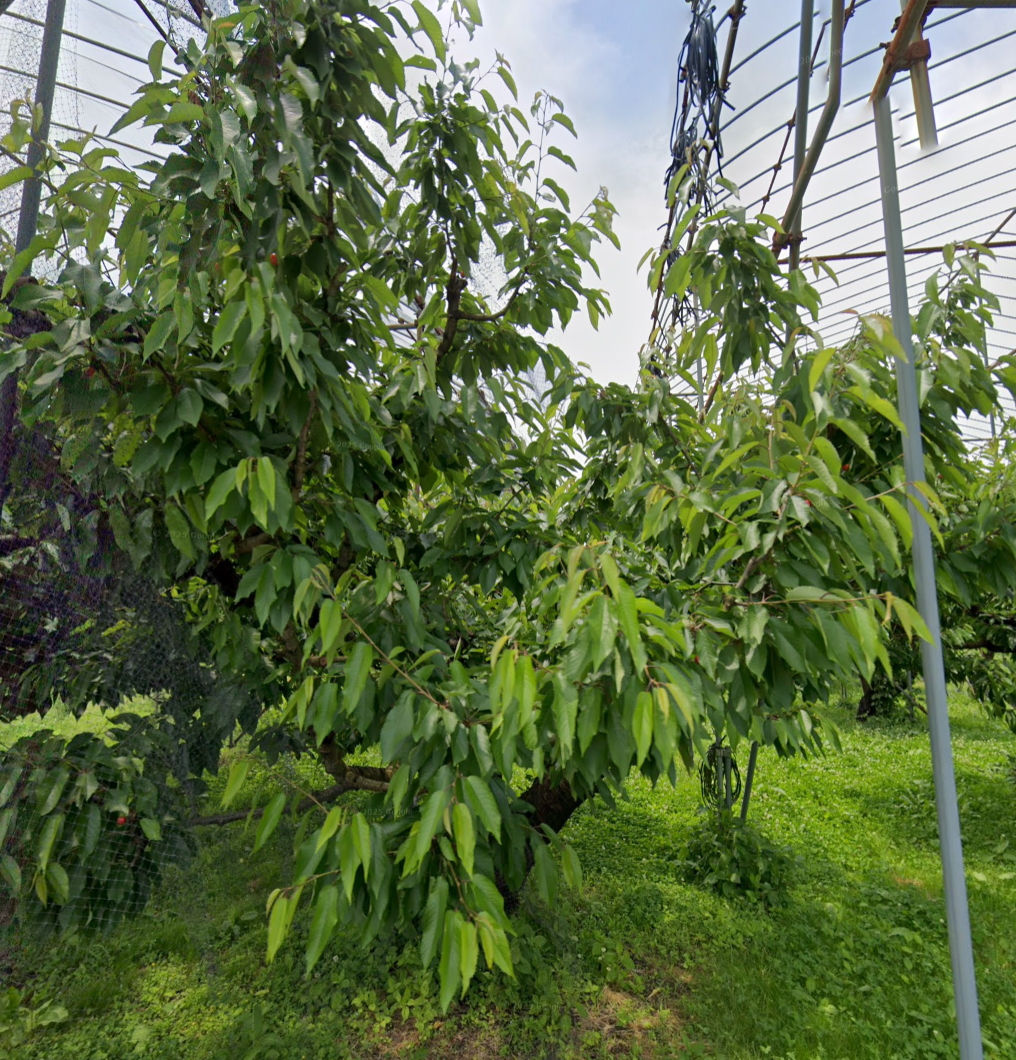
Sweet Cherry has longer, light green leaves for a Prunus.
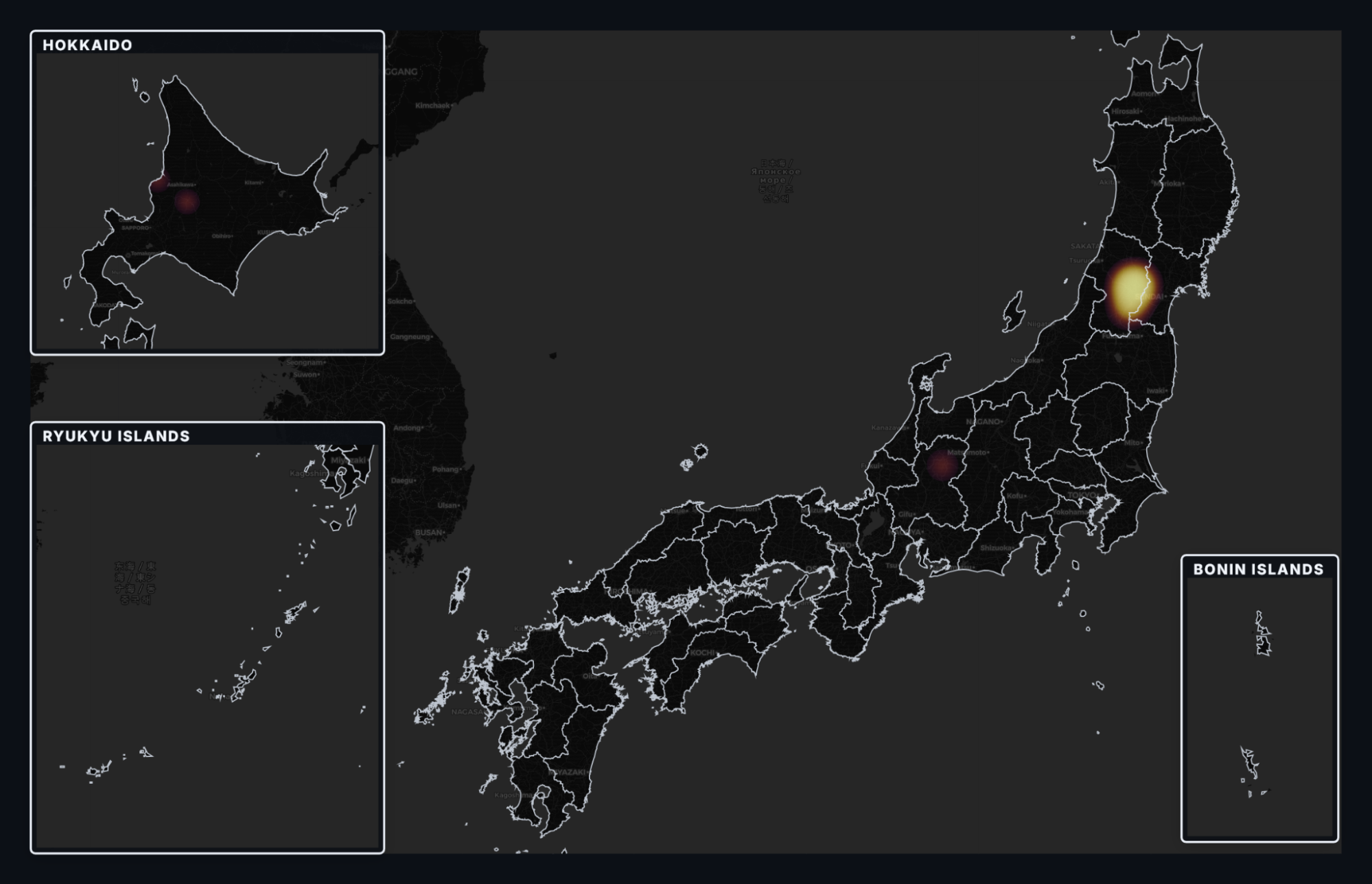
Almost only found in Yamagata.
Musa × paradisiaca (Plantain Banana)
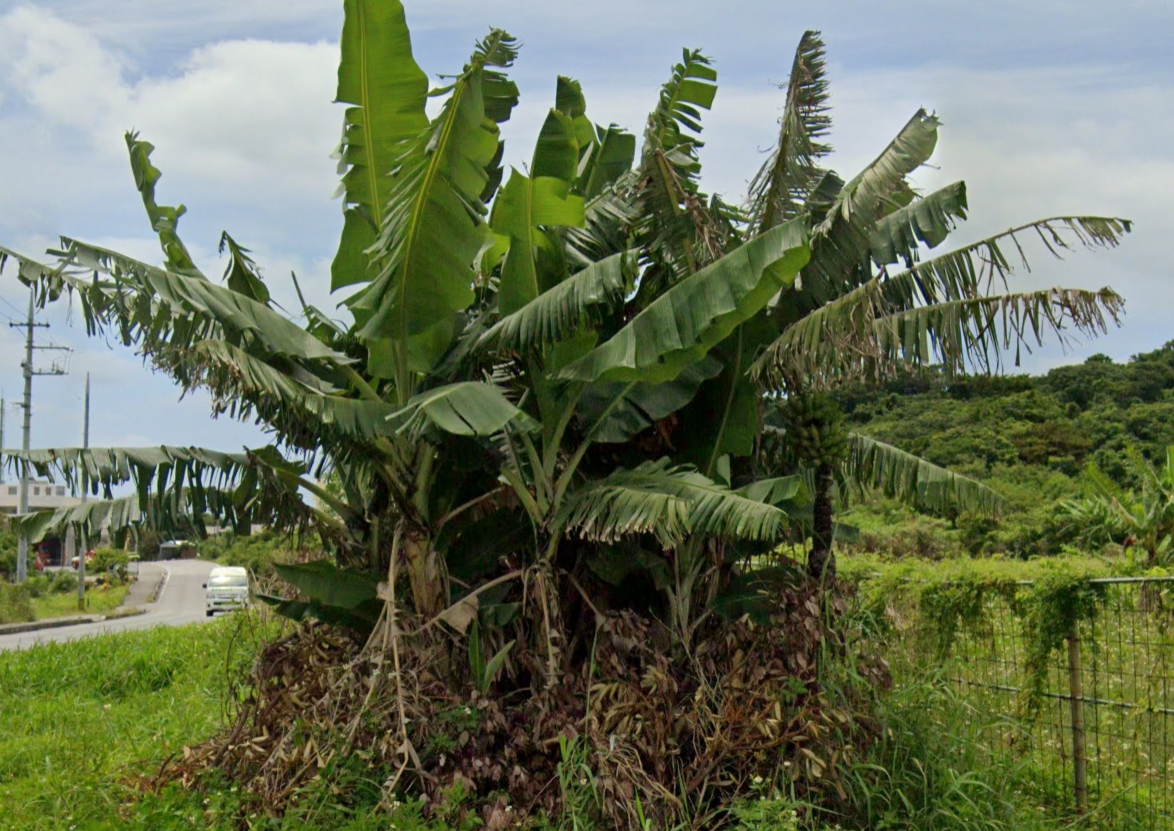
Banana trees are very easy to spot.
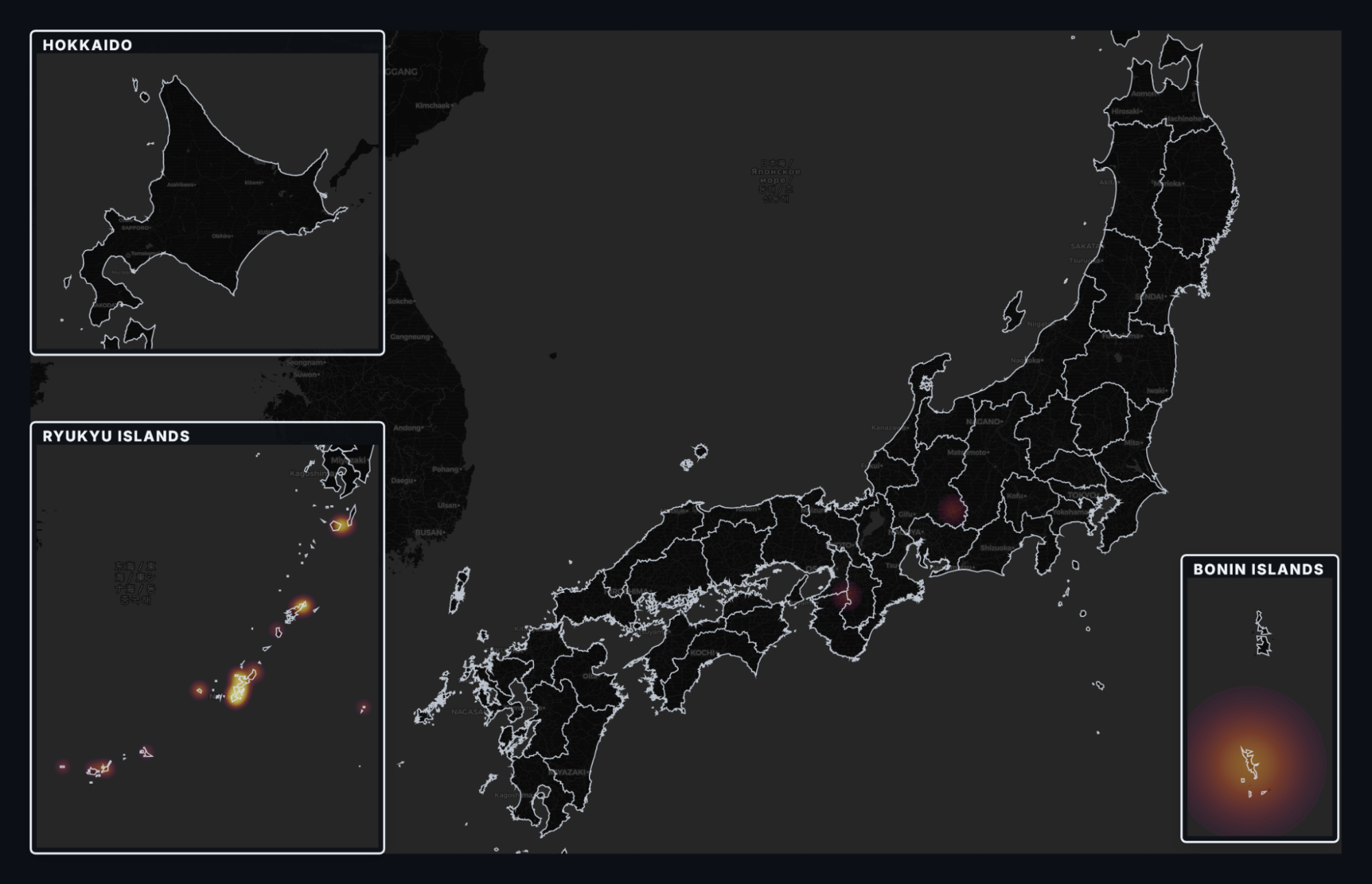
Most commonly found on the Ryukyu islands but sometimes can be found elsewhere.
Citrus × aurantium (Sour Orange)
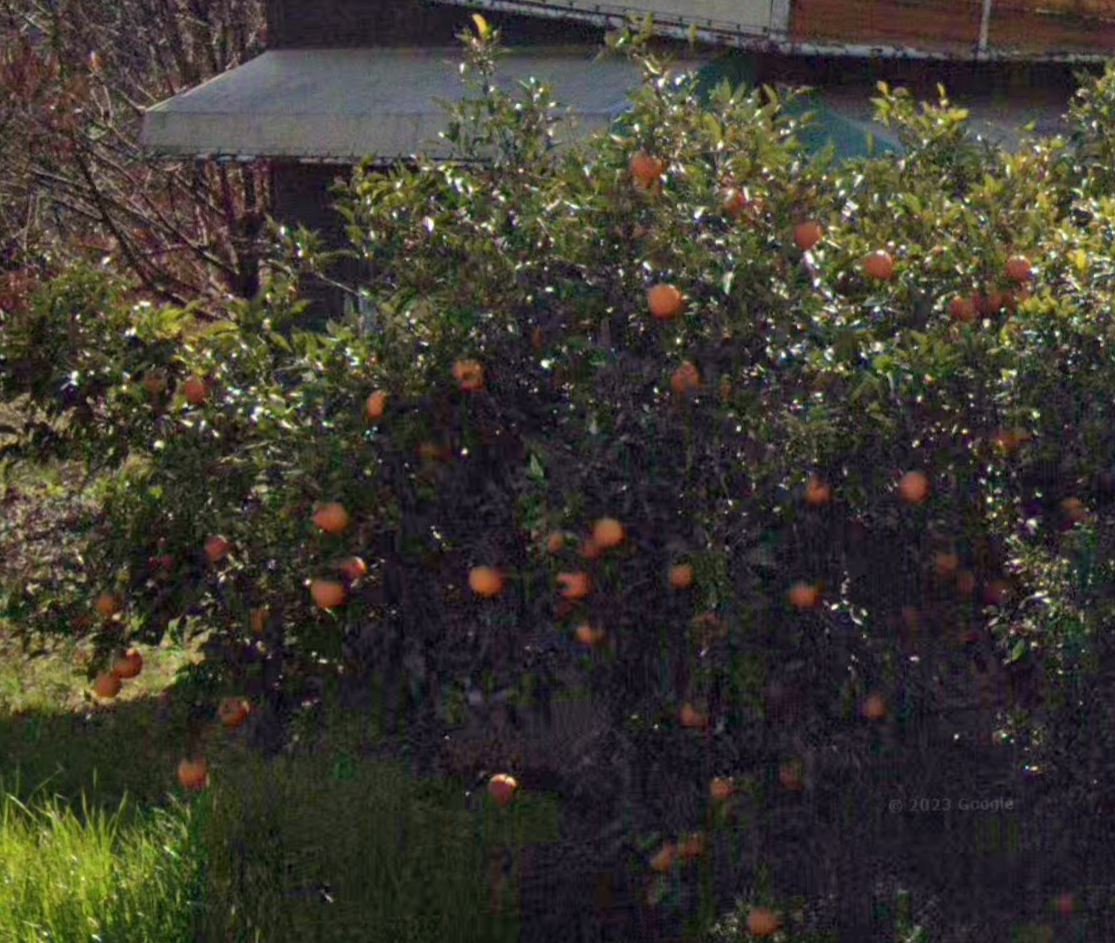
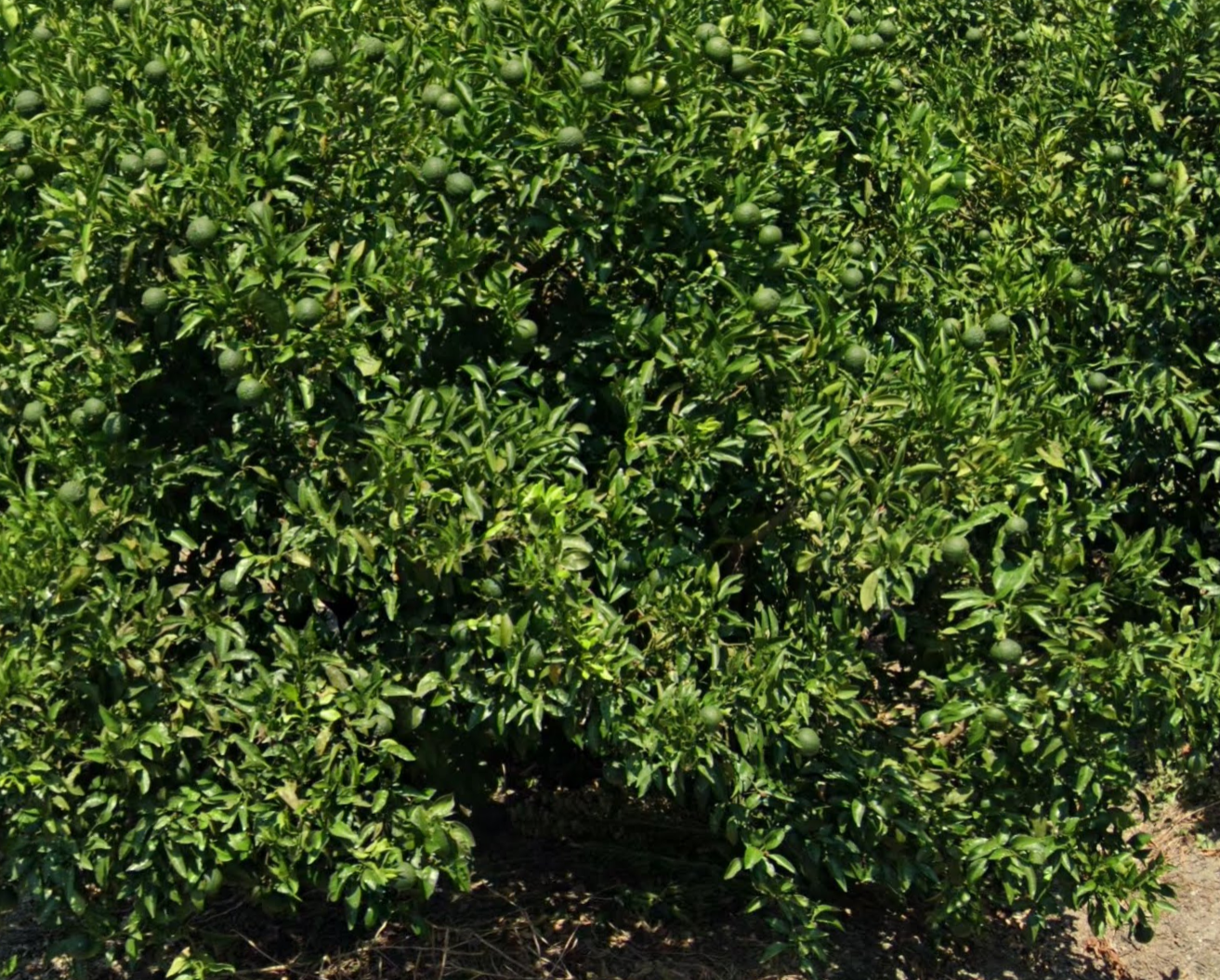
Orange trees have short messy leaves. Easy to spot with the fruits.
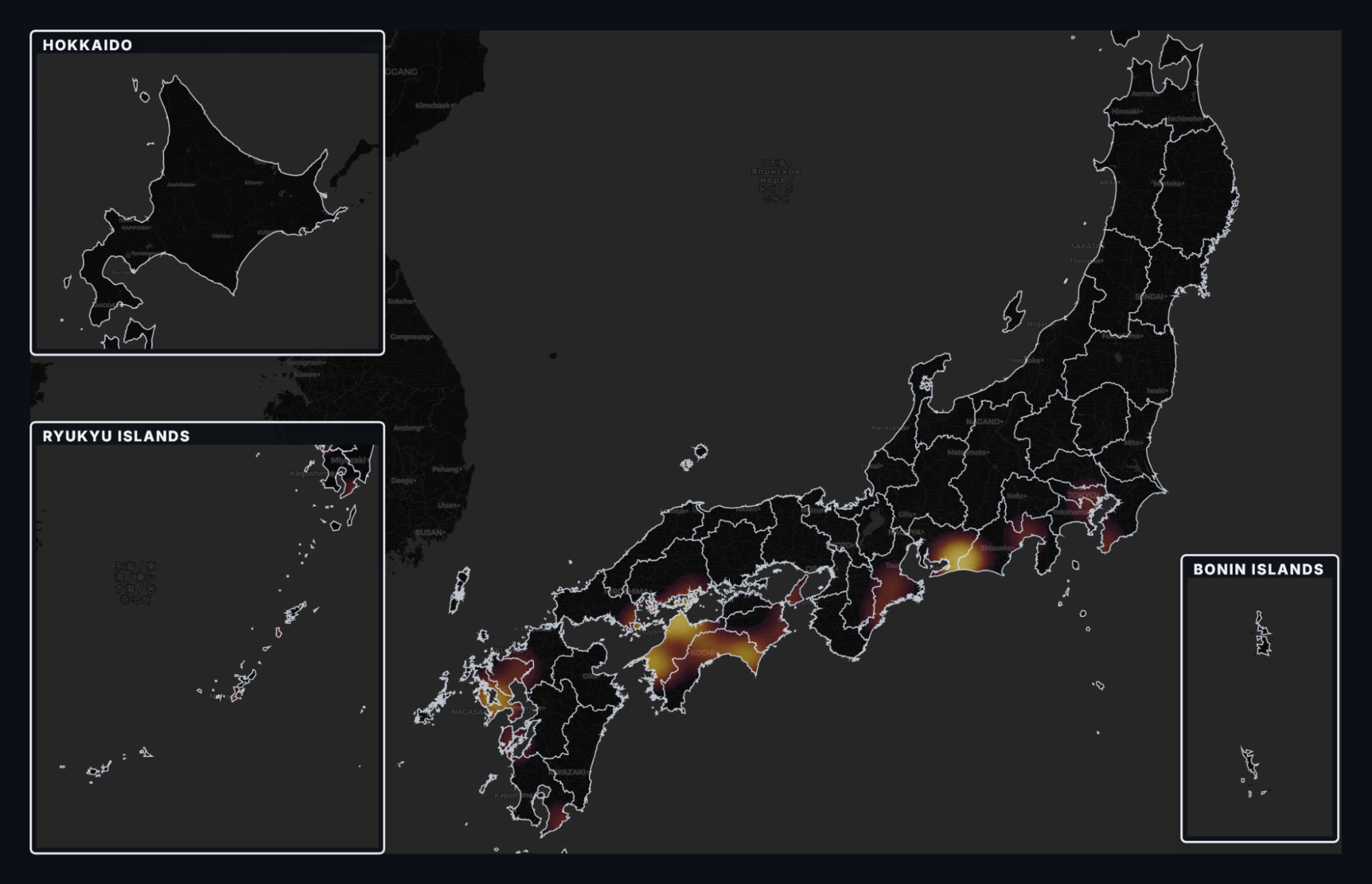
Mostly found in the south and a lot in Ehime, Nagasaki and the Aichi Shizuoka border.
Diospyros kaki (Japanese Persimmon)
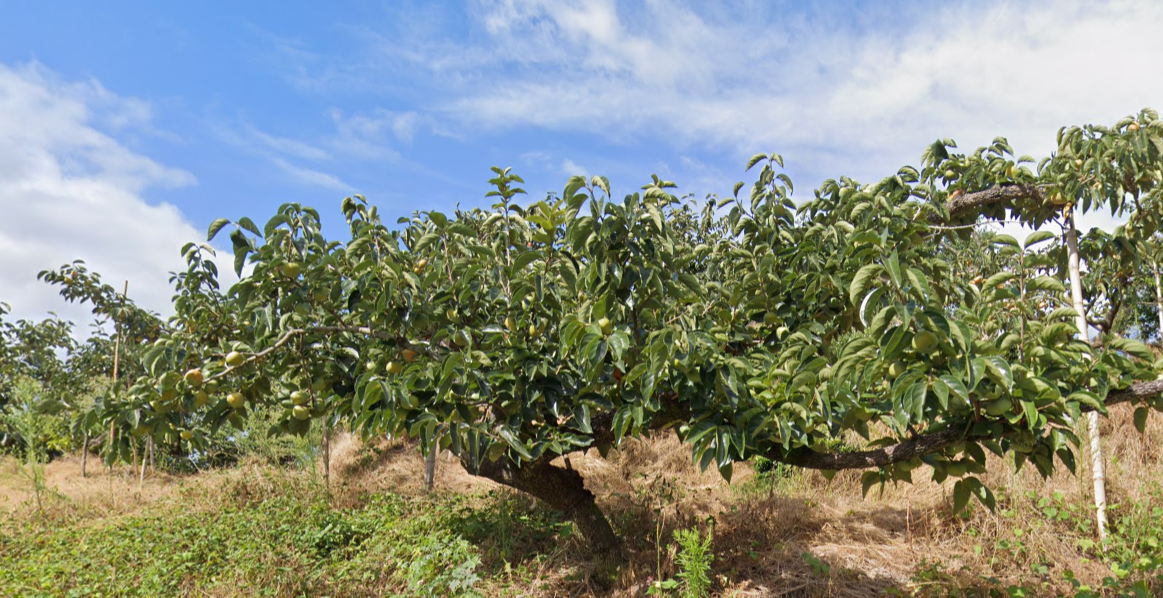
Short and wide tree. The leaves are glossy and oval shaped.
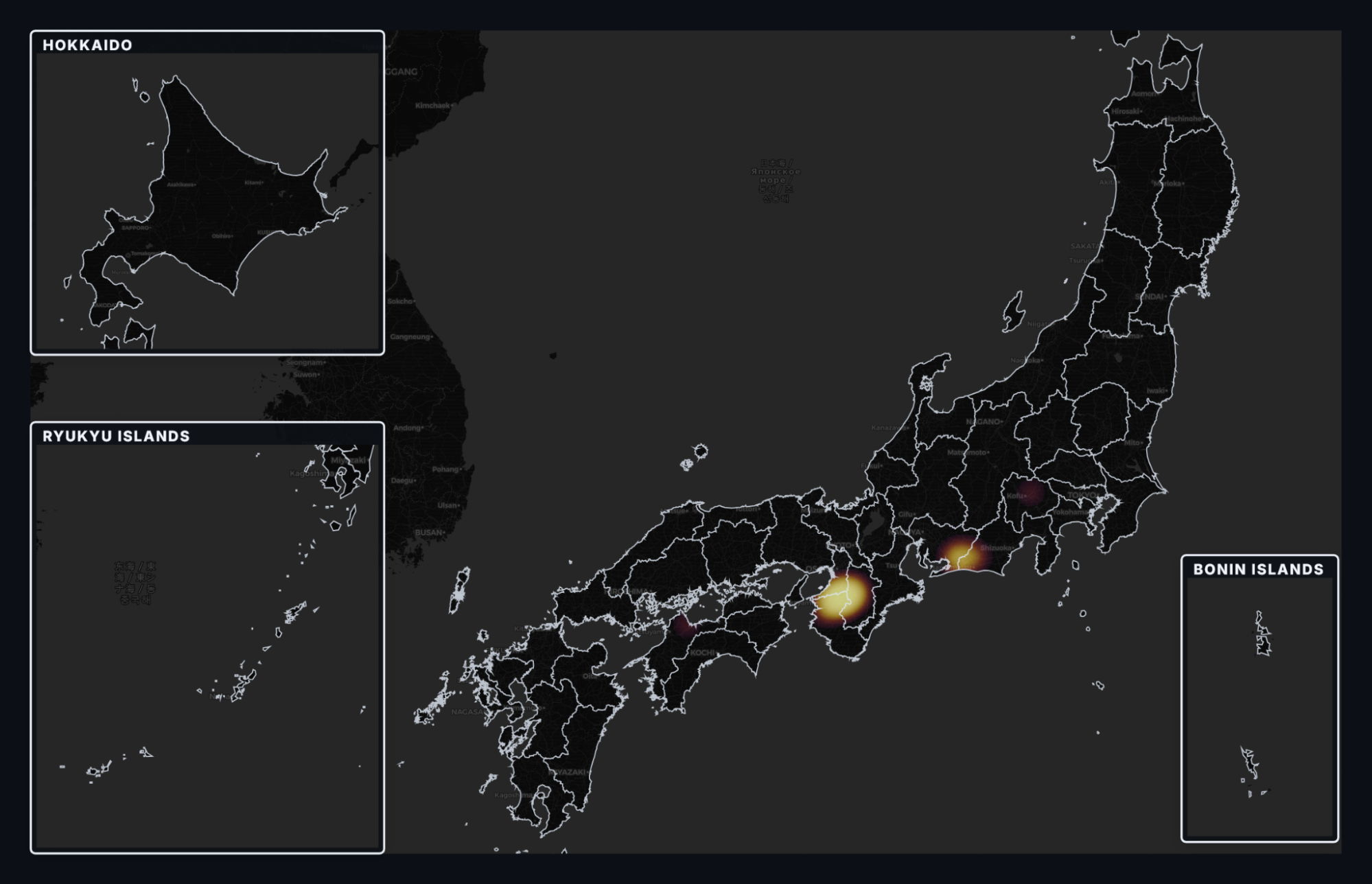
Mostly found in Kudoyama, Wakayama to Gojo, Nara. Also some on the Aichi Shizuoka border.
Vitis vinifera (Wine Grape)
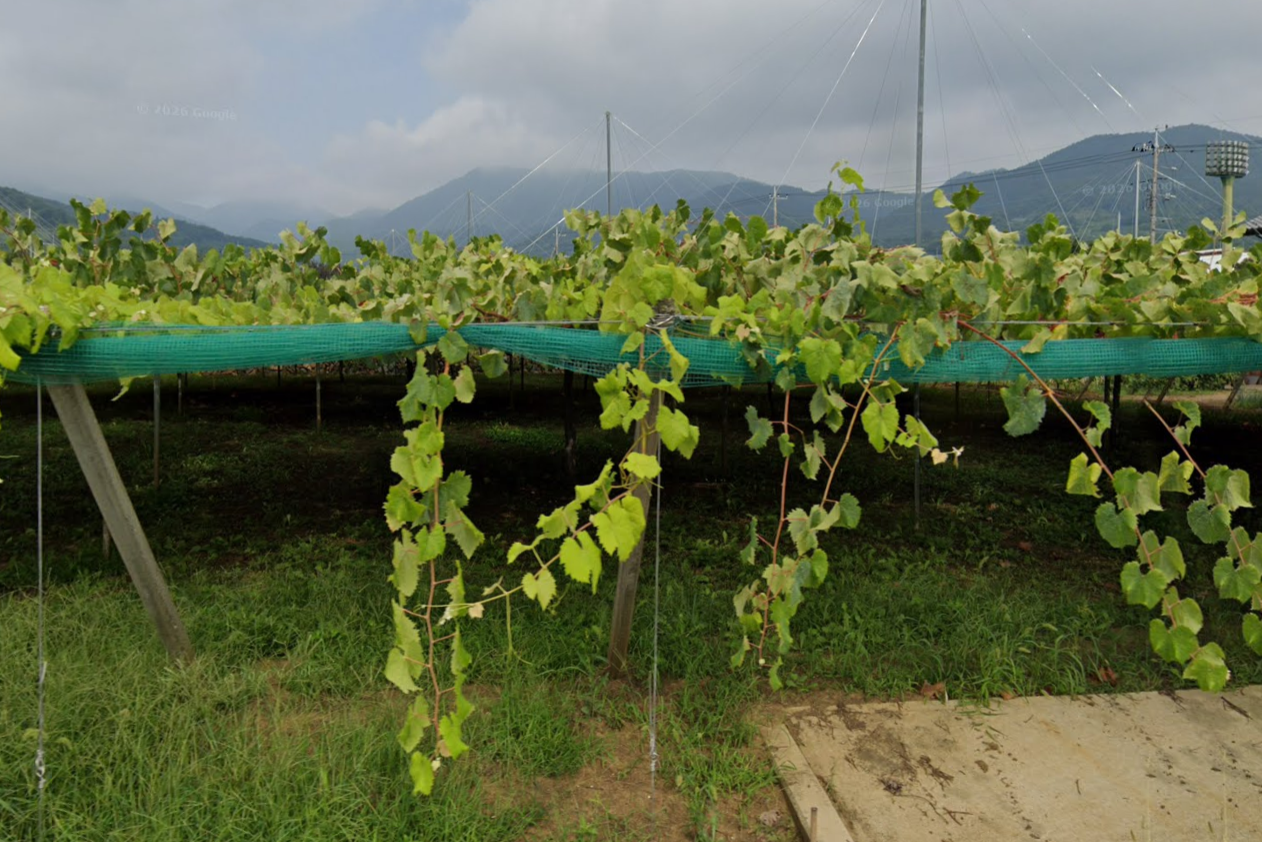
Super recognizable especially with the setup.
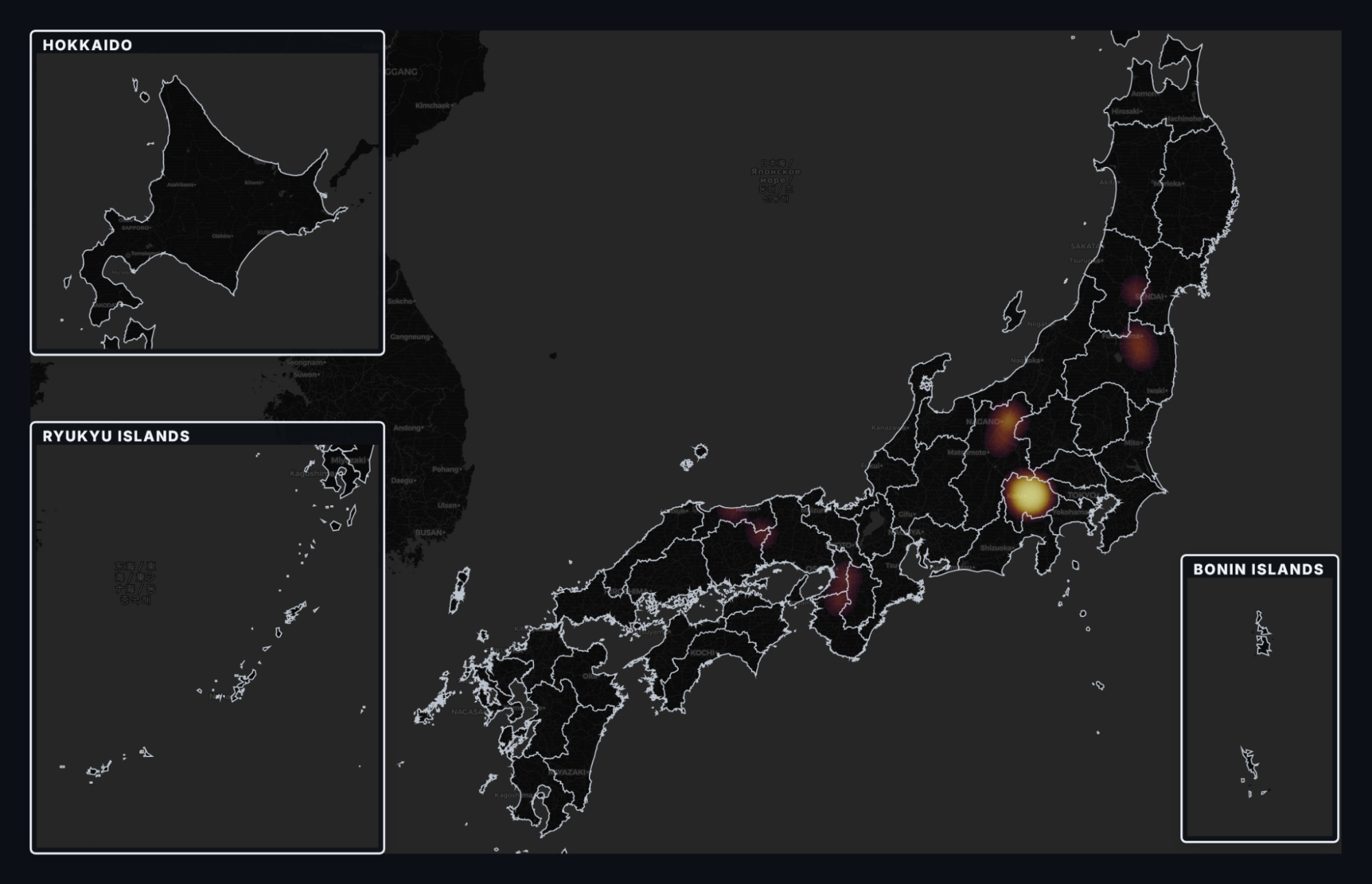
Mostly found in Yamanashi.
Olea europaea (Olive)
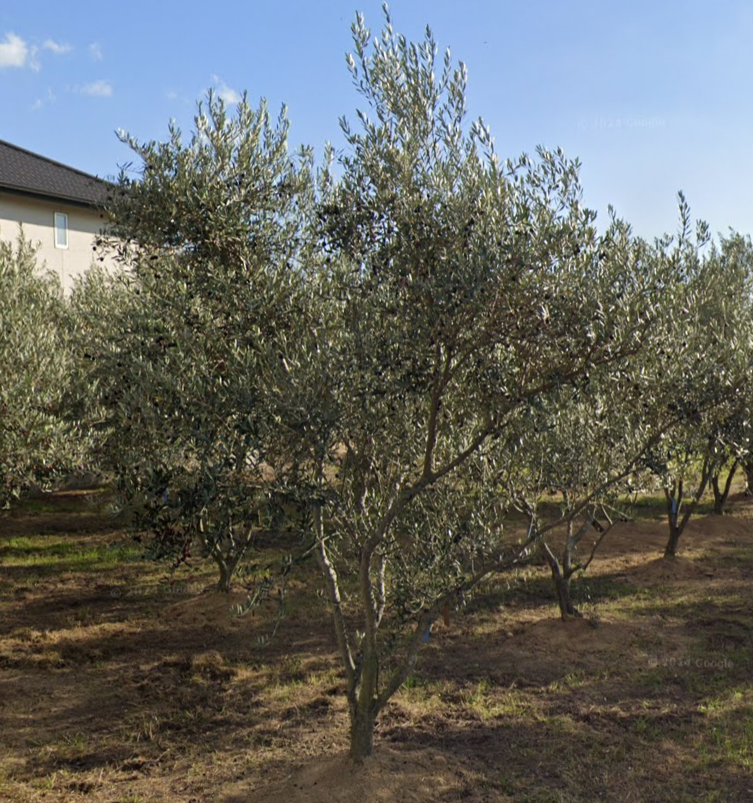
Olives have smokey-ish leaves.
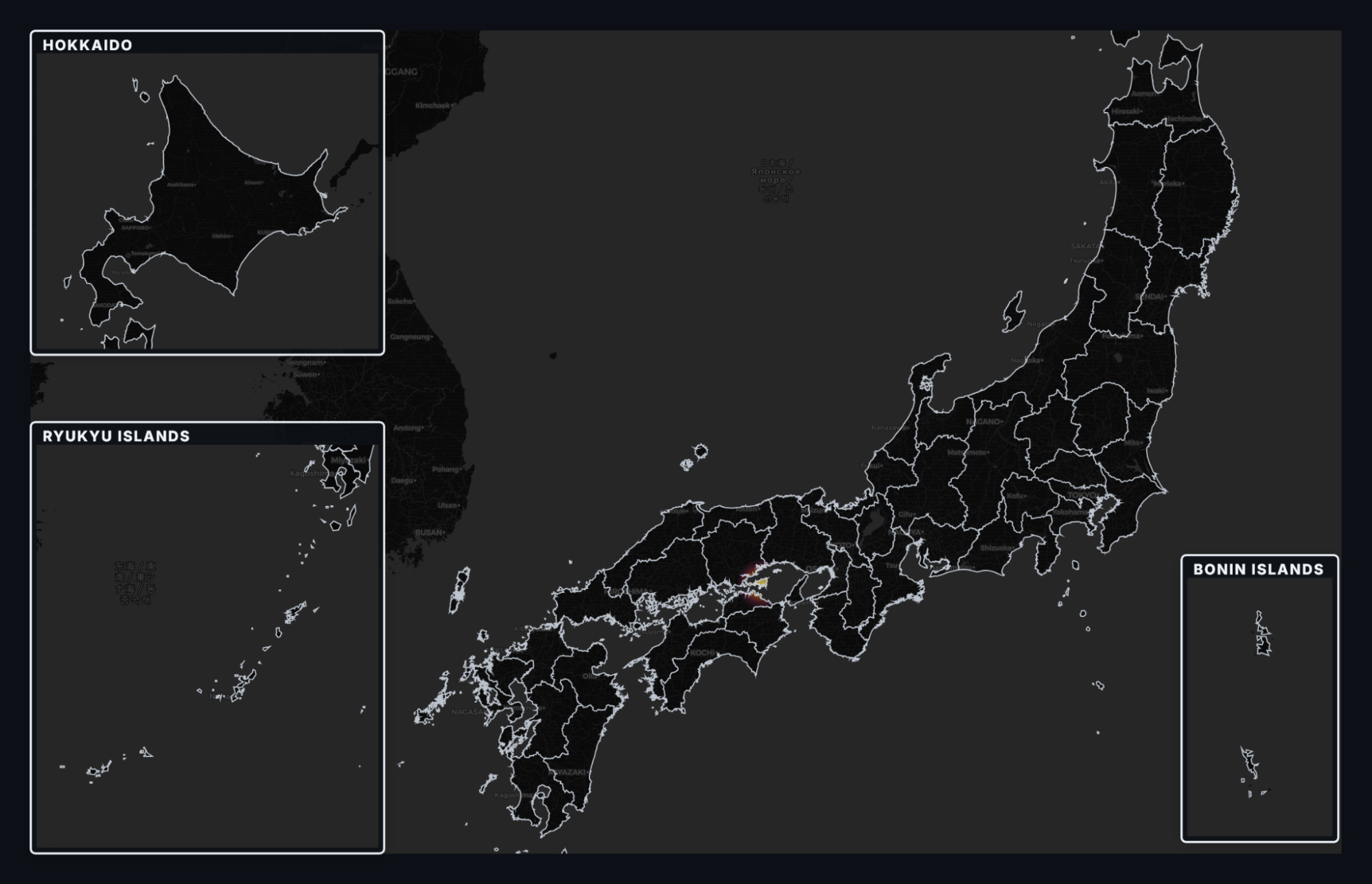
Basically only found on Shodoshima.
Vegetables
Amorphophallus konjac (Konjac)
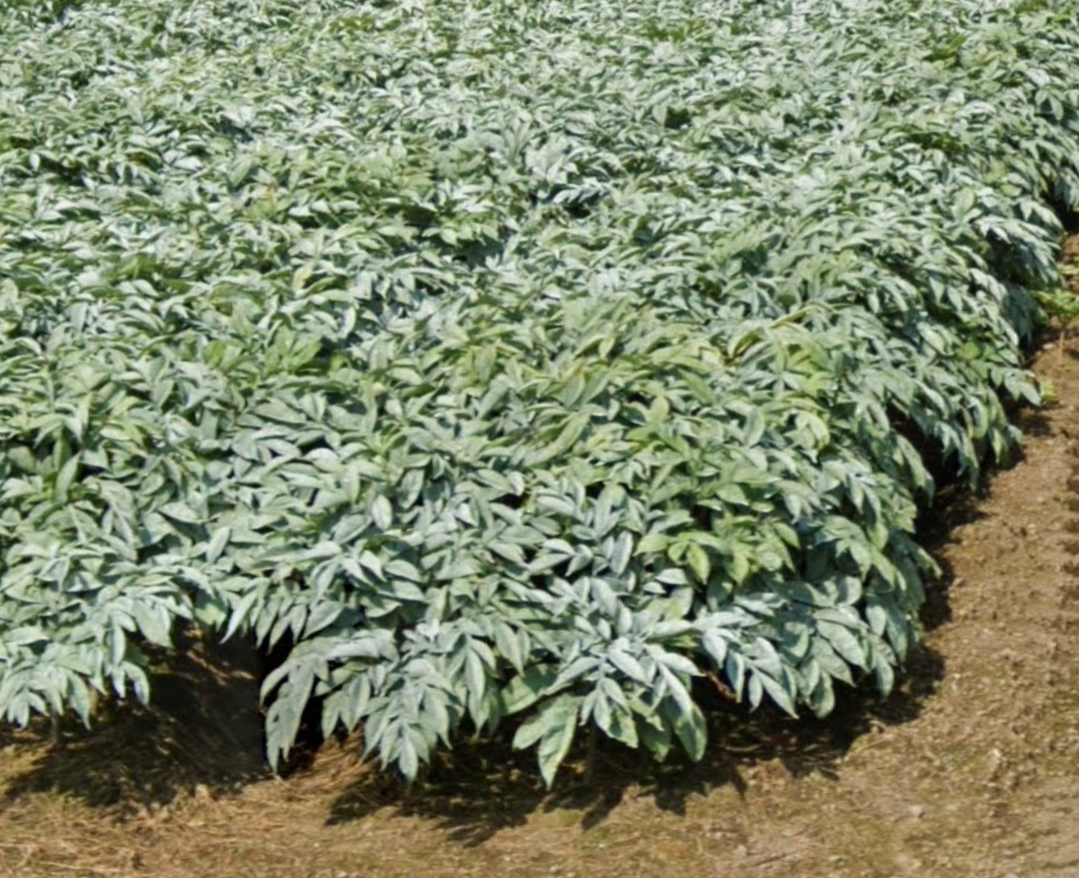
Greenish white plant.
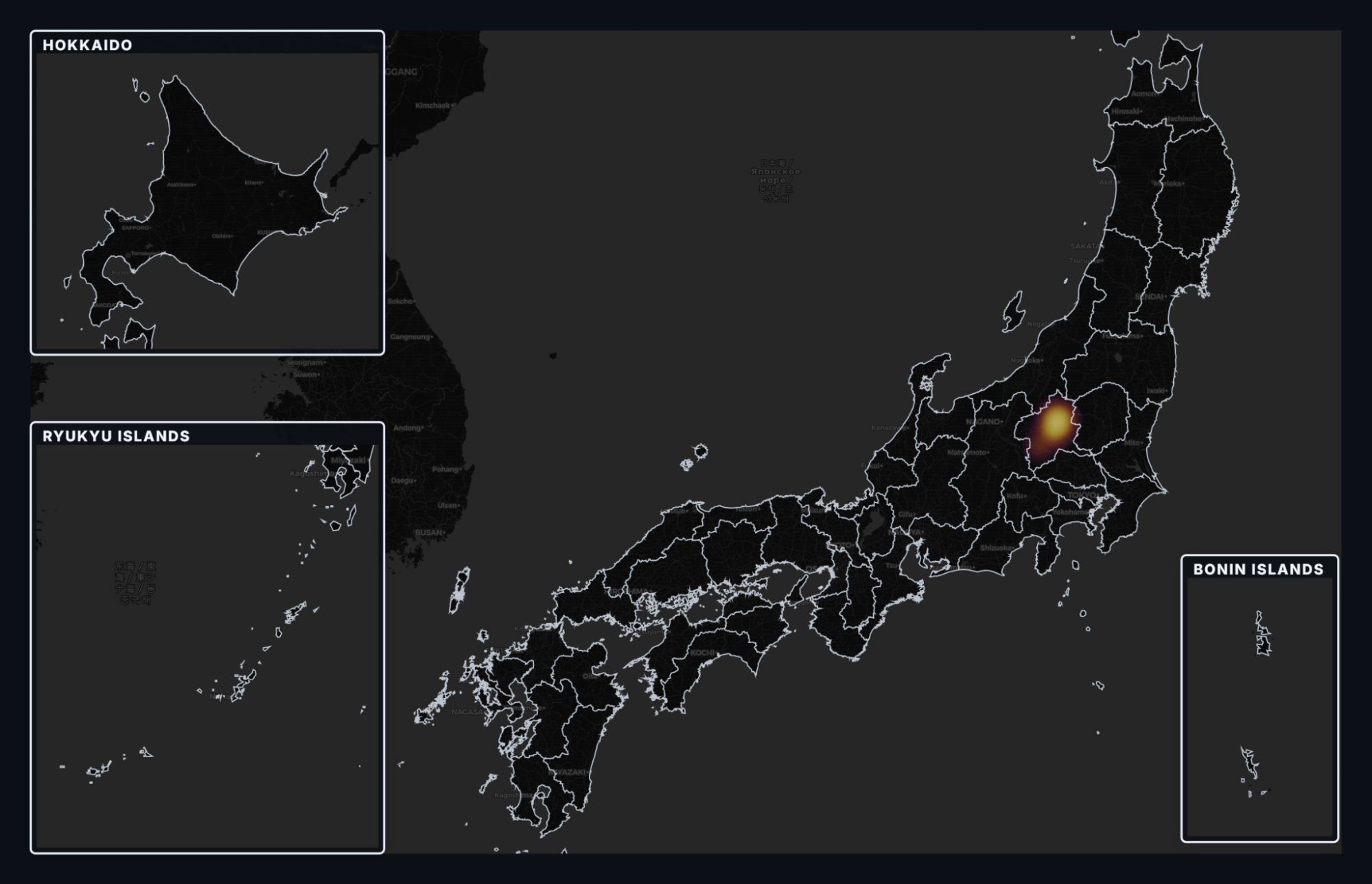
Basically Gunma only.
Zea mays (Corn)
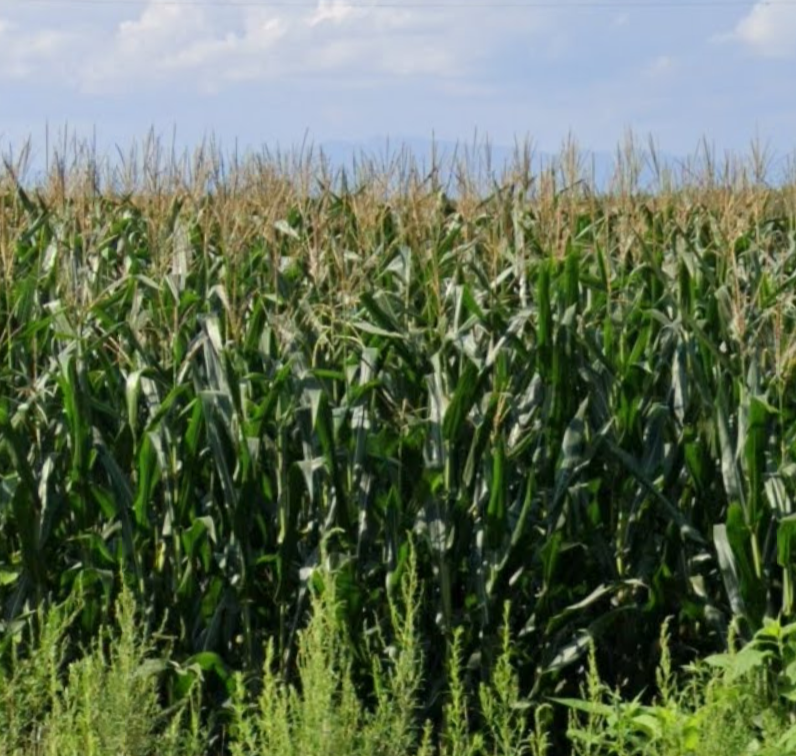
It's corn.
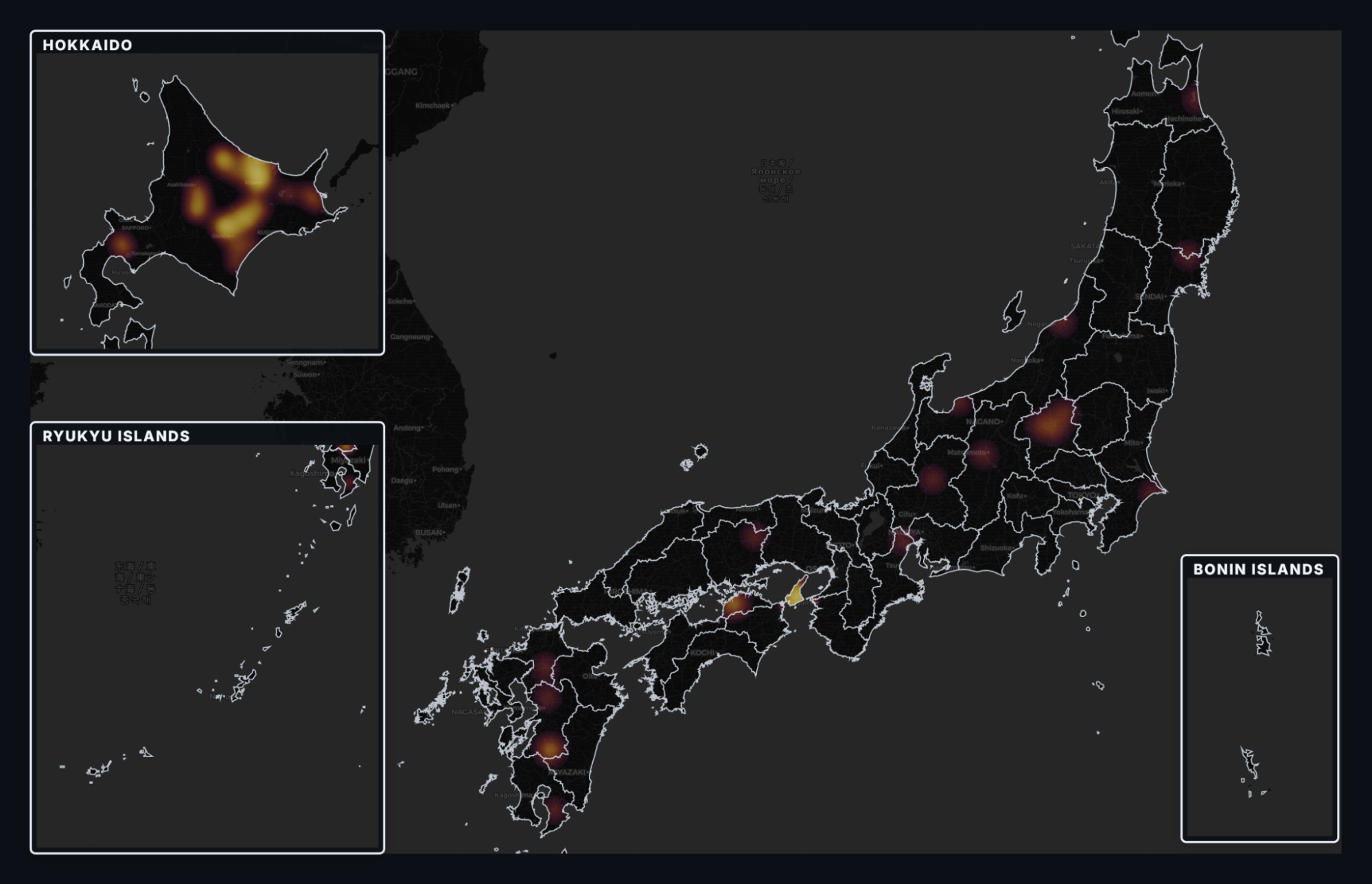
Most common in Hokkaido.
Brassica oleracea var. capitata (Cabbage)
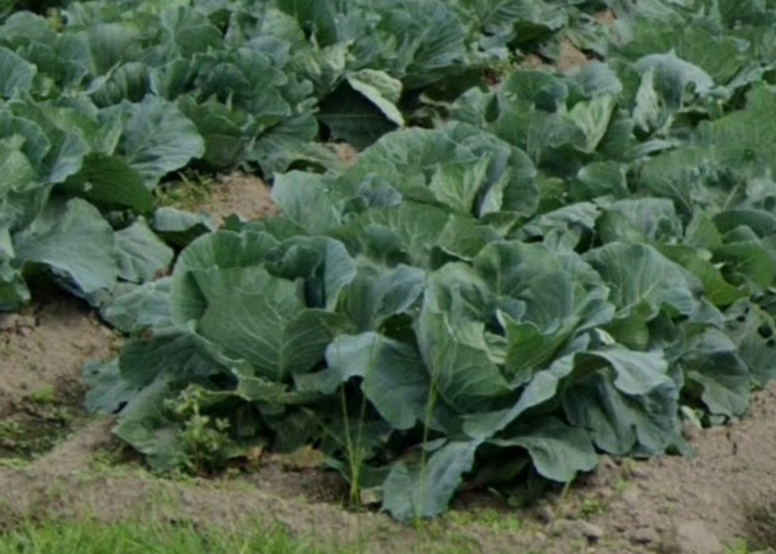
Pale green clumps when seen in the fields.
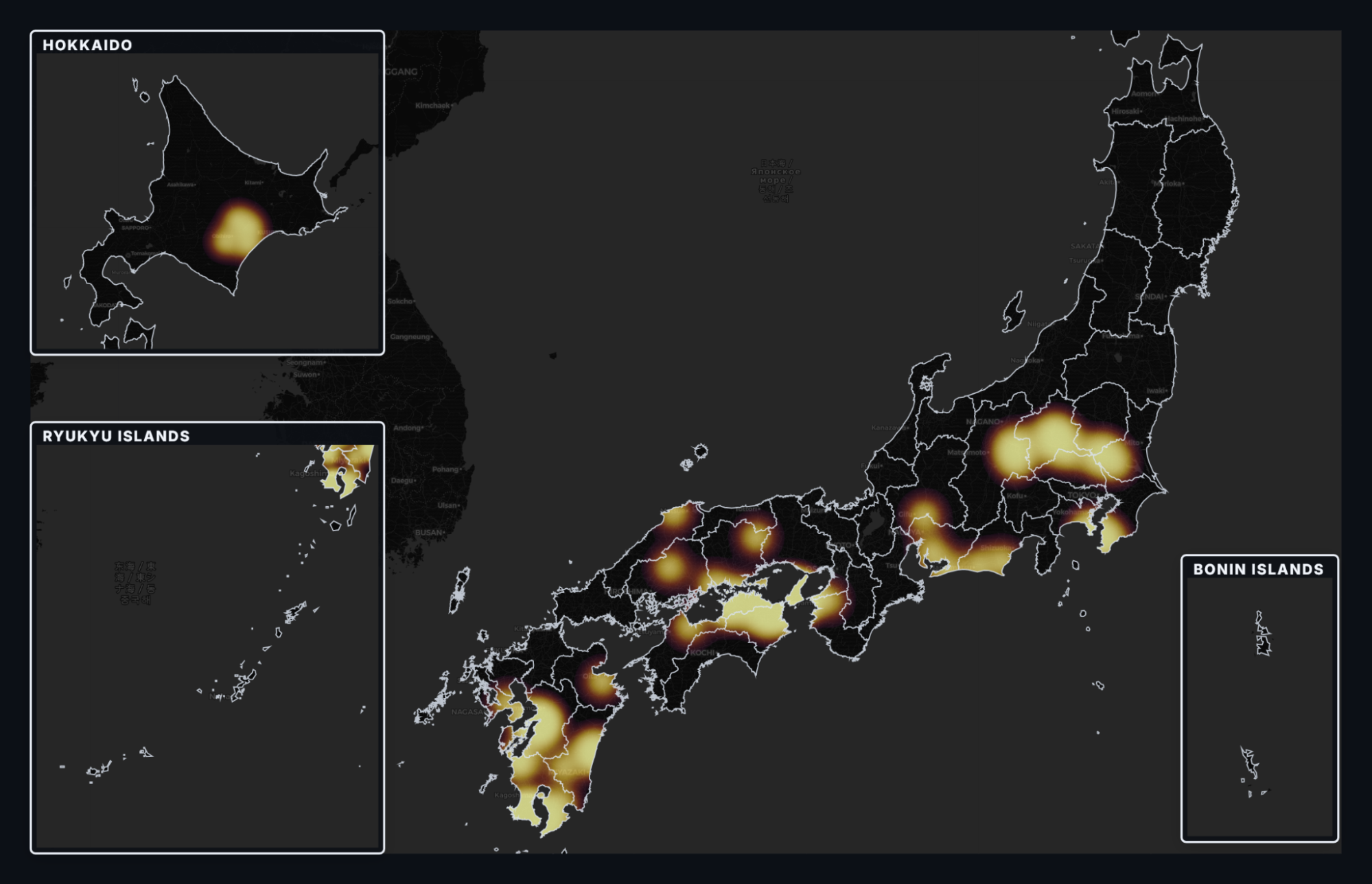
More common south of Tohoku but also exists a lot in the Tokachi plains in Hokkaido.
Allium cepa (Common Onion)
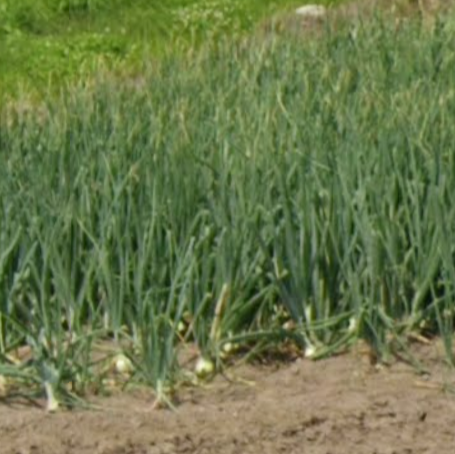
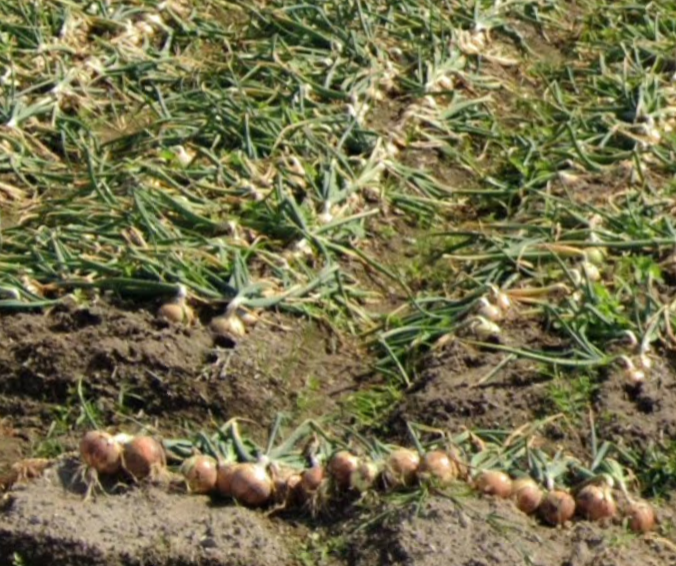
Dark green rice like leaves. You can often see the onion poking out of the dirt.
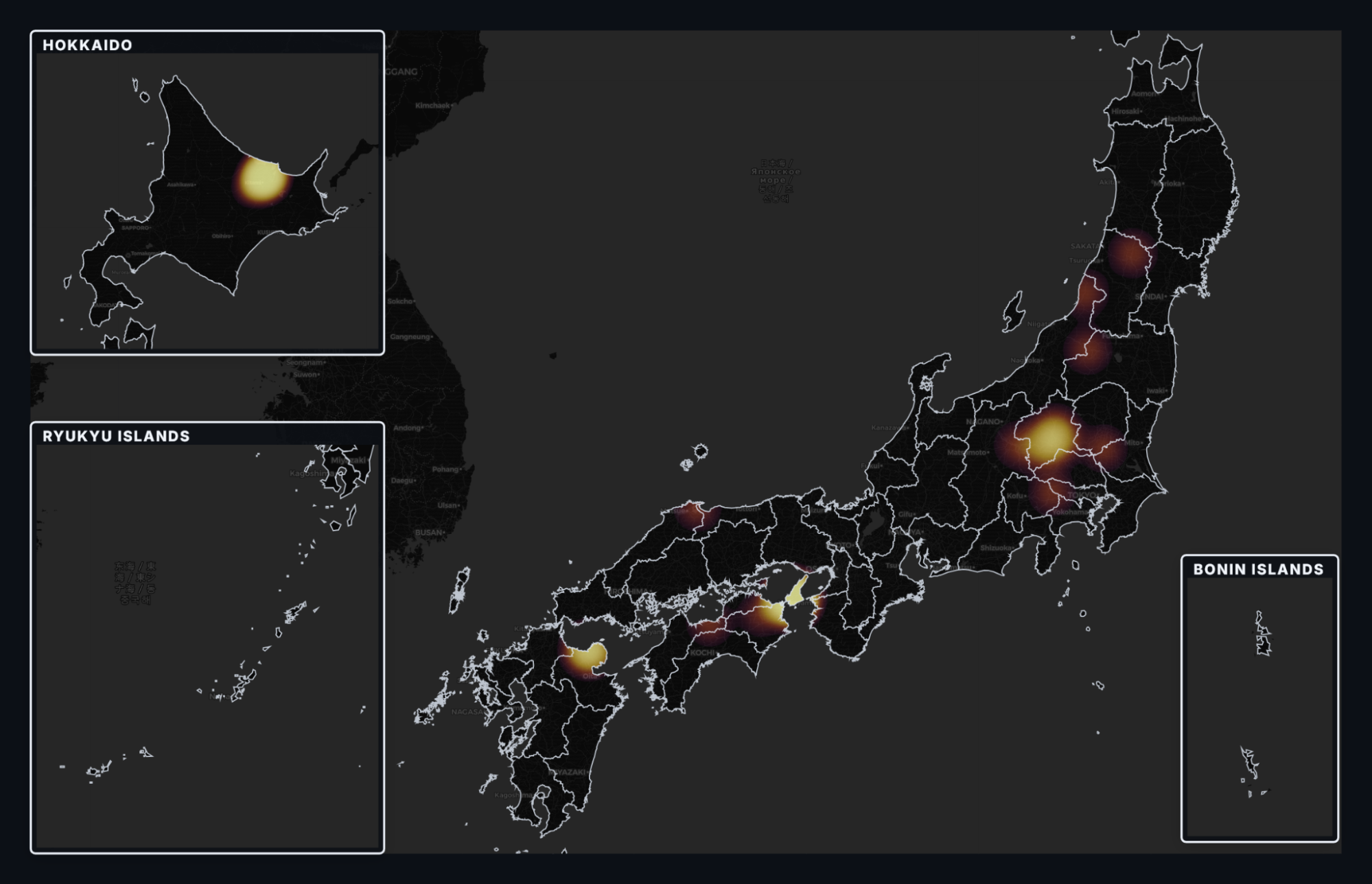
Most common in Kitami, Hokkaido. The second most dense spot is Awaji Island.
Miscellaneous
Oryza sativa (Asian Rice)
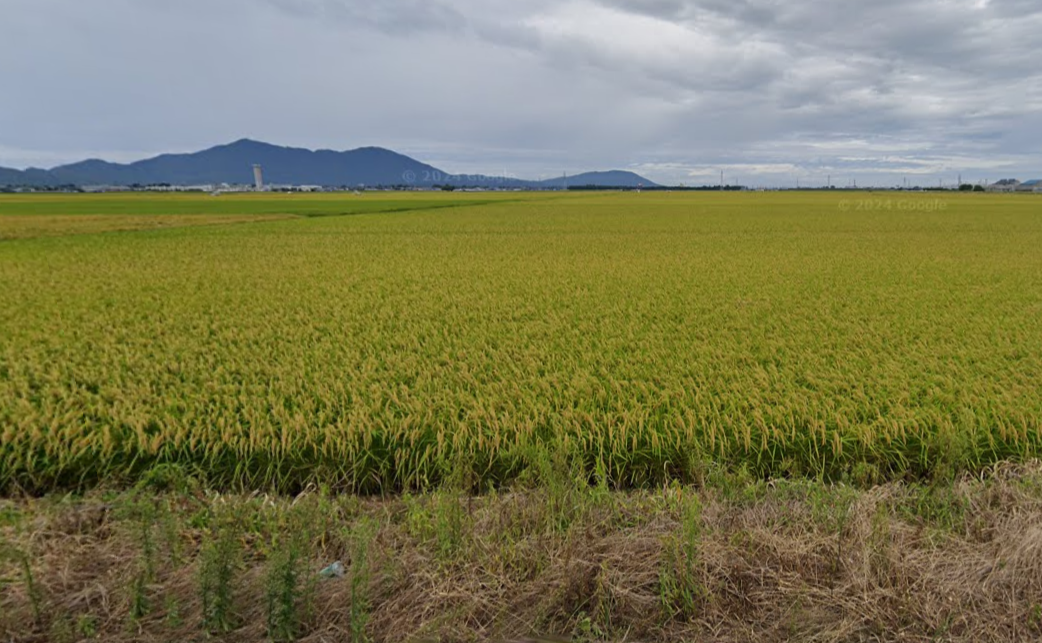
Rice fields.
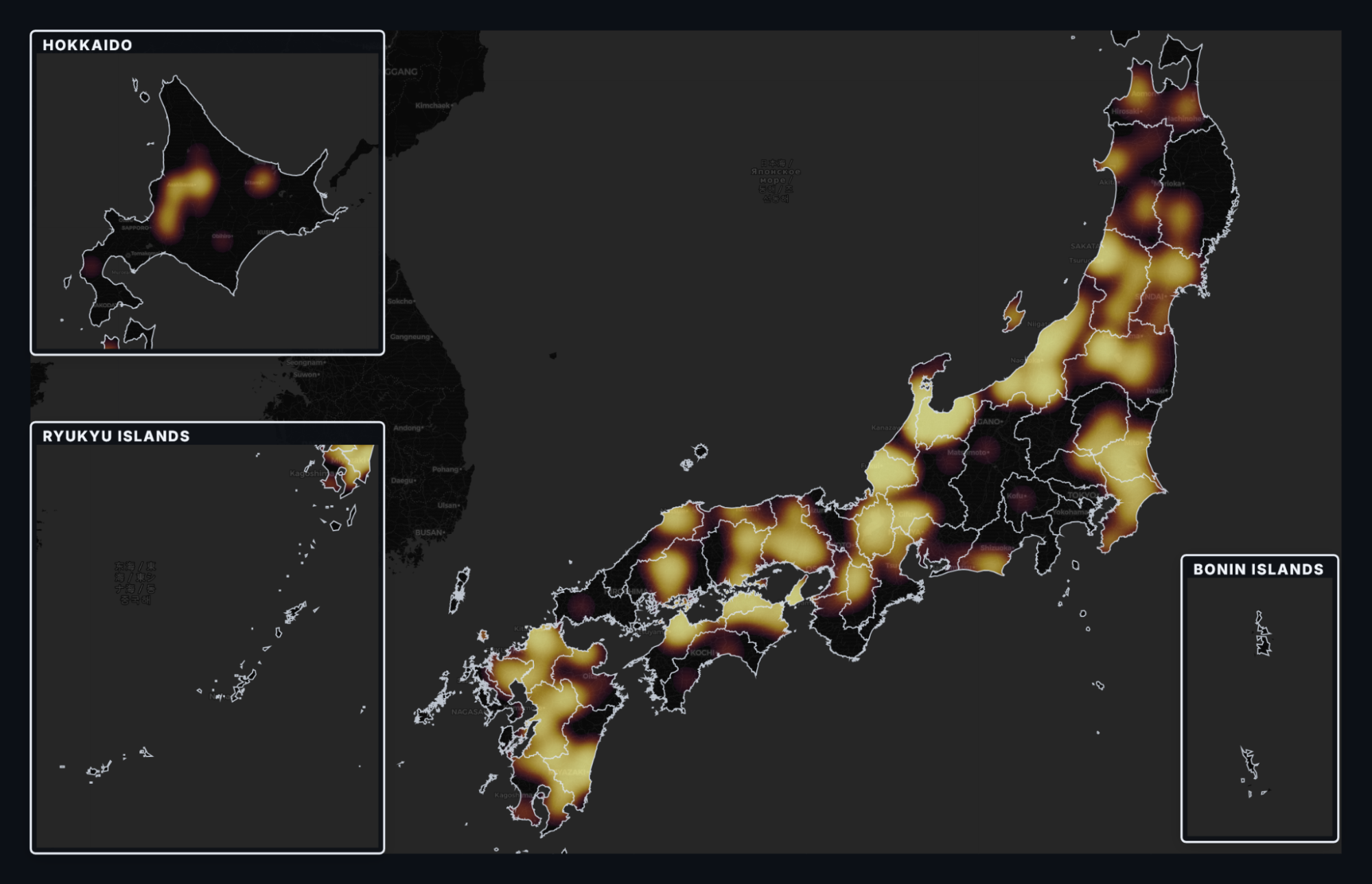
Can be found almost everywhere that is flat. Very useful to know the distribution for Hokkaido.
Camelia sinensis (Tea)
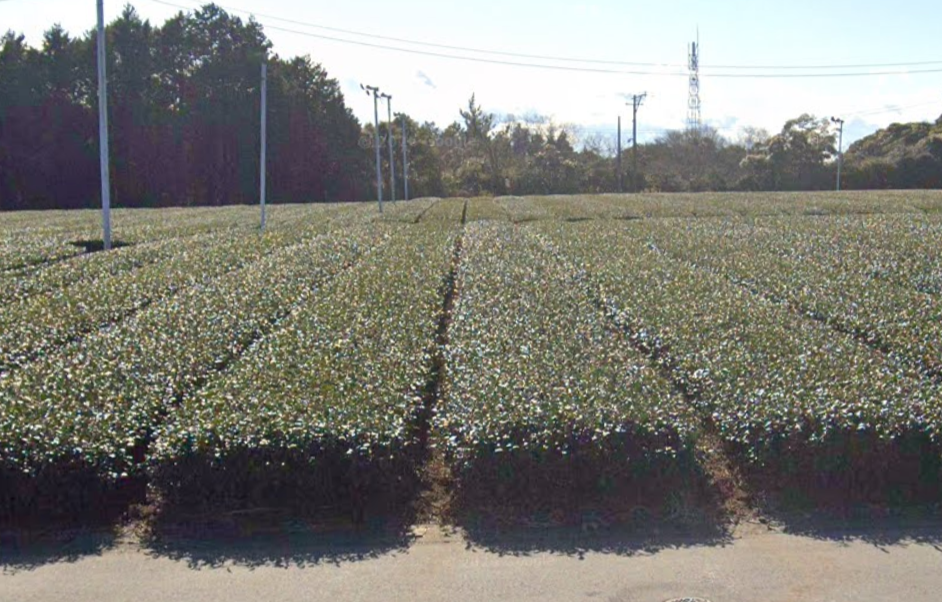
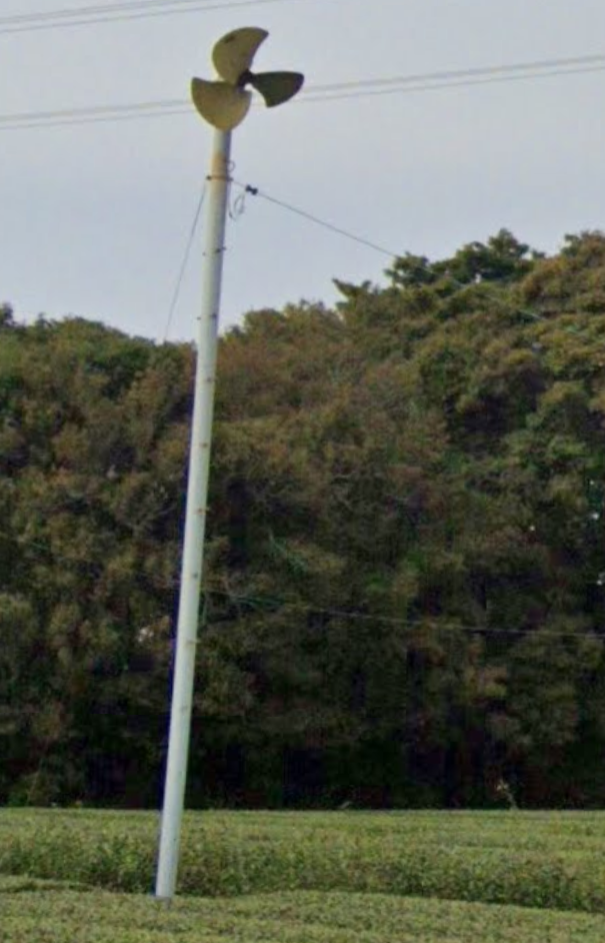
Tea farms are recognizable by the dark green hedges planted in rows. These fans can also be found alongside them.
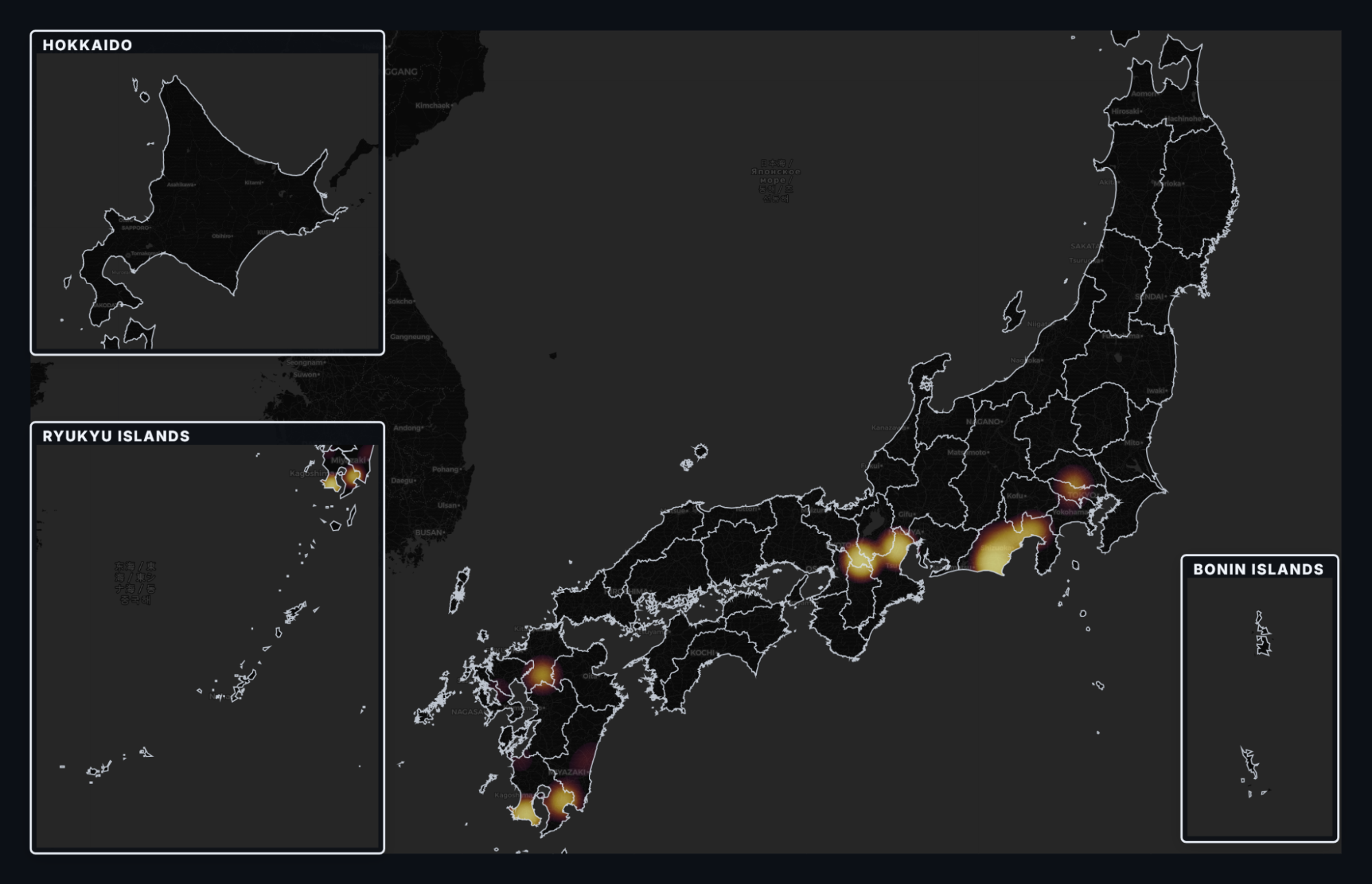
Shizuoka is by far the biggest tea production prefecture followed by Kagoshima. Other spots include Iruma City, Suzuka City, Wazuka City, Yame City and scattered around the Miyazaki plain.
Glycine max (Soybean)
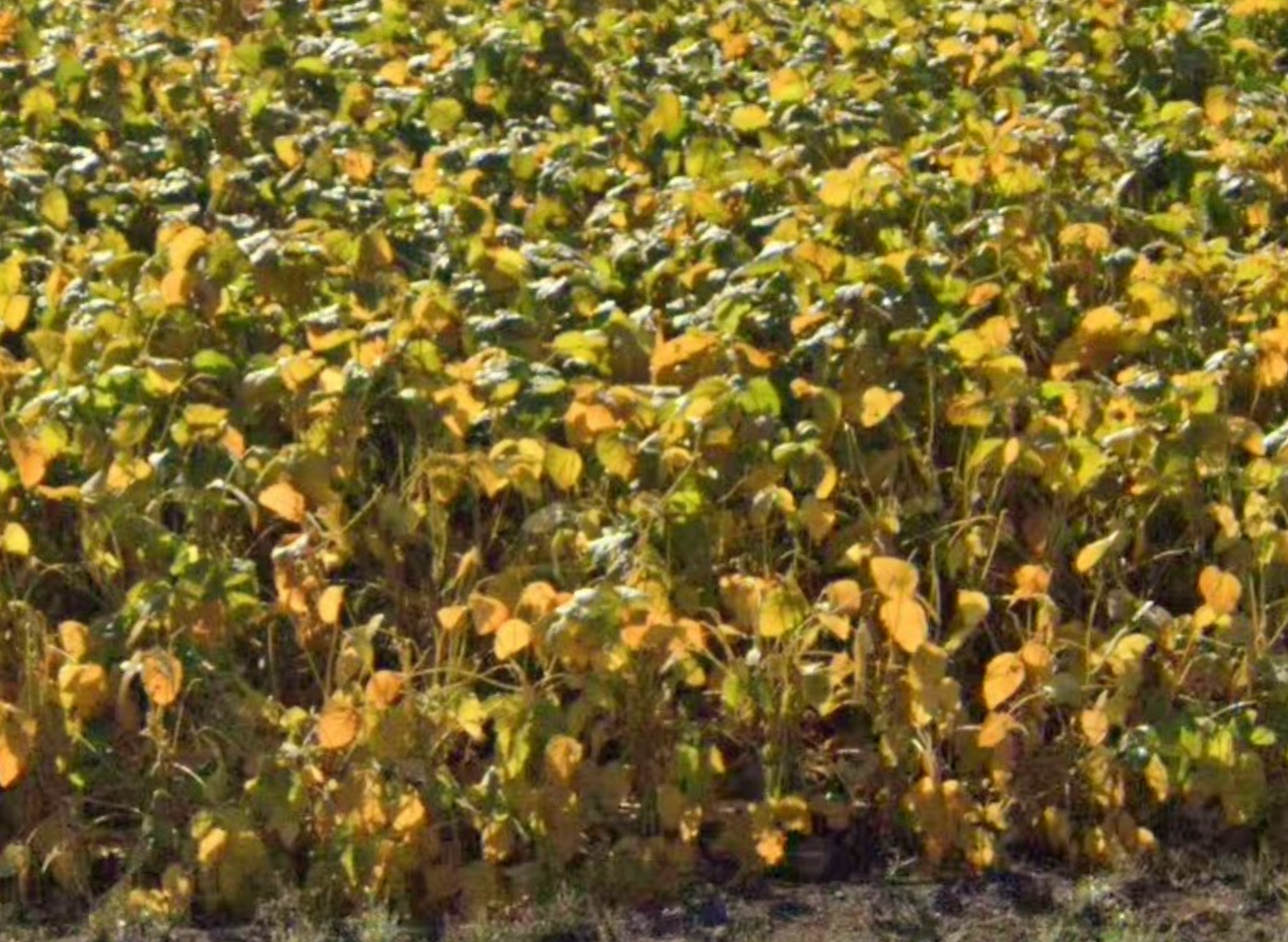
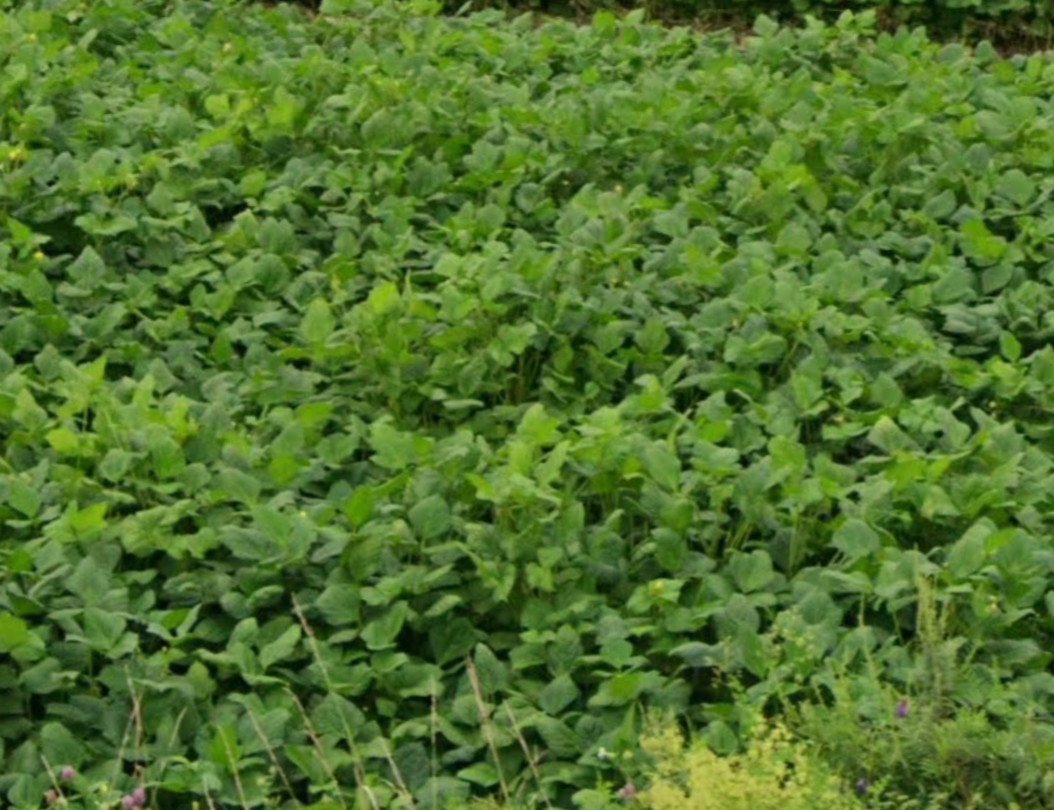
Soybeans are these bushy green plants (yellow in Autumn) with trifoliate leaves that are oval in shape.
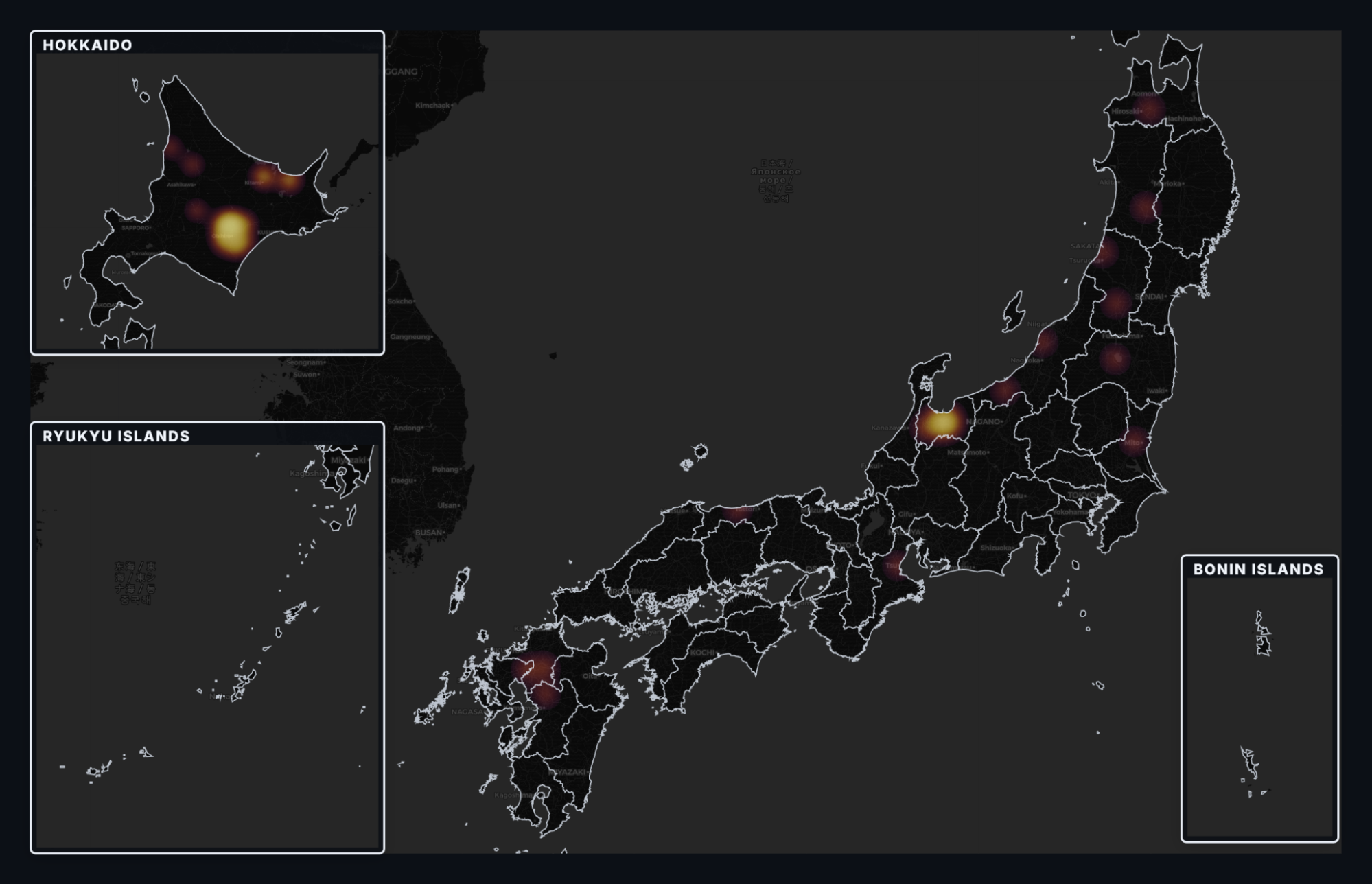
Mostly in Hokkaido.
Saccharum officinarum (Sugarcane)
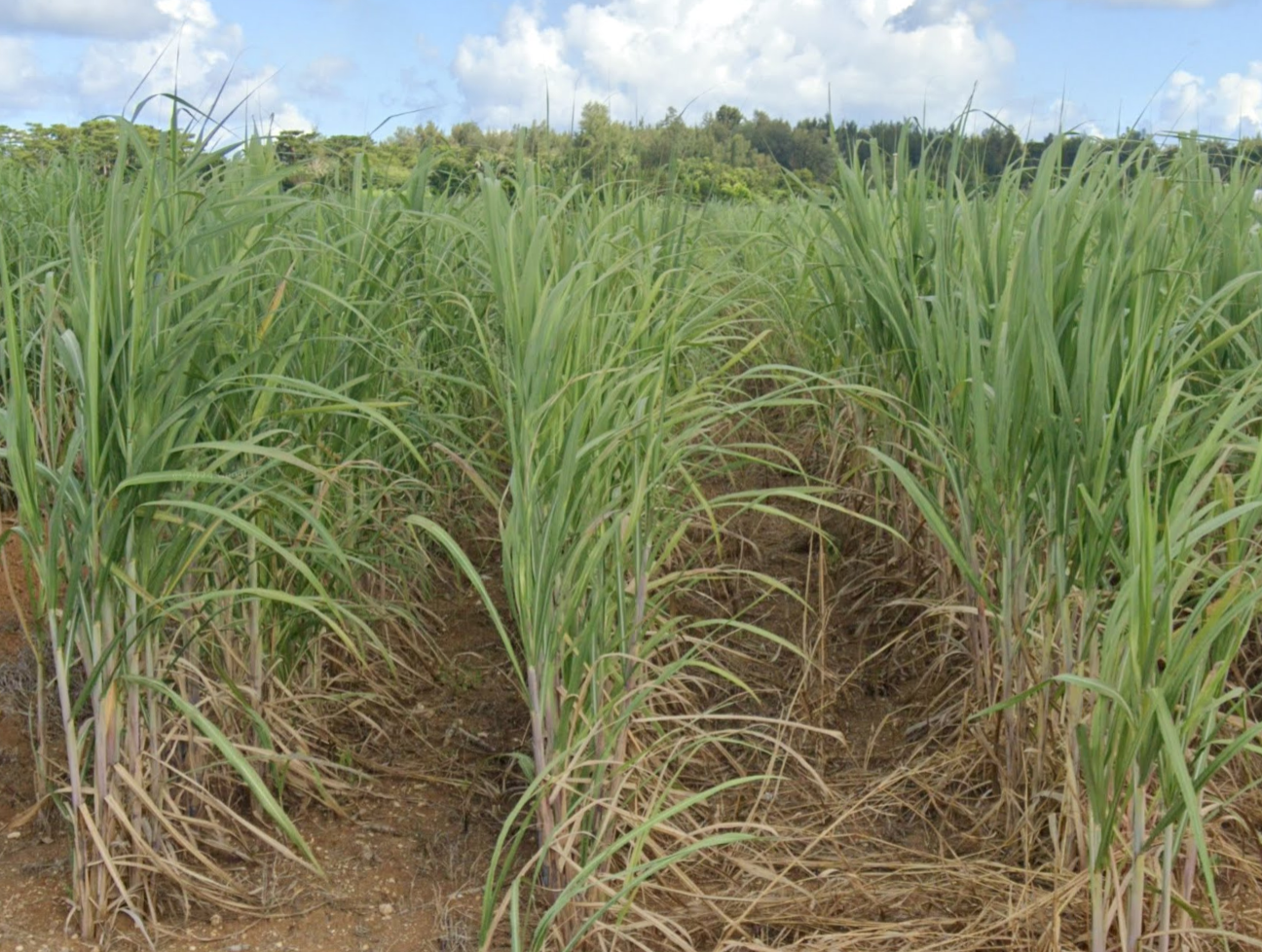
Super easy to notice.
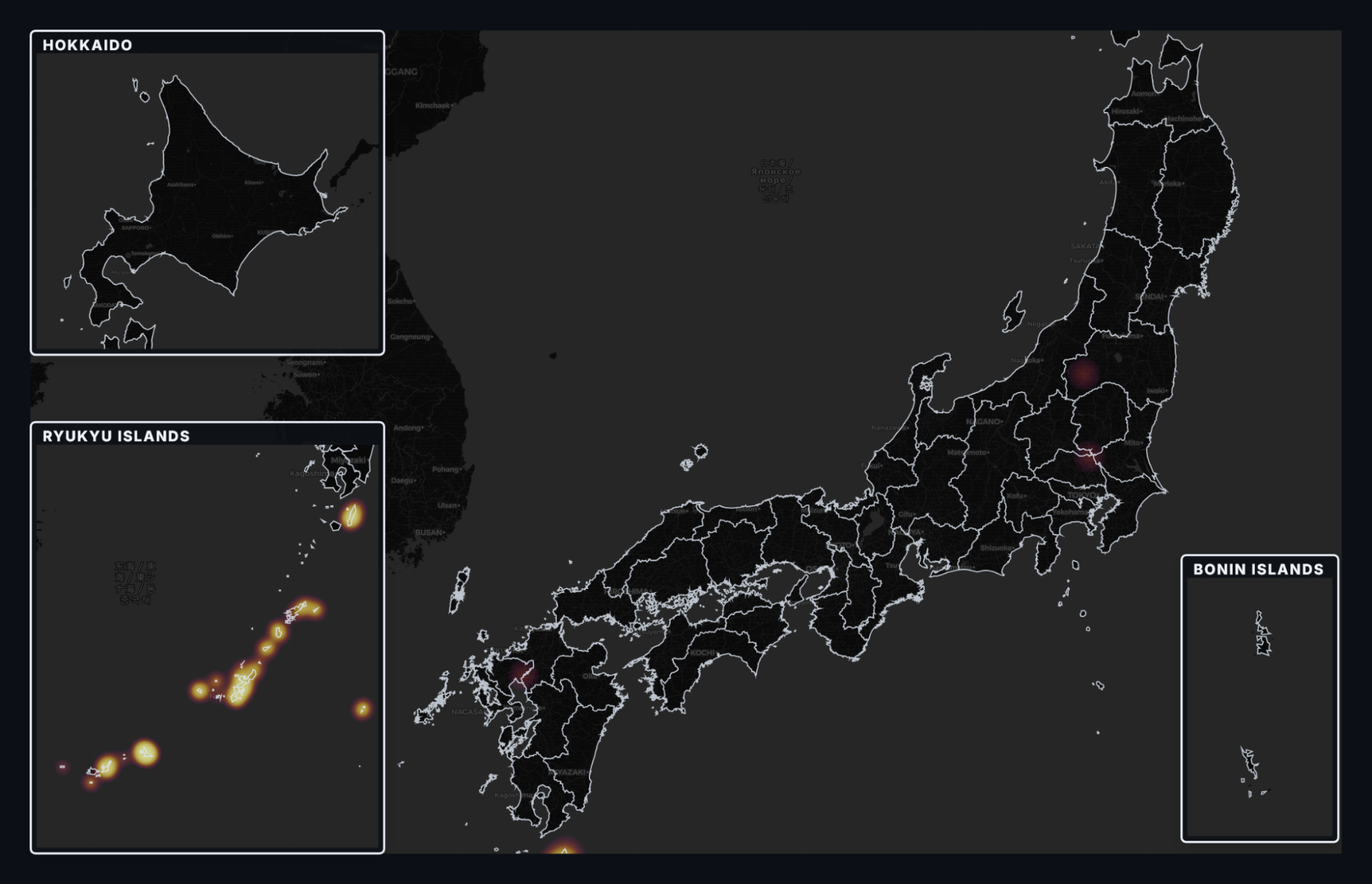
Mostly on the Ryukyu Islands.
Conifers
Cryptomeria
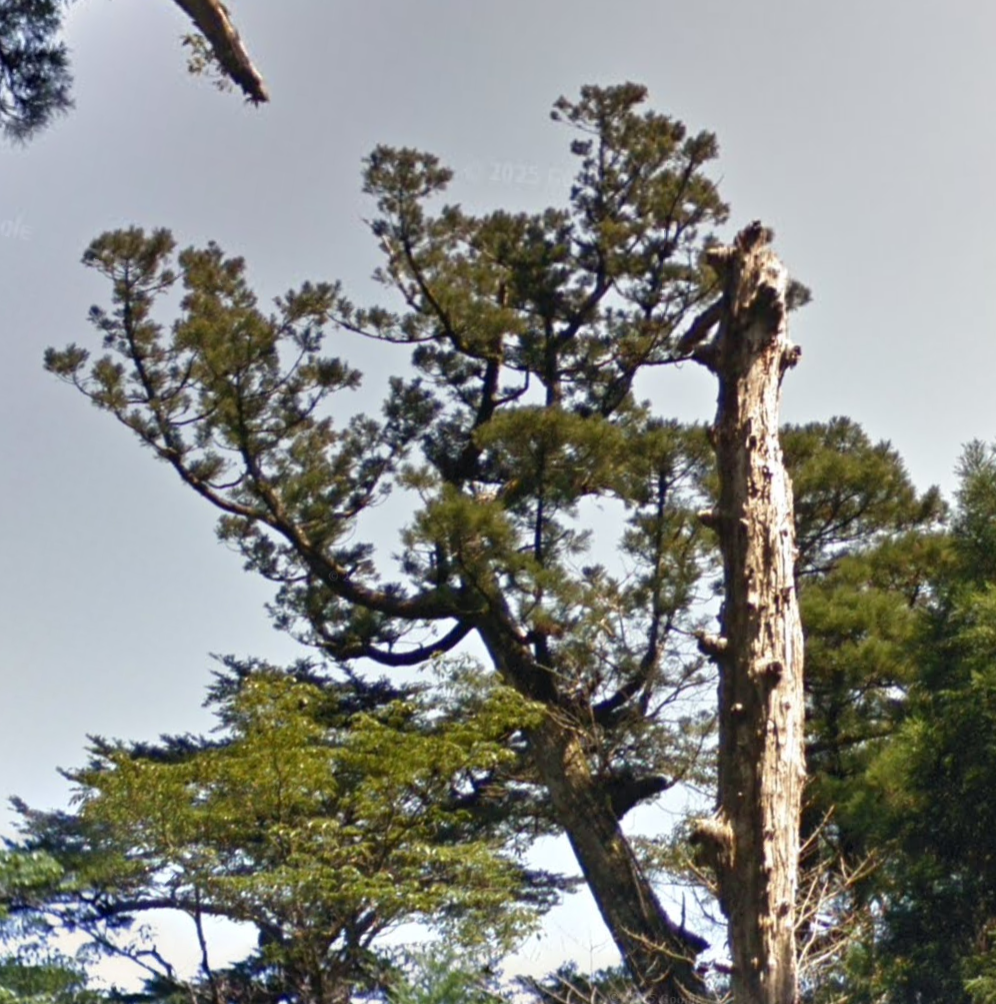
Cryptomeria japonica (Sugi/Japanese Cedar/杉)
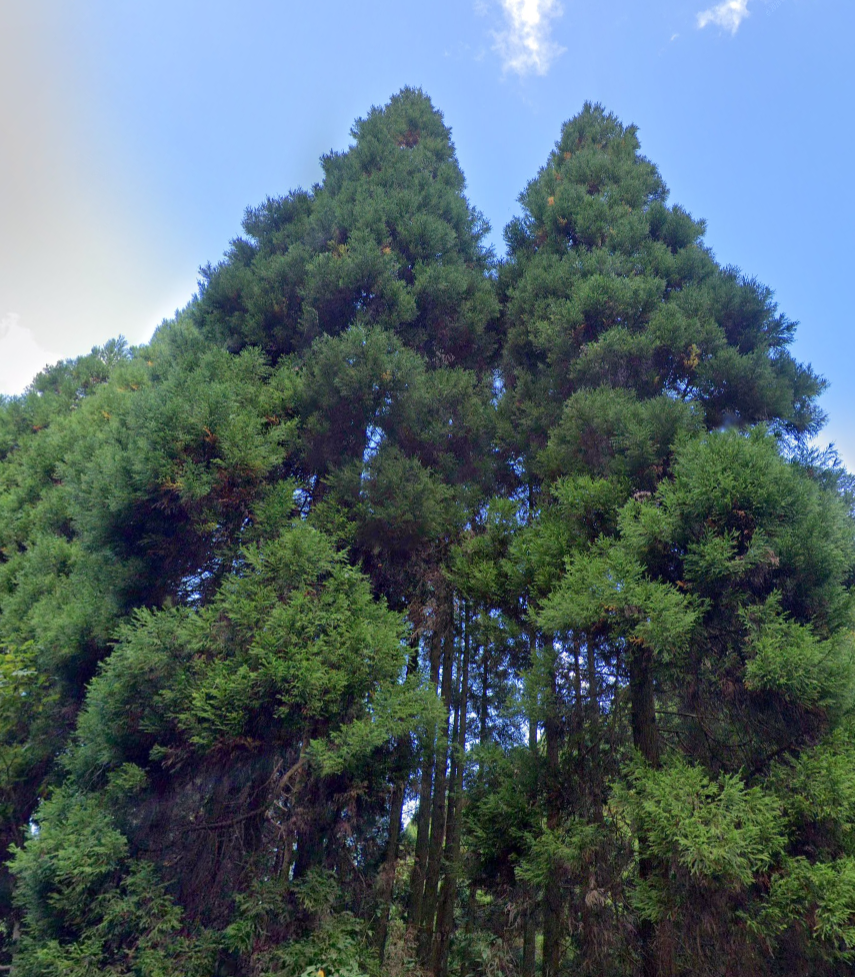
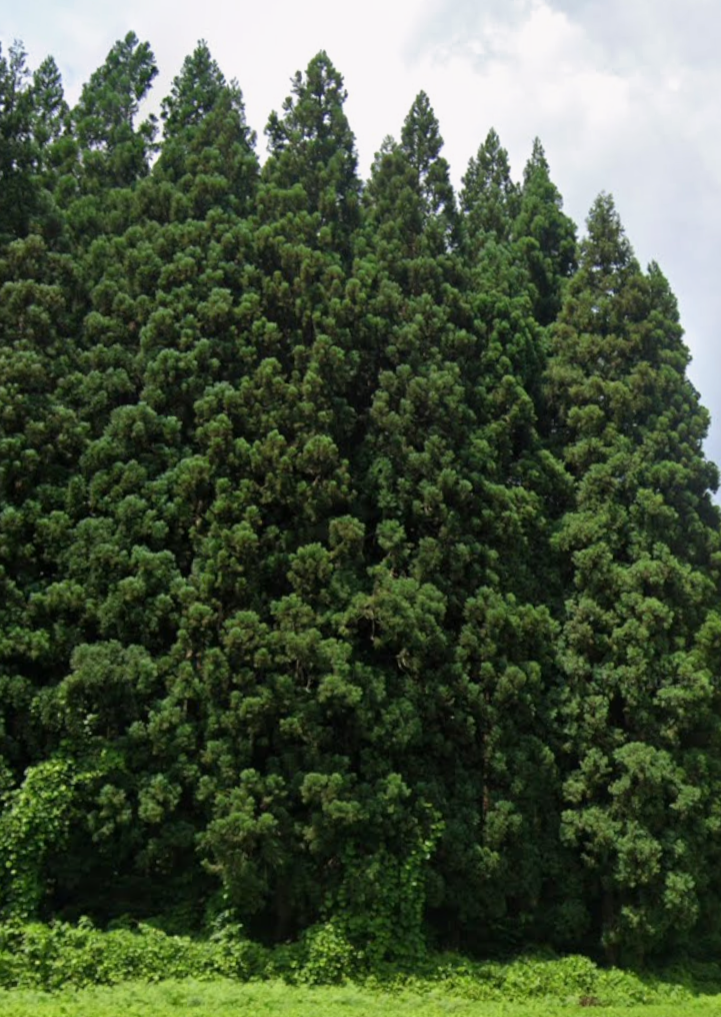
Japanese Cedar is the most commonly seen conifer and the official national tree of Japan. It is easily identified by the circular clumps of leaves on the tip of each branch.
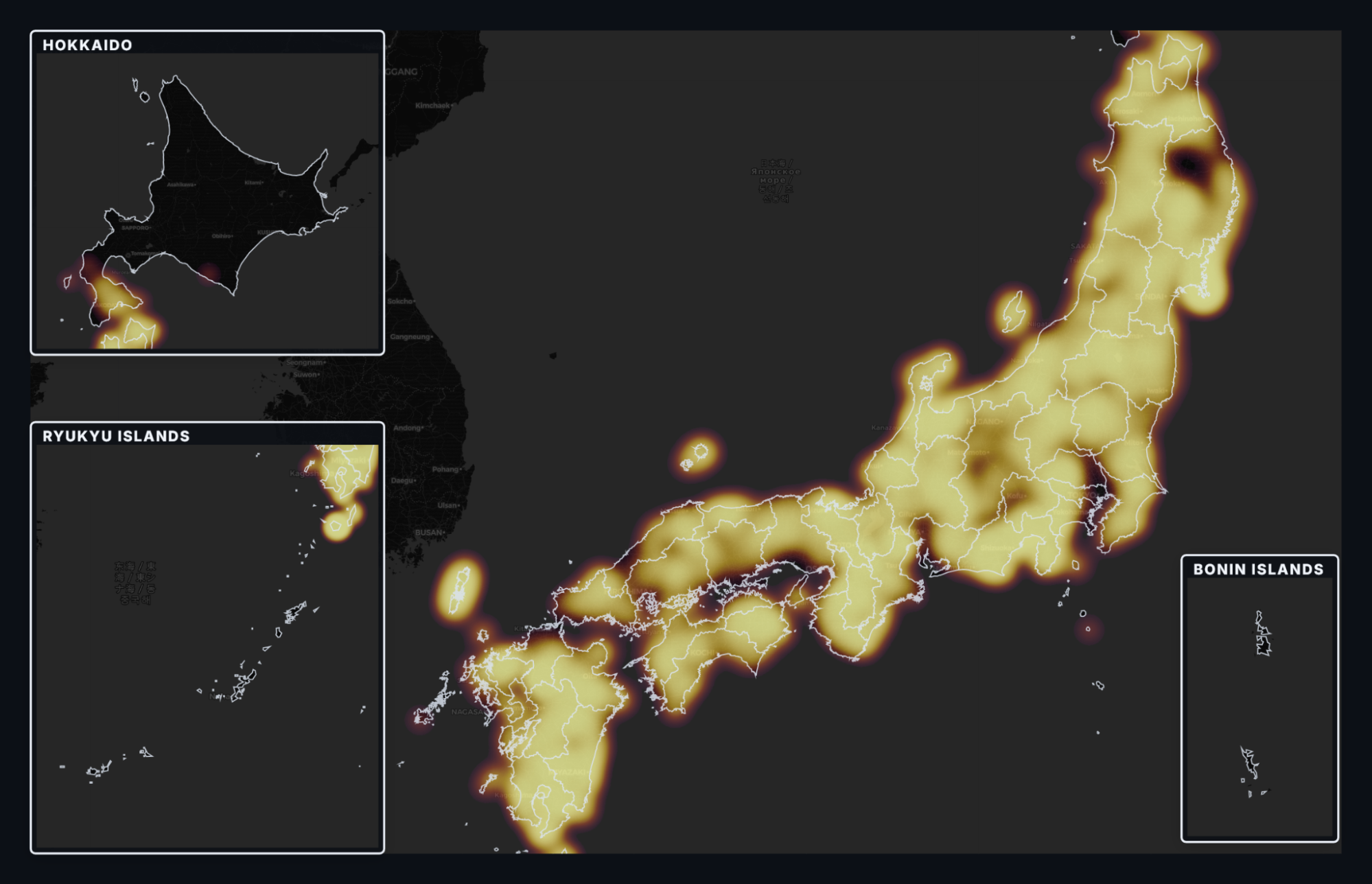
It can be found from Yakushima up to the Oshima peninsula in Hokkaido. This is especially useful in Hokkaido or on islands.
Yakushima is home to giant Sugis called Yakusugi (屋久杉).
False Cypresses
Chamaecyparis obtusa (Hinoki Cypress/檜)
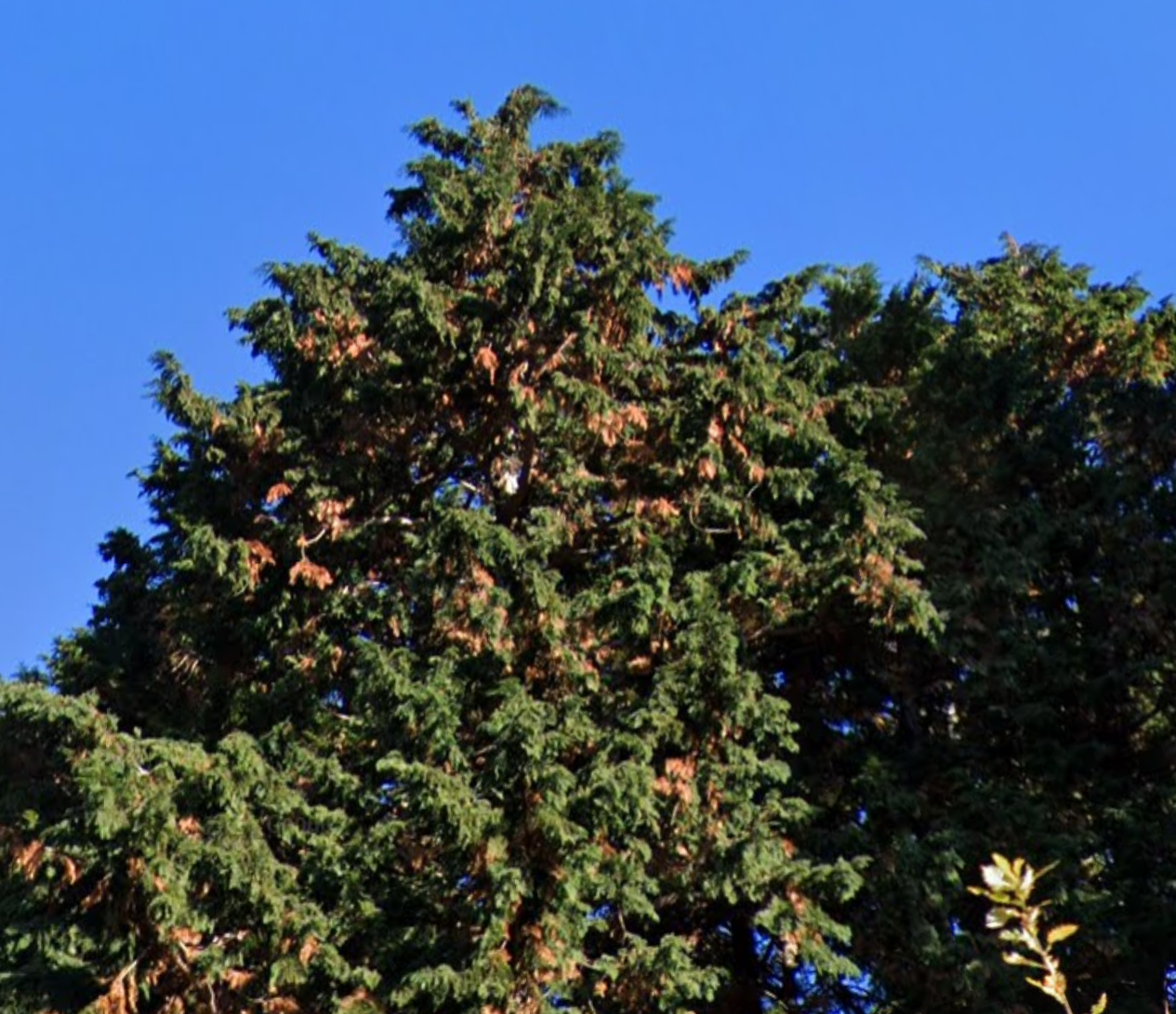
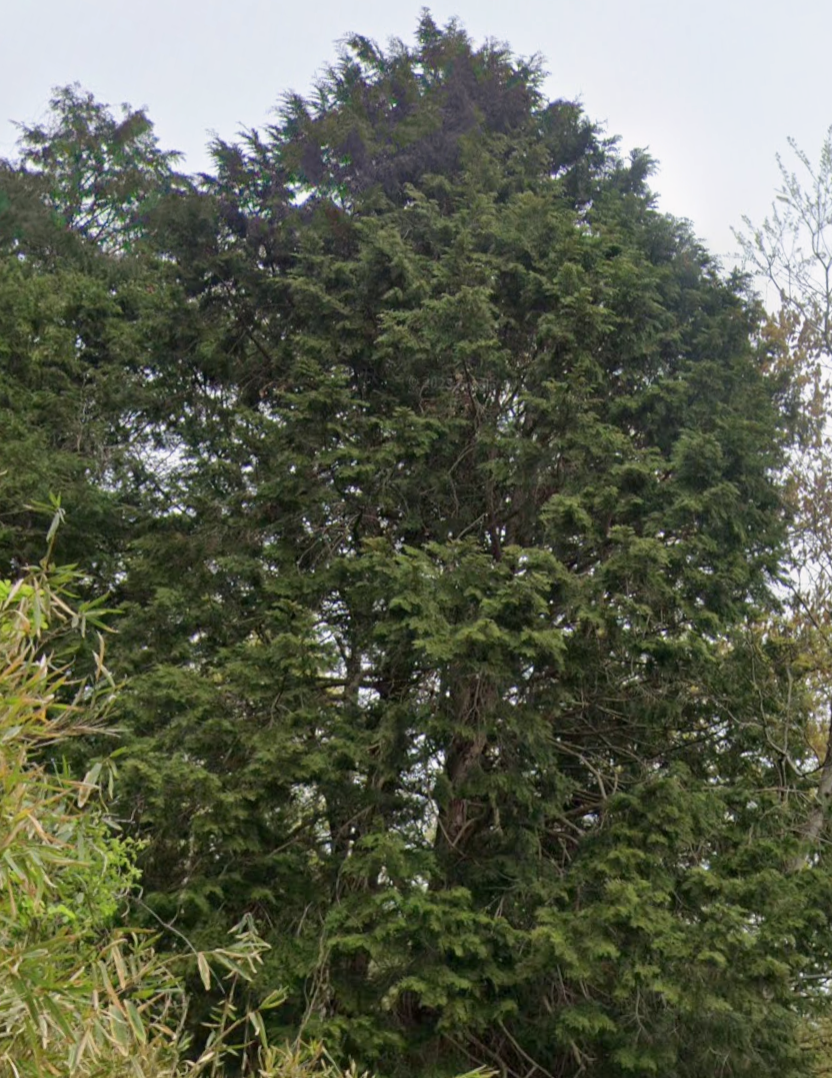
A species of cypress native to Japan. It has a reddish bark and the leaves are fan shaped.
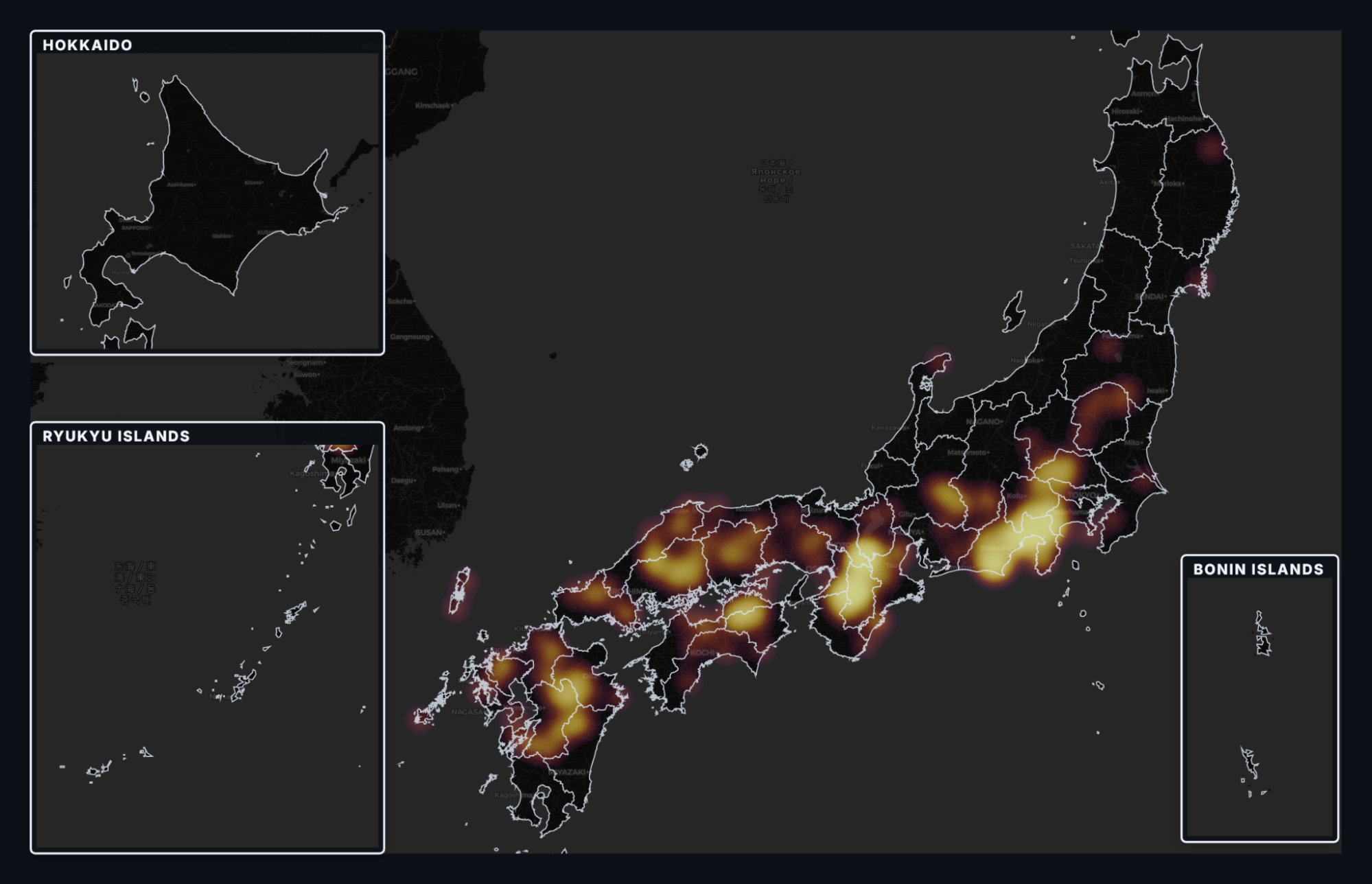
Found primarily in hilly areas of the south. Also planted a lot near tea farms as a wind breaker.
Chamaecyparis pisifera (Sawara Cypress/椹)
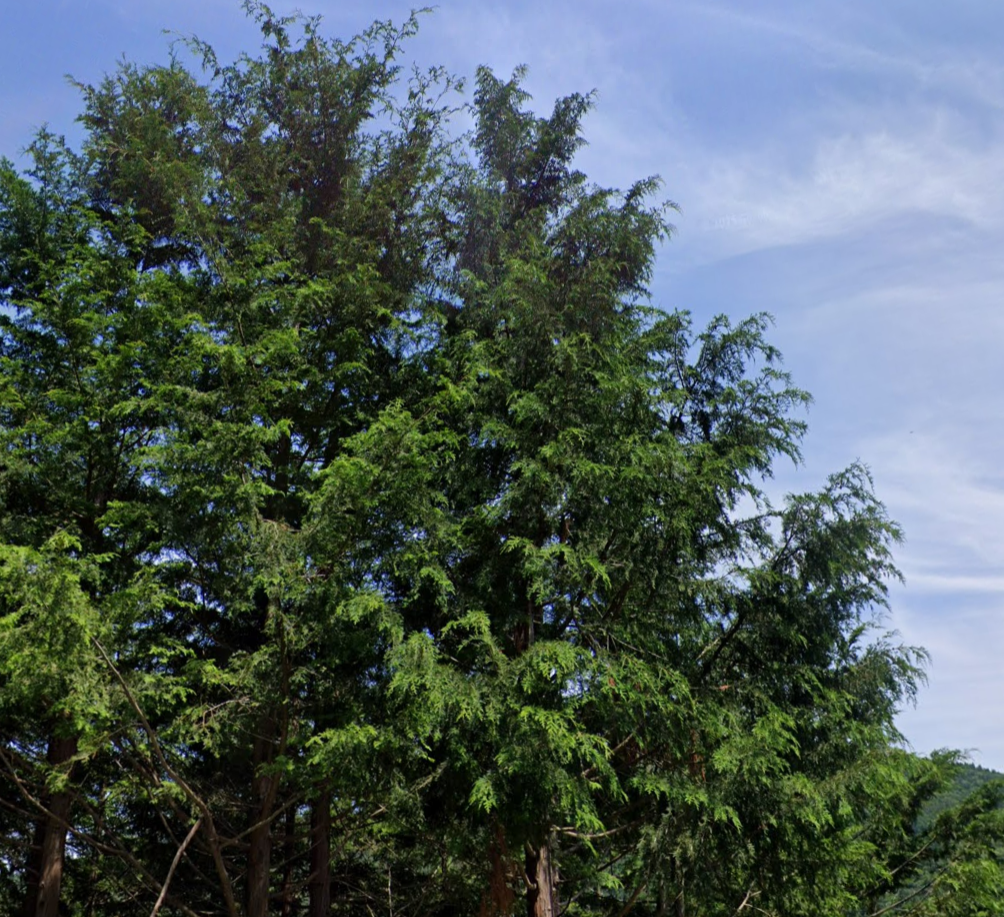
It has a dark reddish brown bark and feathery leaves.
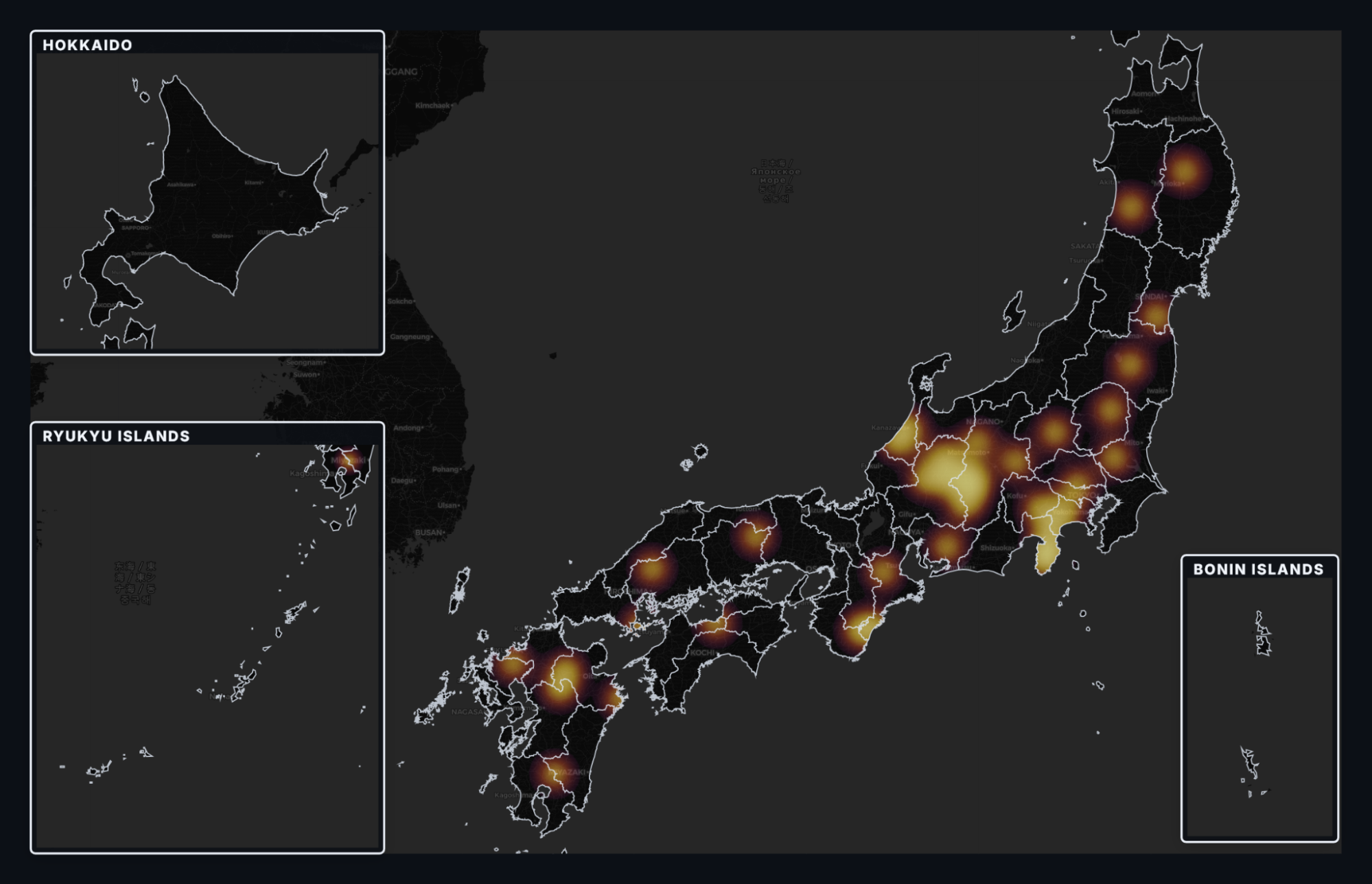
Although native to Kyushu and Honshu, it is now found mostly in central Japan.
Firs
Abies homolepis (Nikko Fir/裏白樅)
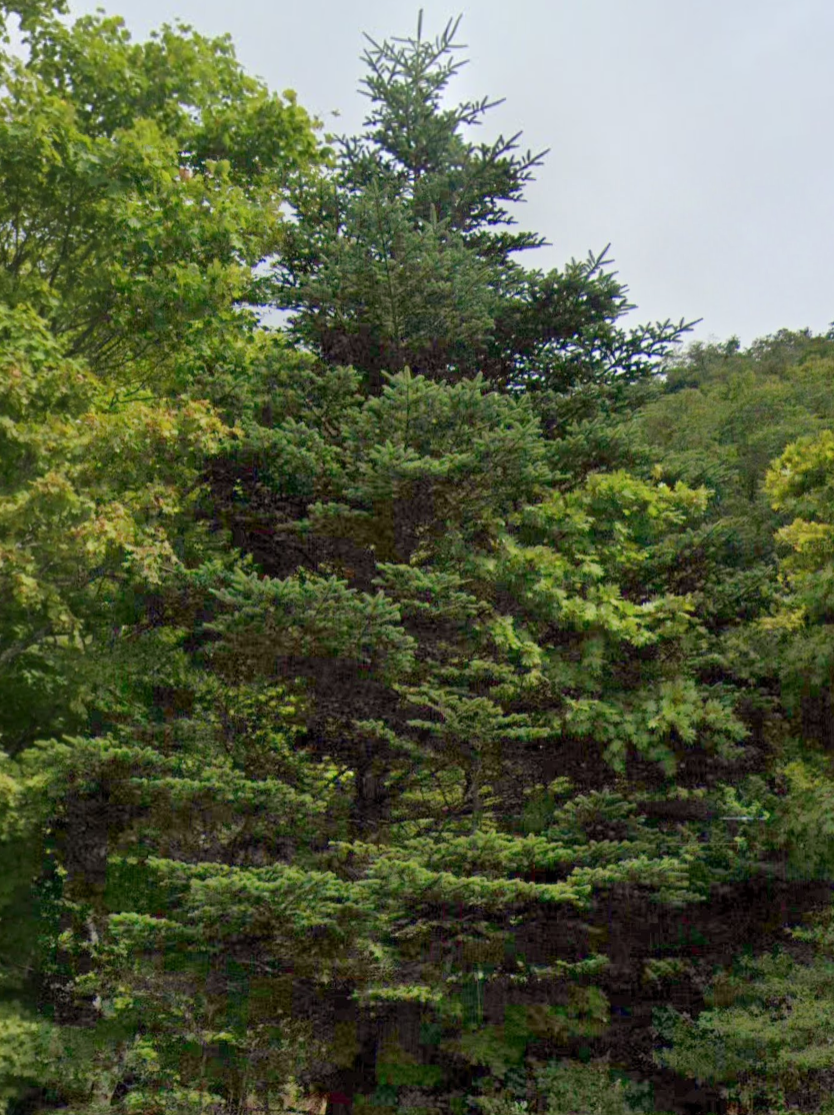
The leaves are needle-like and flattened.
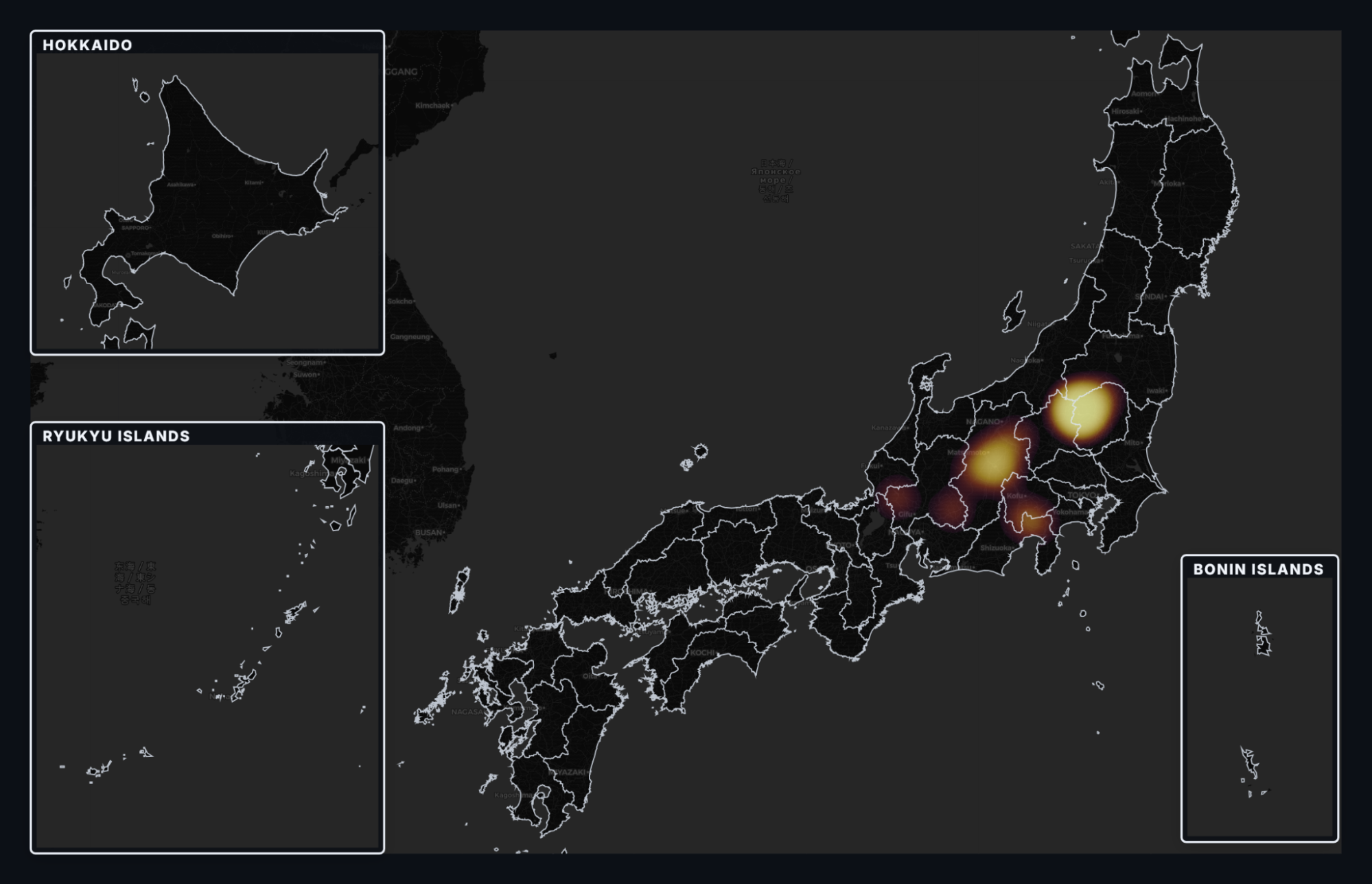
Found in the mountains of central Honshu.
Abies firma (Momi Fir/樅)
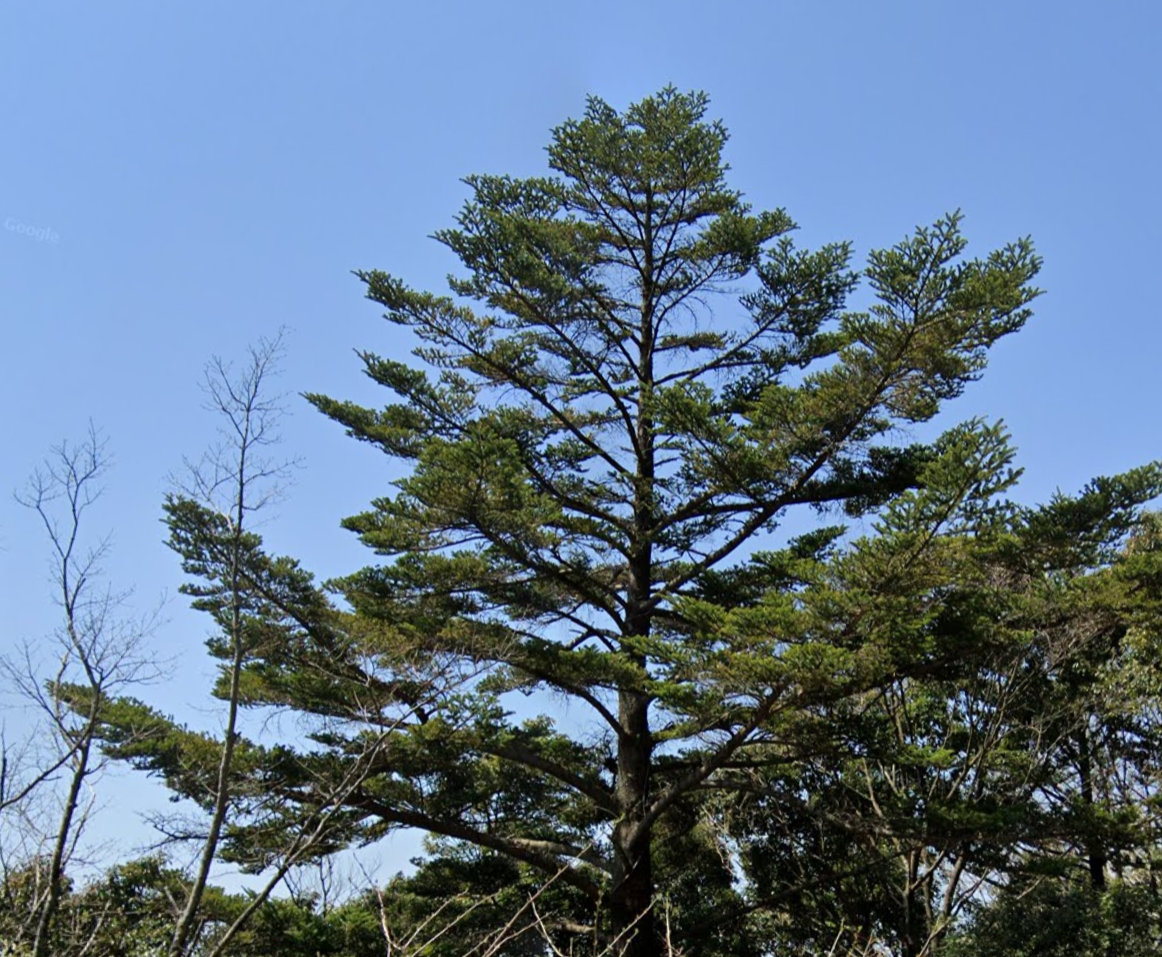
The needles seem to start growing halfway up the branches.
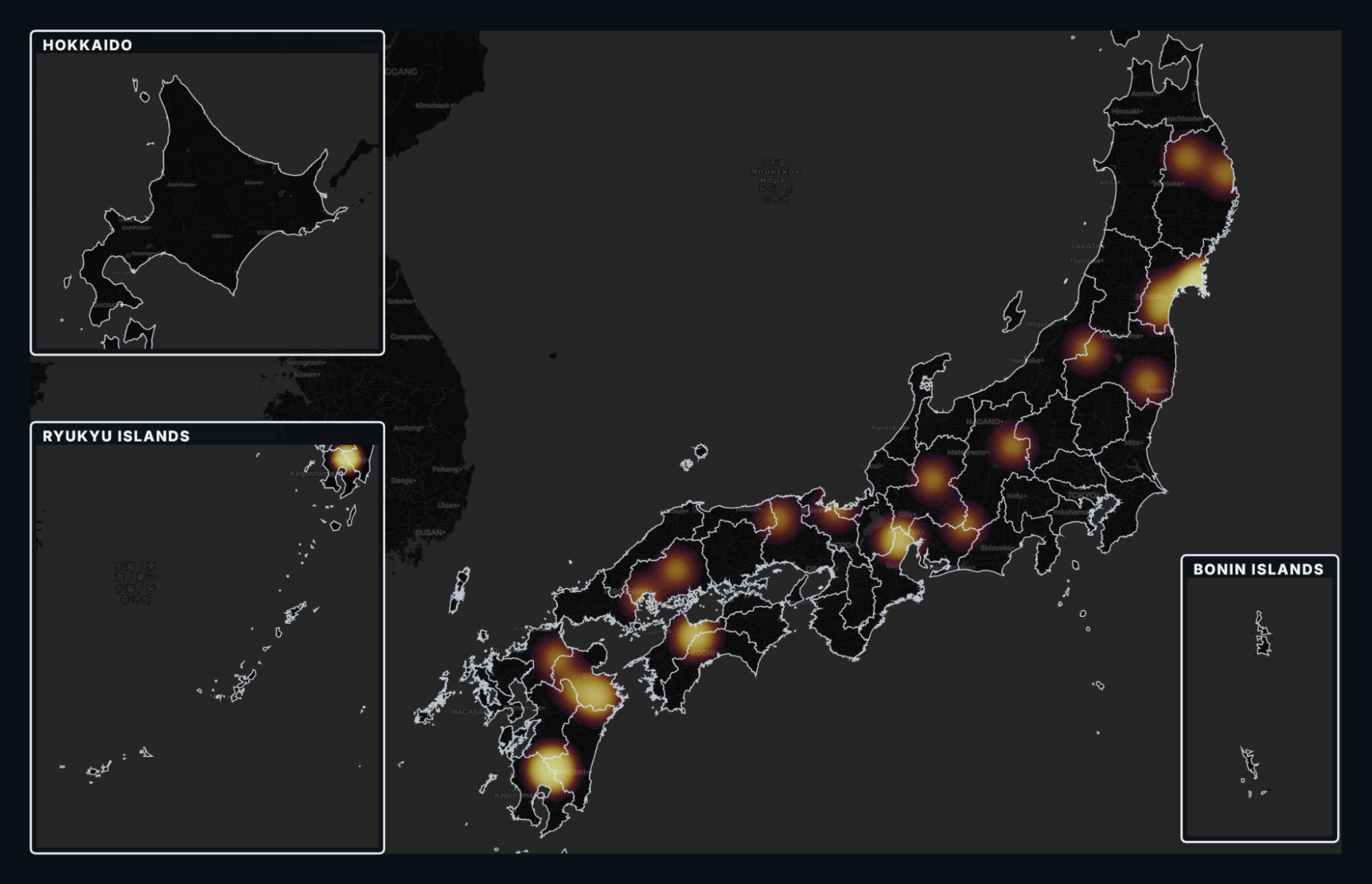
Native to central and southern Japan, it grows at moderate altitudes and can be found all over the country.
Abies mariesii (Marie's Fir/大白檜曾)
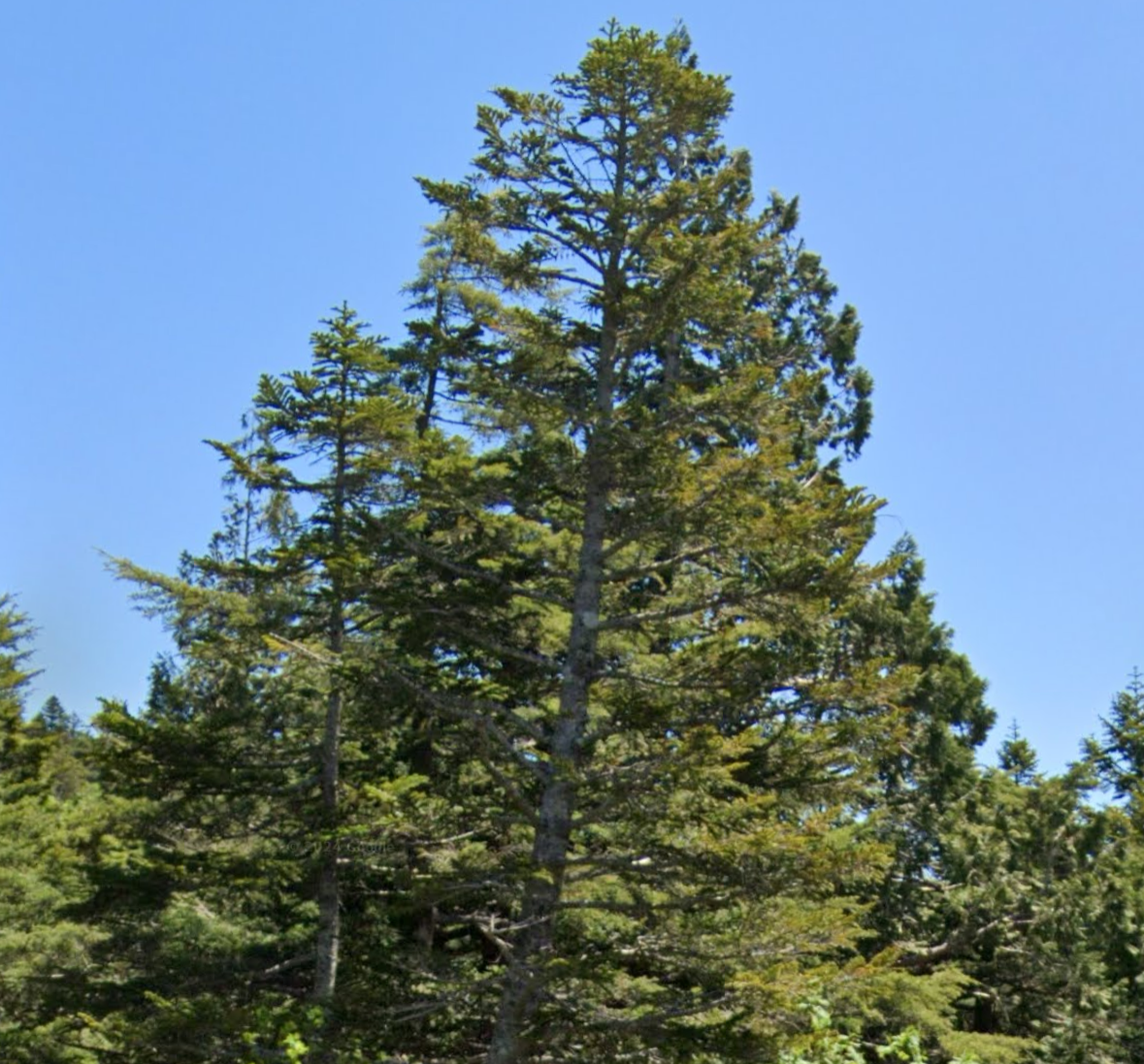
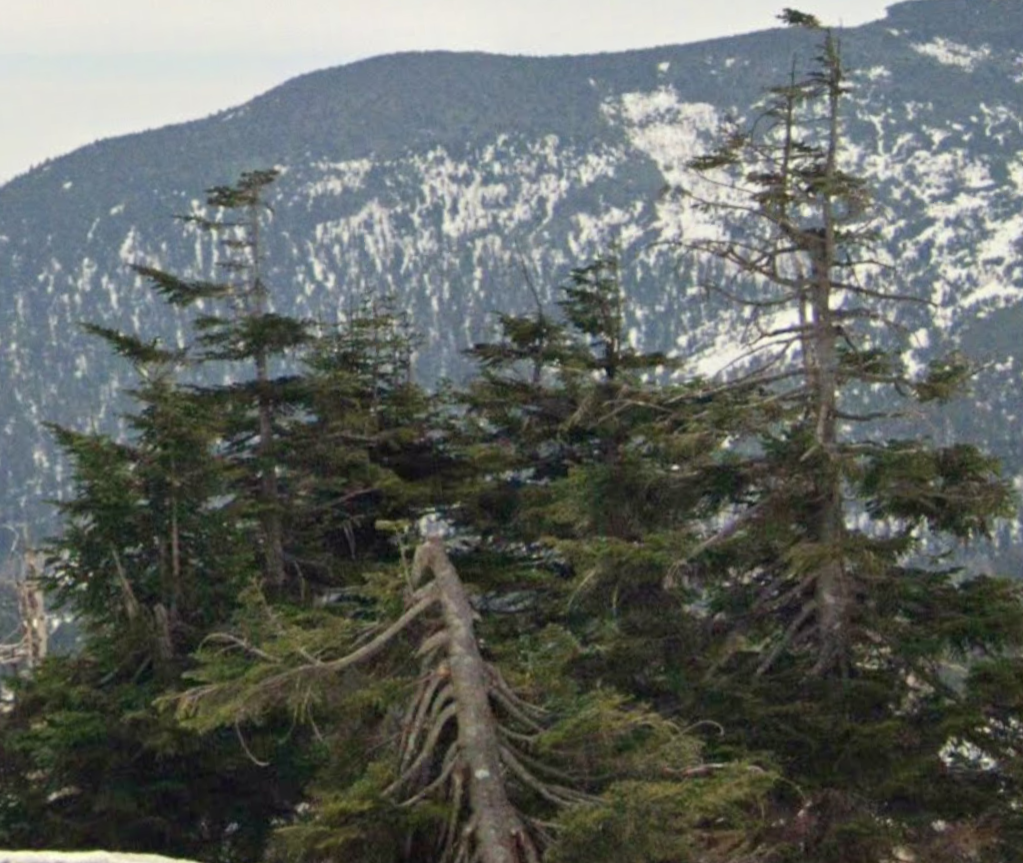
Has the most unique appearance of all the Japanese Firs. Also the tree that makes the Zao Snow Monsters.
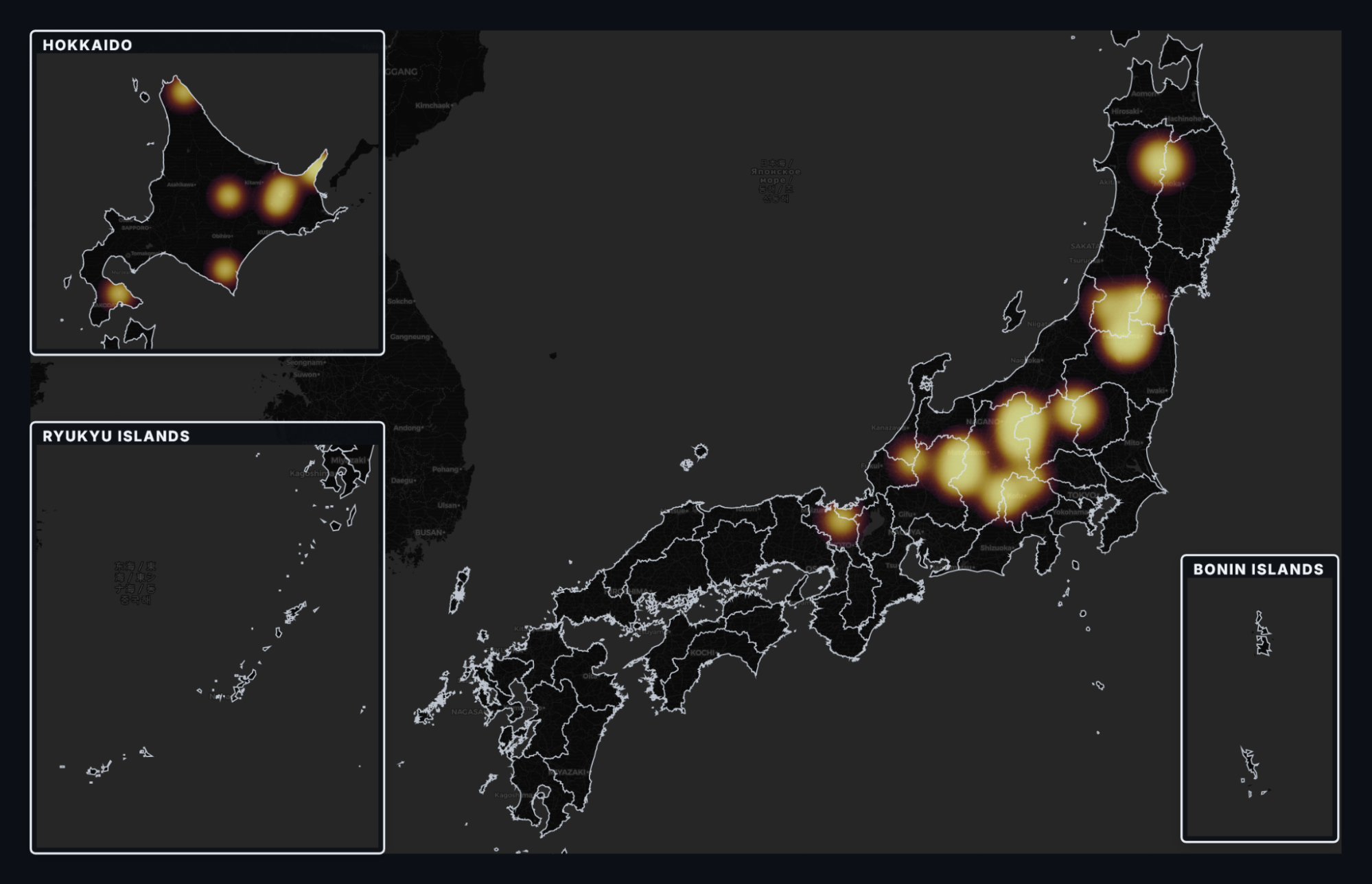
It grows at super high altitudes from central Honshu to northern Honshu, usually on mountain peaks.
Abies sachalinensis (Sakhalin Fir/椴松)
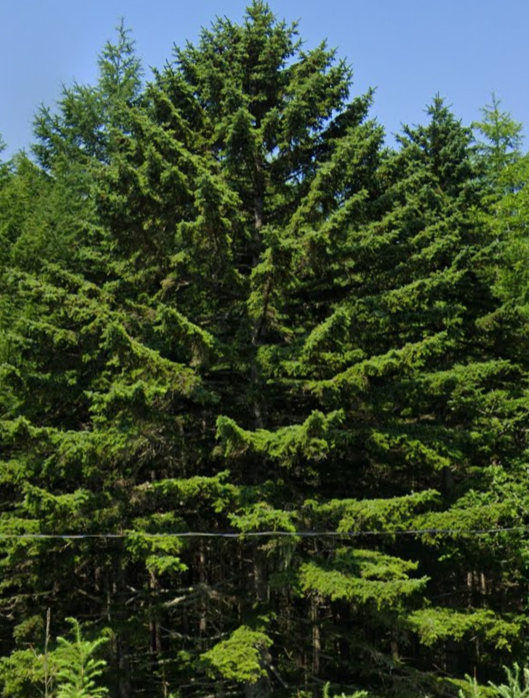
Pyramidal crown with these distinctly spiky looking branches with needles that kind of look like moss.
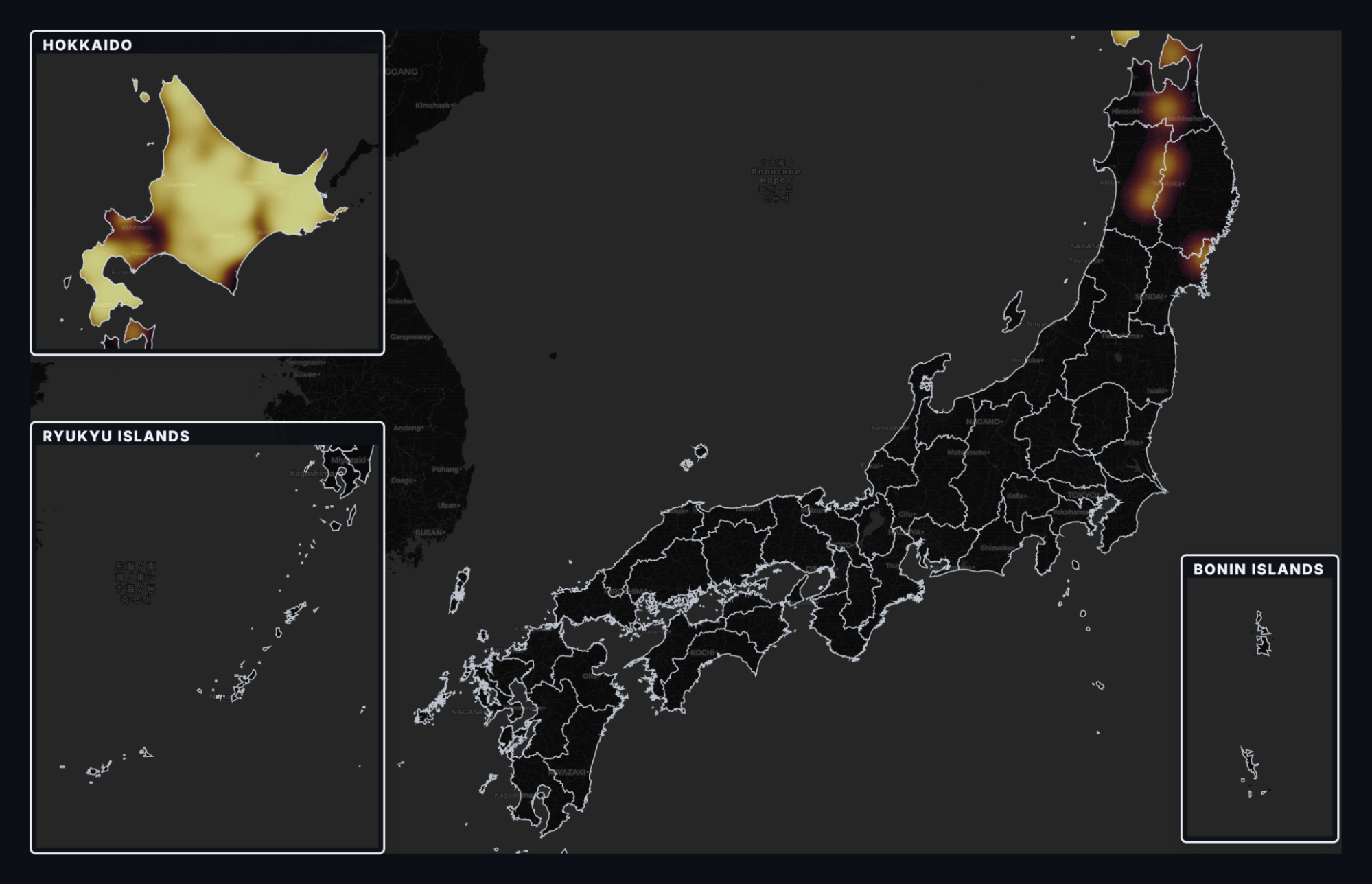
Everywhere in Hokkaido.
Abies veitchii (Veitch's Fir/白檜曽)
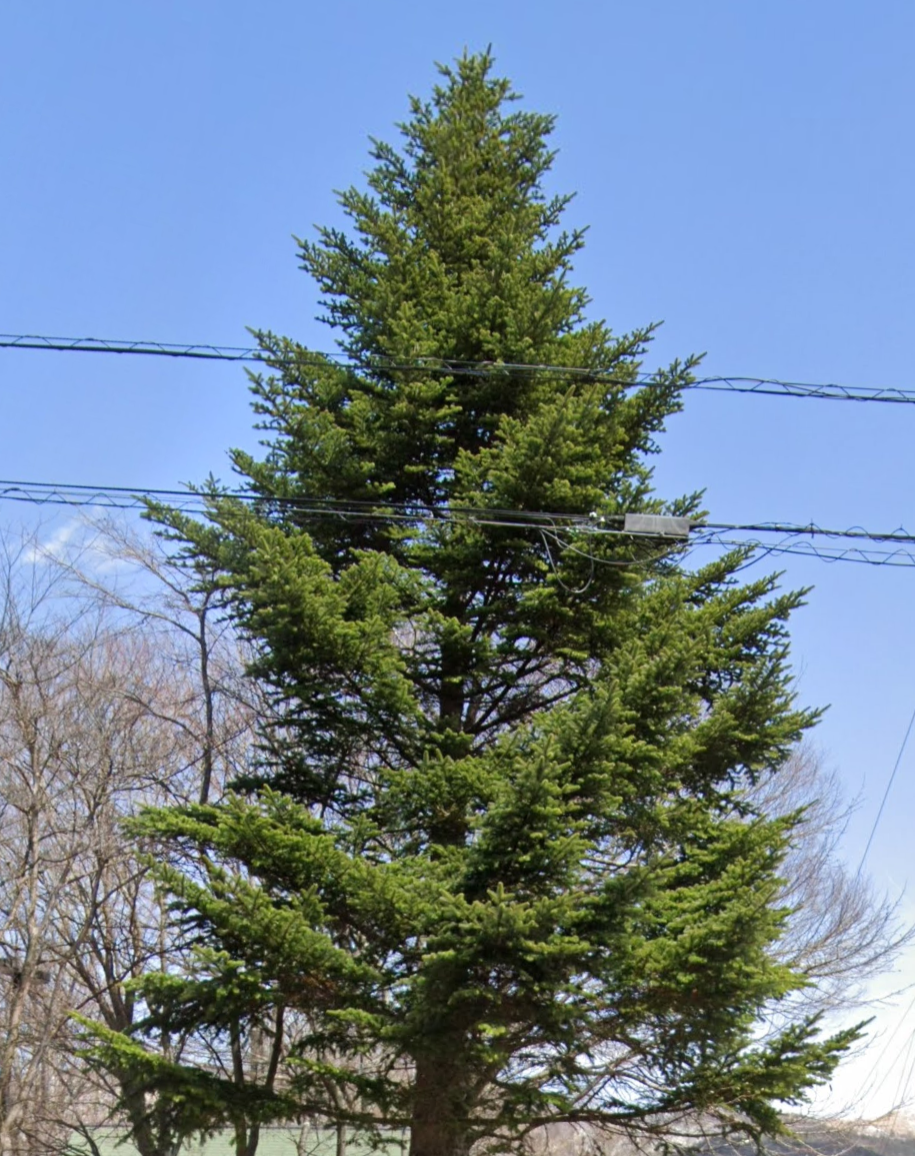
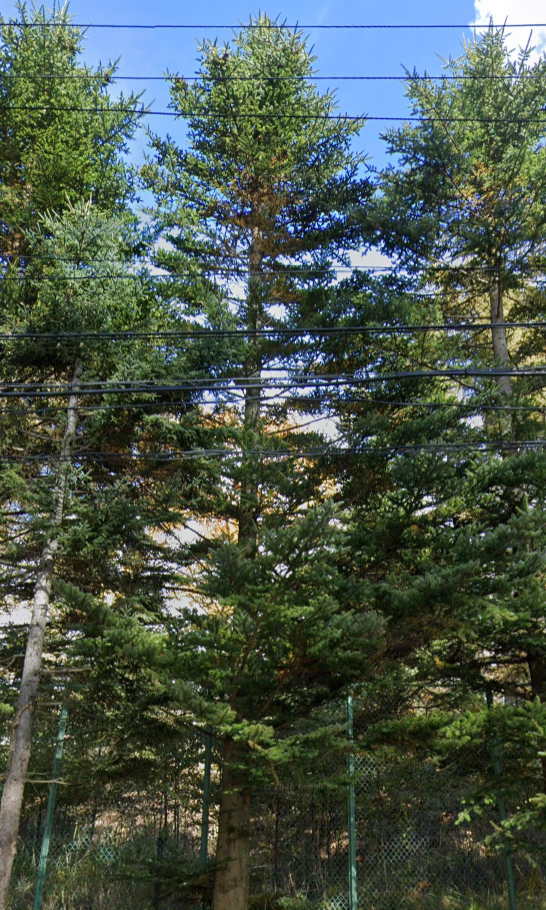
Looks like a less mossier version of the Sakhalin Fir.
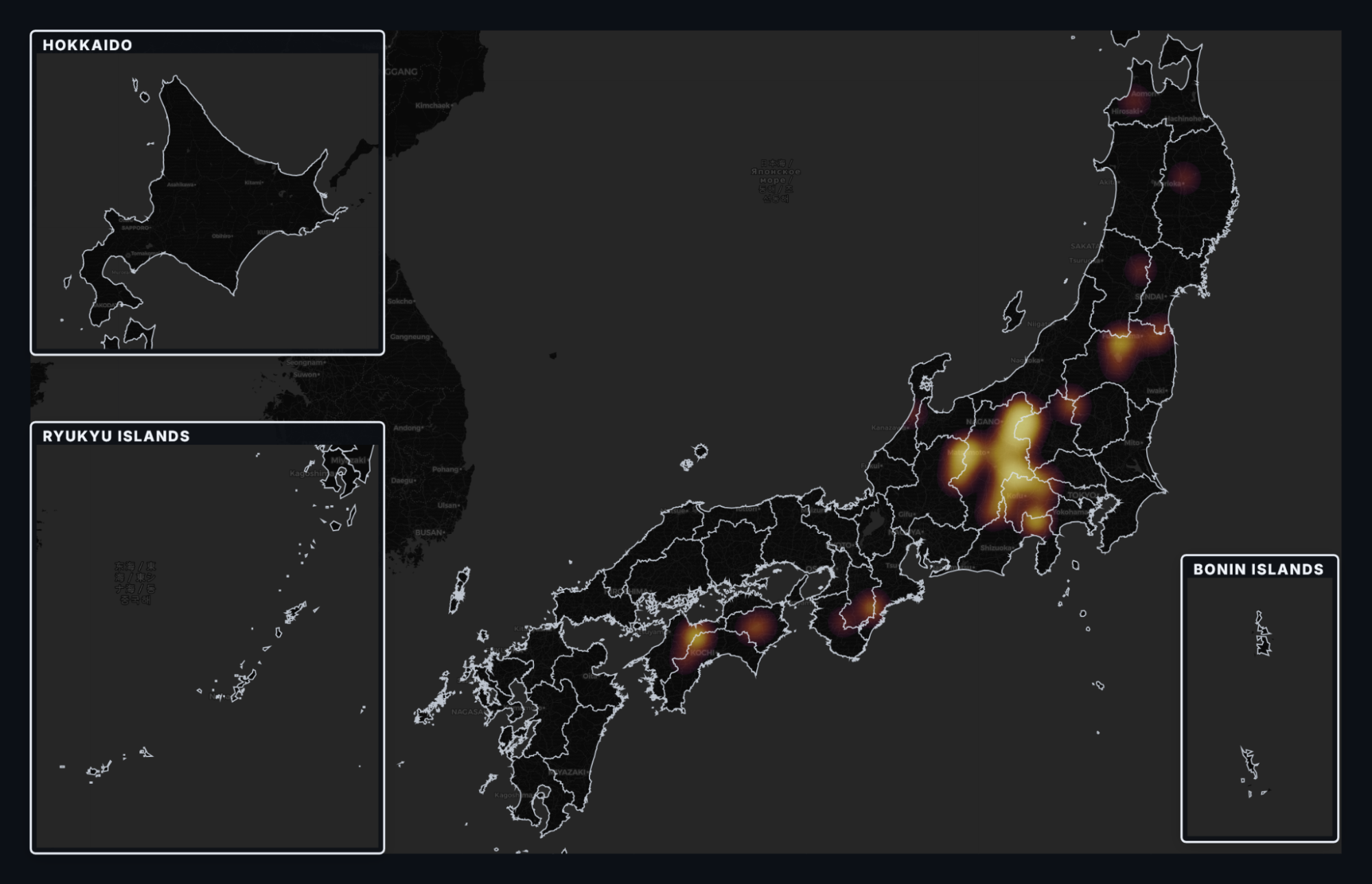
Native to the mountains of Honshu and Shikoku.
Larches
Larix kaempferi (Japanese Larch/唐松)
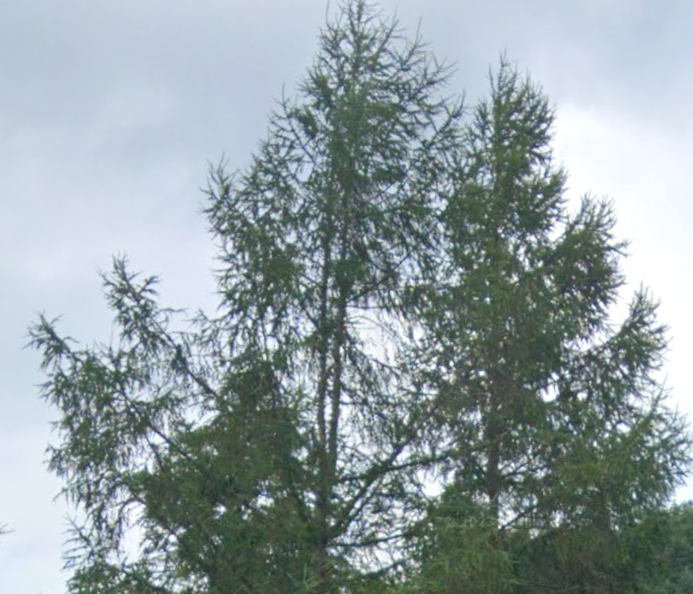
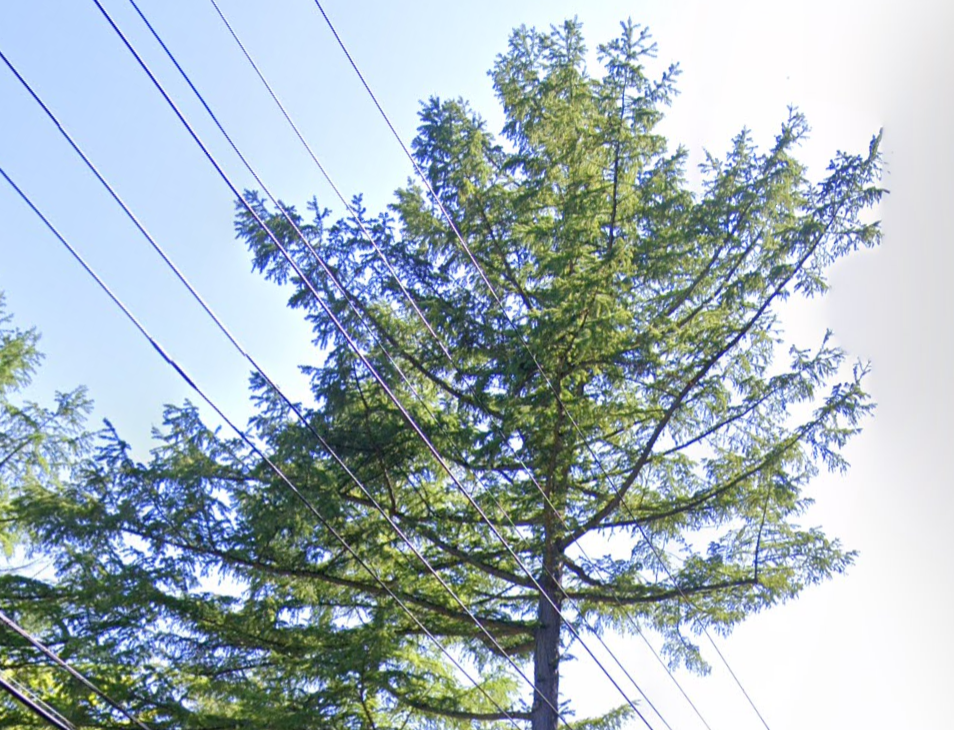
The Japanese Larch is easily identifiable by the branches growing upwards with the needles often hanging downwards.
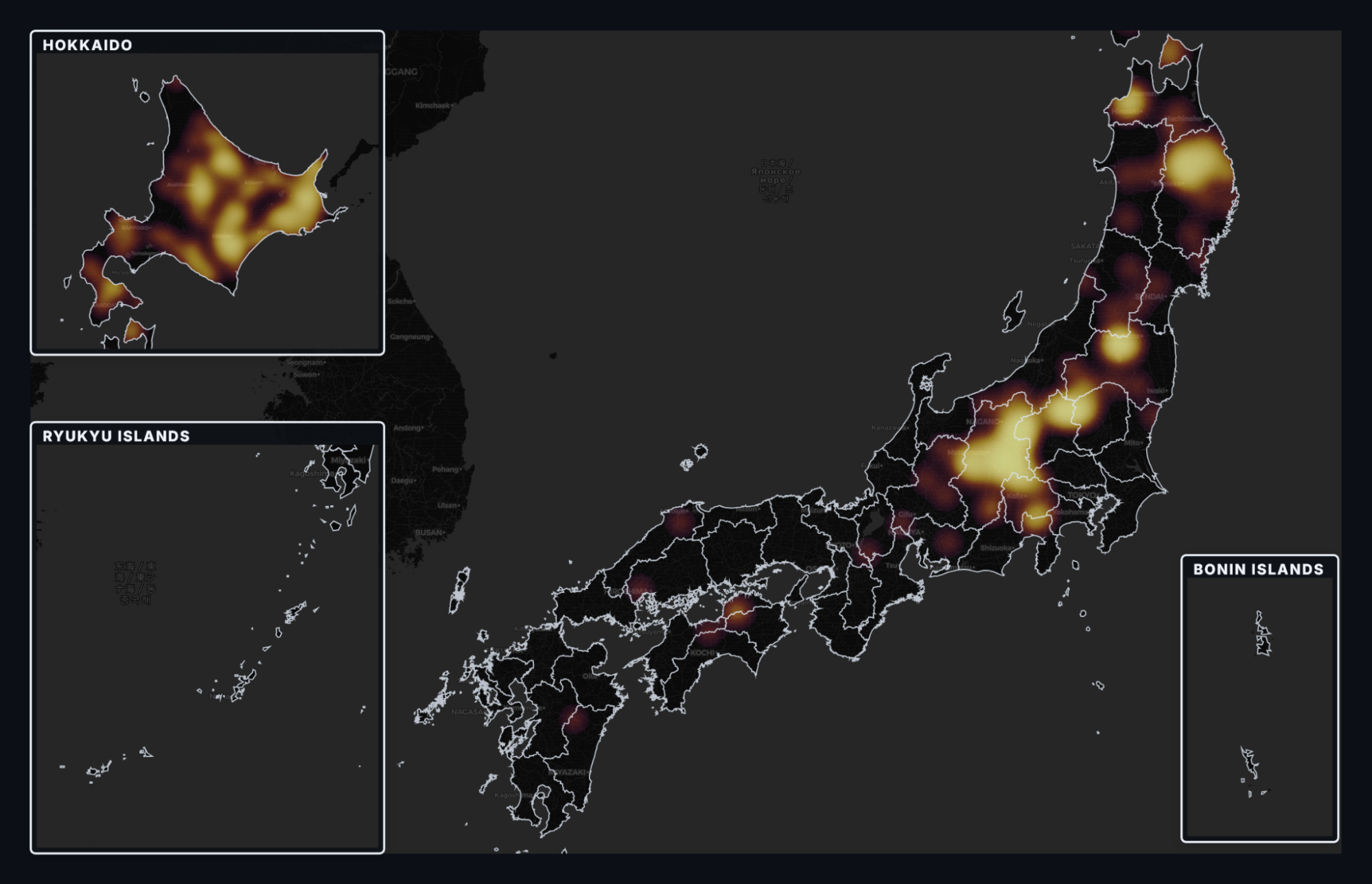
It is mostly found in the mountains of central Chubu and Kanto as well as Iwate and Hokkaido.
Pines
Pinus amamiana (Yakushima White Pine/屋久種五葉)
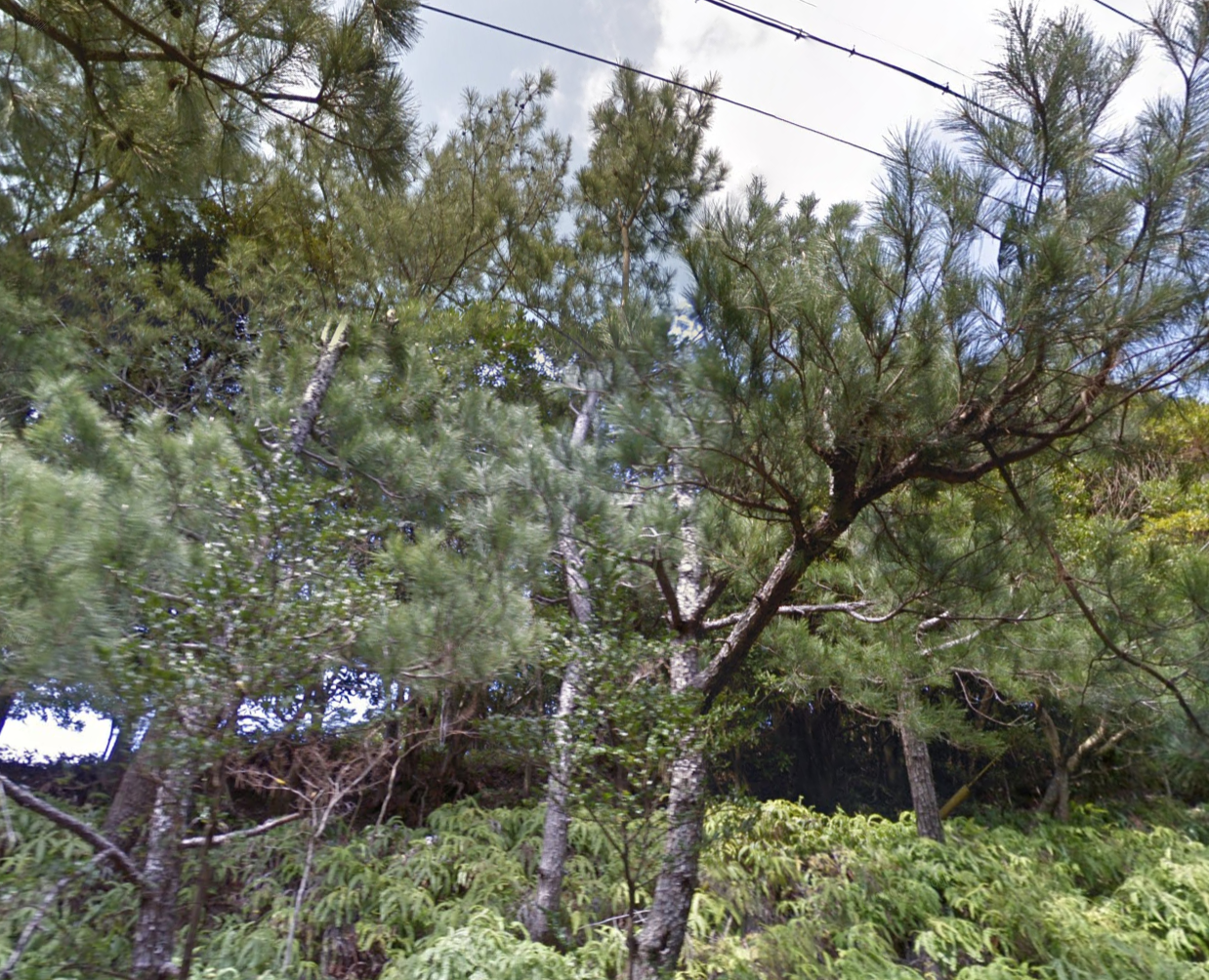
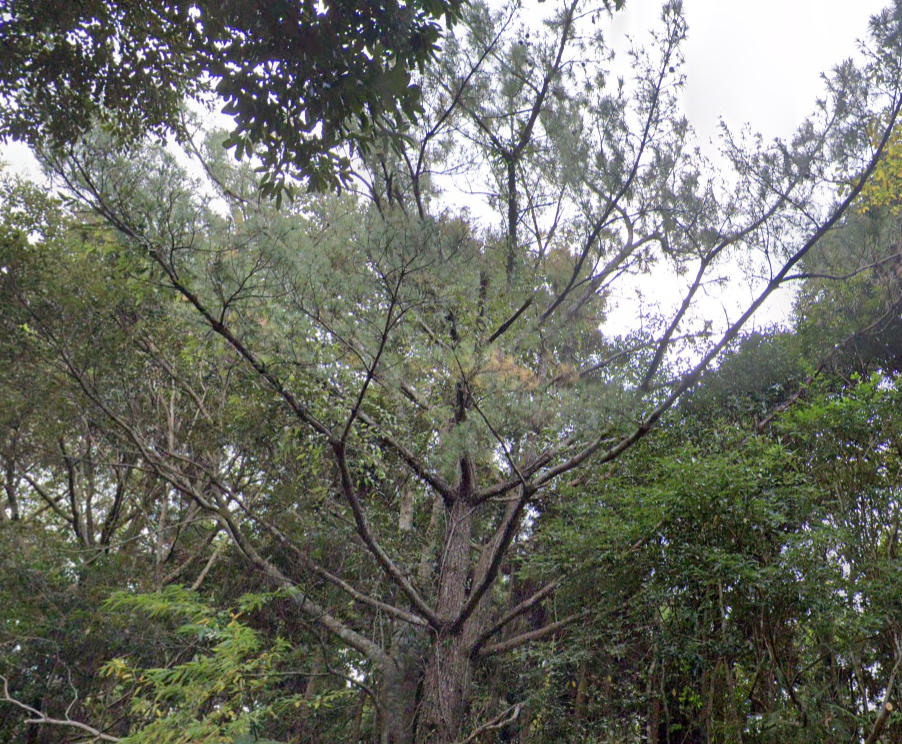
A very rare species of White Pine.
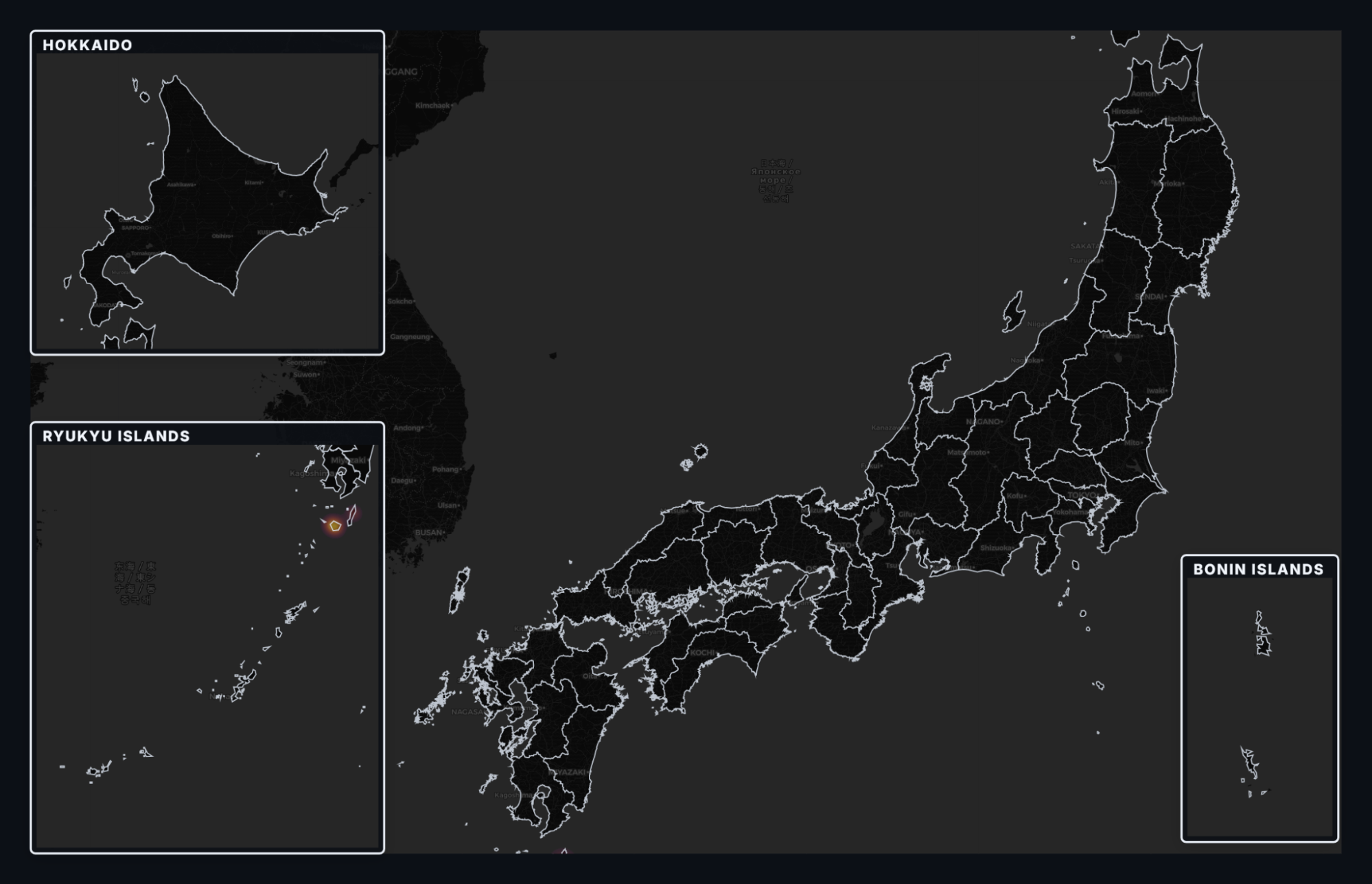
Native to the mountains of Yakushima and Tanegashima.
Pinus densiflora (Japanese Red Pine/赤松)
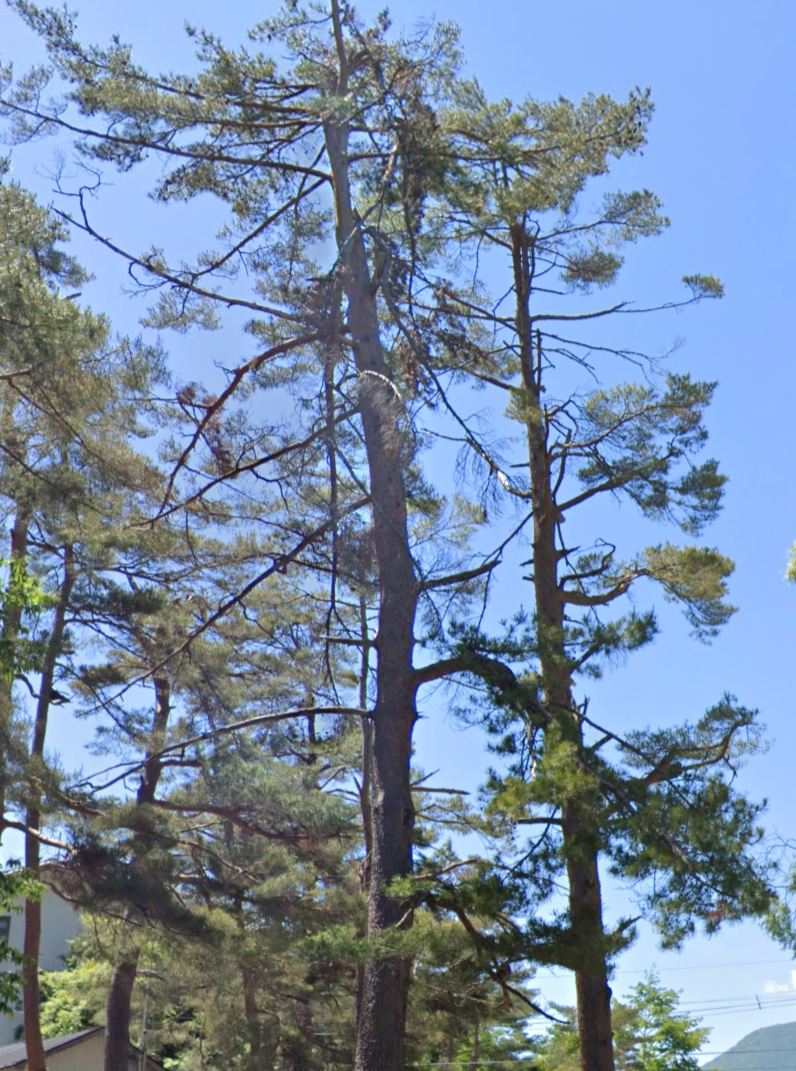
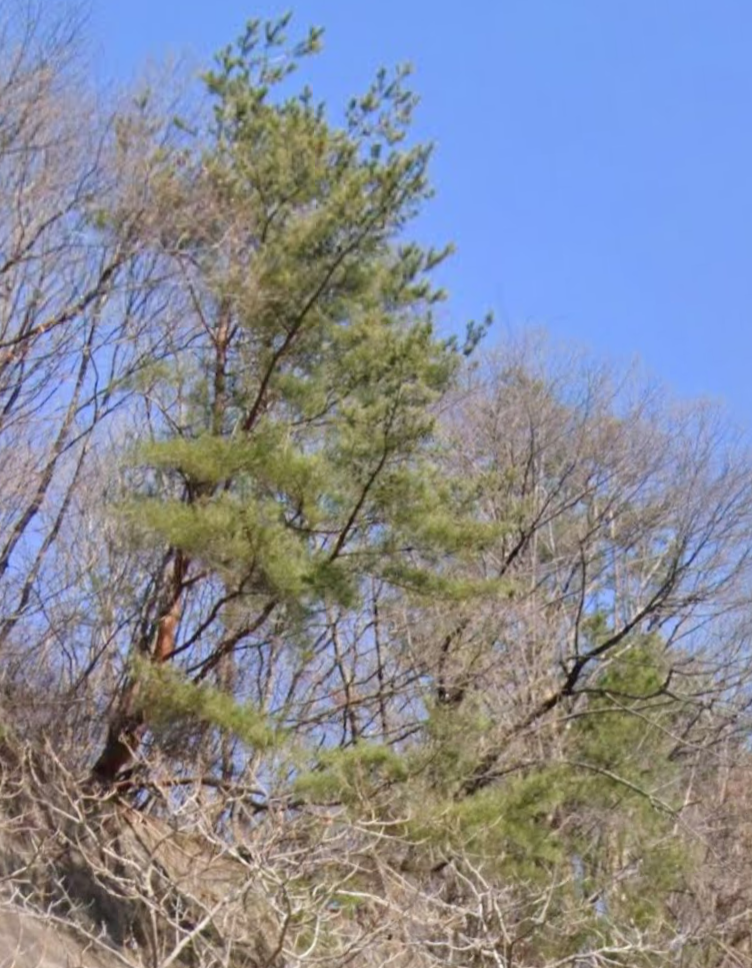
A pine with reddish bark and green-brownish needles. It is very easily noticeable.
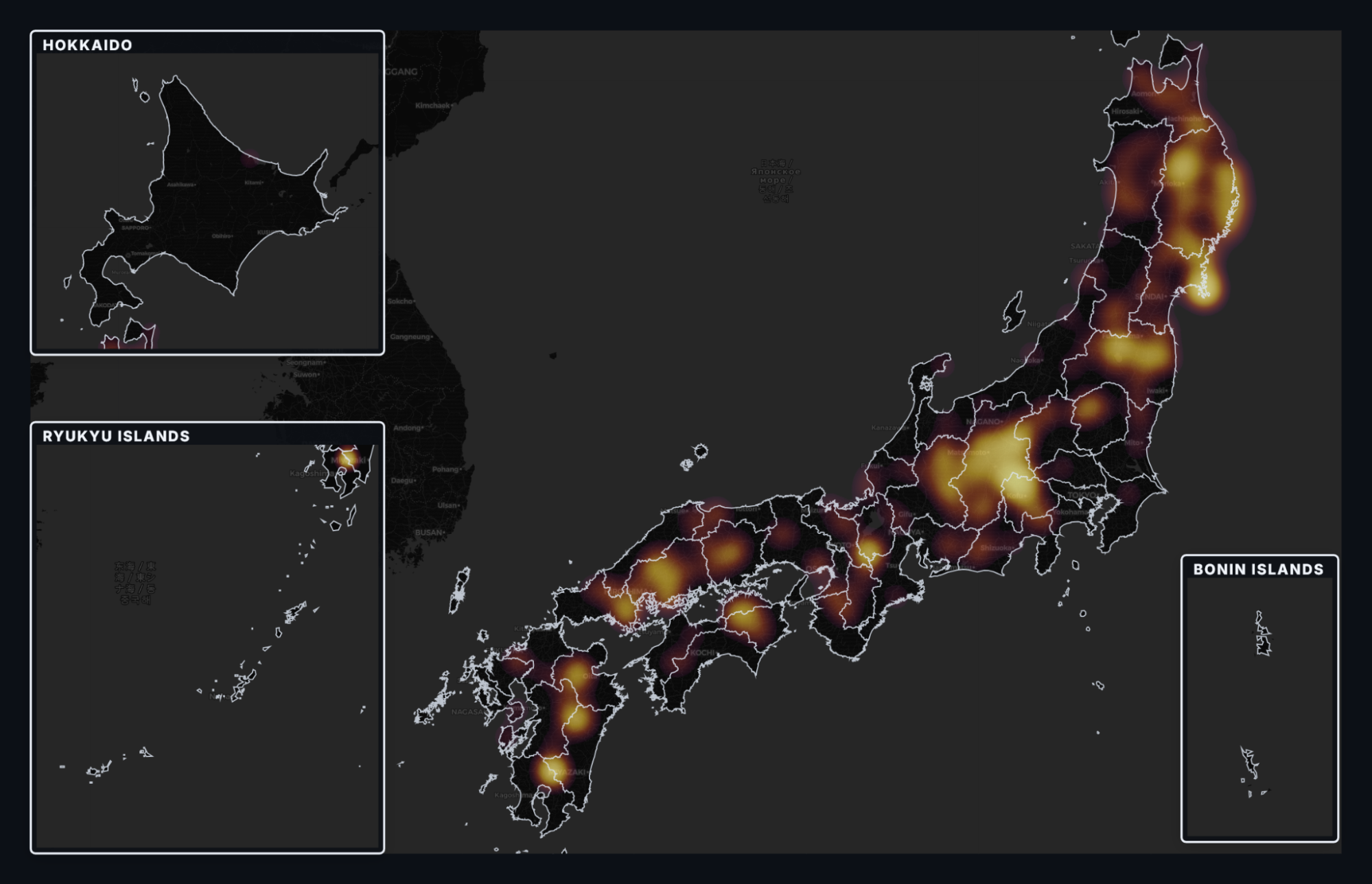
It is found around mountainous regions of Japan, particularly common in Nagano and Fukushima. It can be useful to learn the clusters in other regions too.
Pinus luchuensis (Luchu Pine/琉球松)
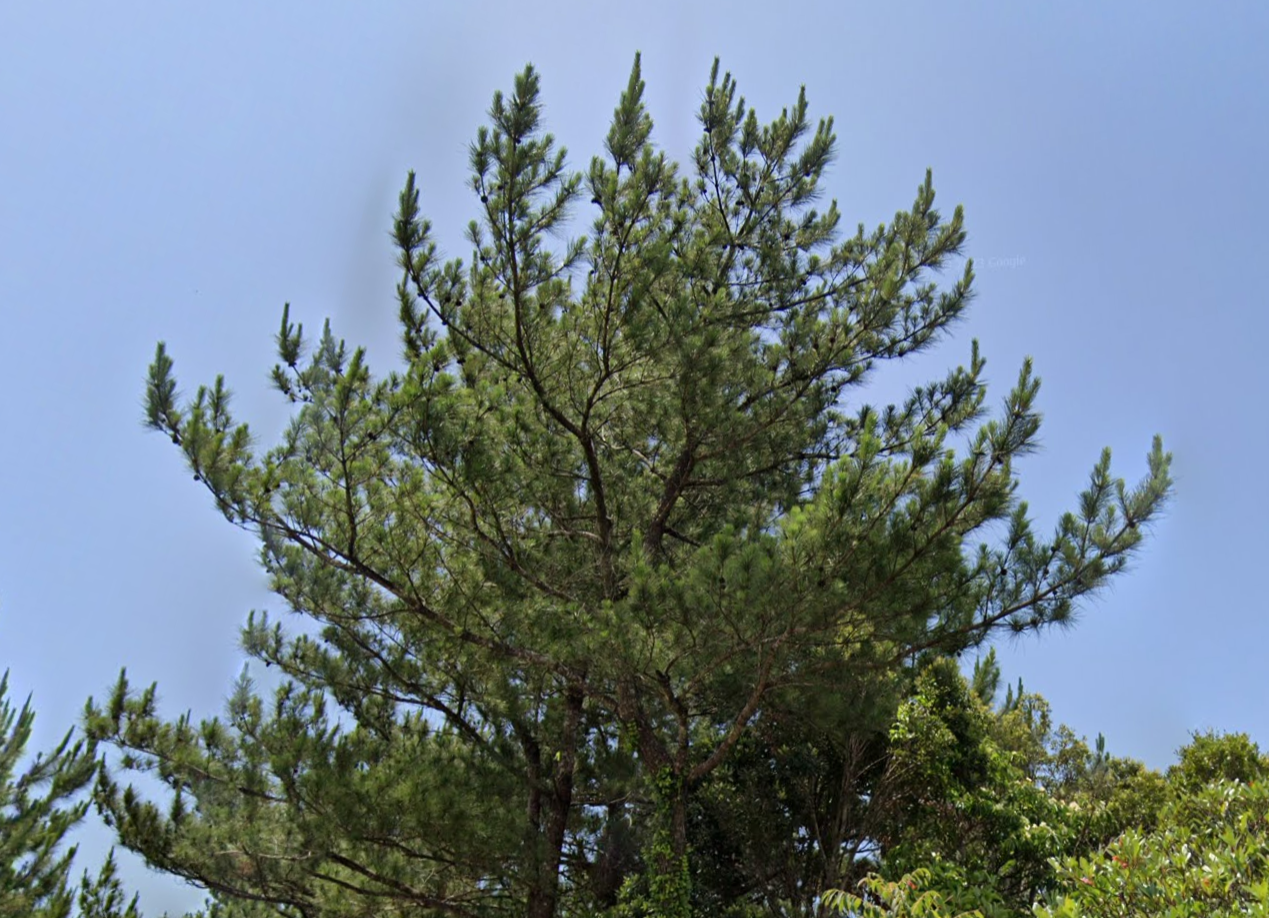
Has an open flat-topped crown with branches angled upwards. It is also usually smaller than other pines in Japan.
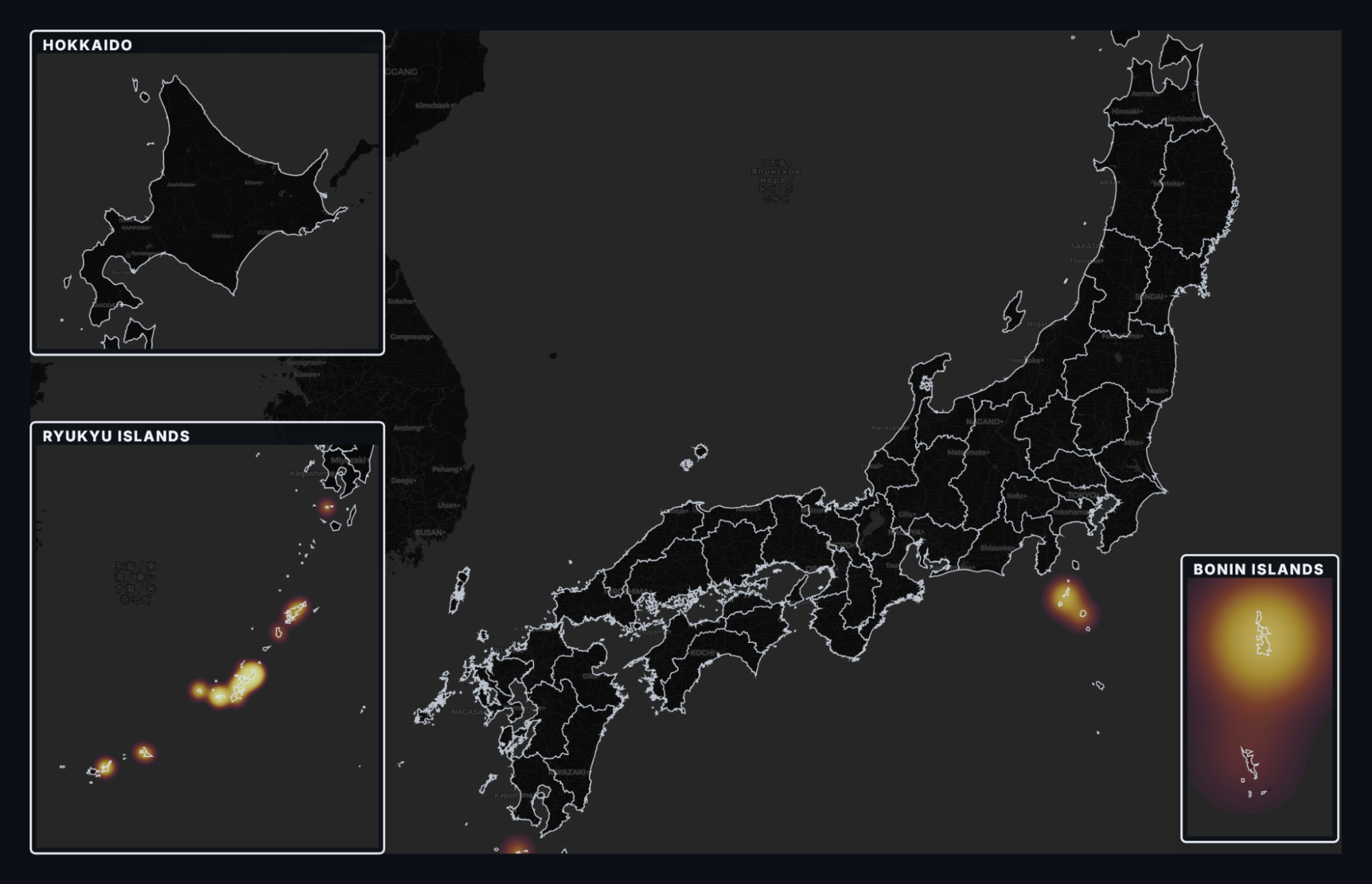
Found on the Ryukyu and Tokyo Islands.
Pinus parviflora (Japanese White Pine/五葉松)
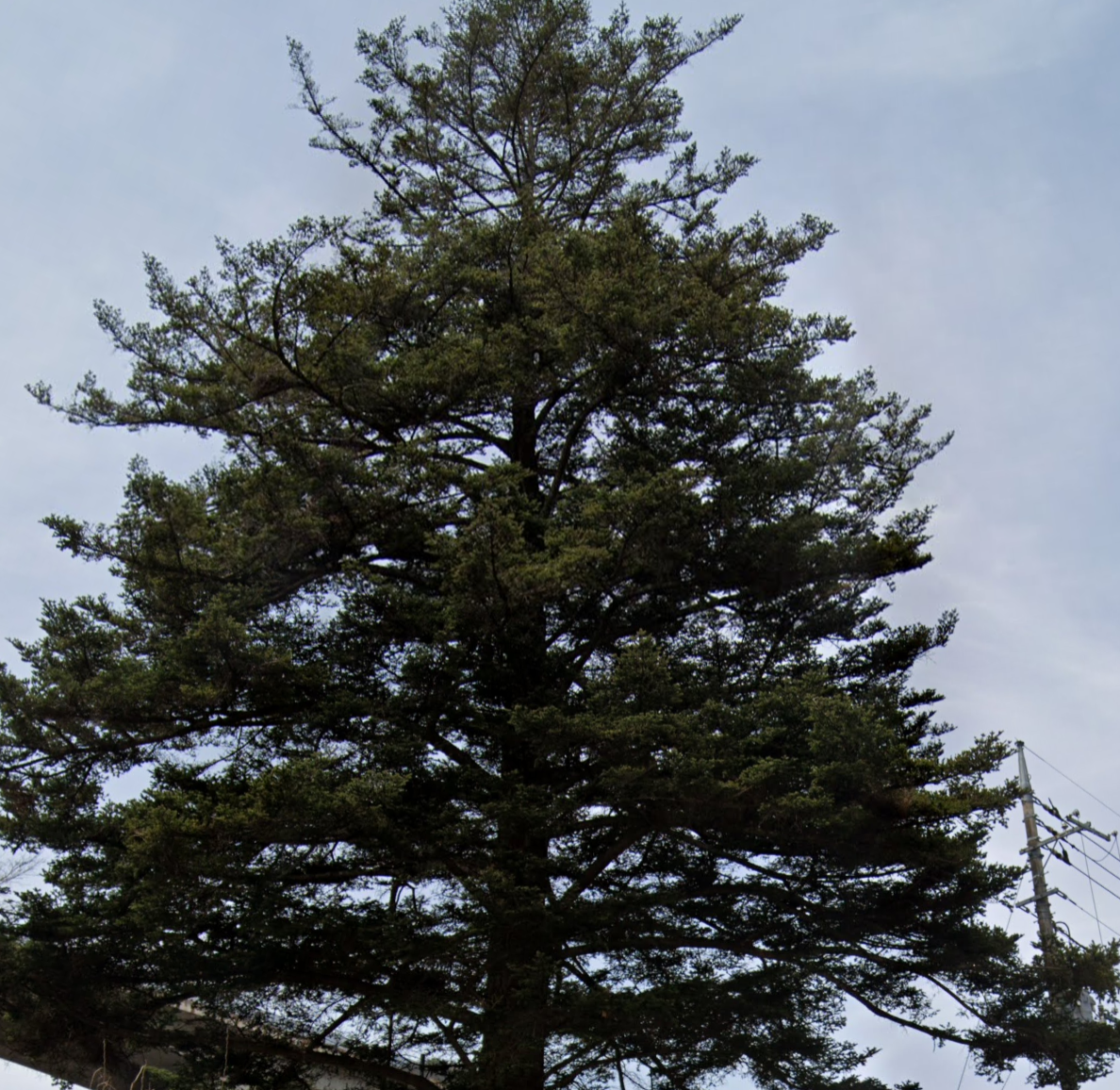
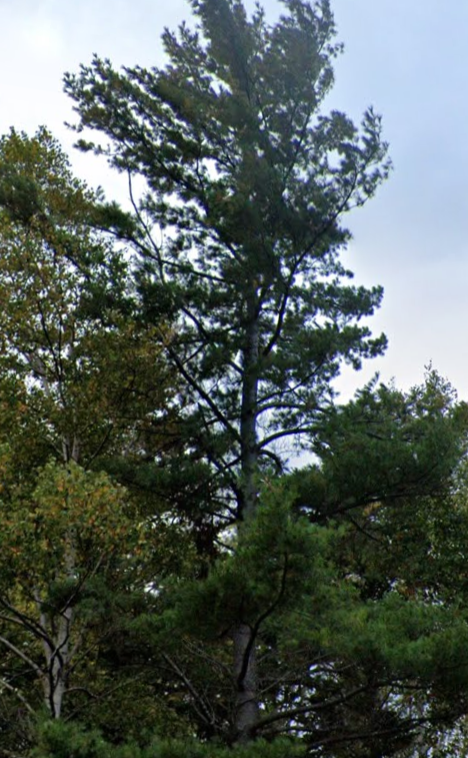
A species of soft pine that has a wide, dense conical crown.
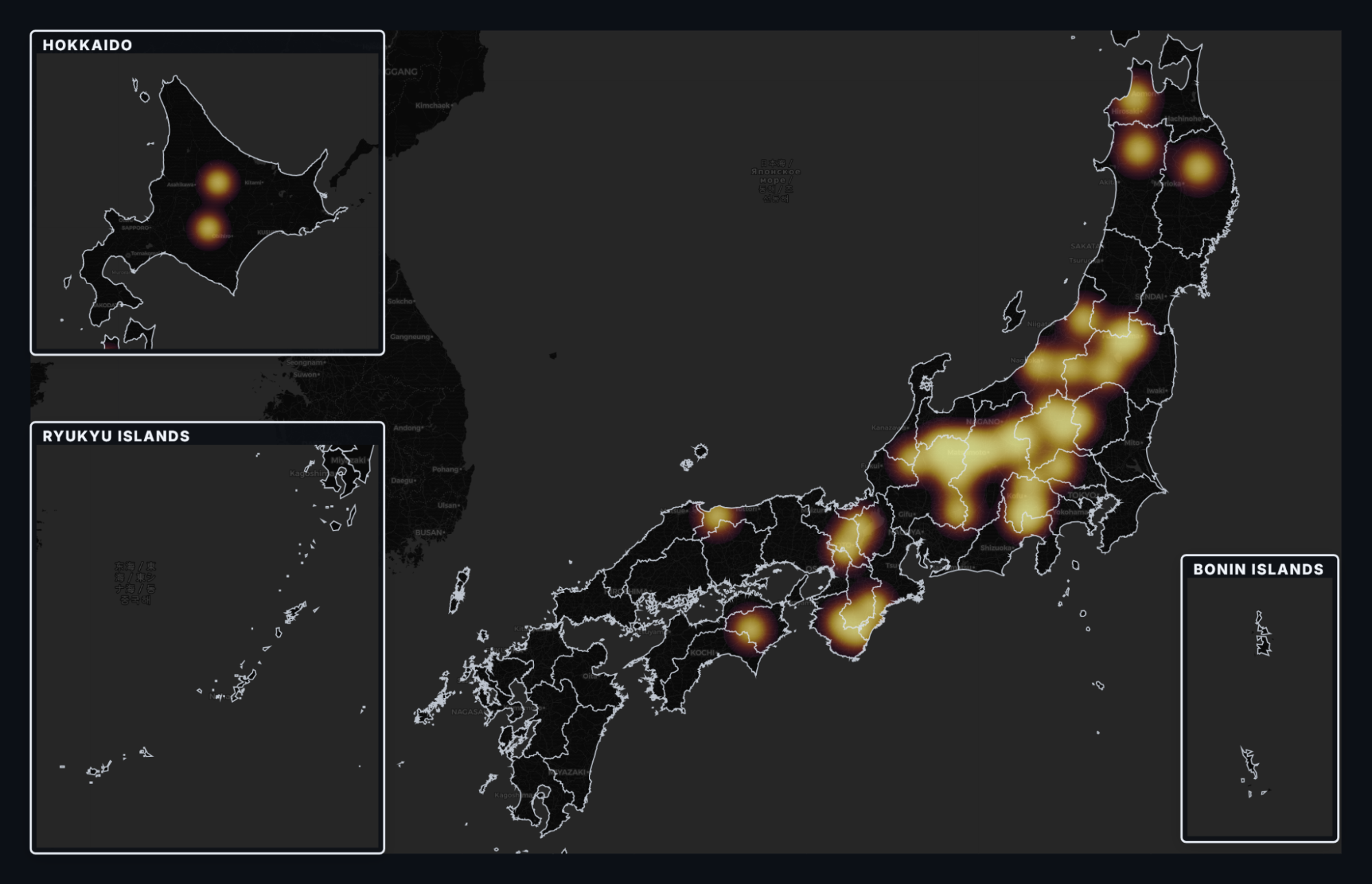
Found in high elevation on Honshu and Hokkaido.
Pinus thunbergii (Japanese Black Pine/黒松)
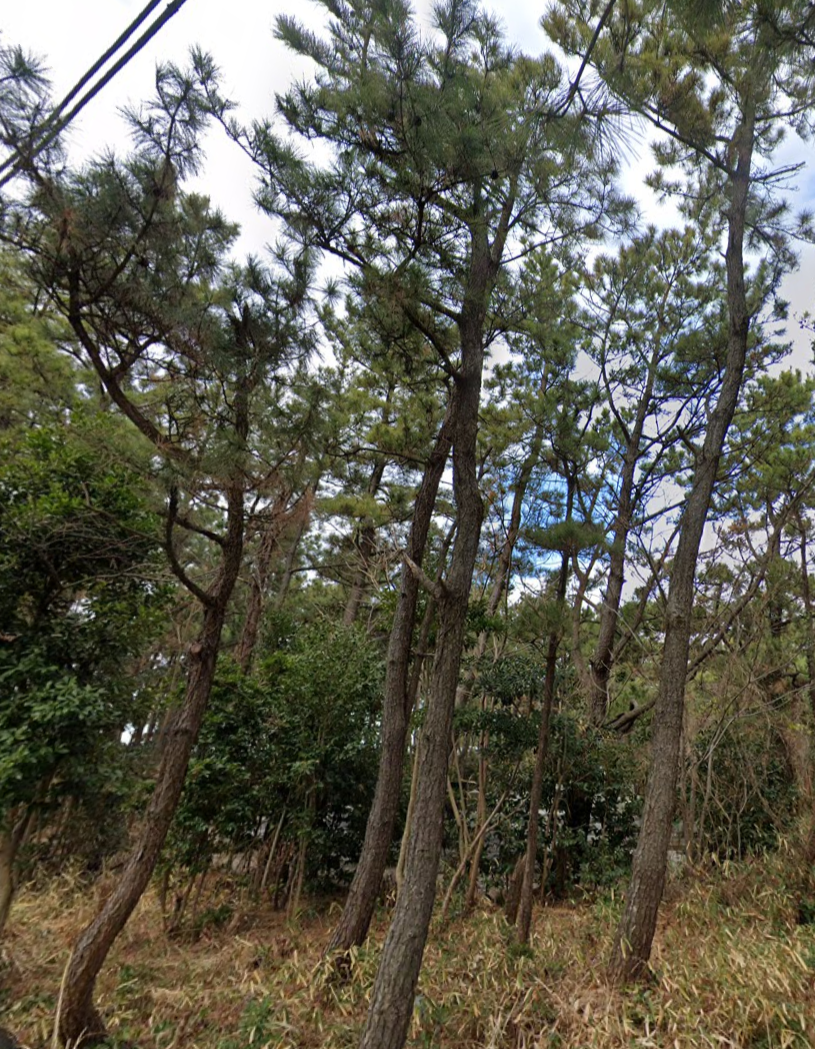
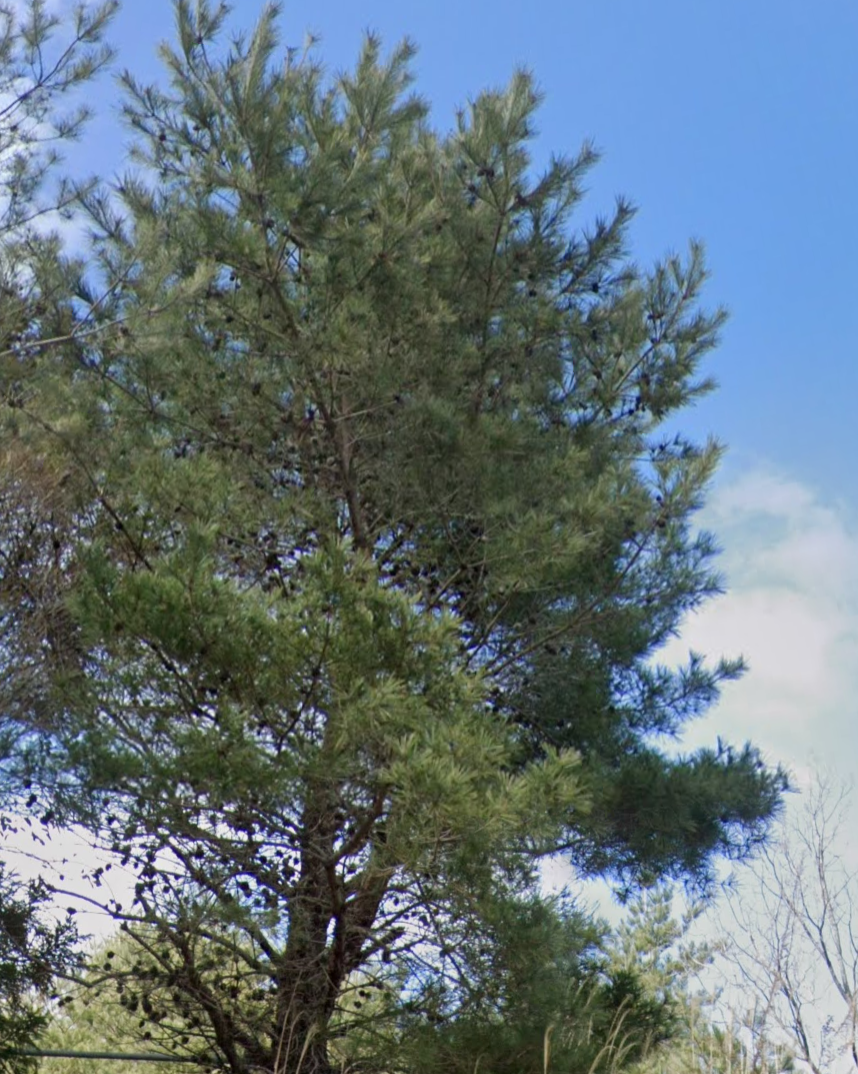
A pine featuring a black bark with dark green needles.
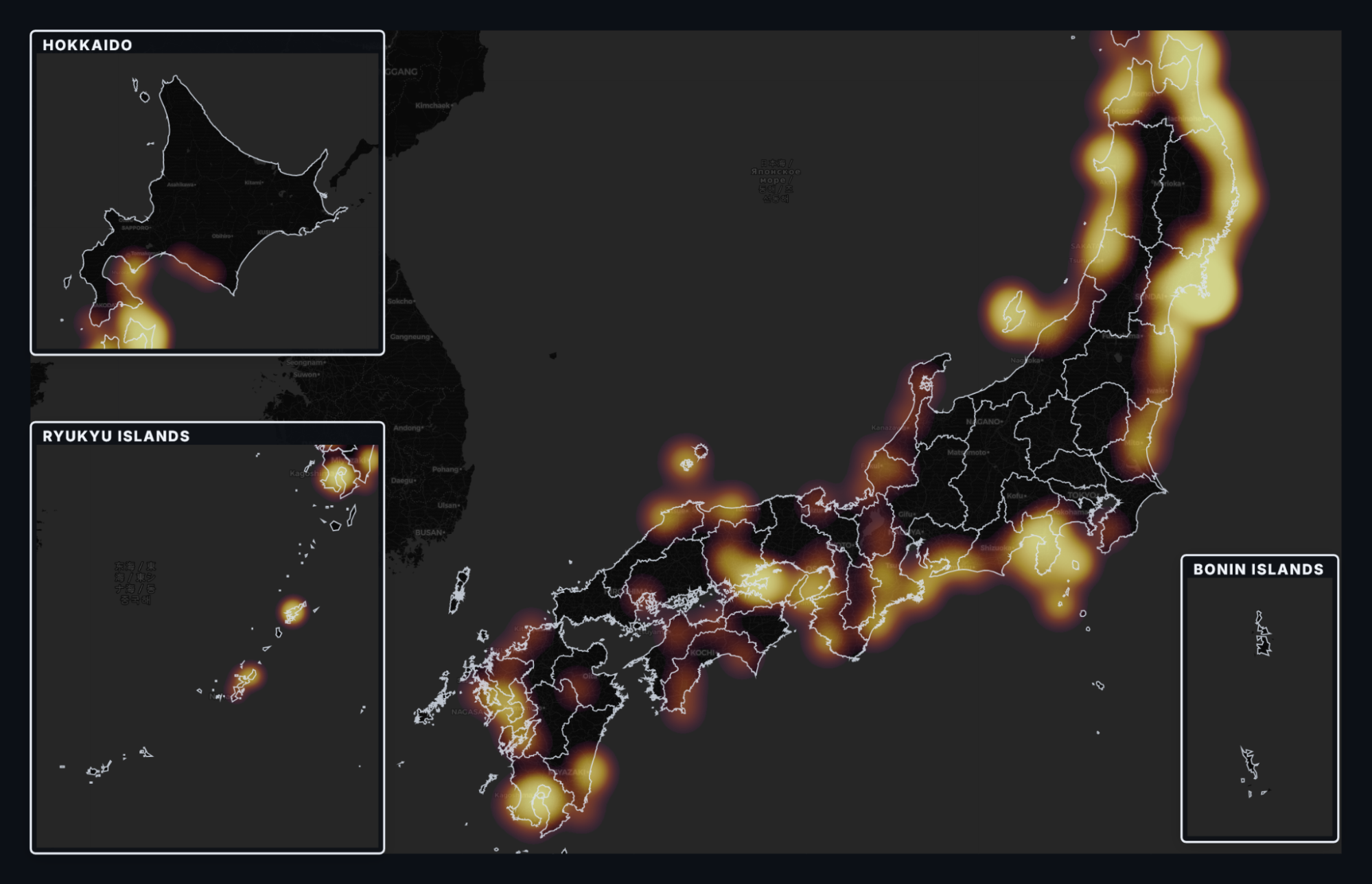
It is found in coastal places from southern Hokkaido all the way down to Okinawa main island.
Spruce
Picea glehnii (Glehn's Spruce/赤蝦夷松)
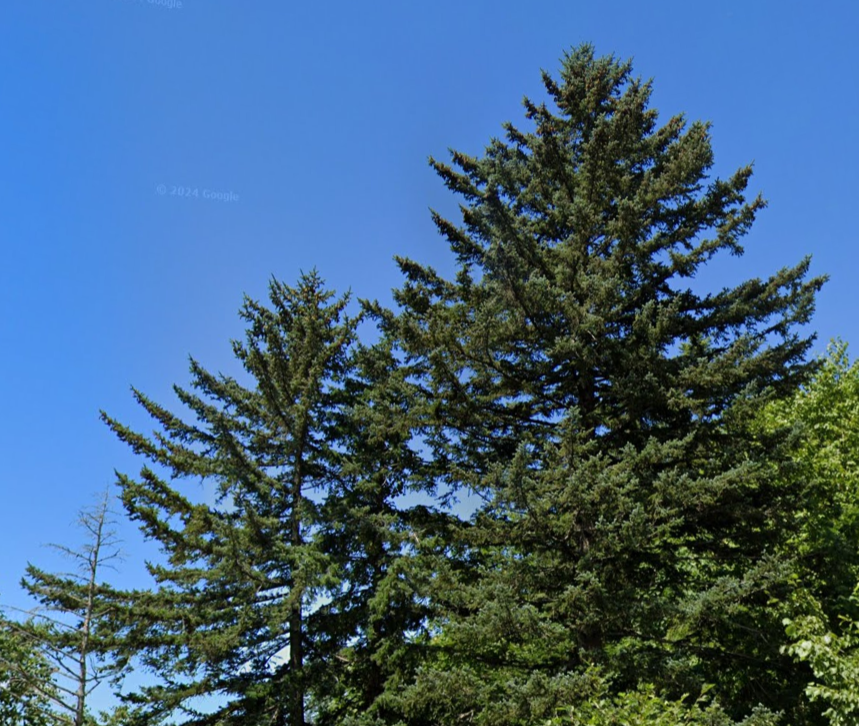
Branches curve upwards slowly and look mossy from the needles.
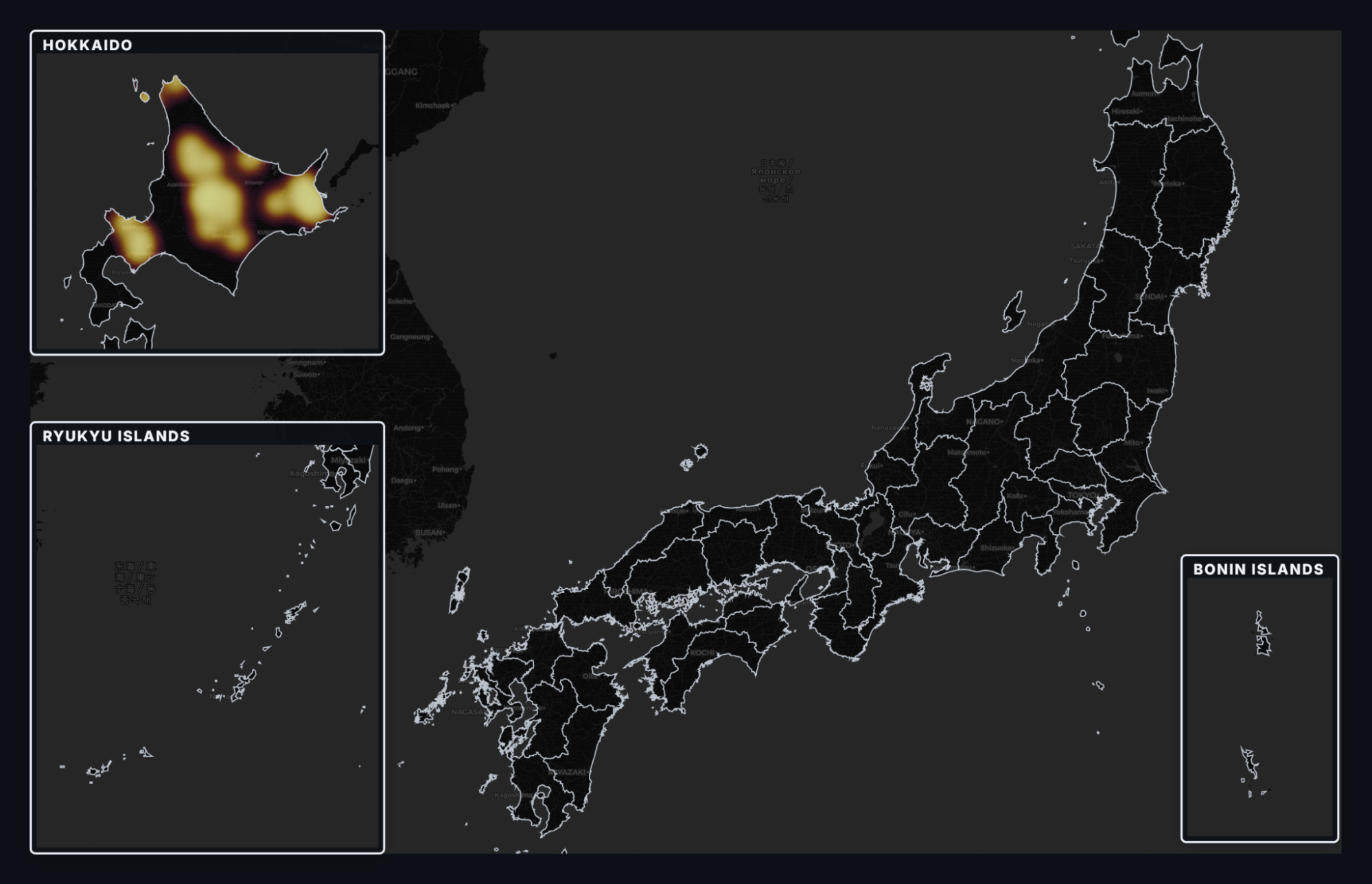
Native to Hokkaido.
Picea jezoensis (Jezo Spruce/蝦夷松)
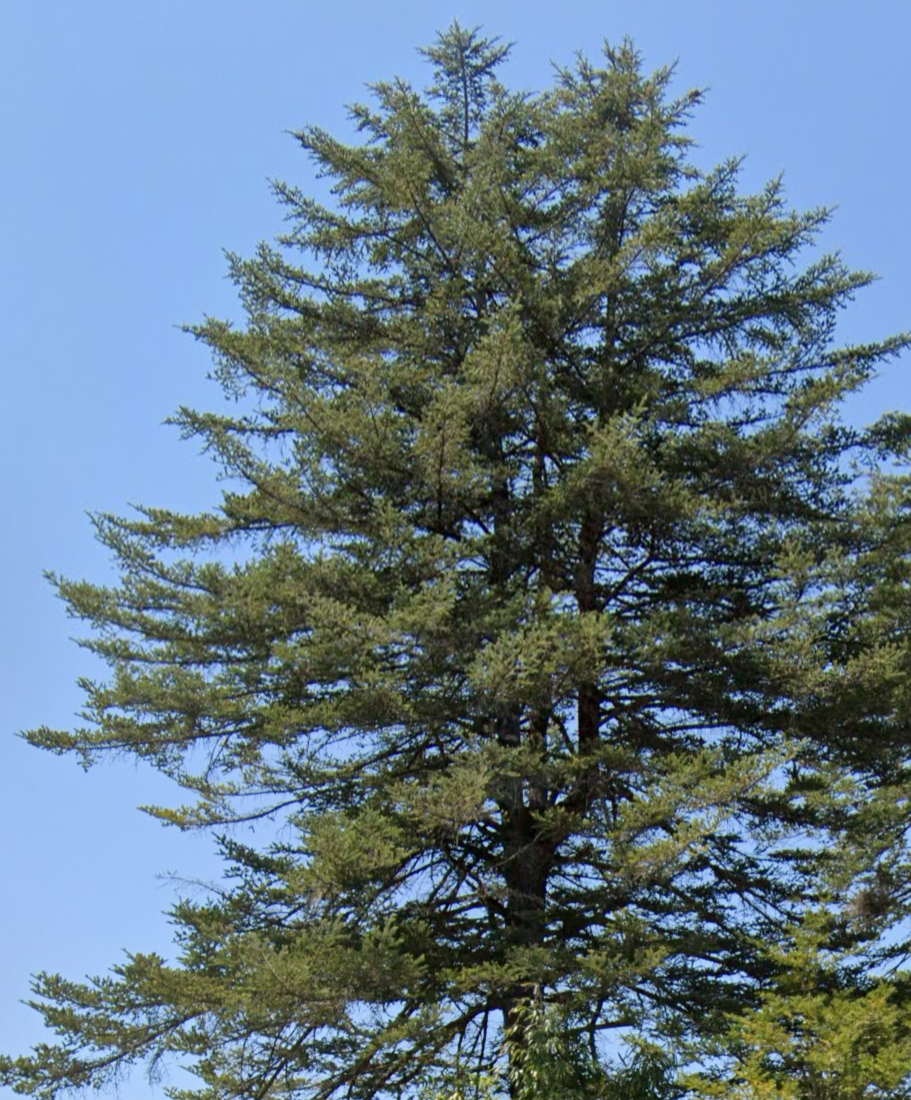
Branches curve more messily than Glehn’s Spruce.
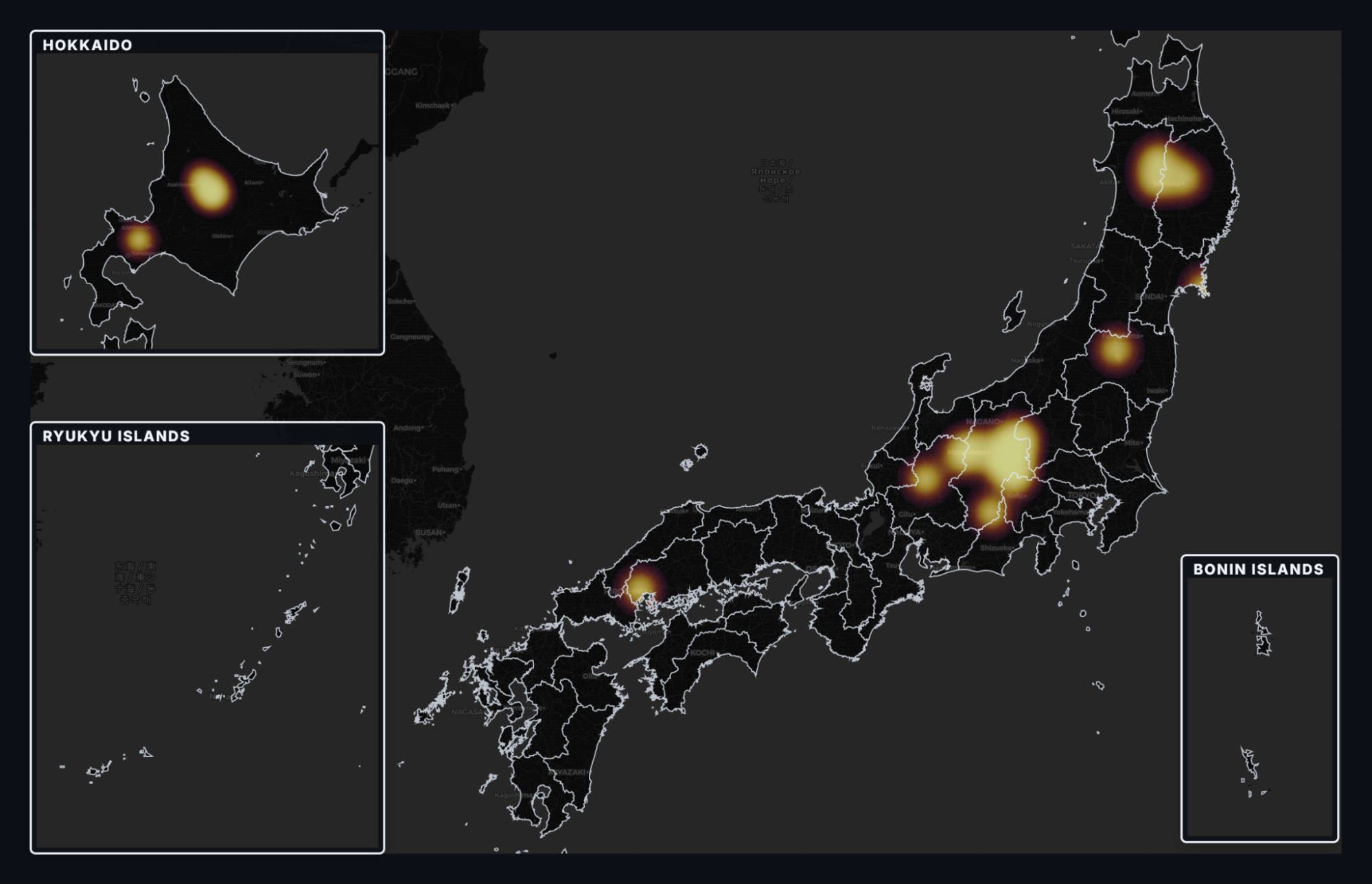
Mostly found on the mountains of Nagano but could be found up to Hokkaido.
Thujopsis
Thujopsis dolabrata (Hiba)
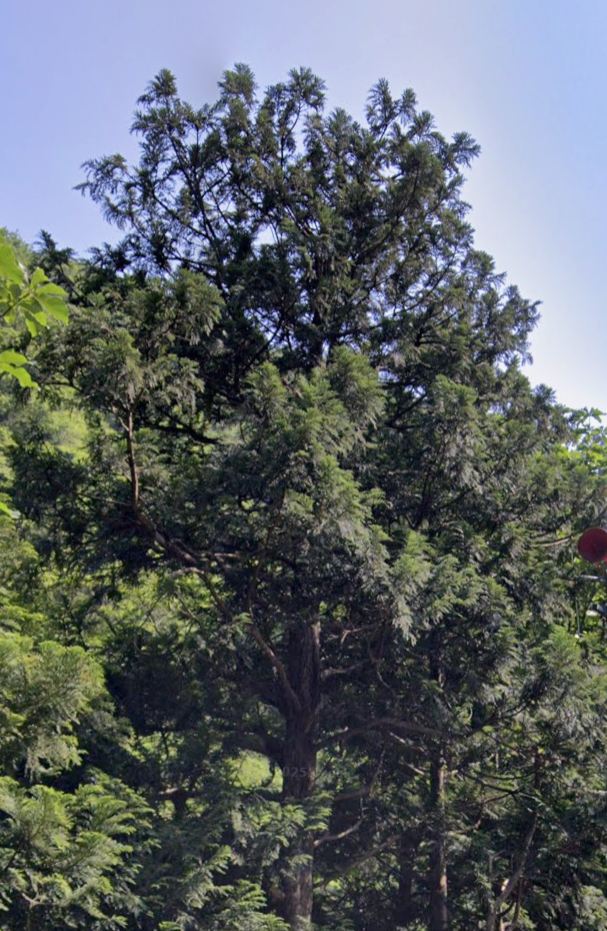
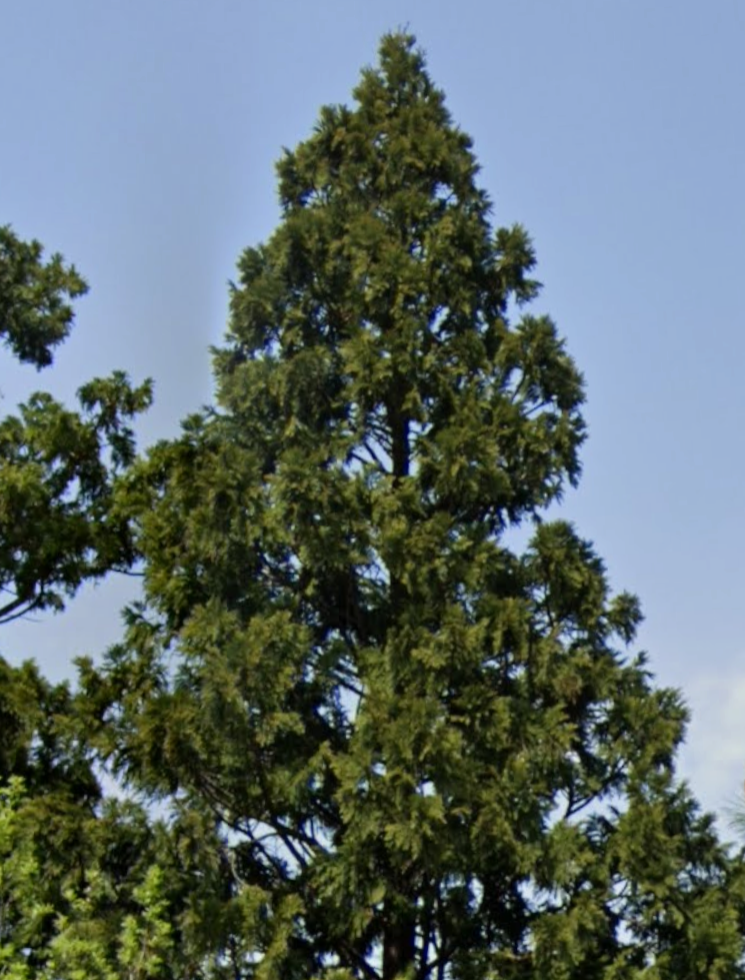
Looks like a more furry Sugi if that even makes sense.
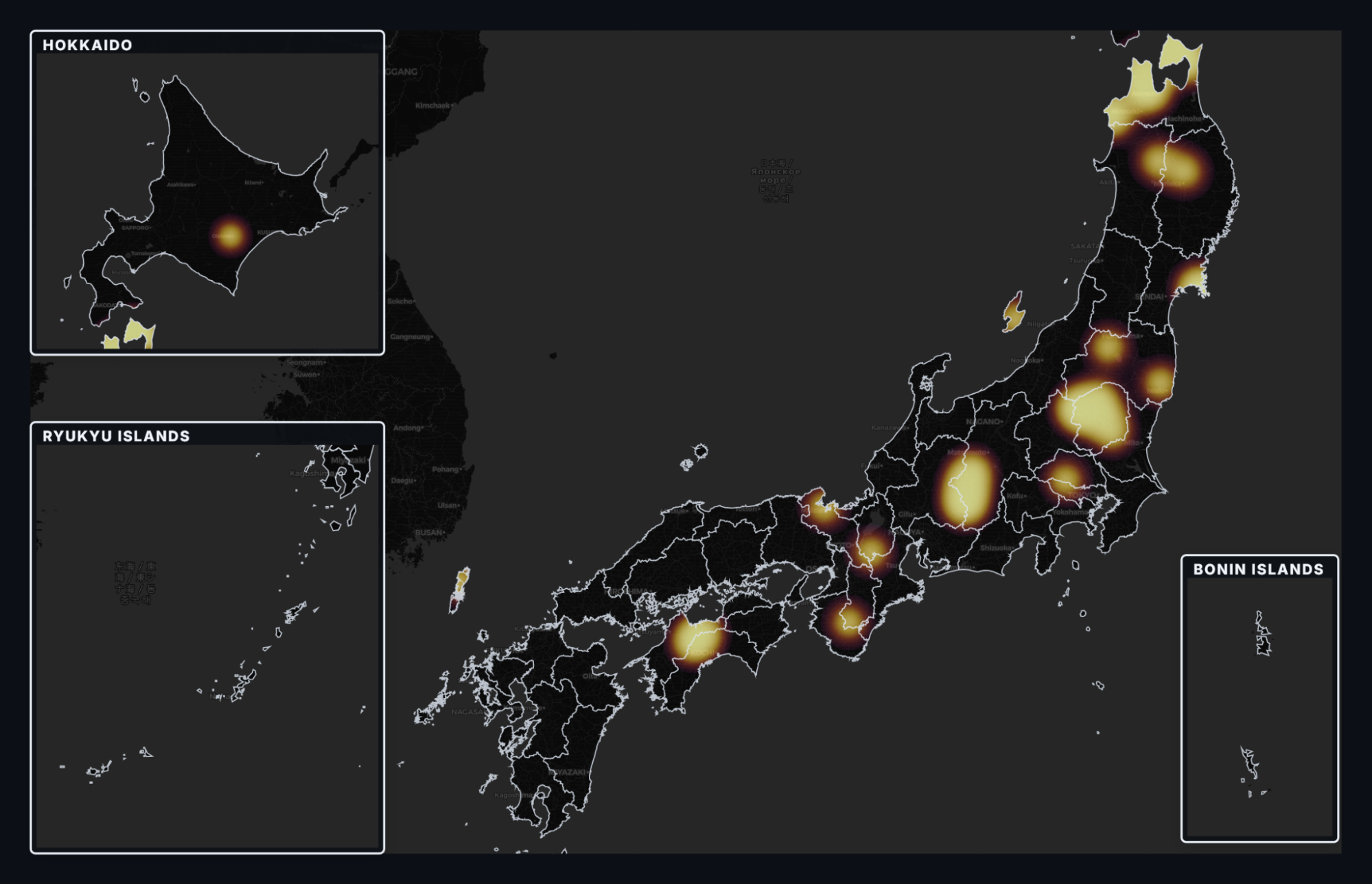
The densest forests are in Aomori but individual trees can be found elsewhere.
Laurels
Camphora
Camphora officinarum (Camphor/樟)
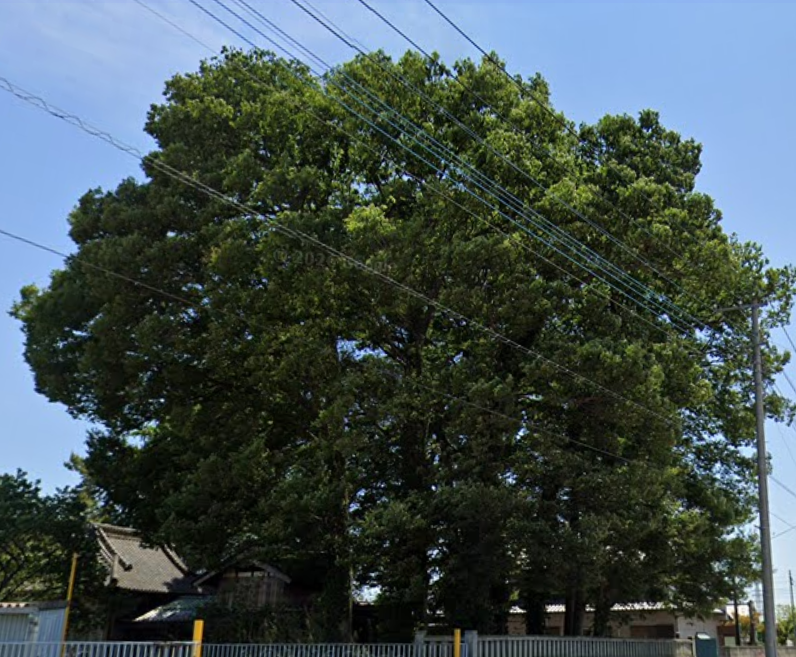
The canopy of the tree is rounded and puffy. The leaves have a glossy, waxy appearance up close.
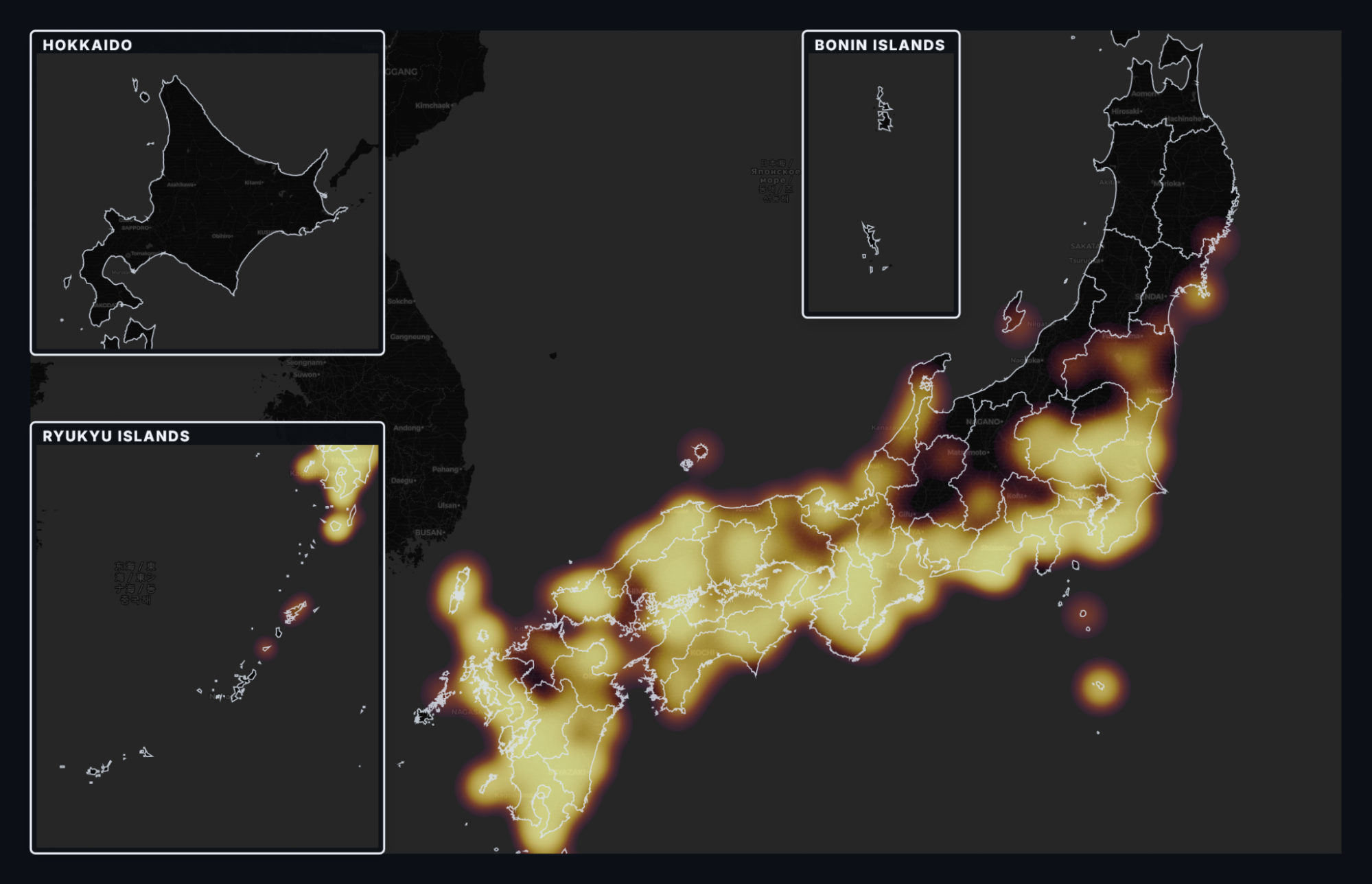
Can be found anywhere southern from the top of the Kanto plains.
Machilus
Machilus thunbergii (Japanese Bay Tree/Red Machilus)
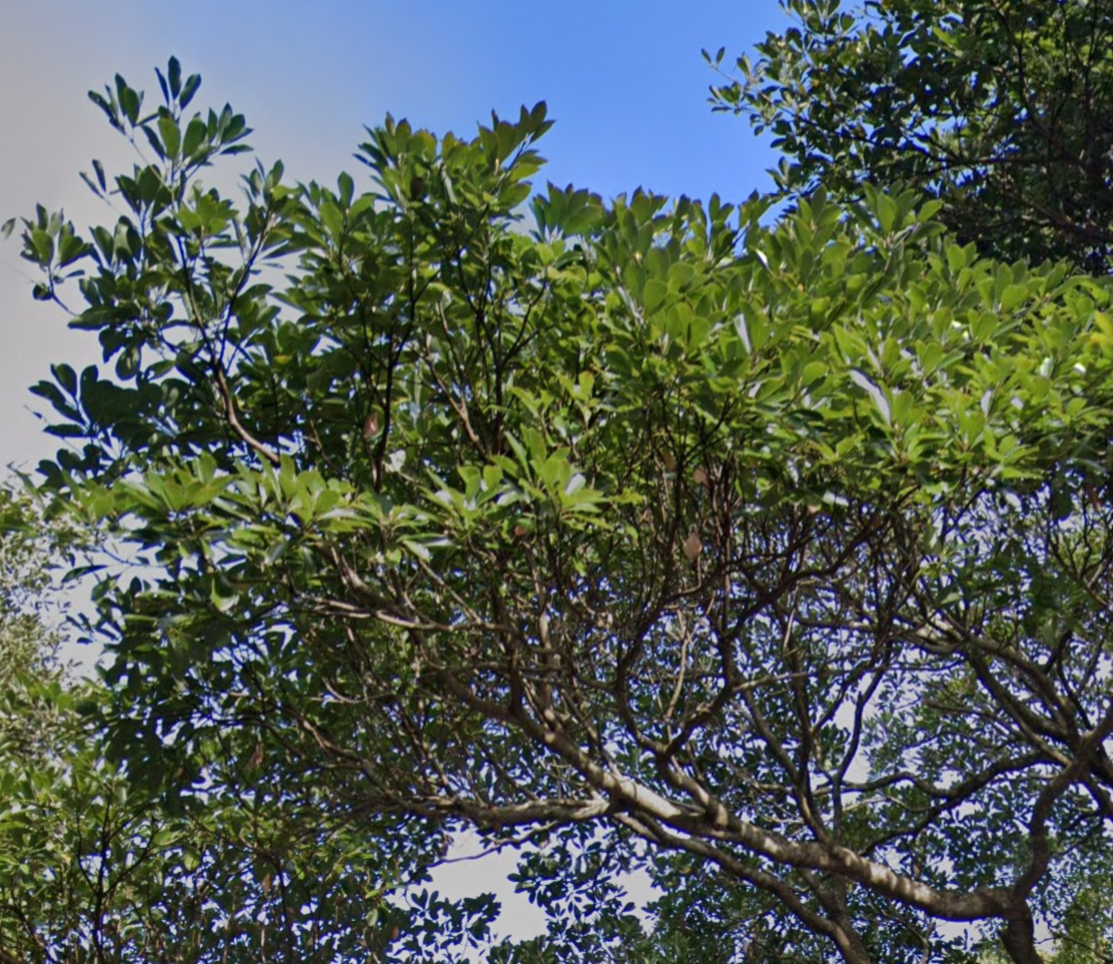
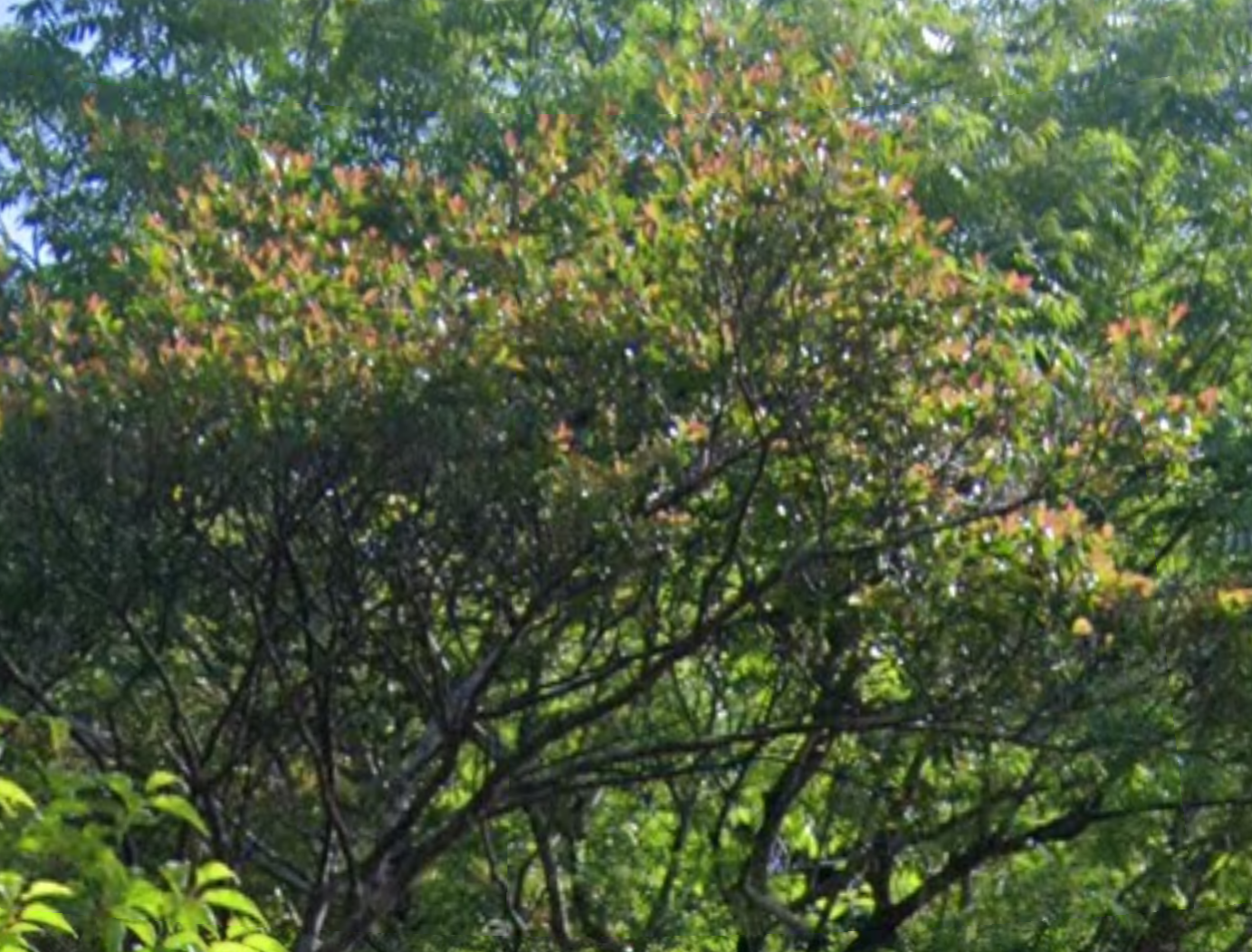
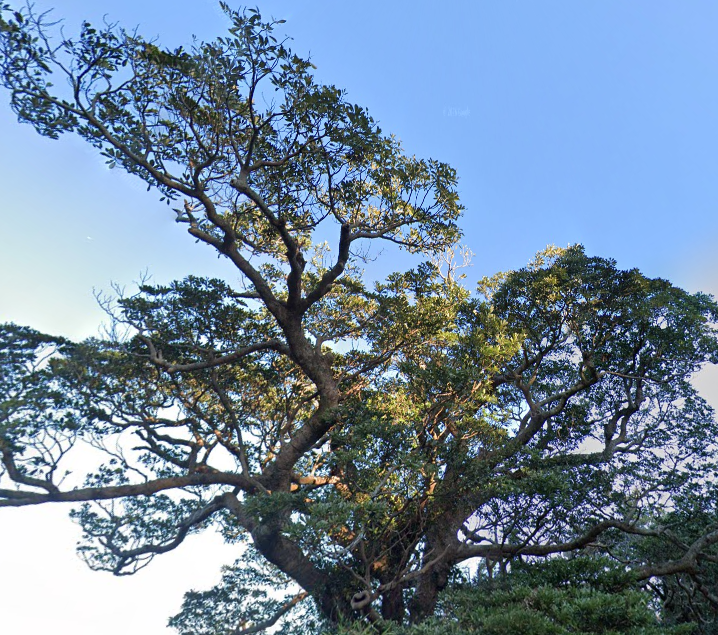
It is an evergreen tree that has long leathery leaves that points upwards. On big trees, the branches grow very messily. Sometimes it produces red flowers which makes it look like it's glowing from afar.
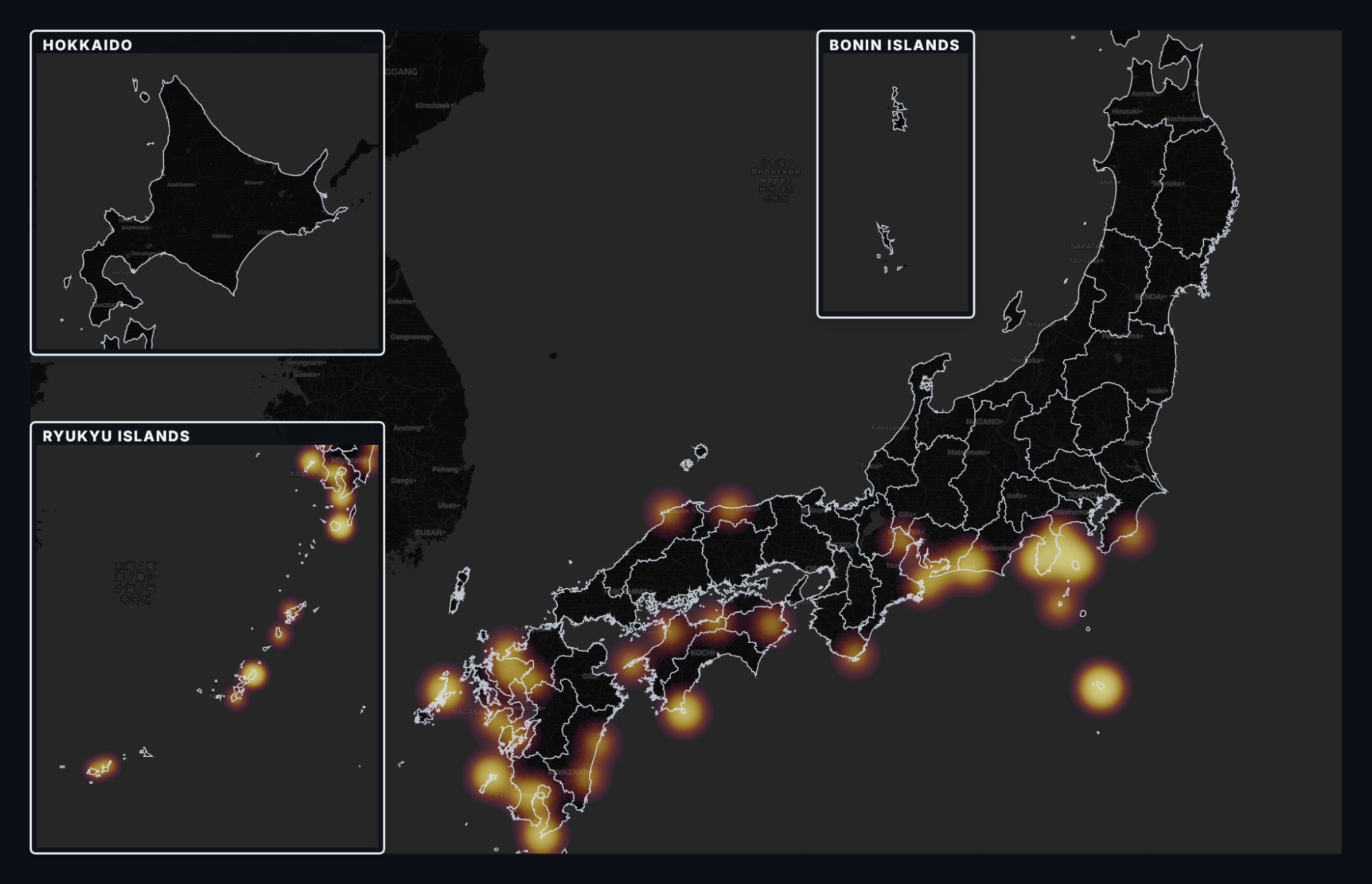
As the name suggests, it grows in coastal Japan, often southern.
Litsea
Litsea acuminata (Nanto Actinodaphne)
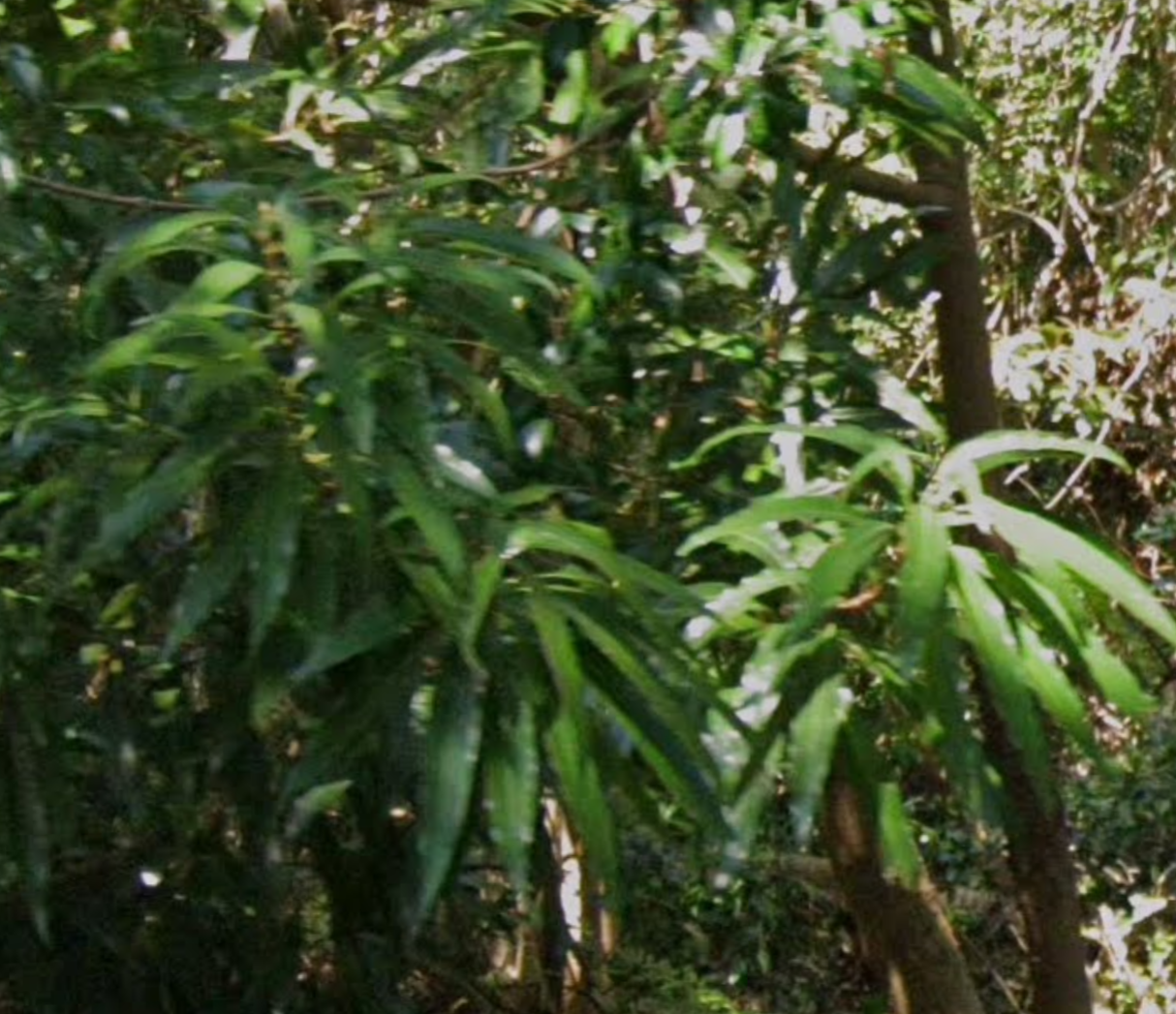
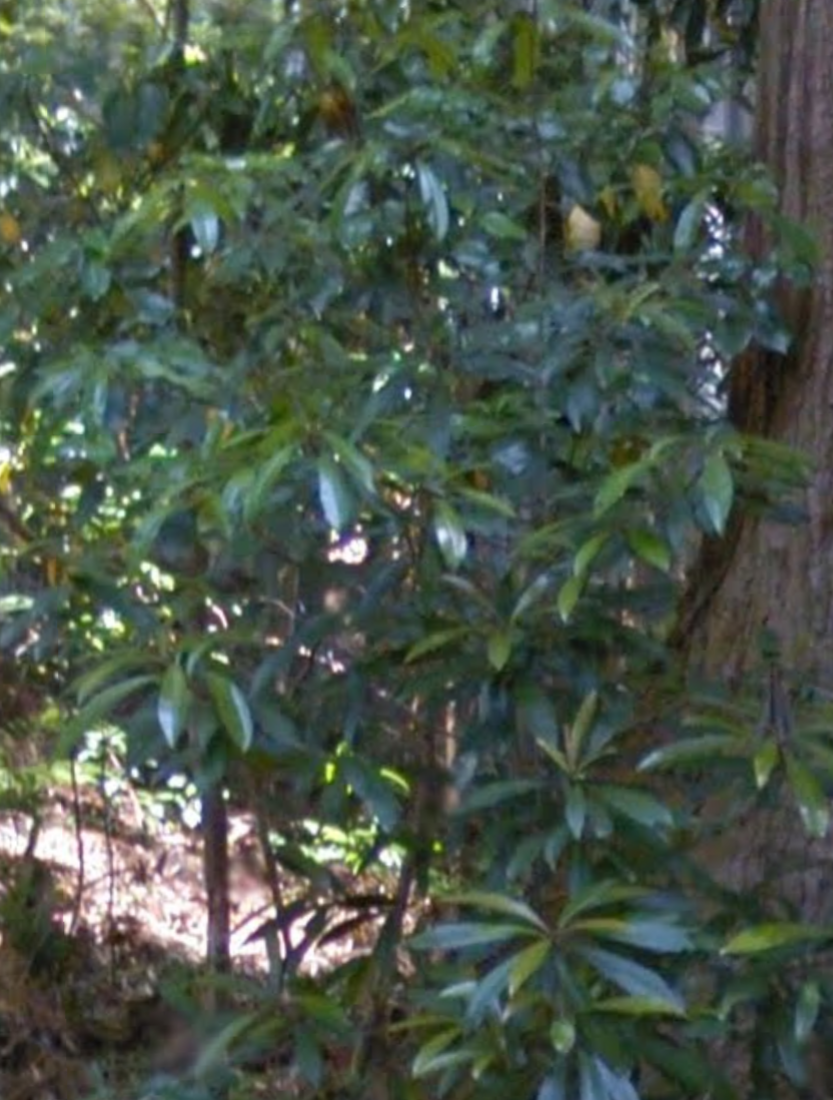
A medium sized tree with long very dark green leaves in a circular pattern.
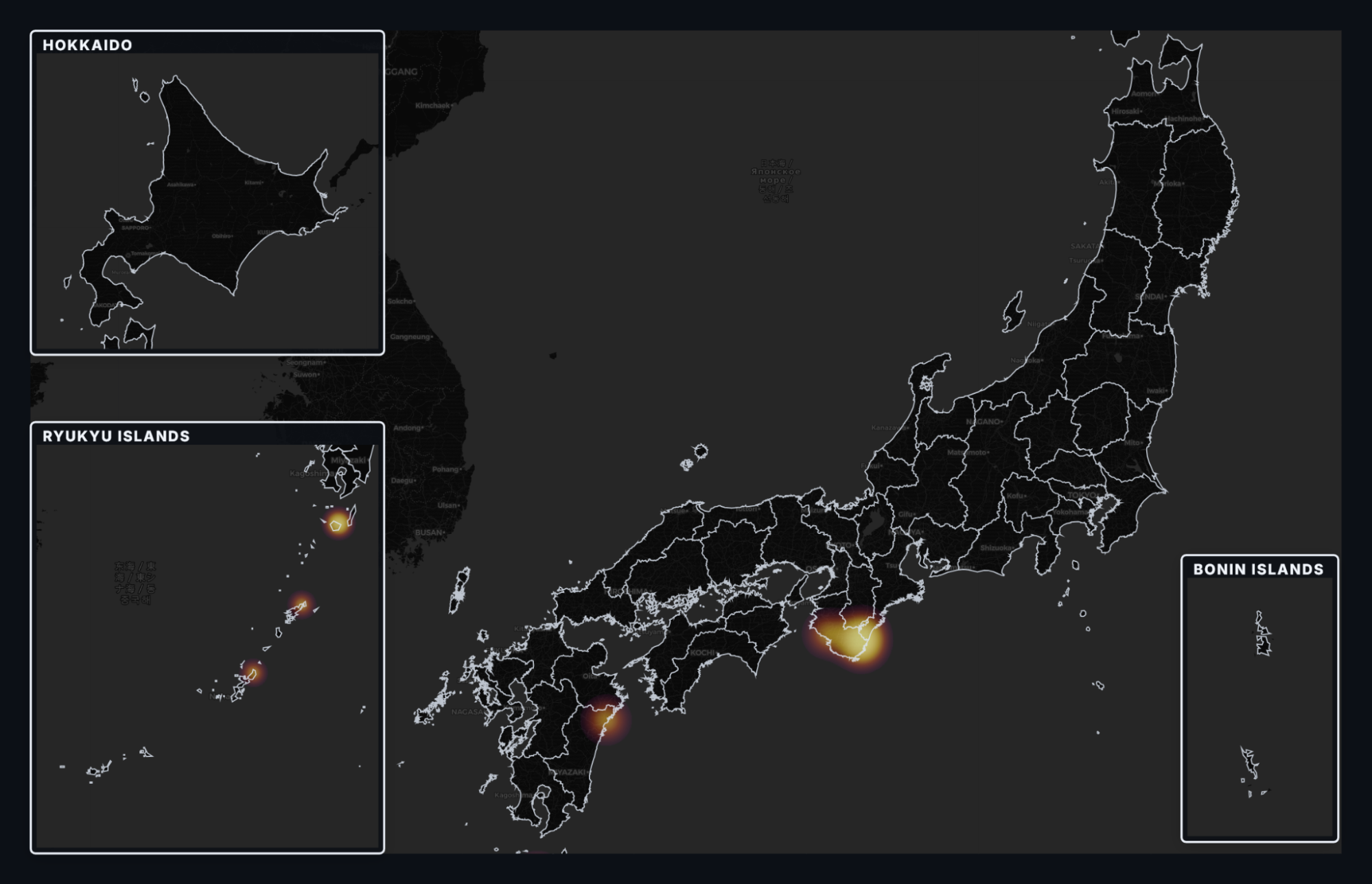
Found in the south, particularly common in the Kii Peninsula.
Neolitsea
Neolitsea sericea (Shirodamo/Sericeous Newlitsea)
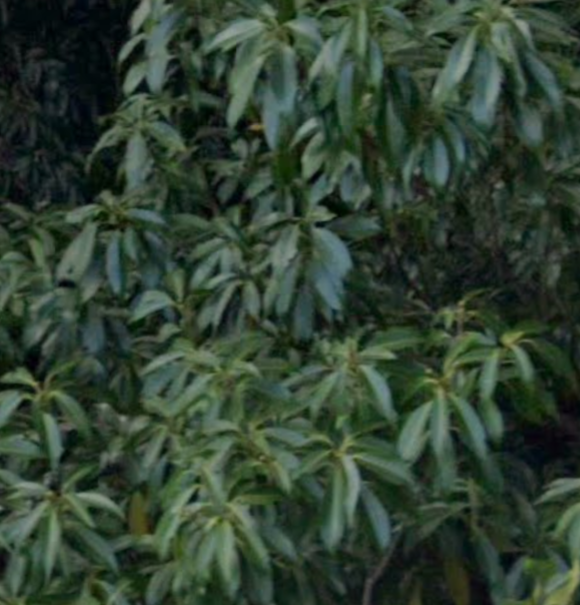
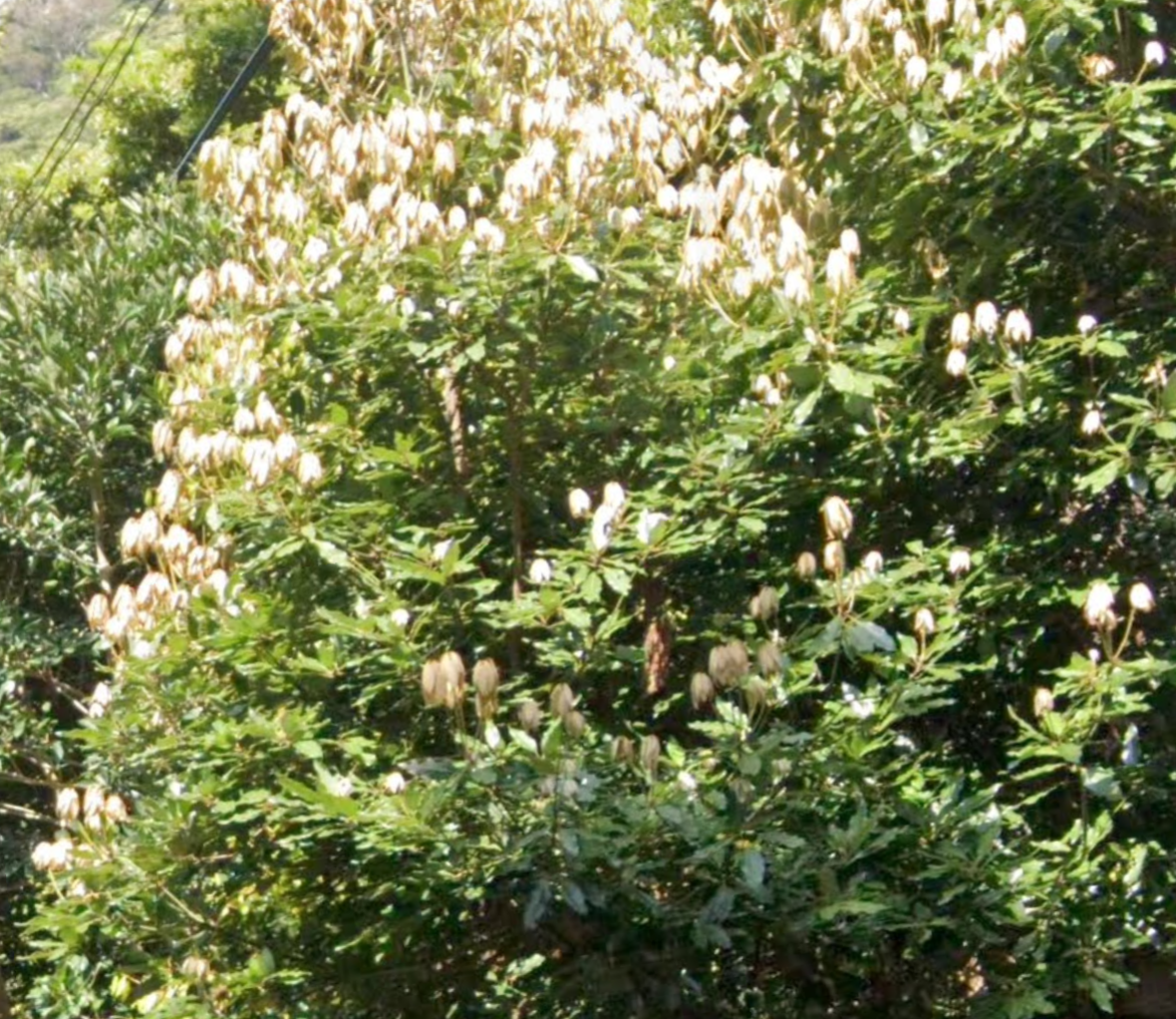
It is a medium sized tree with long evergreen leaves in a circular pattern and produces yellow flowers. The leaves are a little more blue than Litsea.
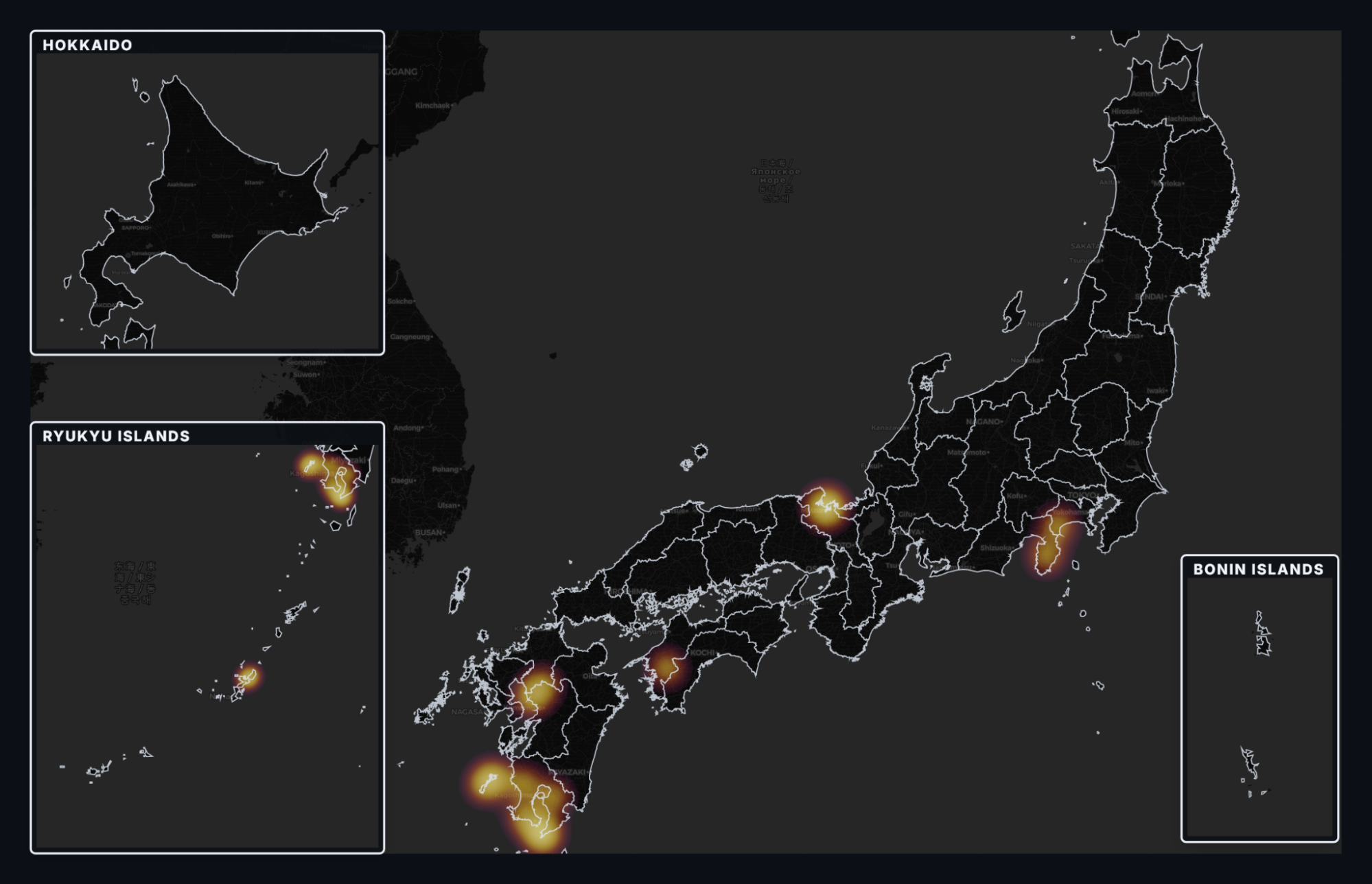
It is found mostly in the south and the Ryukyu Islands.
Legumes
Faboideae
Amorpha fruticosa (False Indigo Bush)
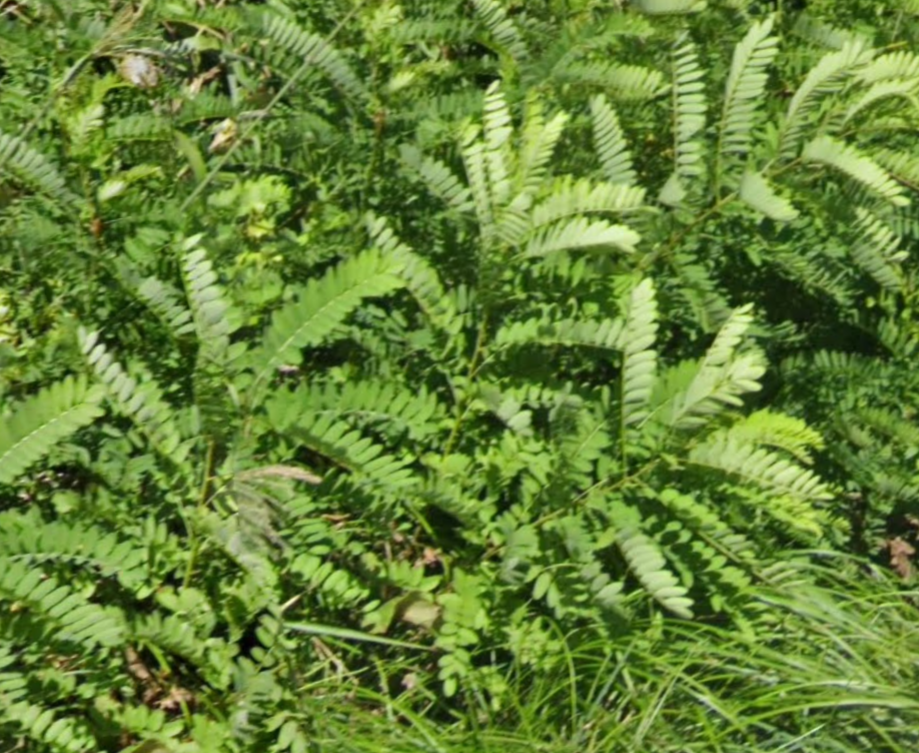
These shrubby mimosoid looking plants. The leaves are made up of many oval-shaped leaflets.
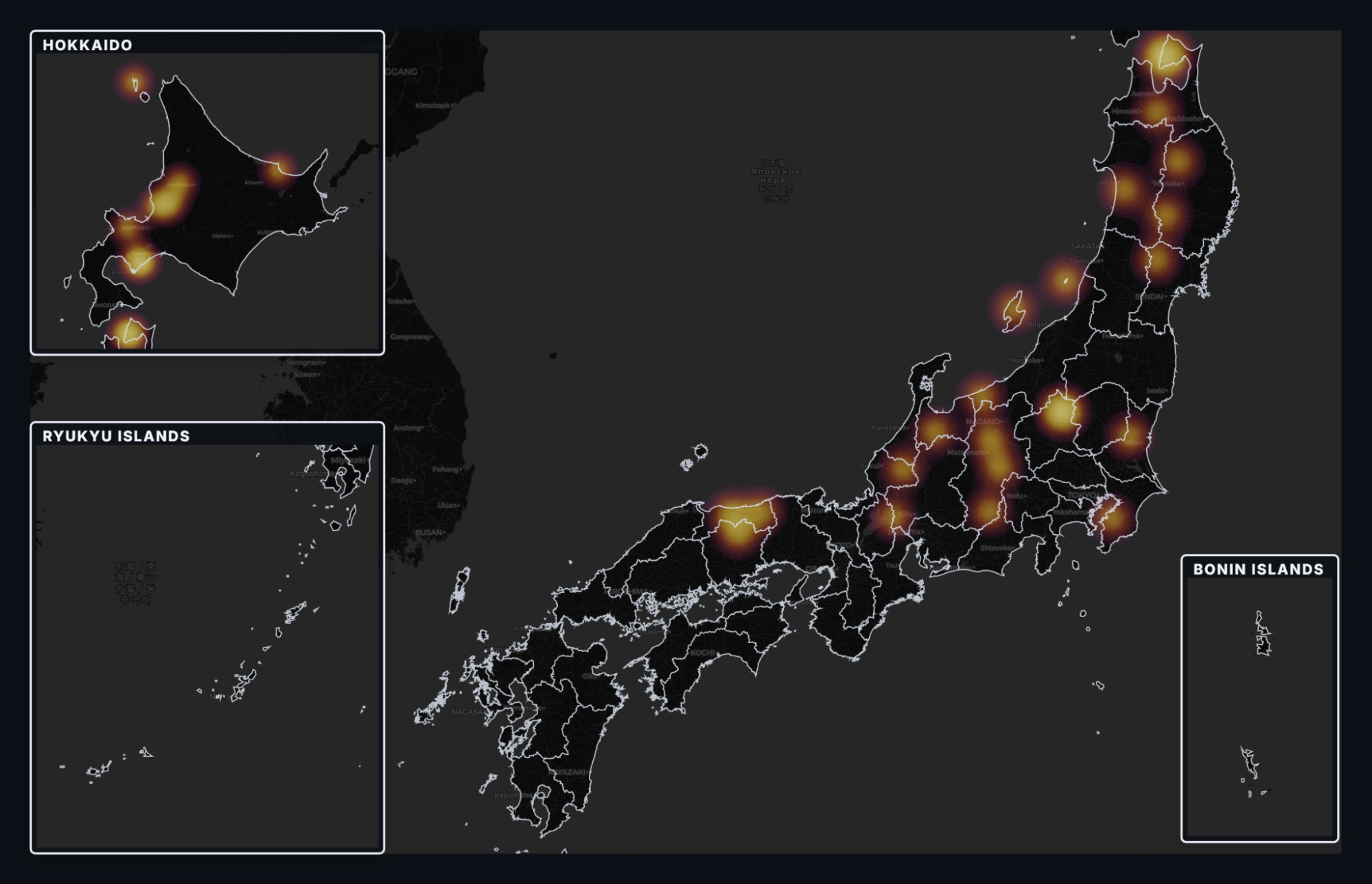
Mostly found in the north.
Pueraria montana (Kudzu)
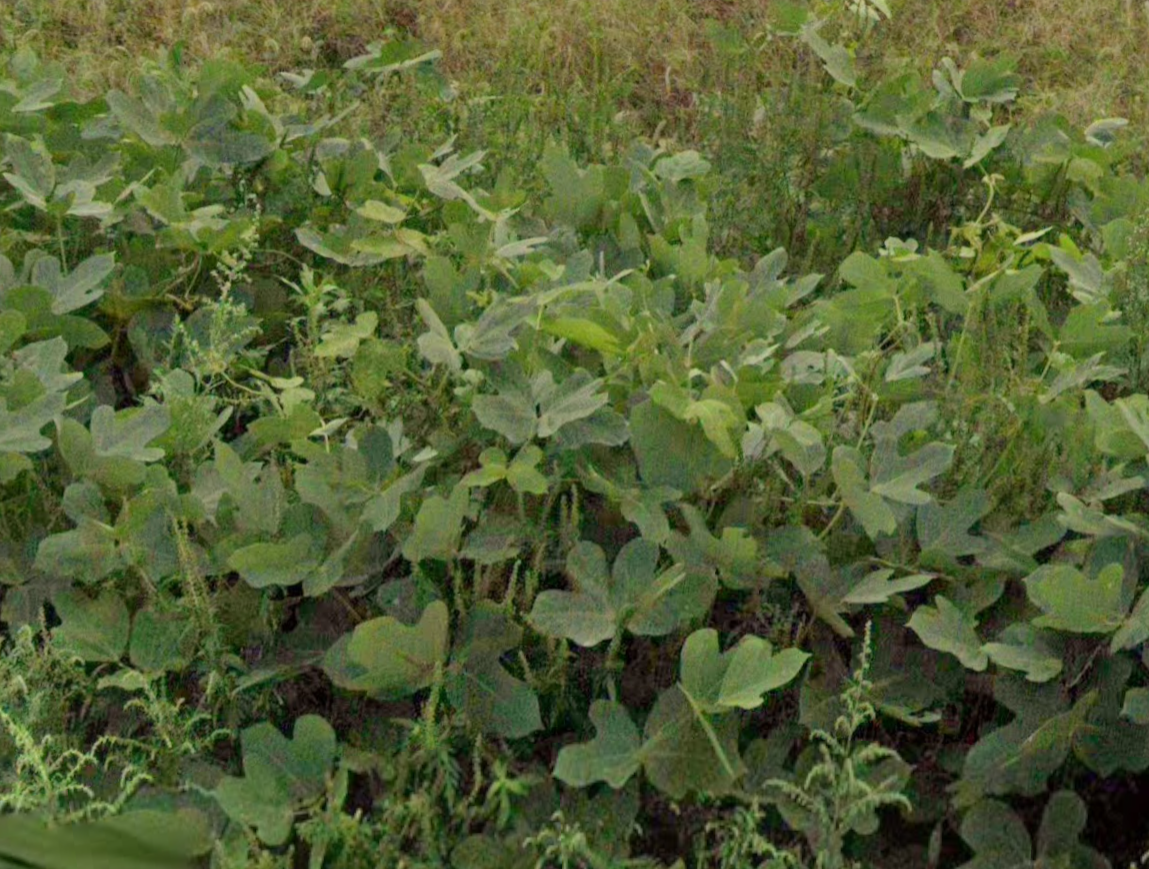
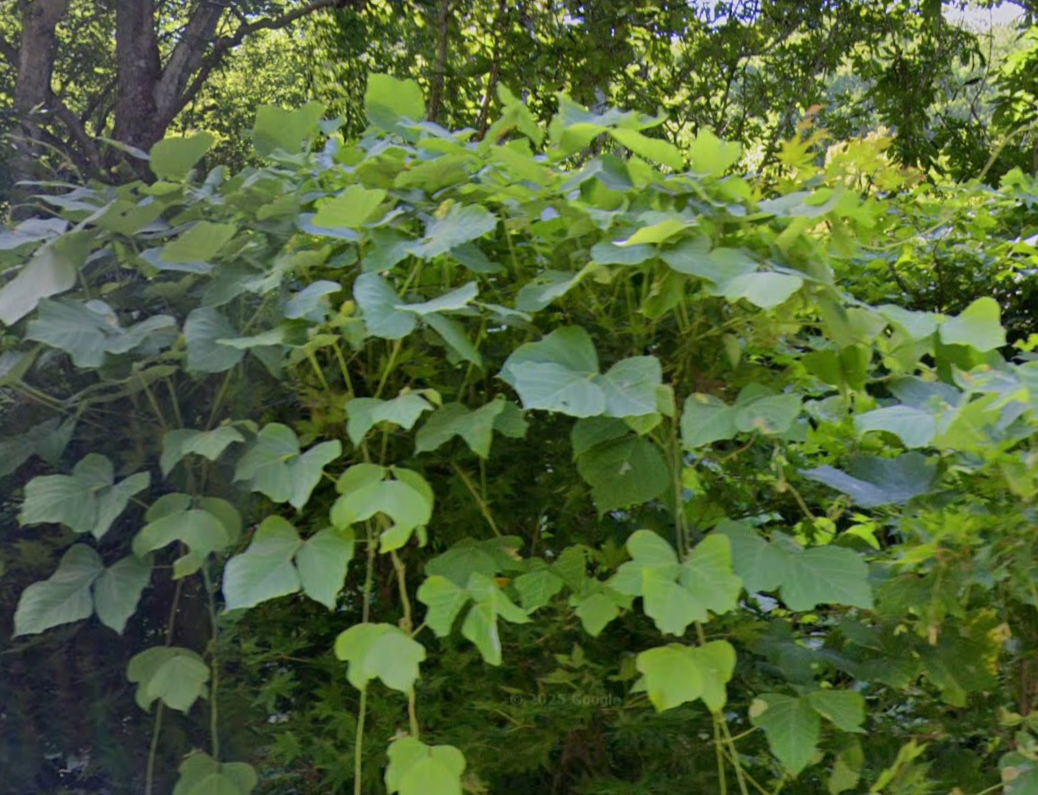
It is these vines with leaves that have 3 sections.
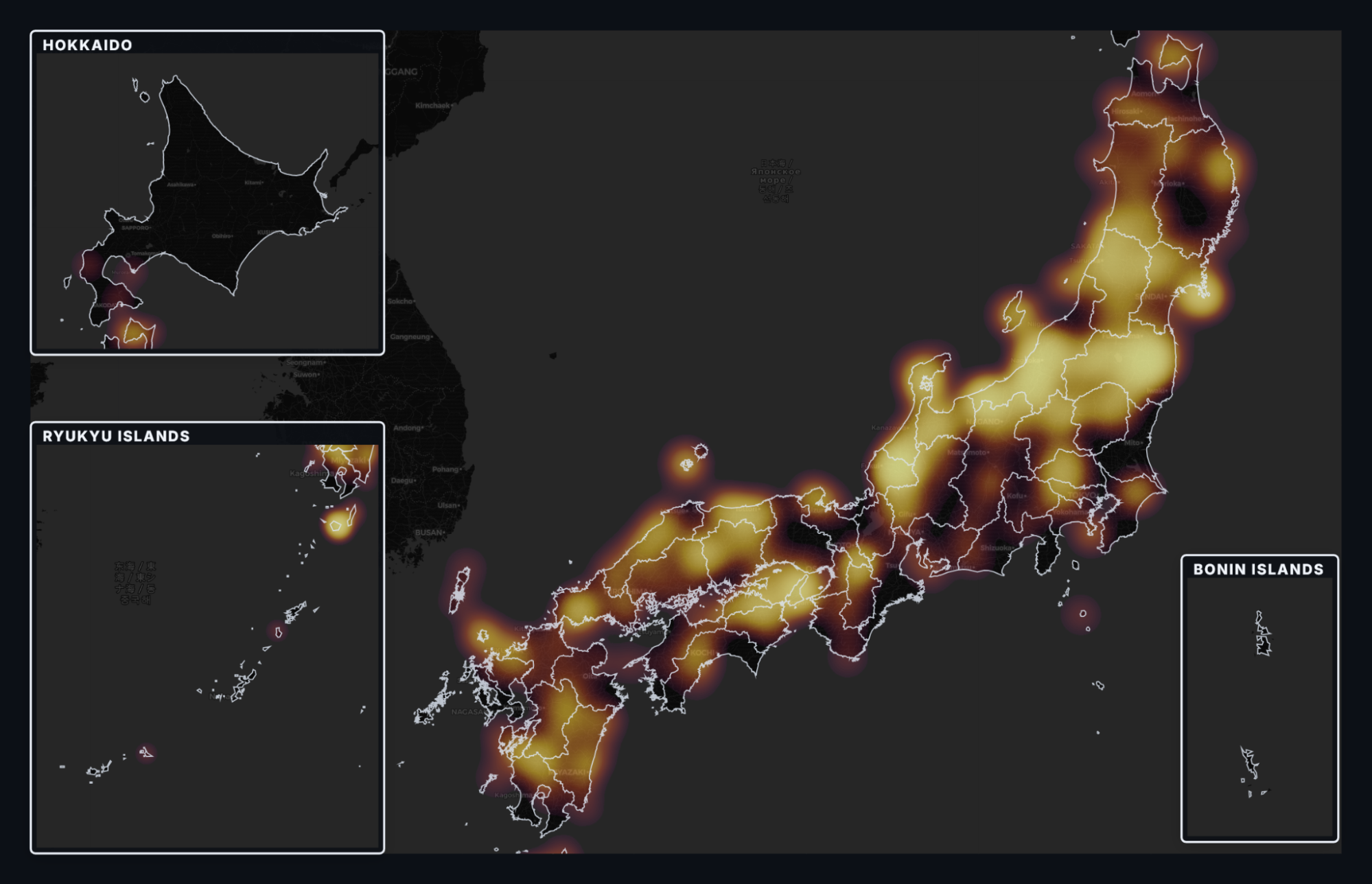
Can be seen almost anywhere but Hokkaido but the west coast has large quantities of it.
Robinia pseudoacacia (Black Locust)
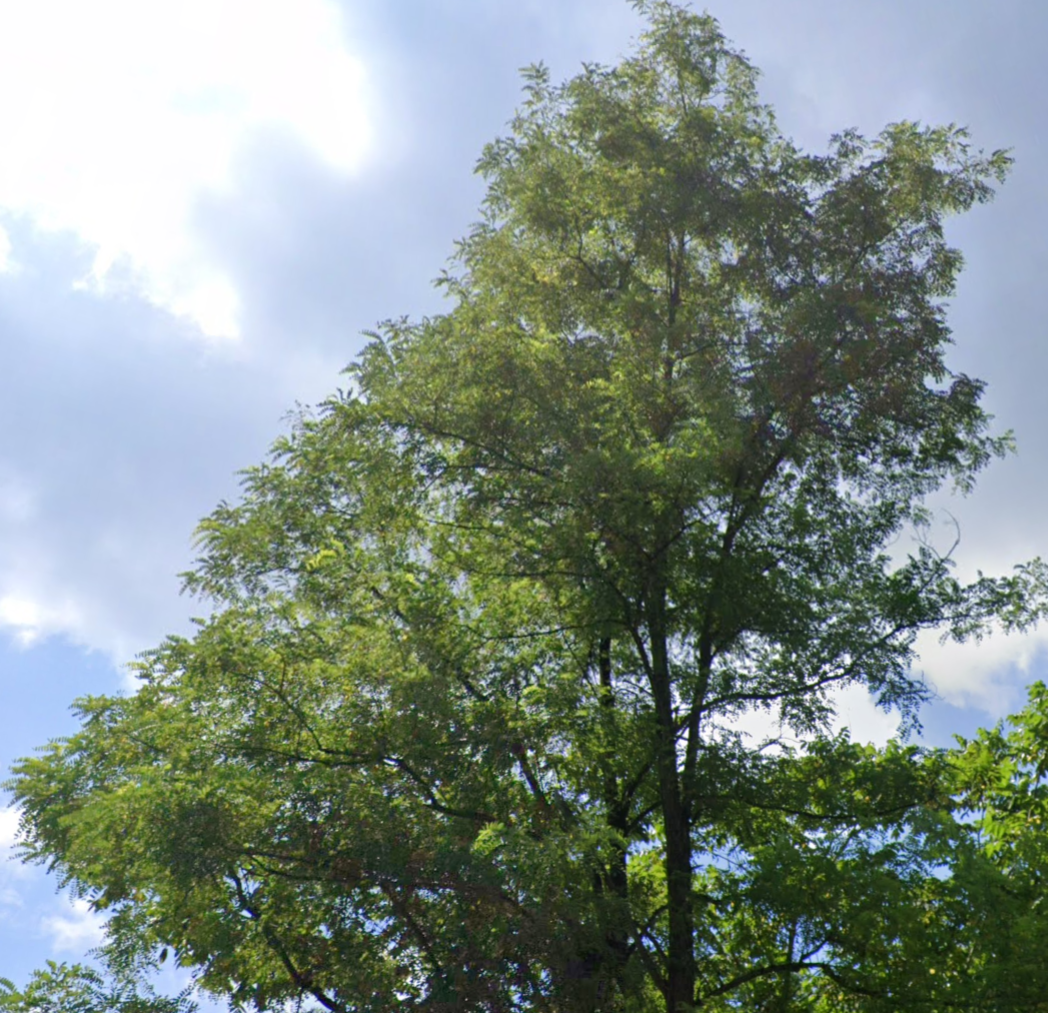
These trees with the oval leaflets at the ending of the branch appearing smaller and smokier.
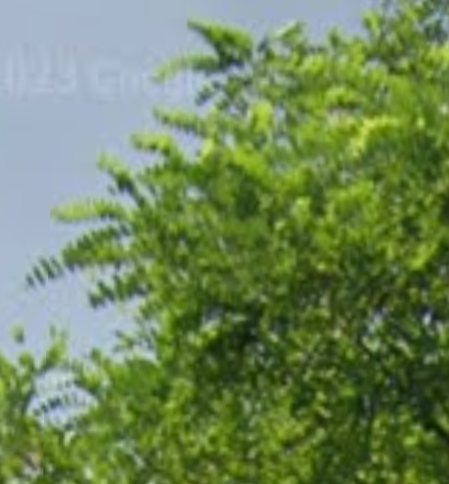
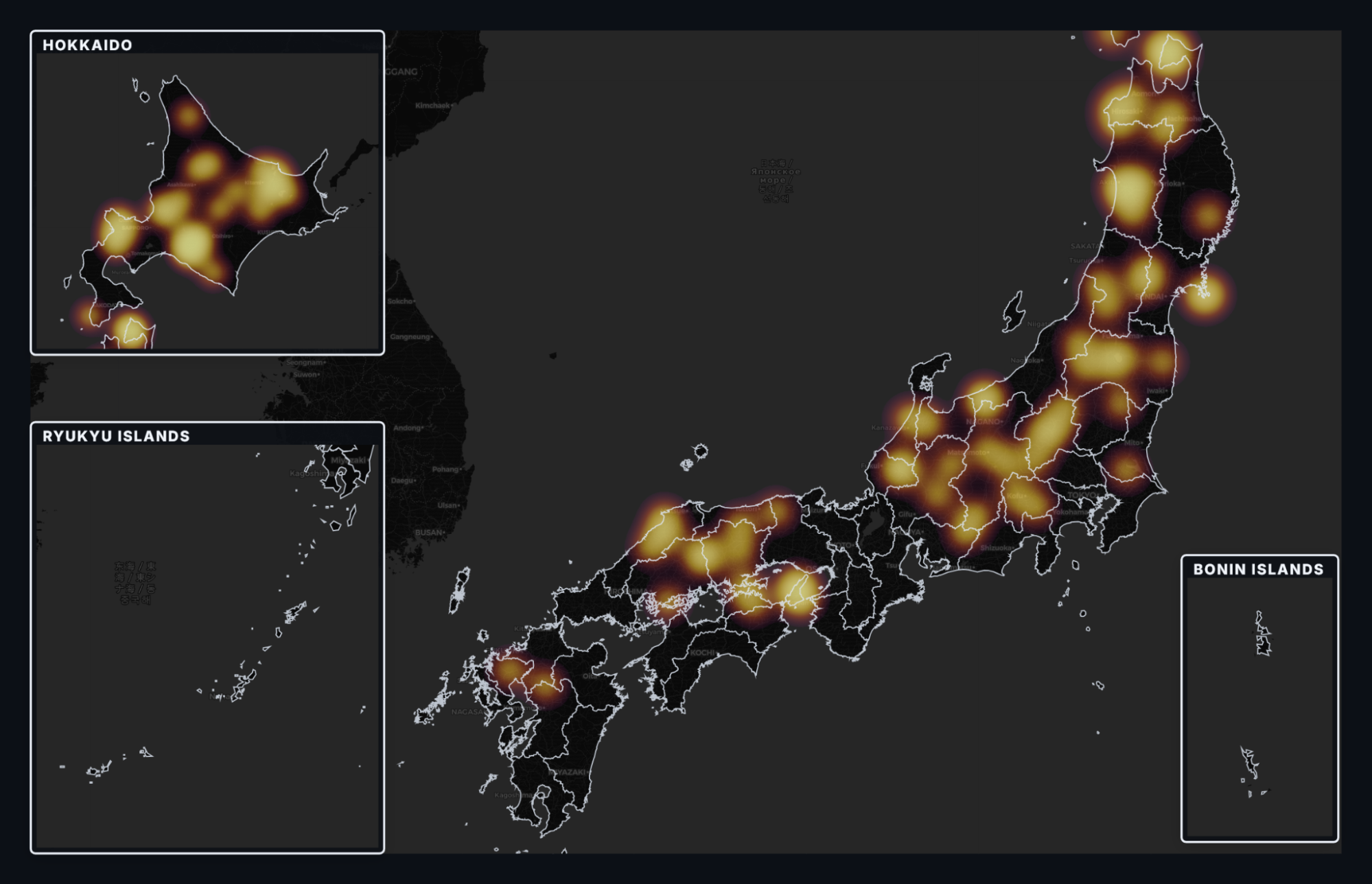
More common in the north.
Mimosoideae
Albizia julibrissin (Persian Silk Tree/Mimosa)
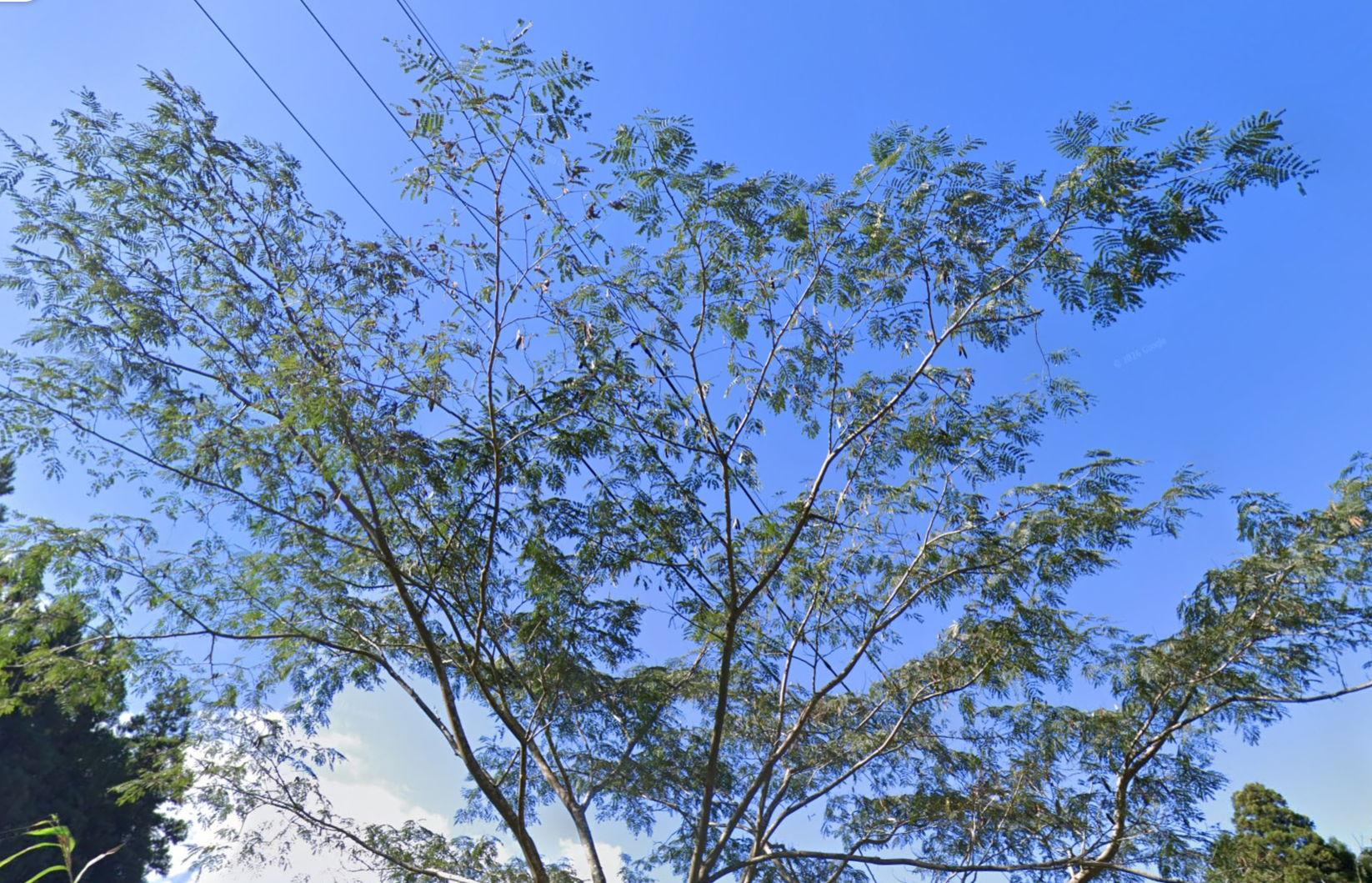
Large frond like leaves, with a dark greenish gray bark.
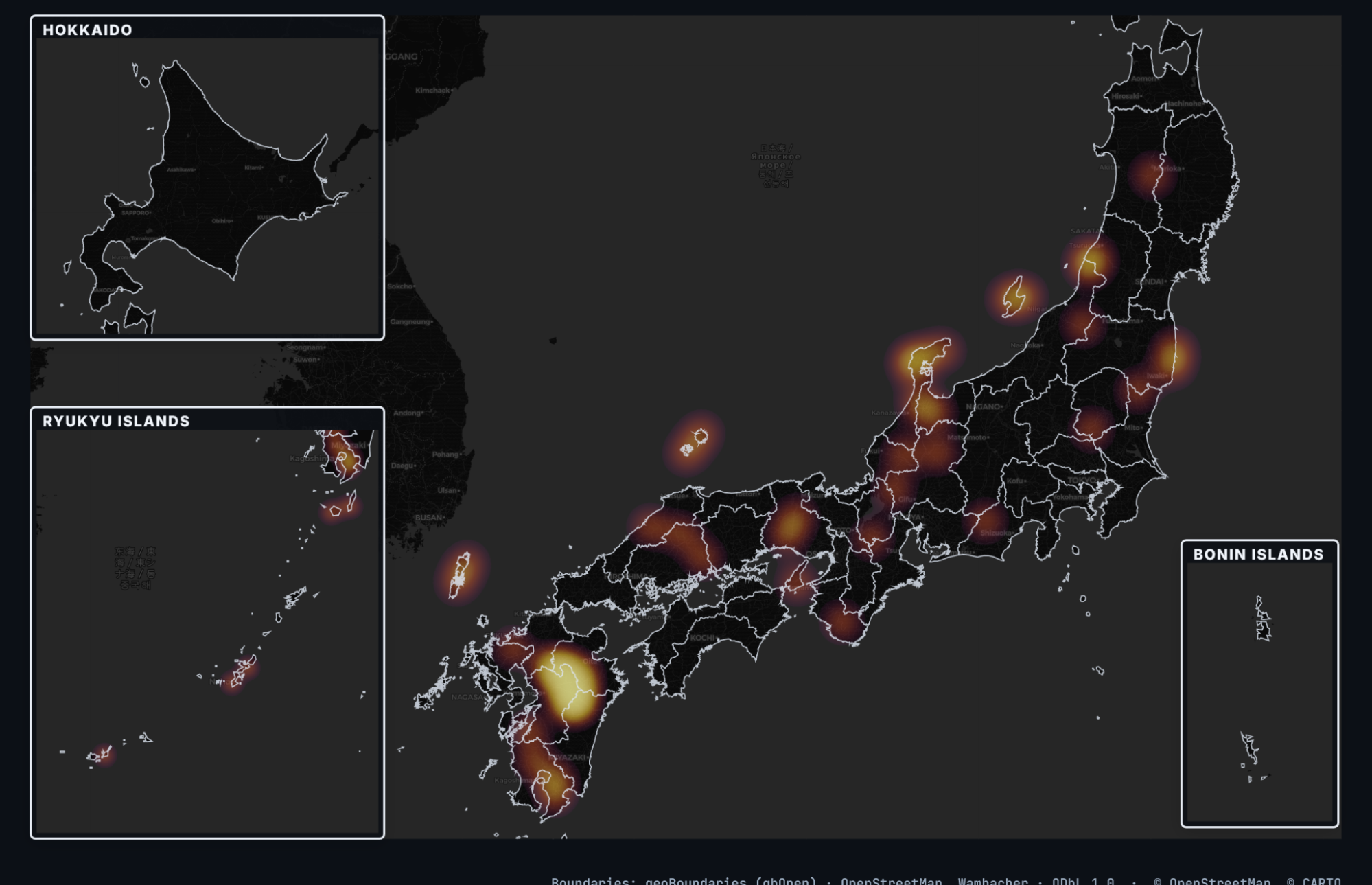
Mostly found in the south.
Leucaena leucocephala (White Leadtree)
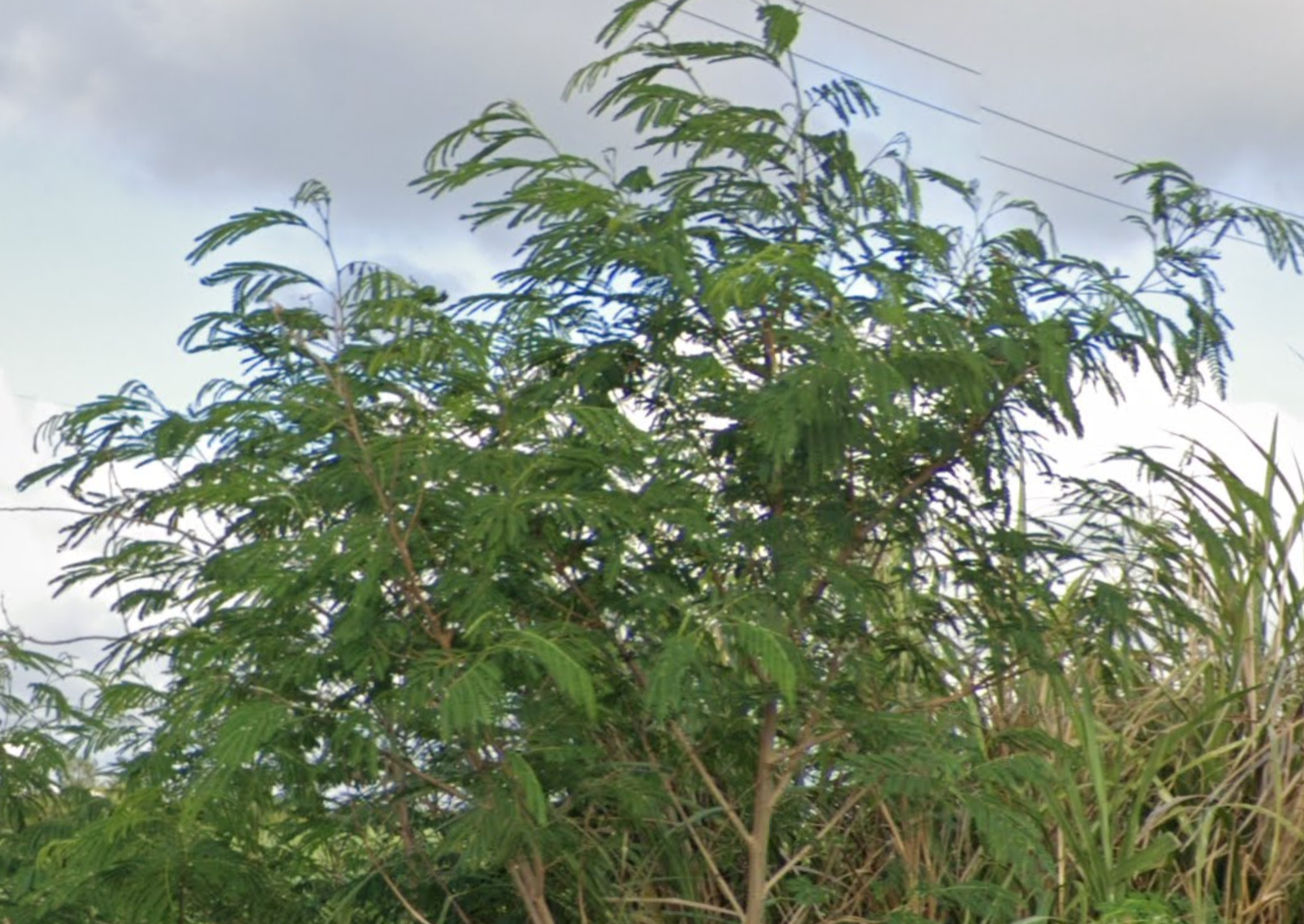
Looks very similar to a Mimosa but a lot smaller and greener.
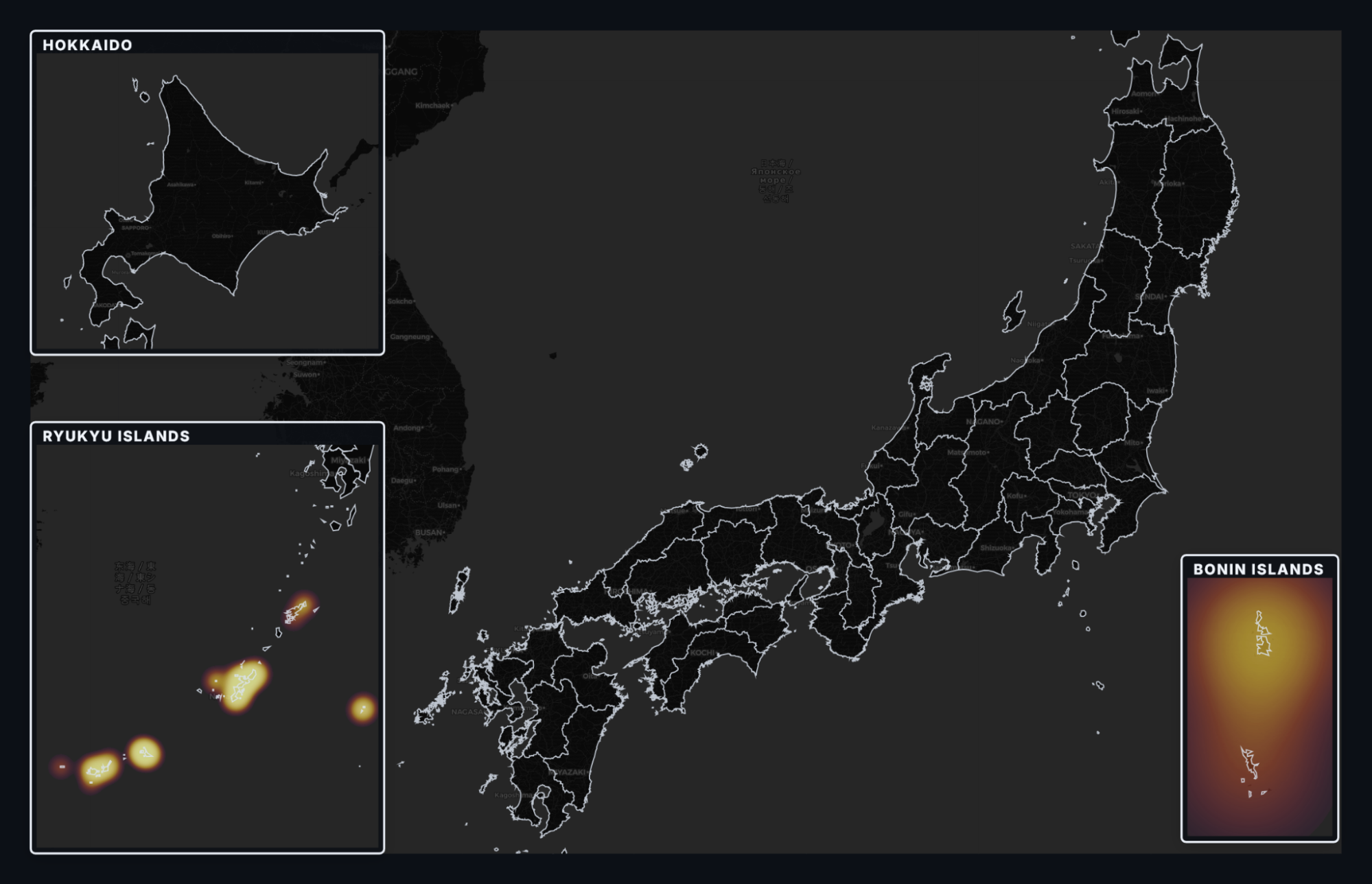
Found in Amami and everything Okinawa main island and below.
Acacia confusa (Taiwan Acacia)
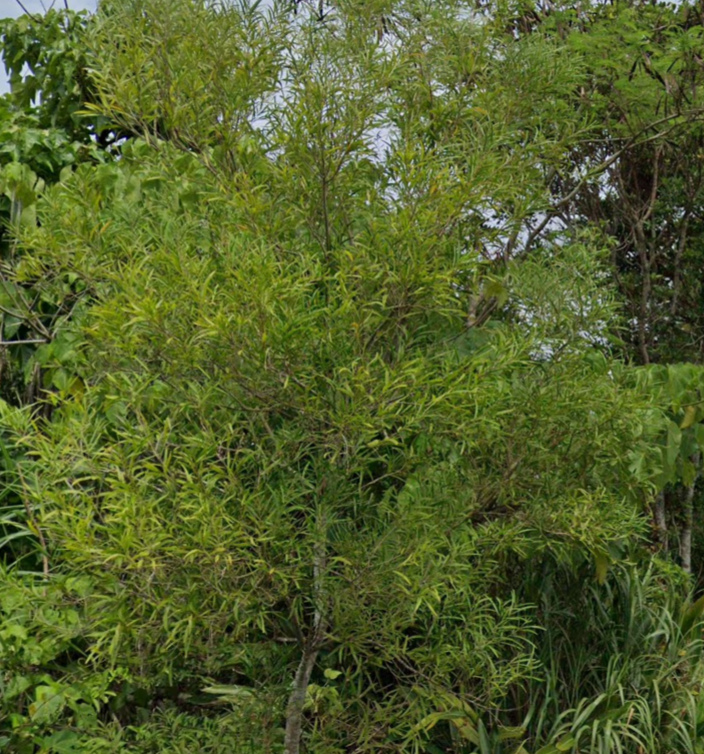
This is a medium sized tree that has very small long leaves that grow messily.
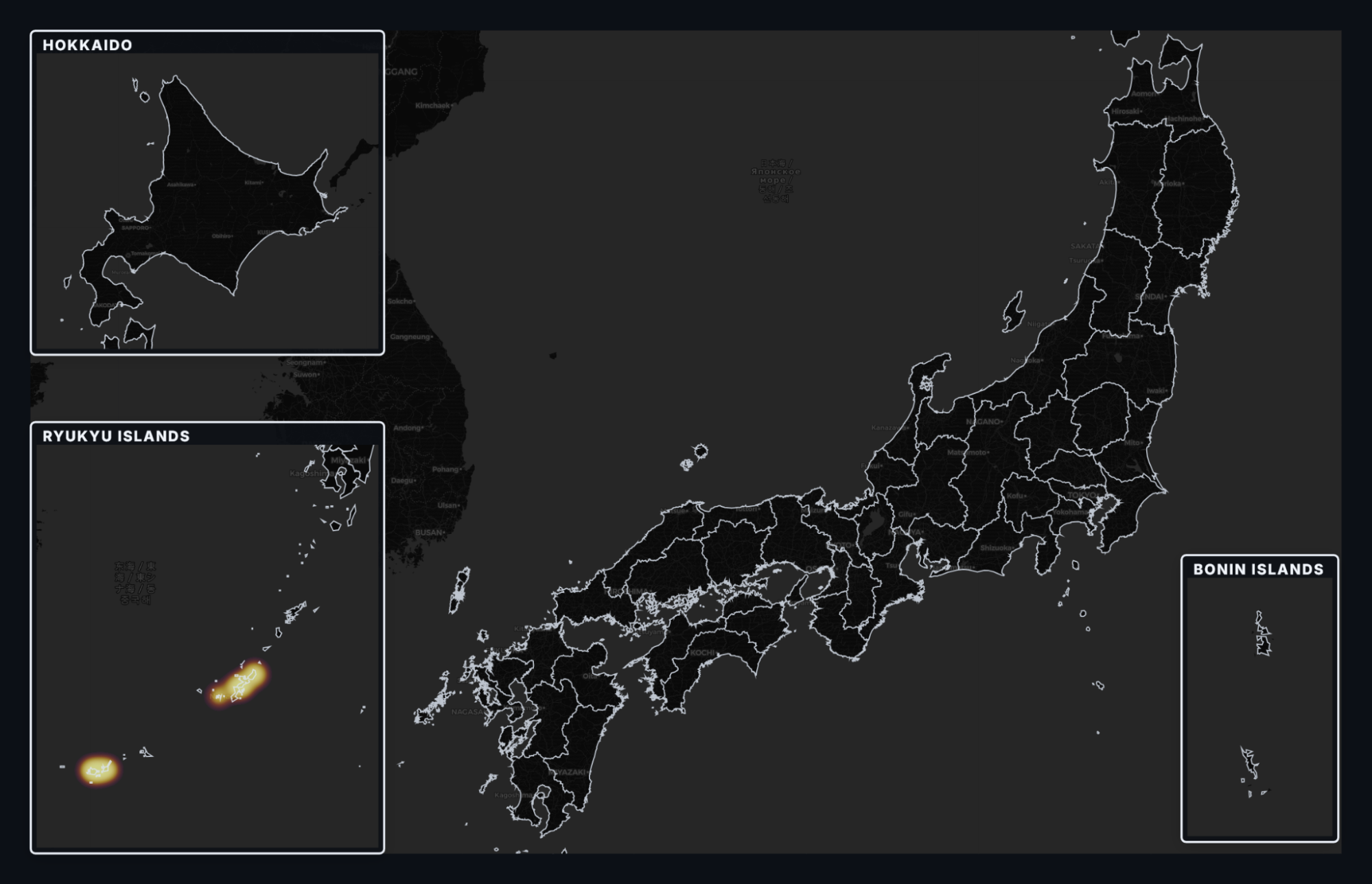
Found on the Okinawa Islands.
Magnoliales
Magnoliaceae
Magnolia obovata (Japanese Bigleaf Magnolia)
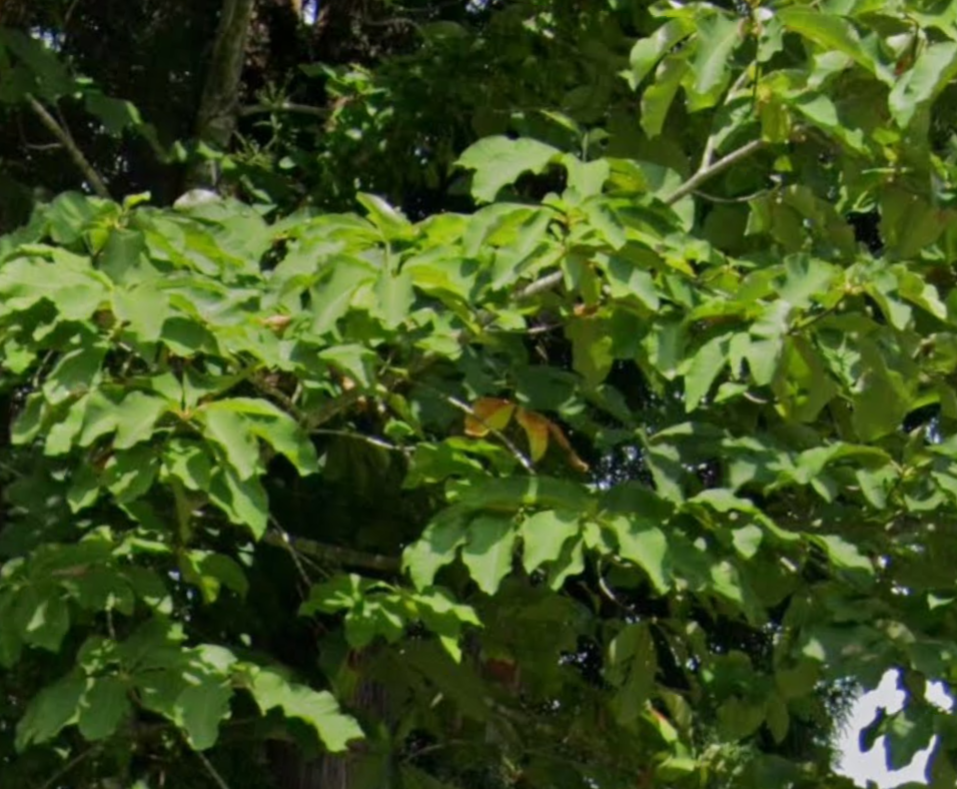
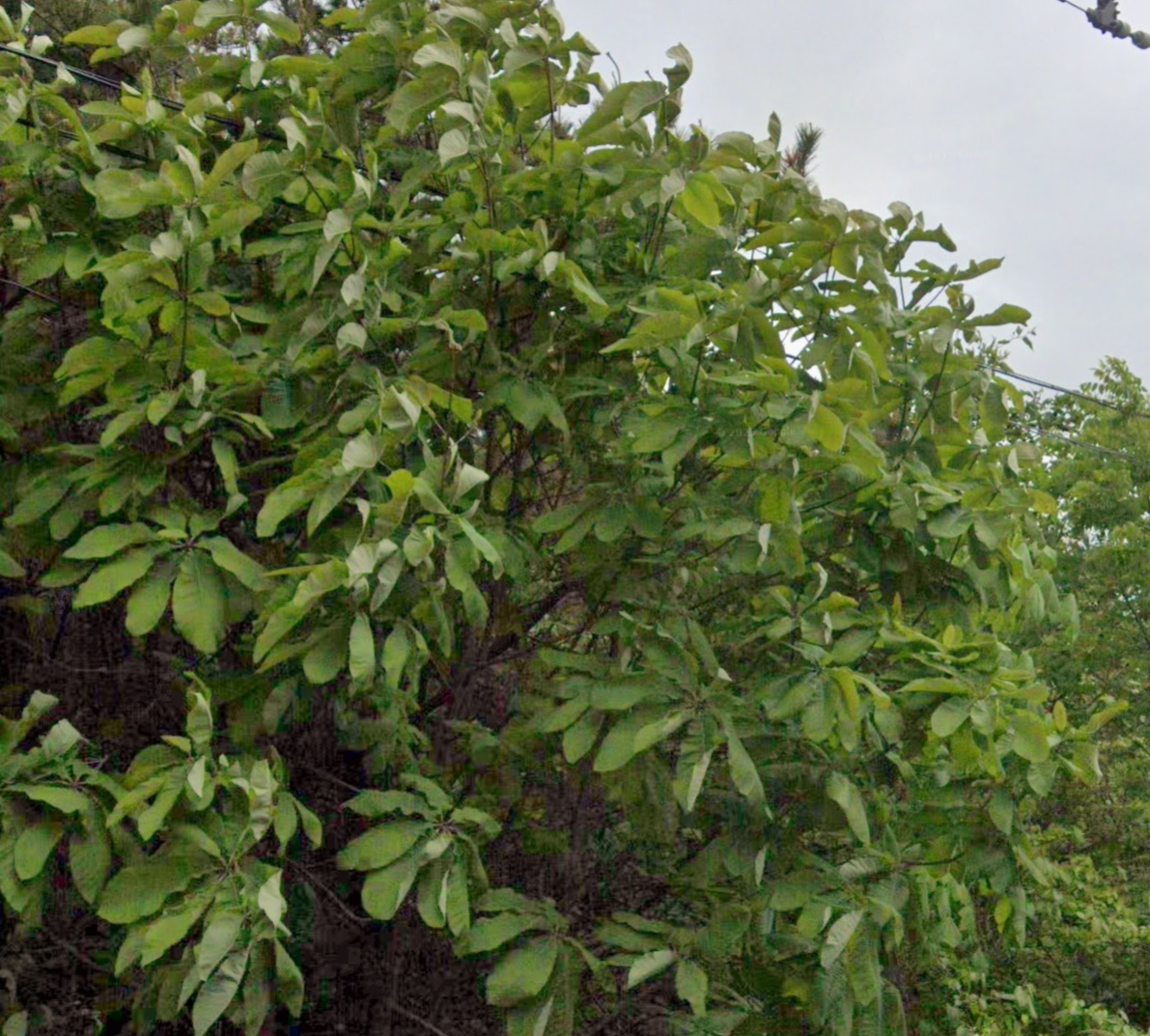
Big leaves with a wavy pattern surrounding the stem in a circular pattern.
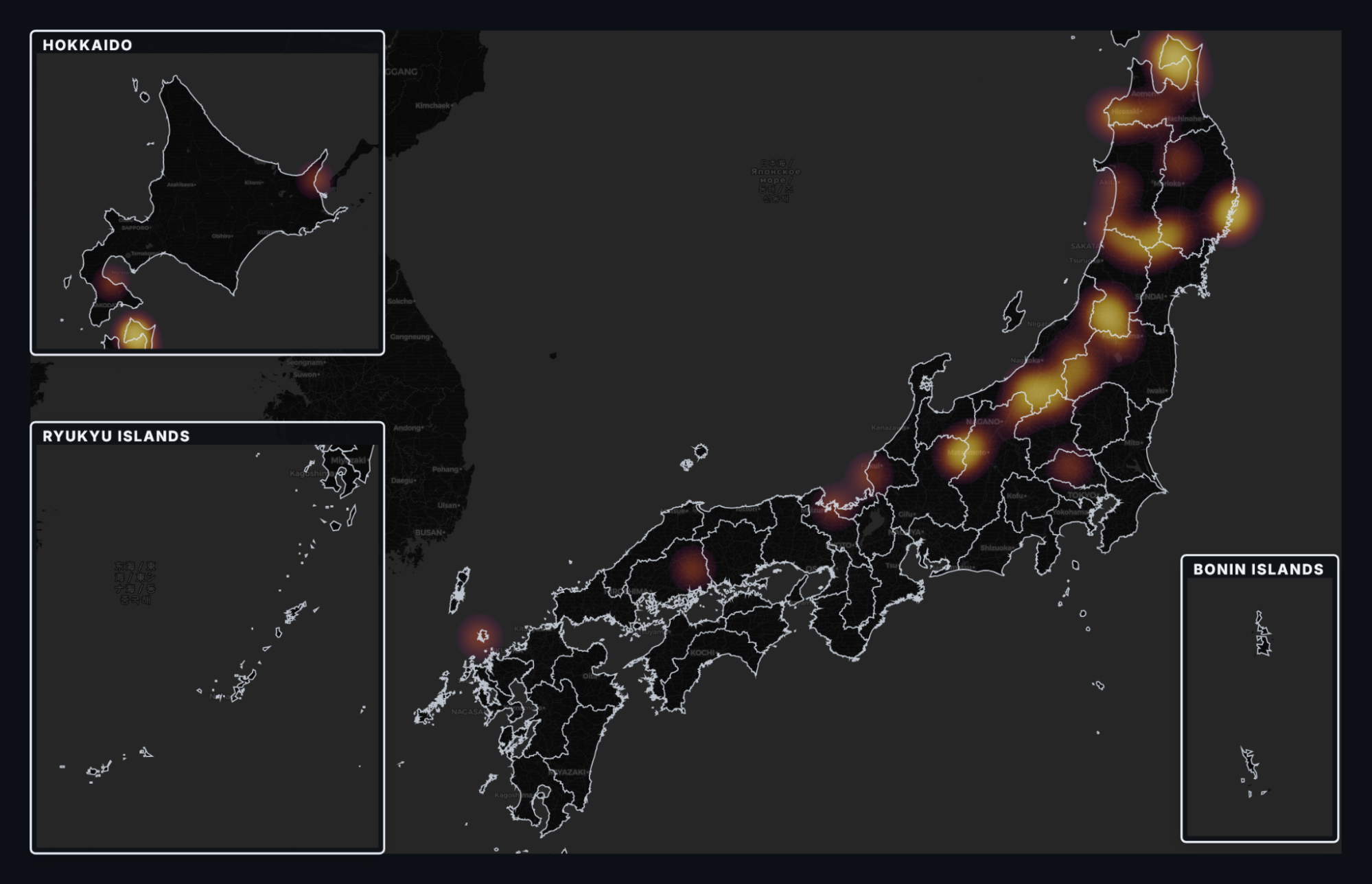
Most often found in the north.
Fagales
Birches
Betula ermanii (Erman's Birch/Russian Rock Birch)
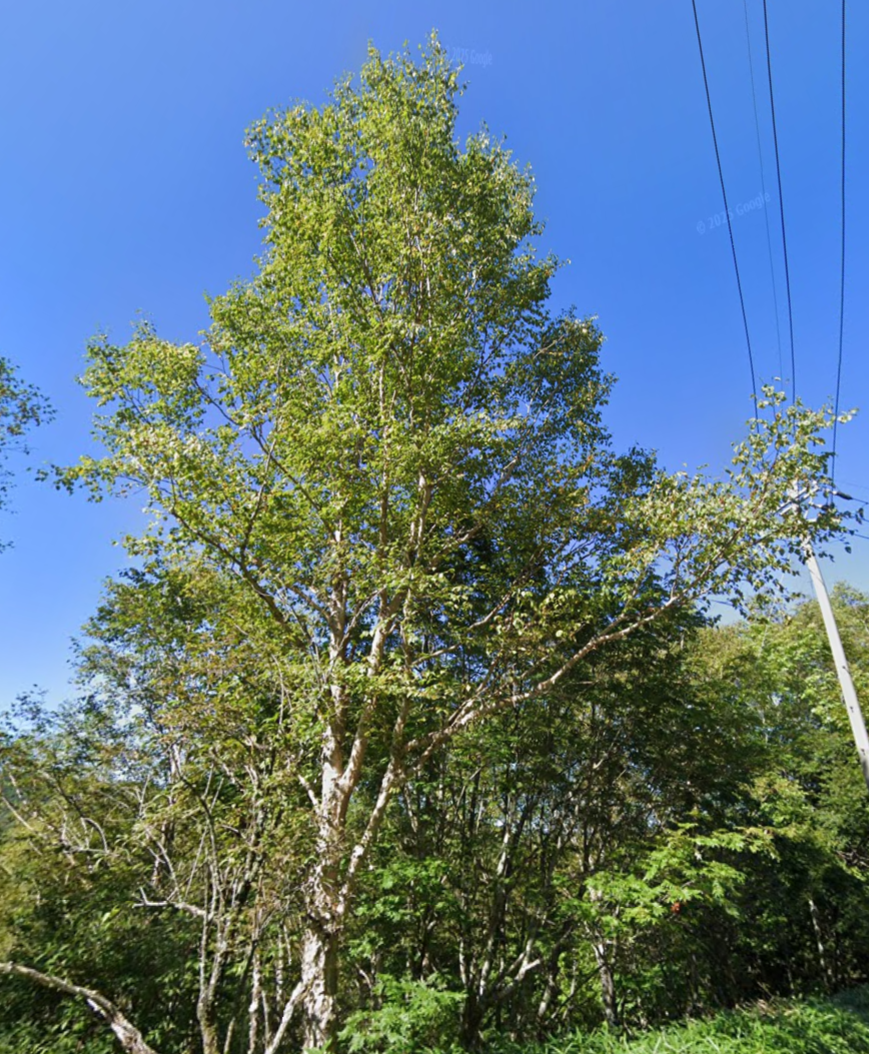
Has a more complex branching pattern than other birches at the base. Also has a pink tilted bark.
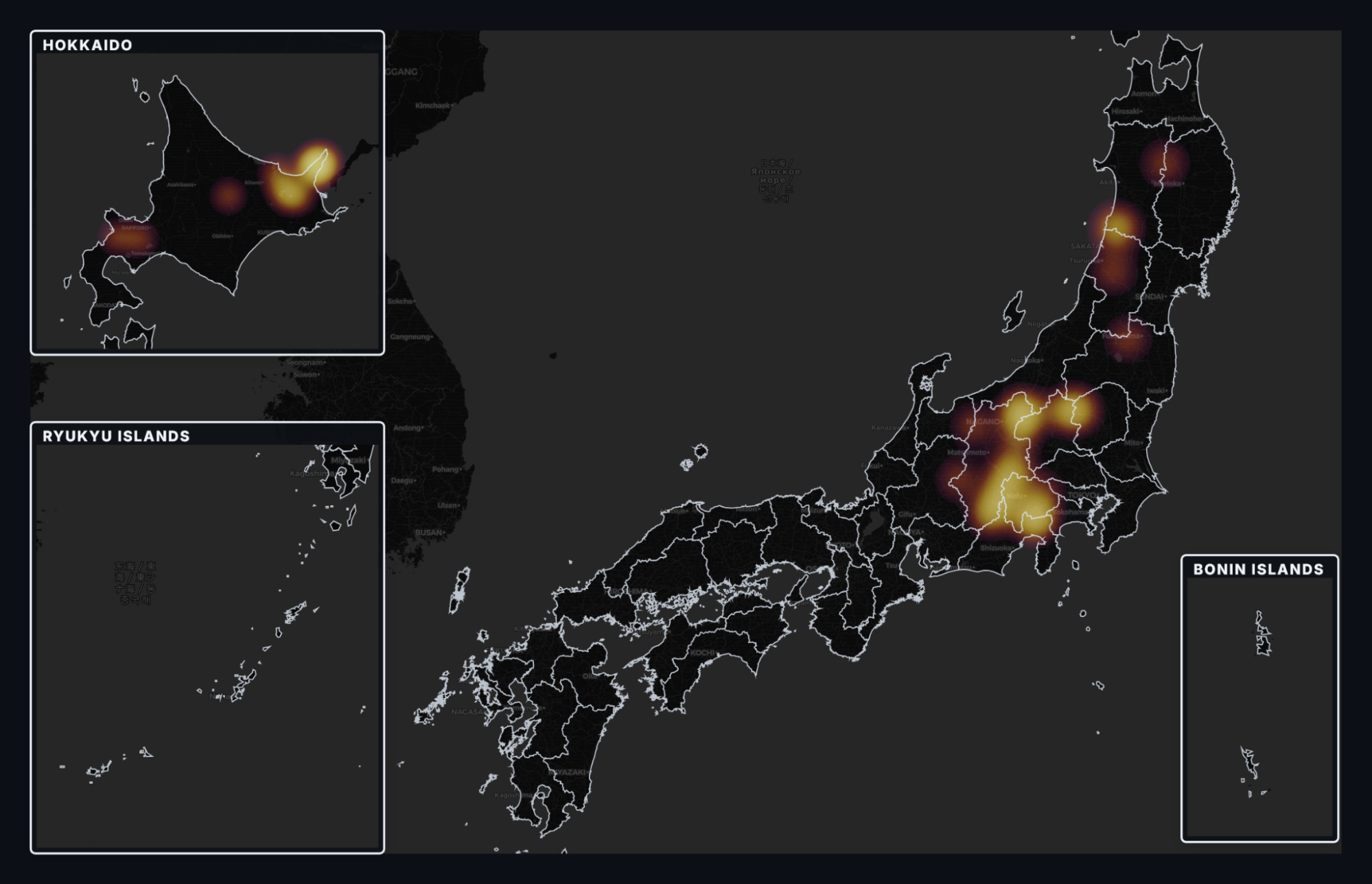
It grows on mountain tops in Honshu and Hokkaido at around 1500-2500m elevation.
Betula platyphylla (Siberian Birch)
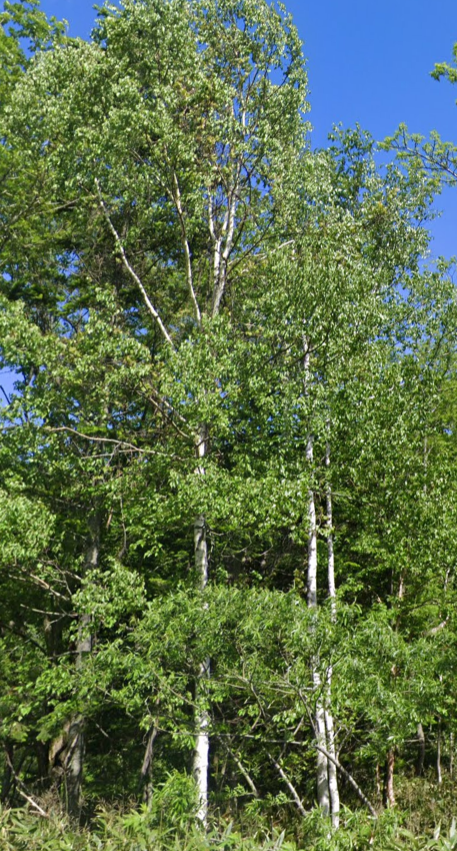
Grows straight up with a white bark.
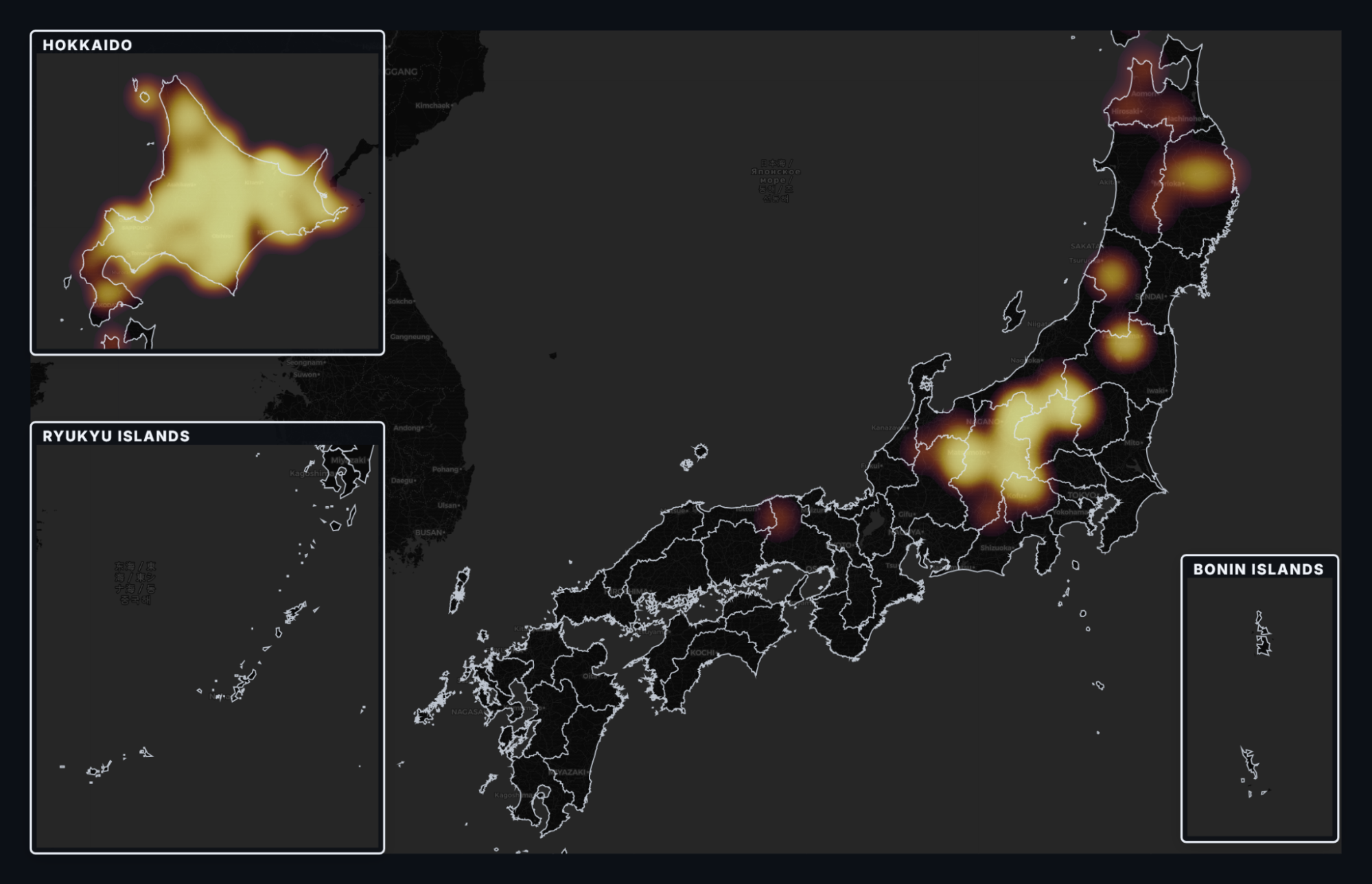
Found in Hokkaido and high elevation places in Honshu.
Betula maximowicziana (Maximowicz's/Monarch Birch)
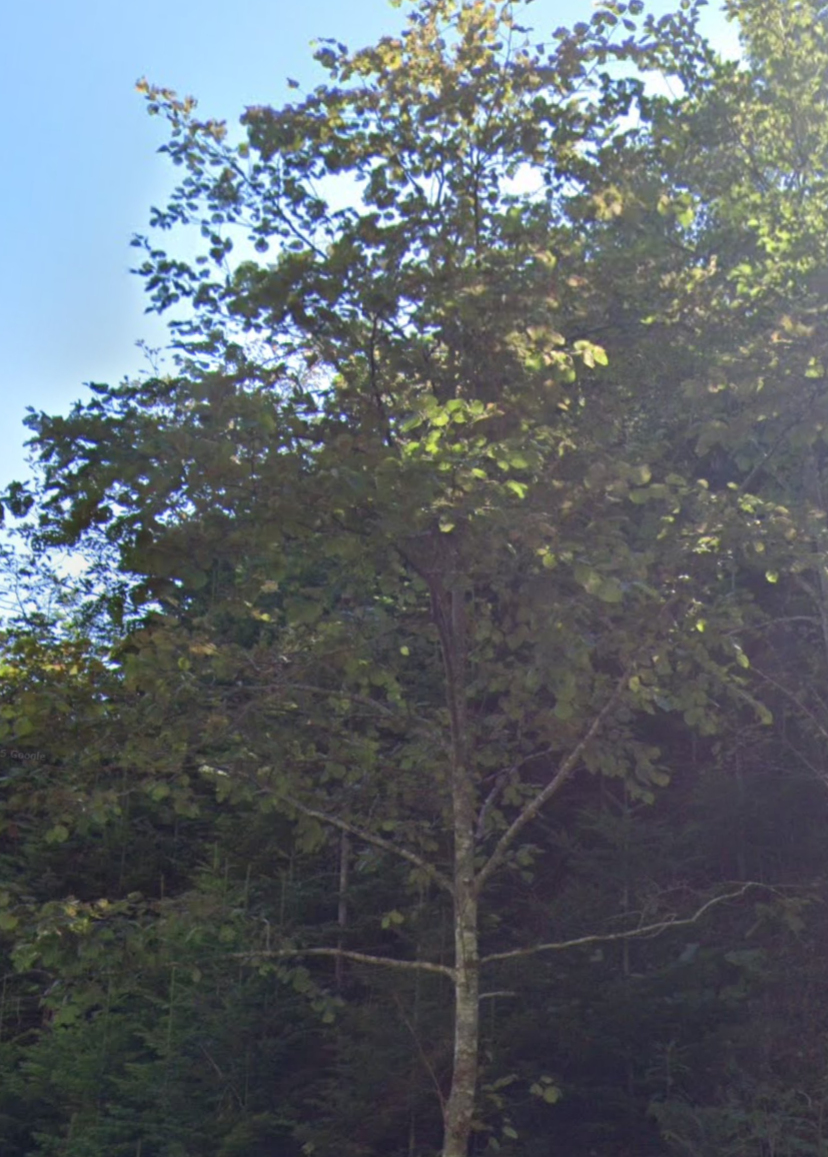
Has very big leaves for a birch and a grayish peeling bark.
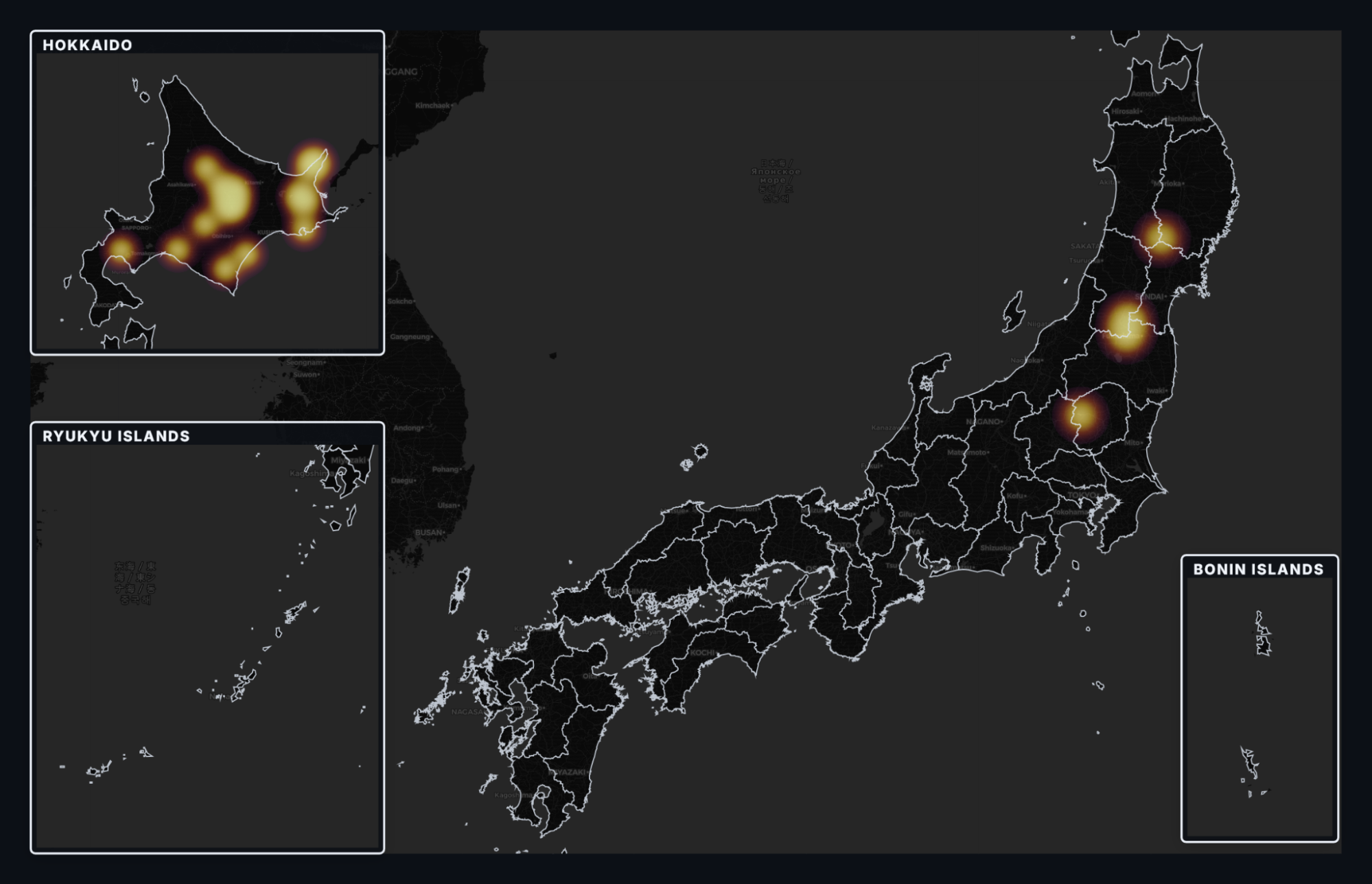
Mostly in Hokkaido but there are some occasional ones in high altitude spots in Honshu.
Beeches
Fagus crenata (Japanese Beech/ブナ)
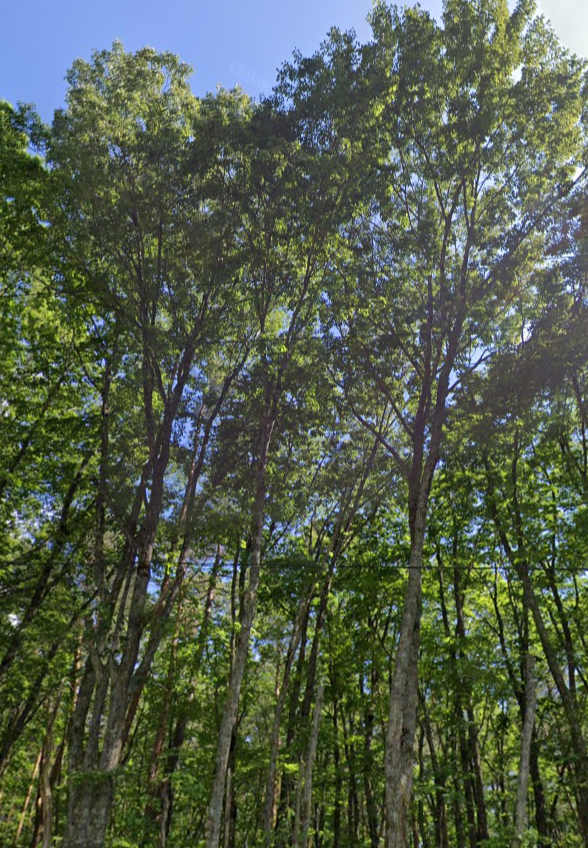
It is easily identifiable from its gray bark and thin leaves.
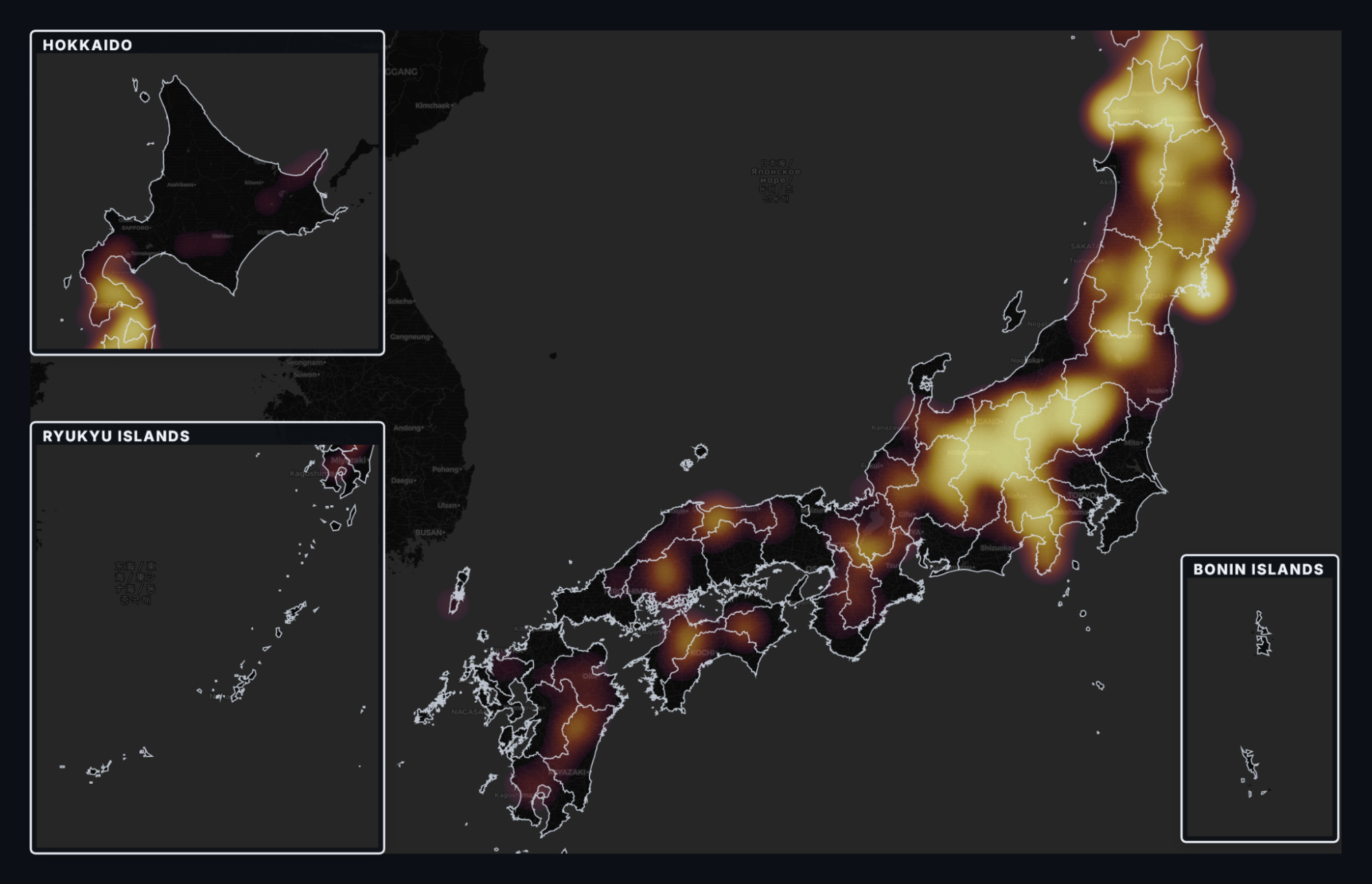
It is found from the Oshima Peninsula, including Okushiri Island, in Hokkaido, and south to the Osumi Peninsula in Kyushu in High Elevation areas. It is most commonly found in Central Honshu (Nagano) to Hokkaido.
Chestnuts
Castanea crenata (Japanese Chestnut)
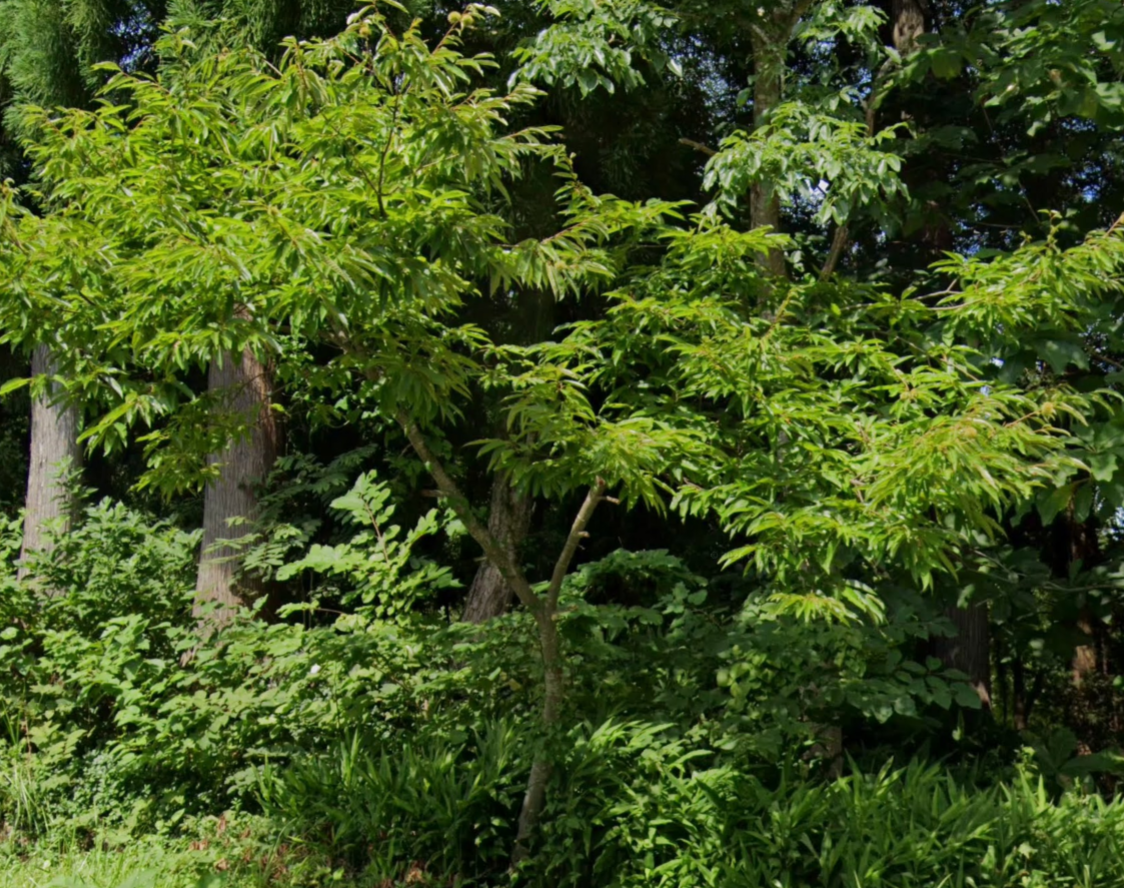
A medium sized tree.The leaves are very thin and long.
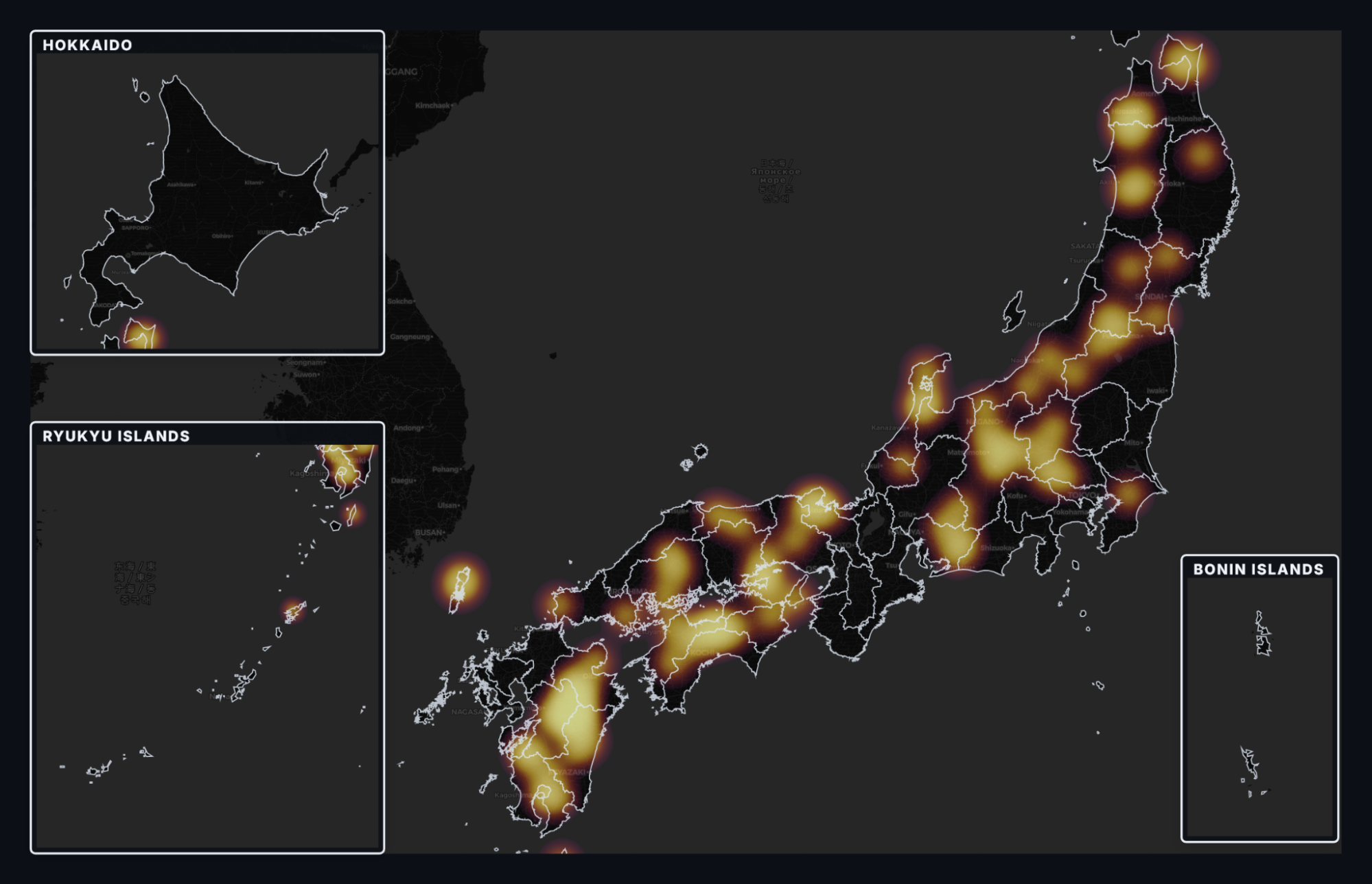
Found in Honshu, Shikoku and Kyushu although it seems to be seen more frequently in western Honshu.
Chinquapins
Castanopsis sieboldii (Itajii Chinkapin)
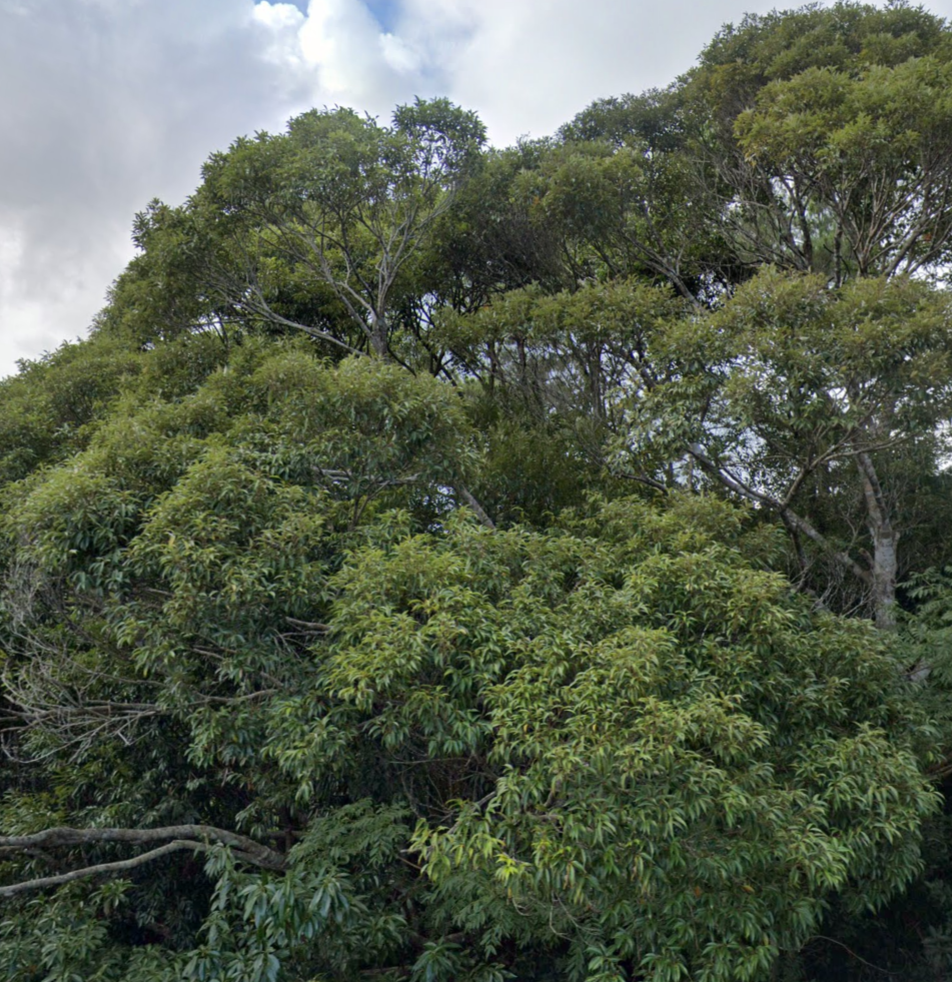
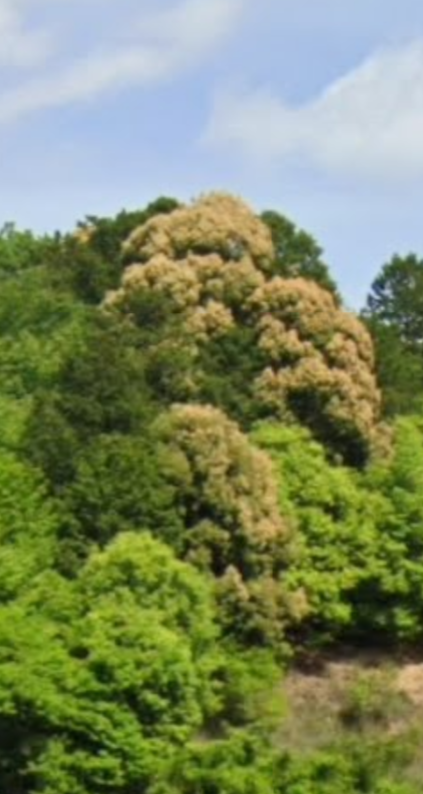
This tree has thin long leathery leaves and a puffy canopy. It can also be spotted from far away as it has this white-goldish color in April-May coverage.
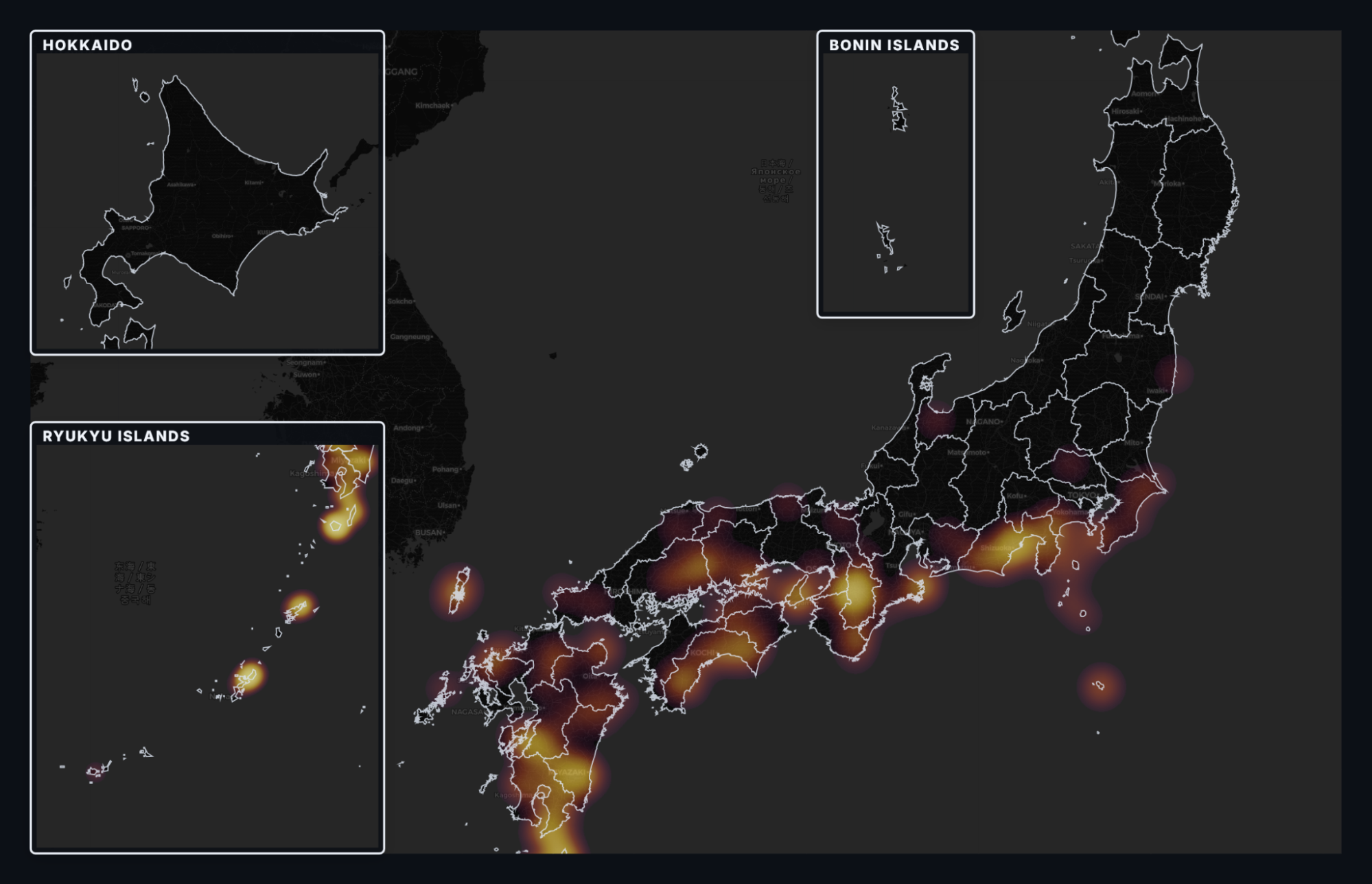
Found in the south of the country.
Castanopsis cuspidata (Japanese Chinquapin)
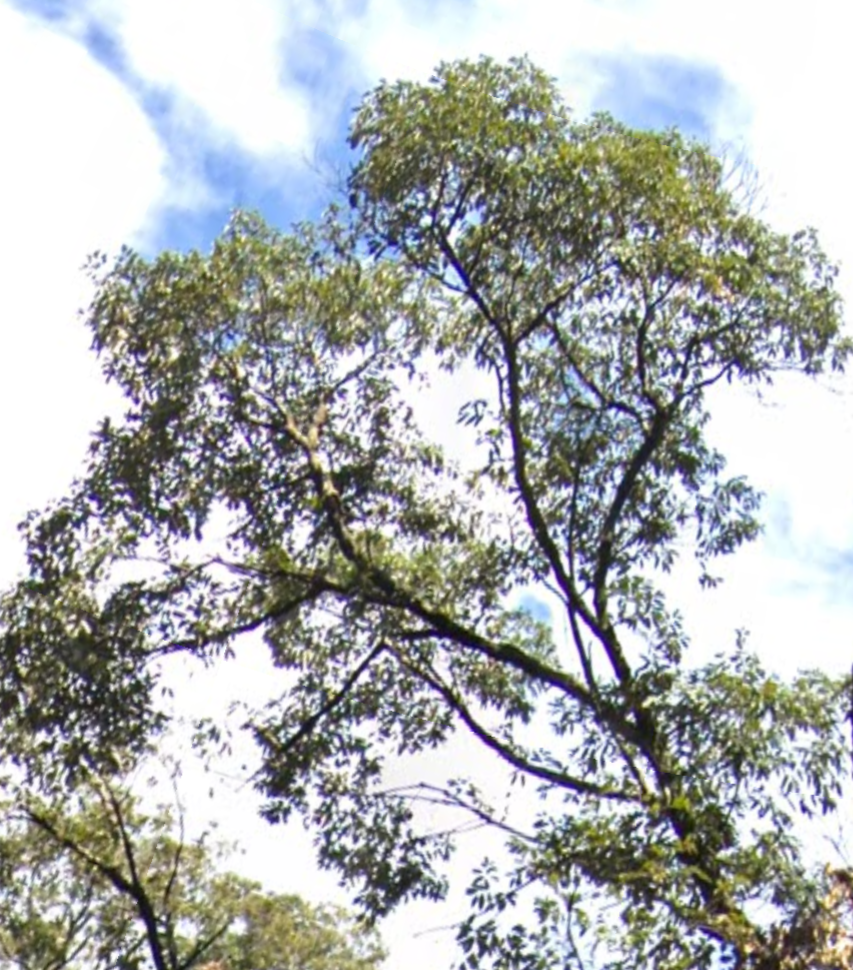
Visually very similar to Itajii. The leaves are a bit thinner and the nut is smaller. Luckily there is no need to be able to tell them apart since they are found in the same places.
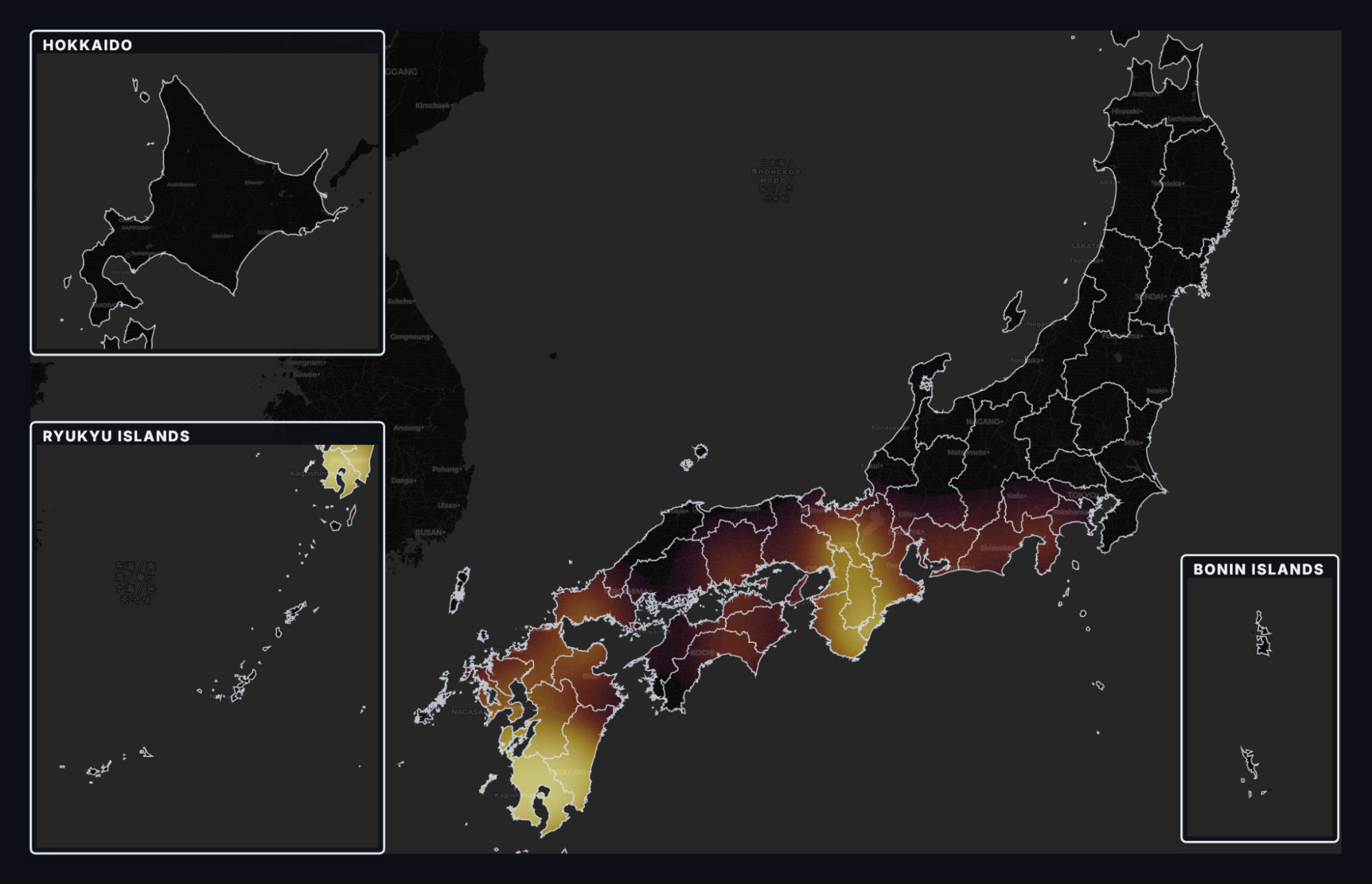
Found in the south of the country.
Oaks
Quercus acuta (Japanese Evergreen Oak)
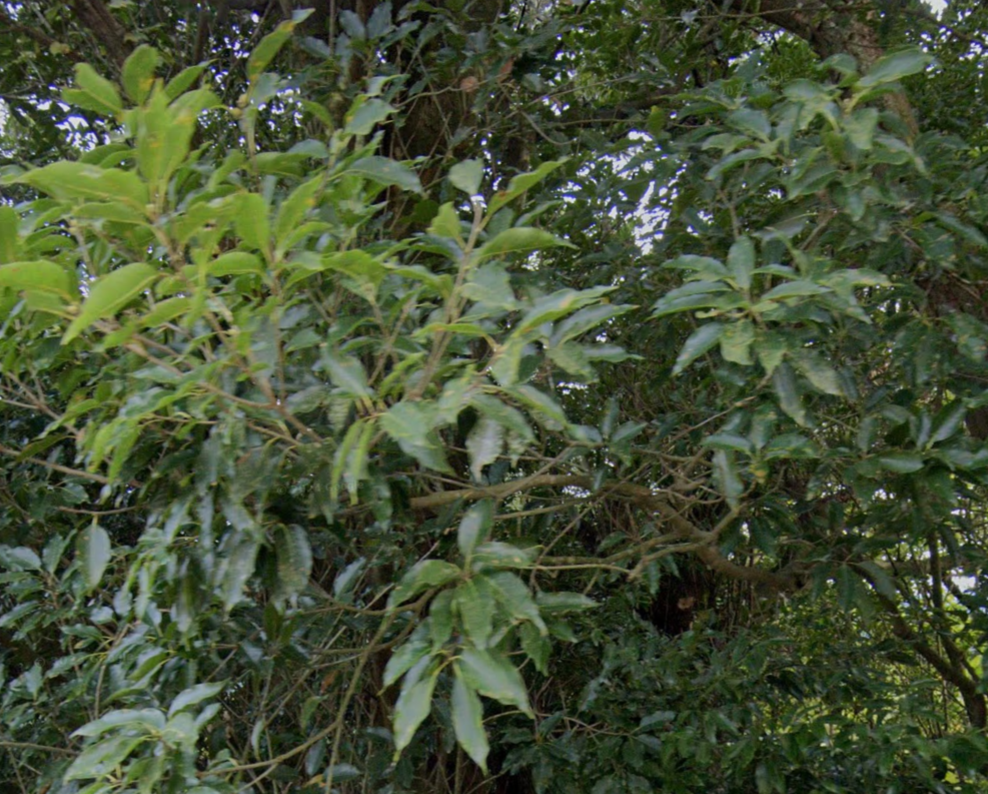
It is usually bushy with dark and glossy leaves. The leaves are long and narrow. The bark is dark gray and smooth.
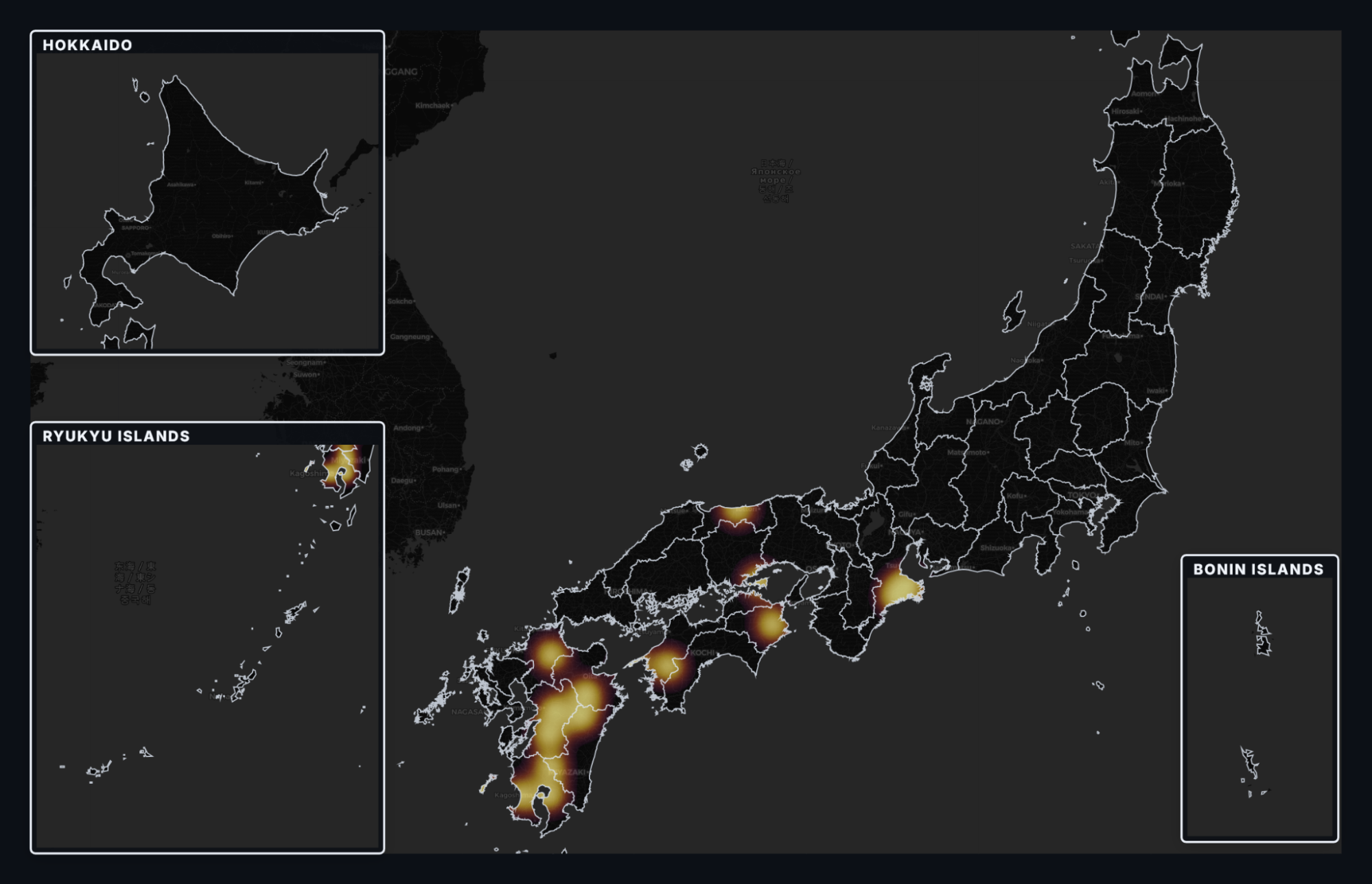
Found in the south, mostly Kyushu.
Quercus phillyreoides (Ubame Oak)
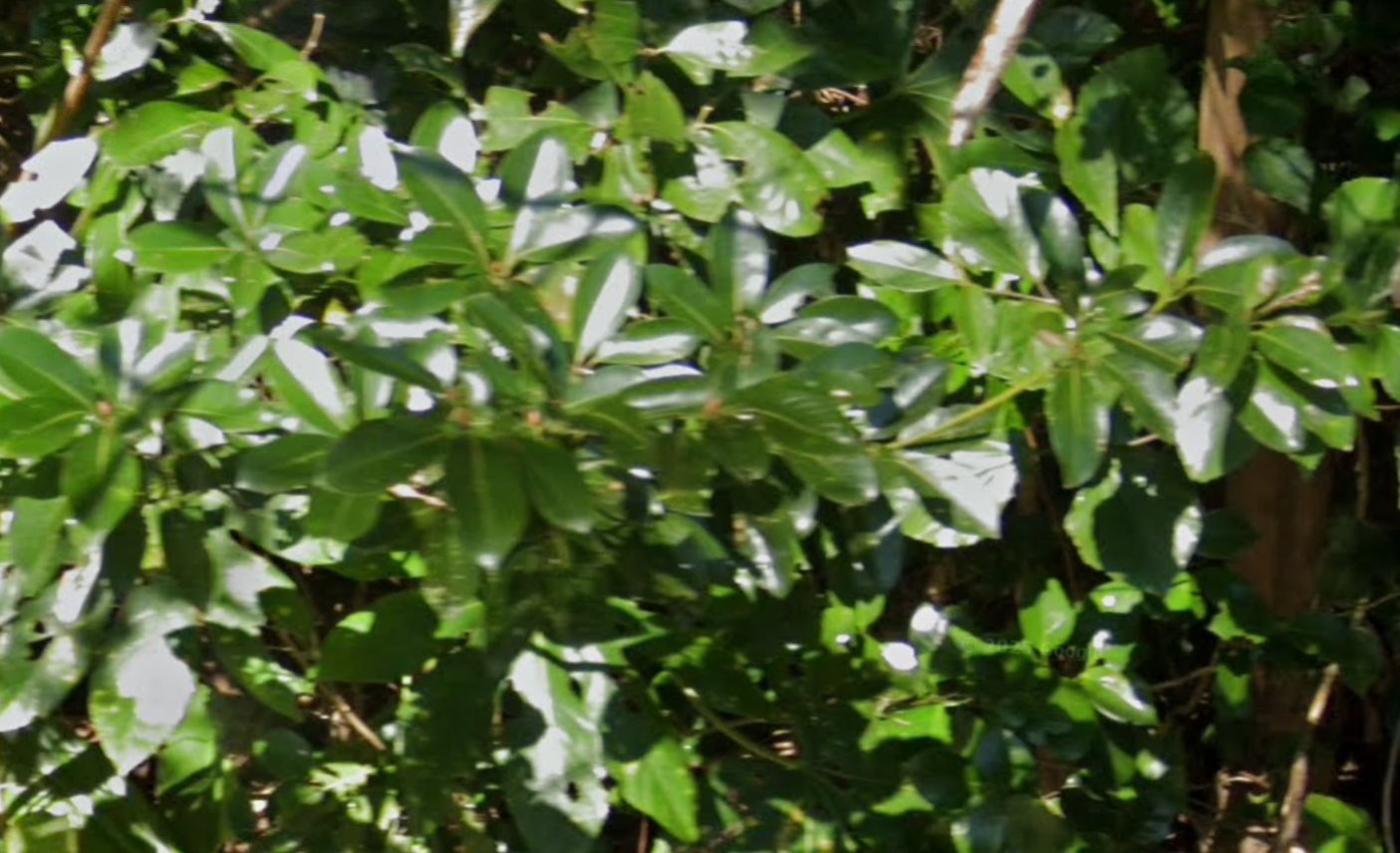
Short leathery oval leaves.
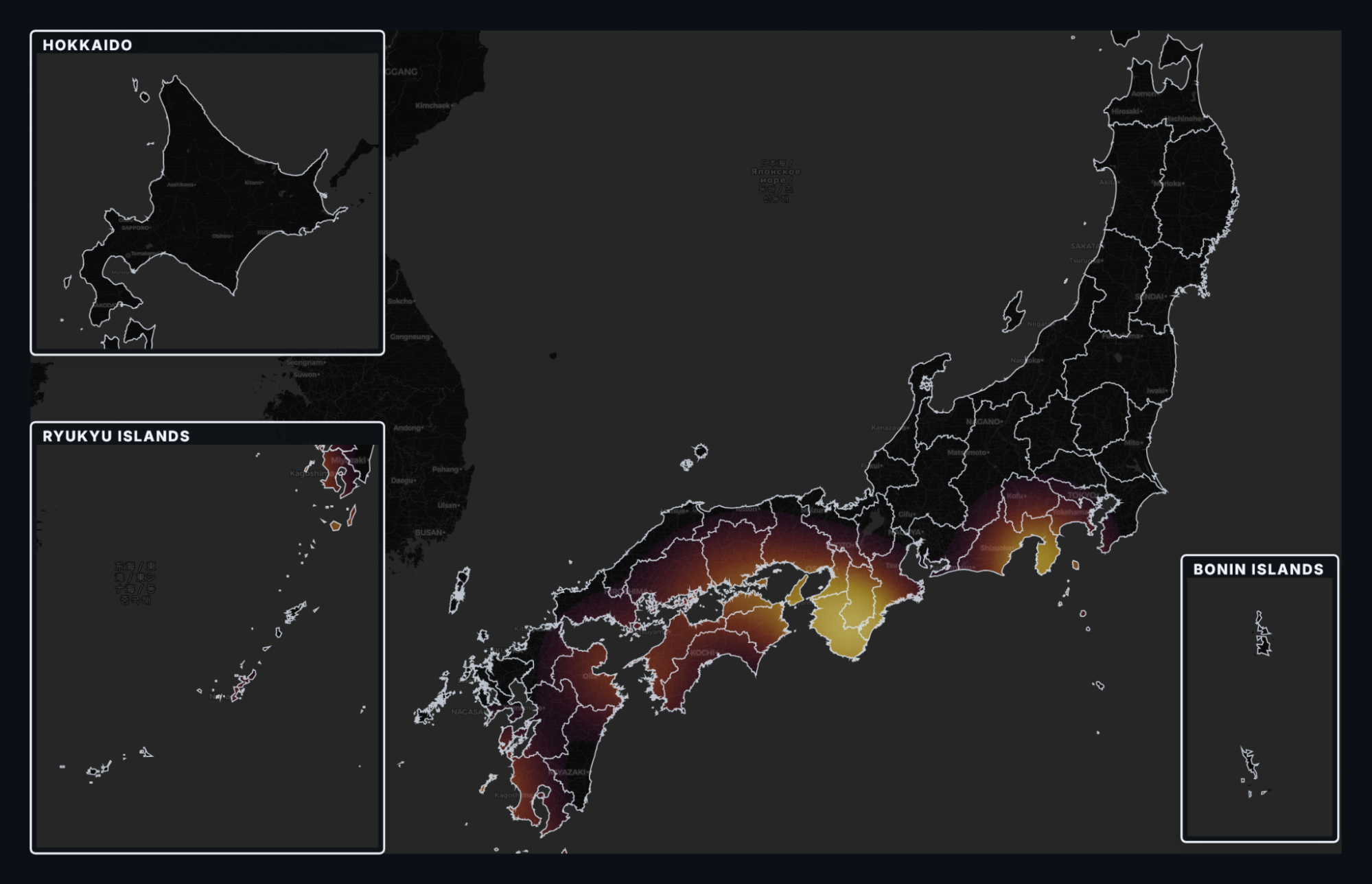
Found in the south.
Quercus glauca (Ring-cupped Oak)
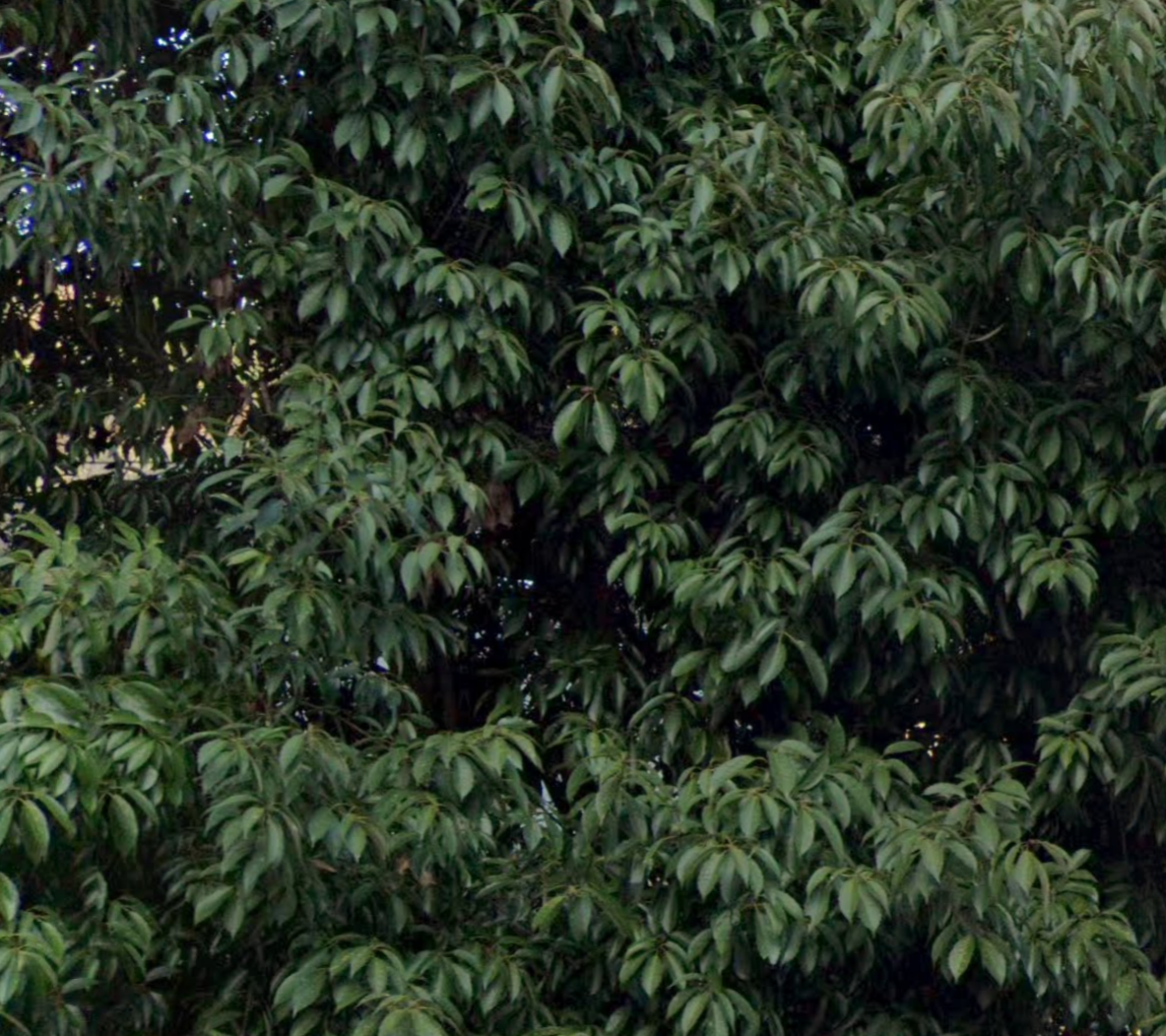
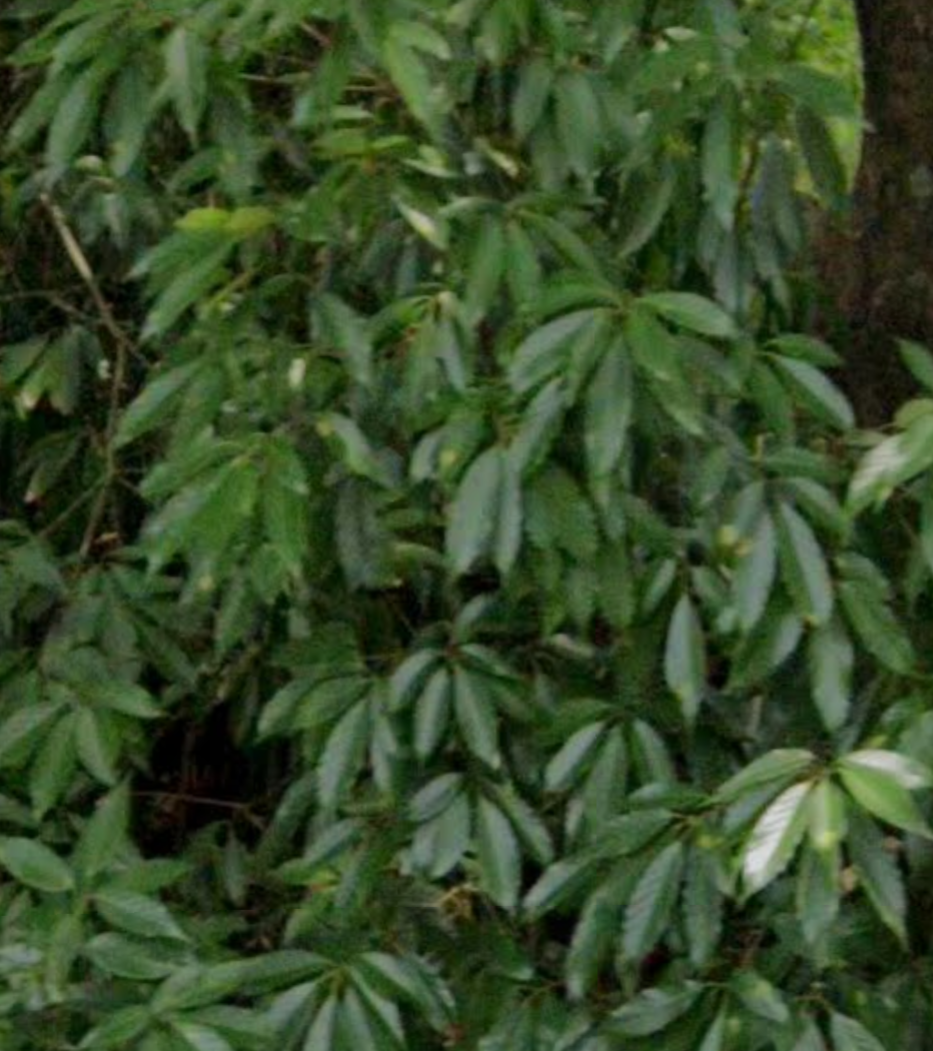
An oak with glossy dark green leaves.
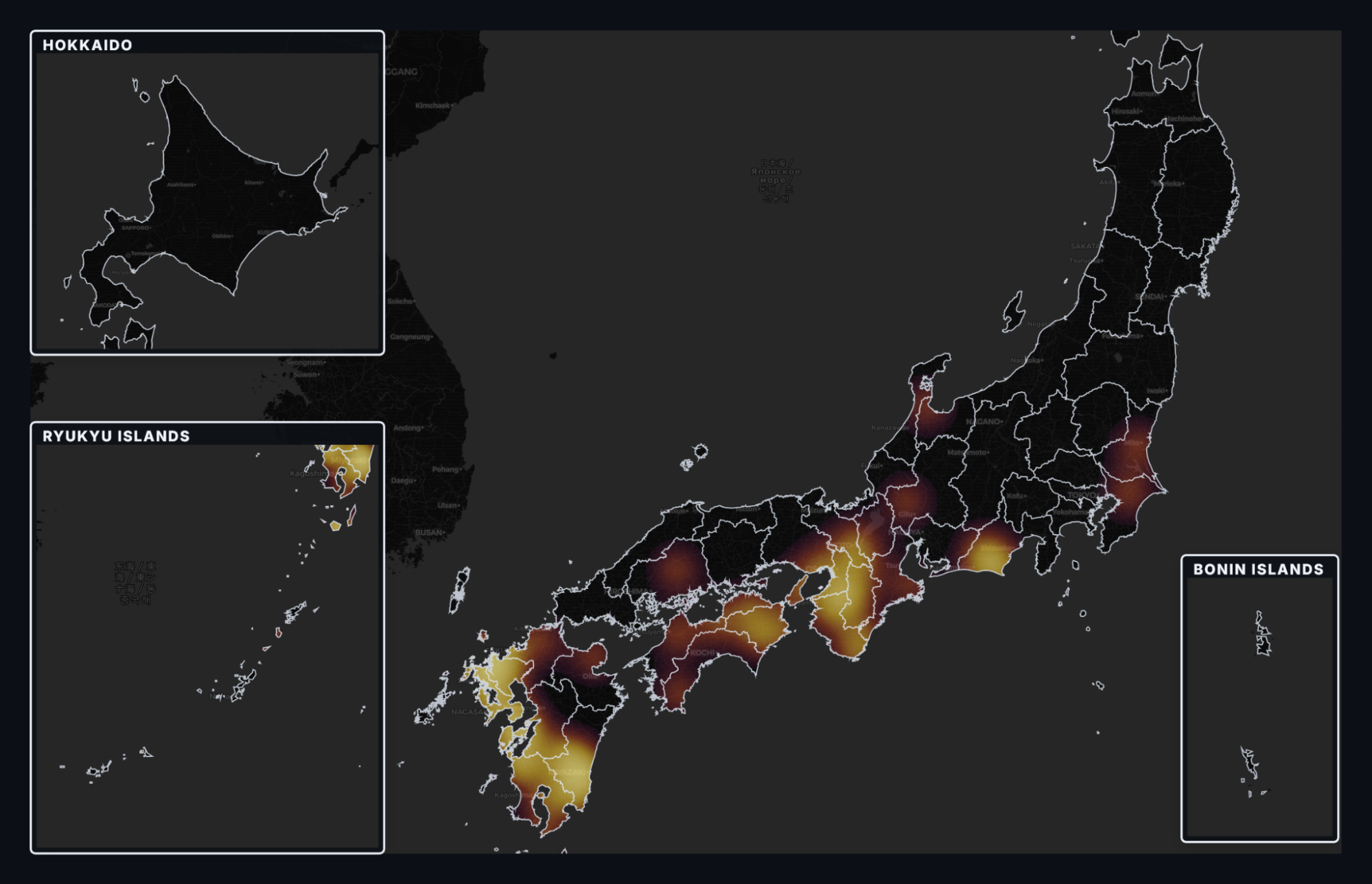
Found in the south.
Quercus mongolica (Mongolian Oak)
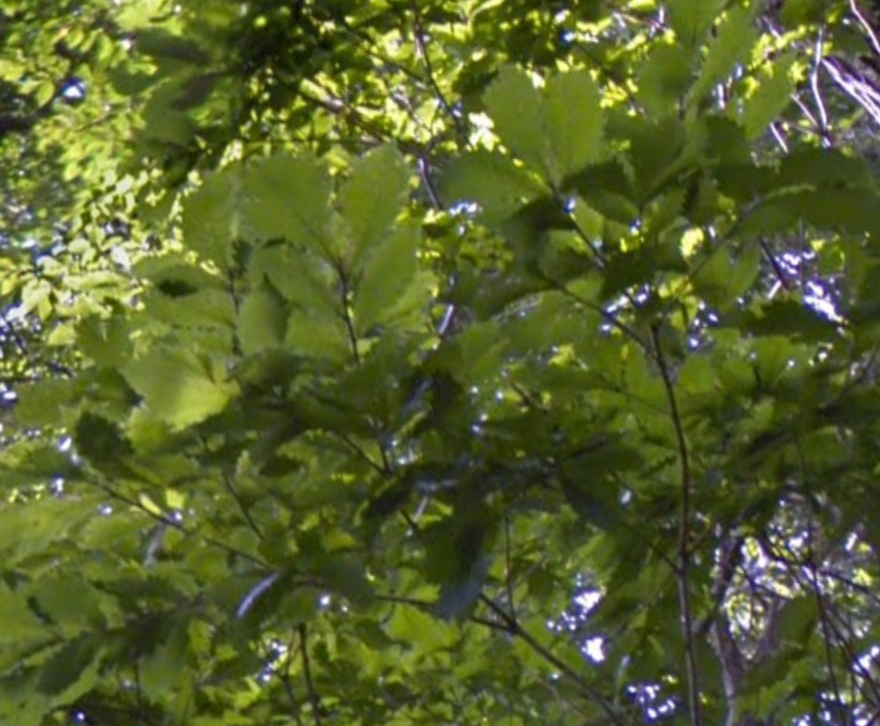
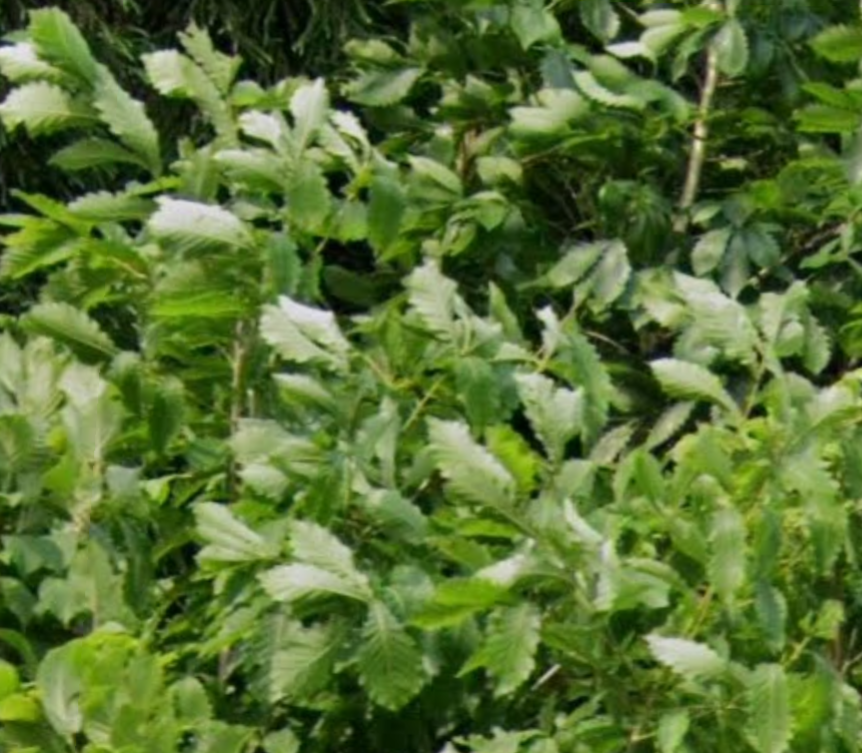
It is an oak that has gray bark and light green broad teethed leaves.
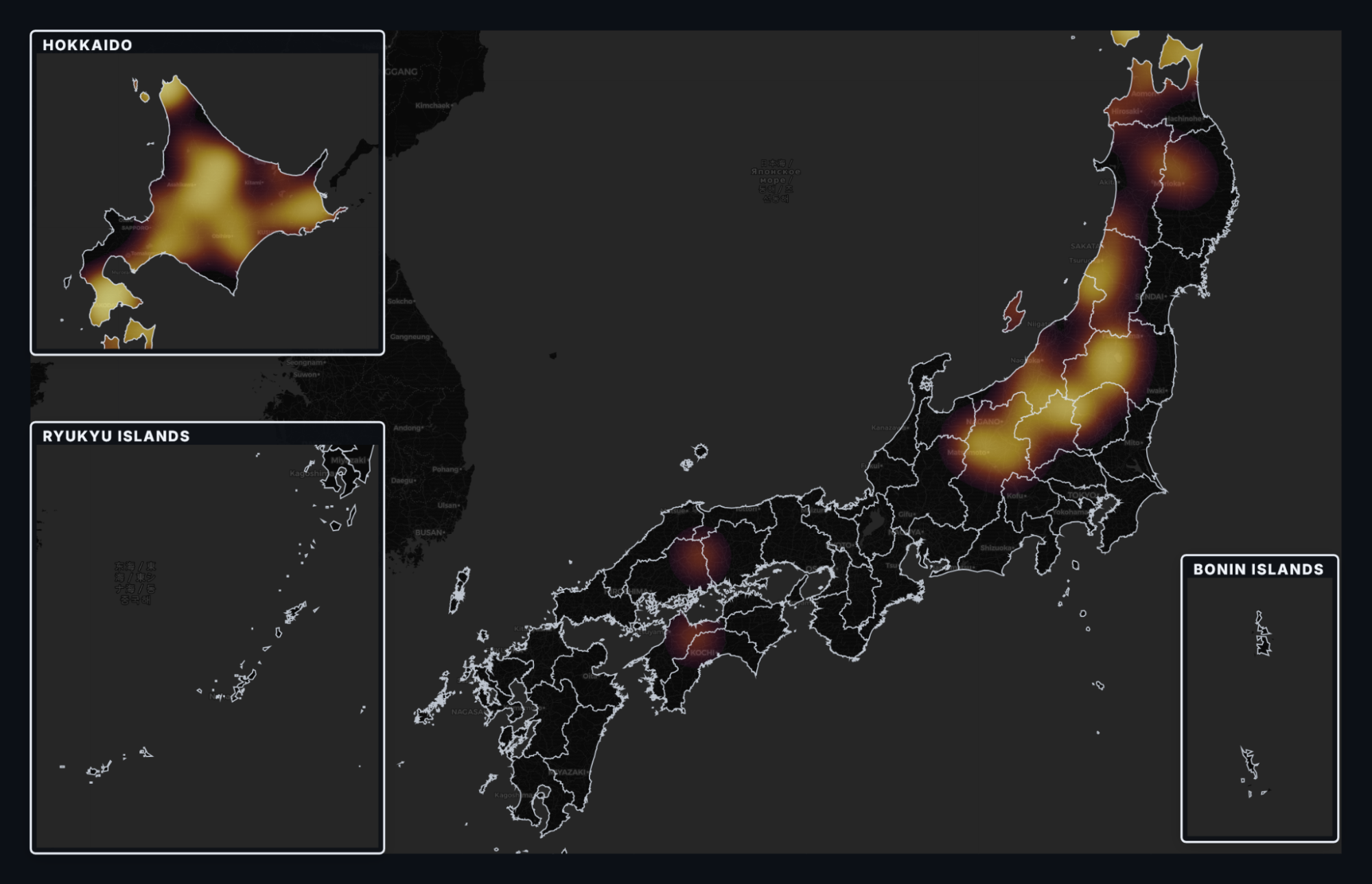
Found in the north.
Stone Oaks
Lithocarpus edulis (Japanese Stone Oak)
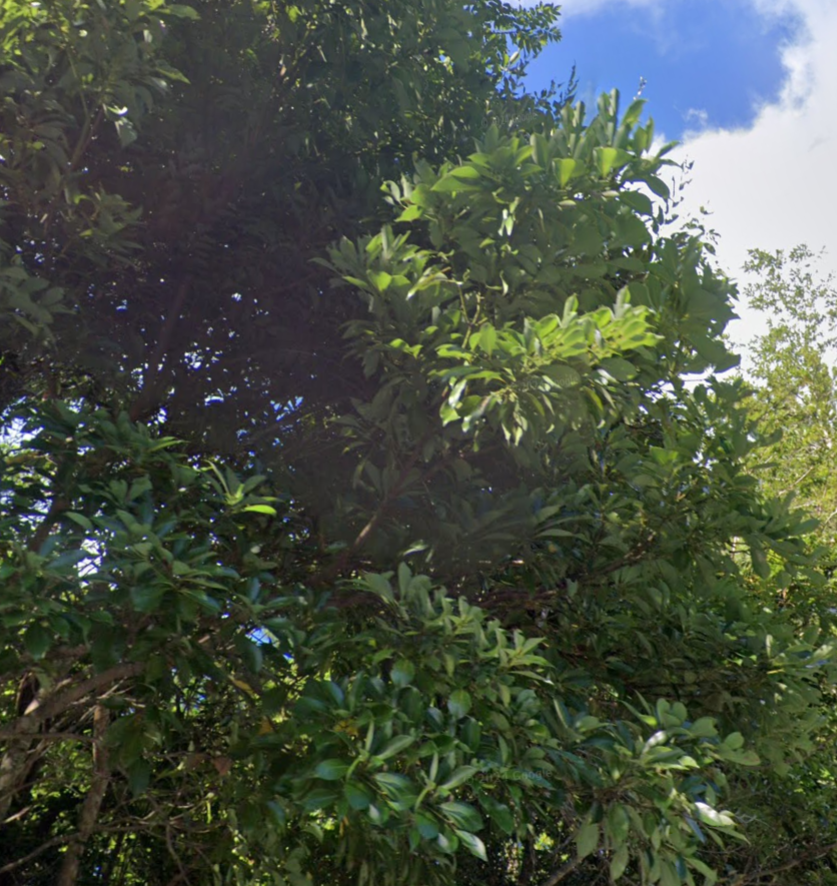
It has a smooth gray bark and leathery evergreen leaves with smooth edges.
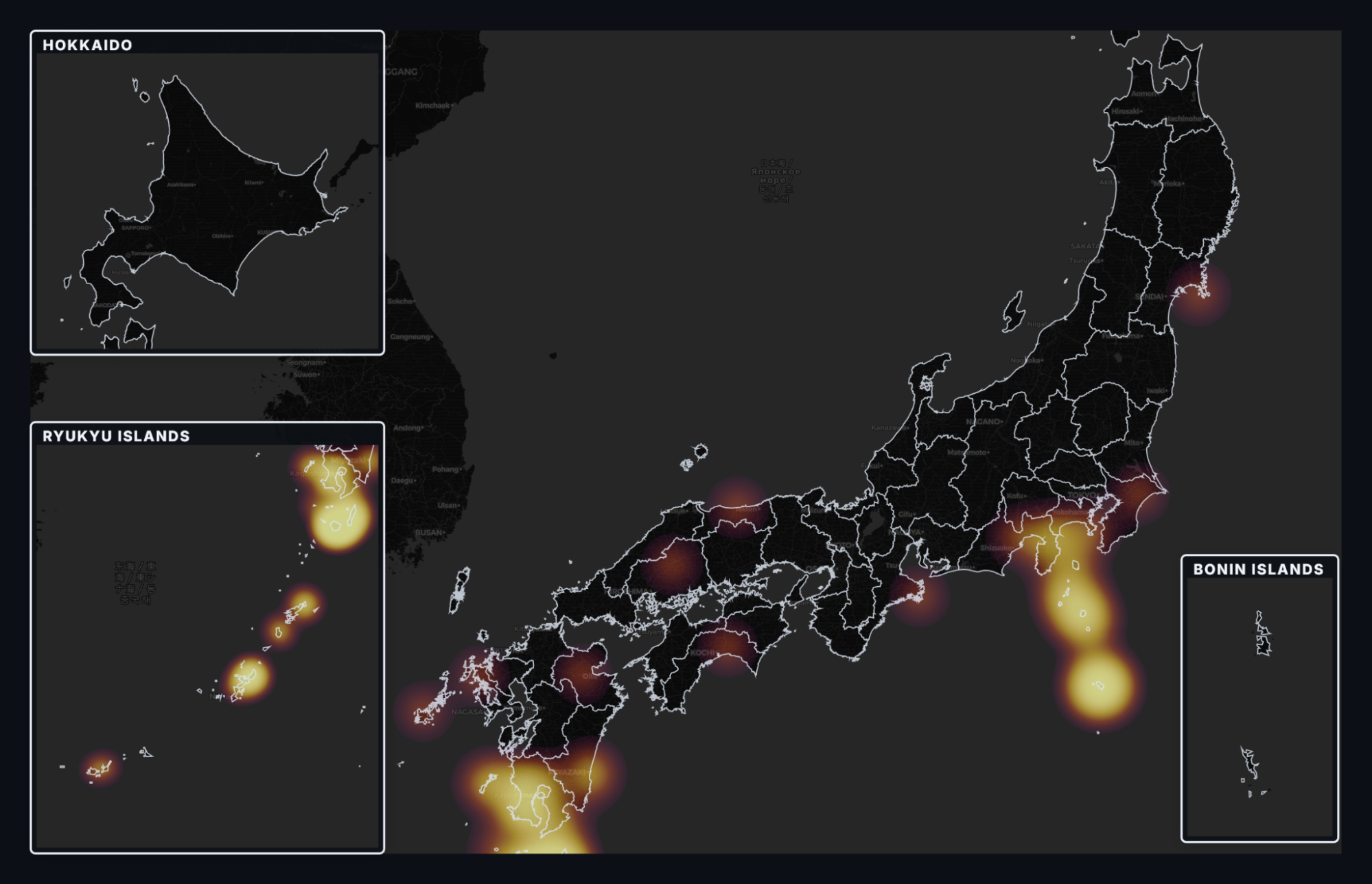
Found mostly on the Ryukyu and Tokyo Islands.
Walnuts
Juglans mandshurica (Manchurian Walnut)
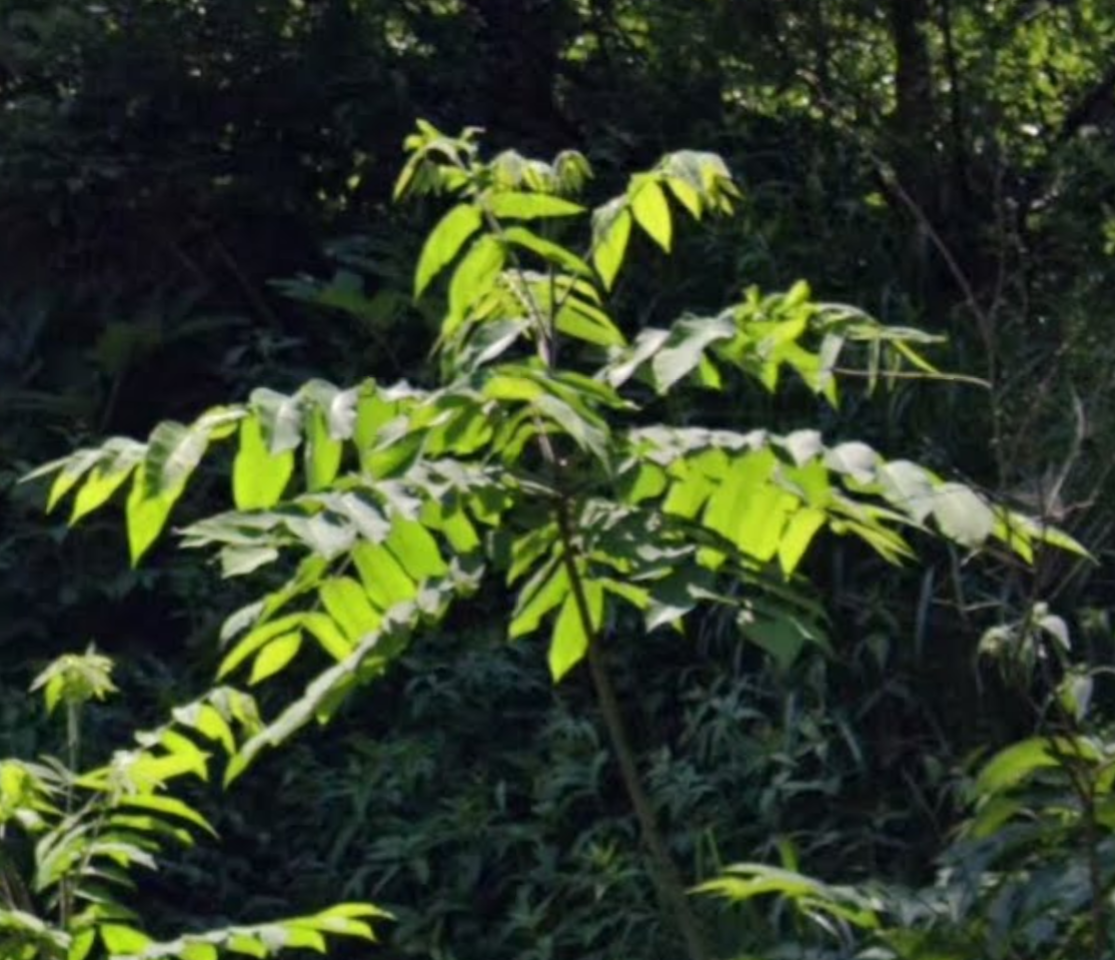
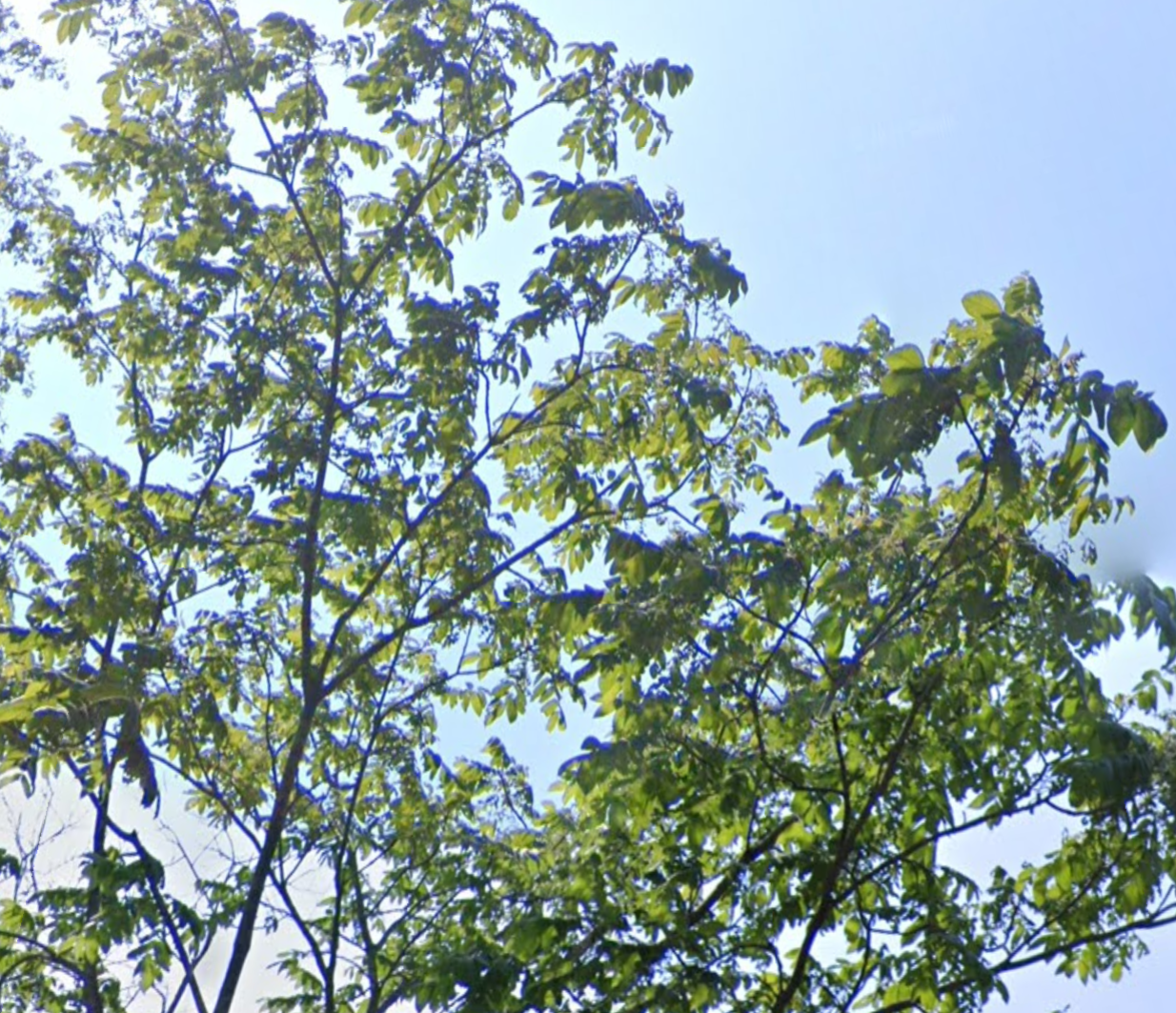
Has an open ball-like crown, light gray-brown bark and huge light green feather-like leaves. Very similar to Juglans ailantifolia but more twiggy looking.
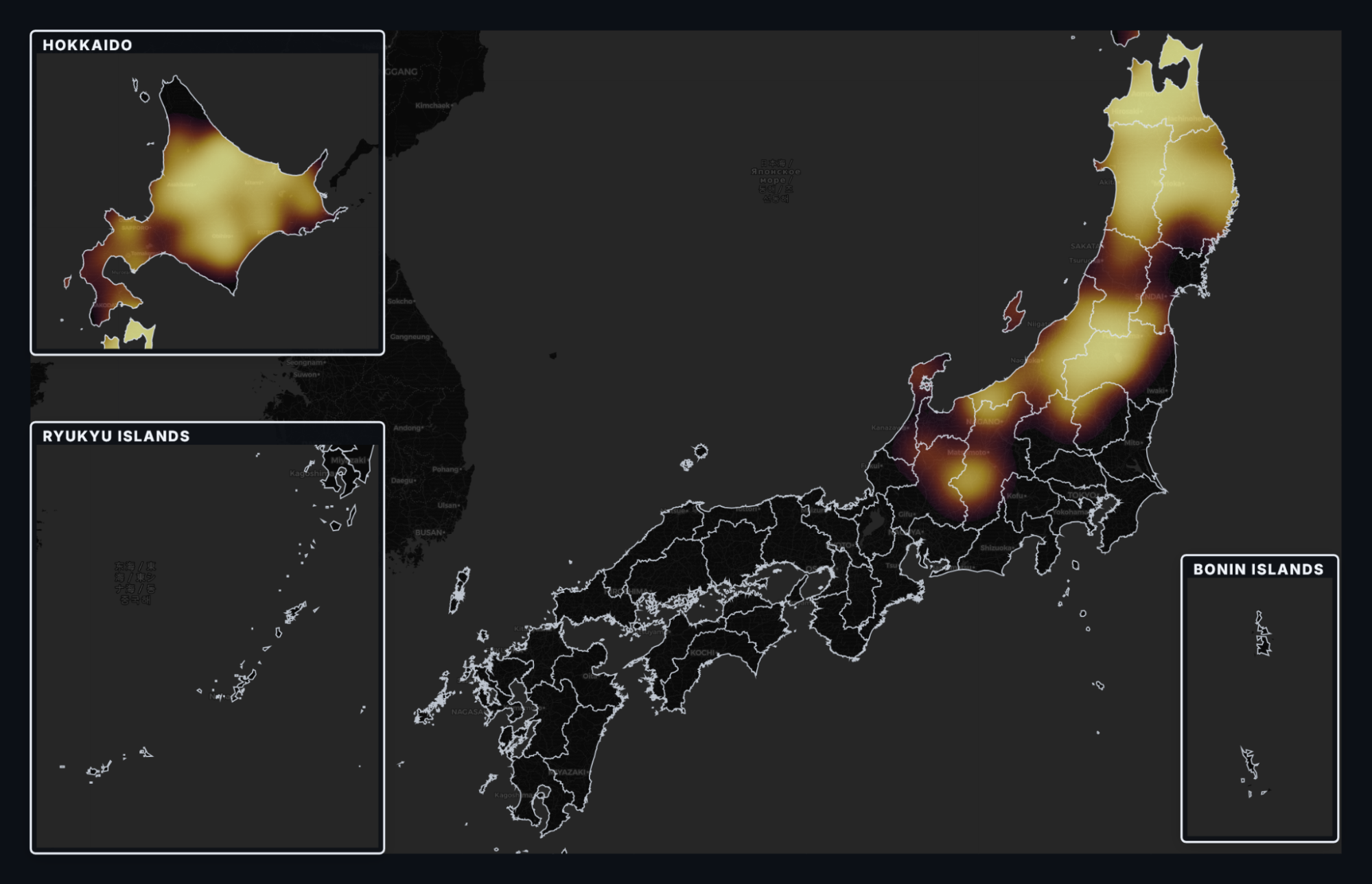
Found more often in the north.
Juglans ailantifolia (Japanese Walnut)
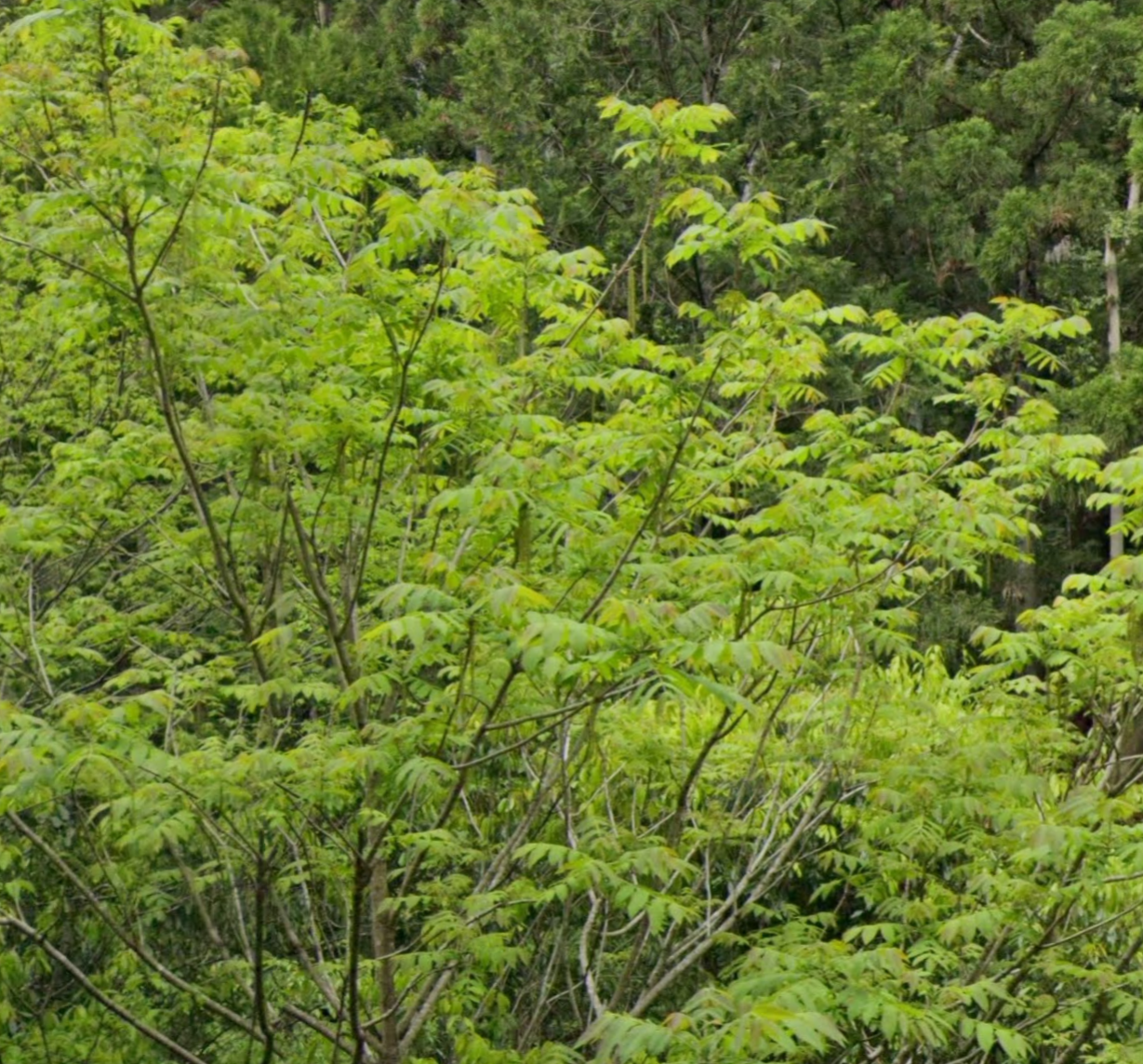
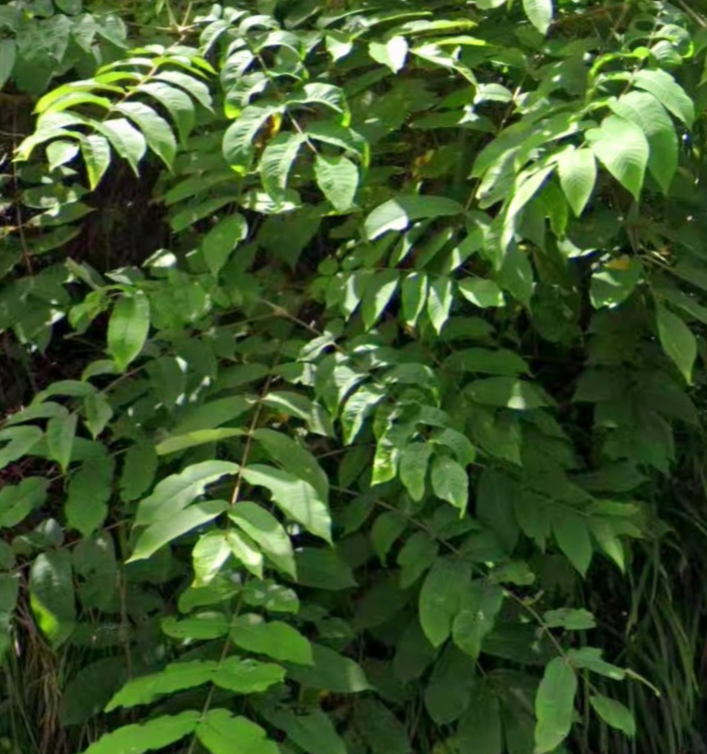
Very similar to Juglans mandshurica. The leaflets are more pointed at the end and have more yellowish hairs. Japanese Walnut will often look more like a tree than Manchurian Walnut.
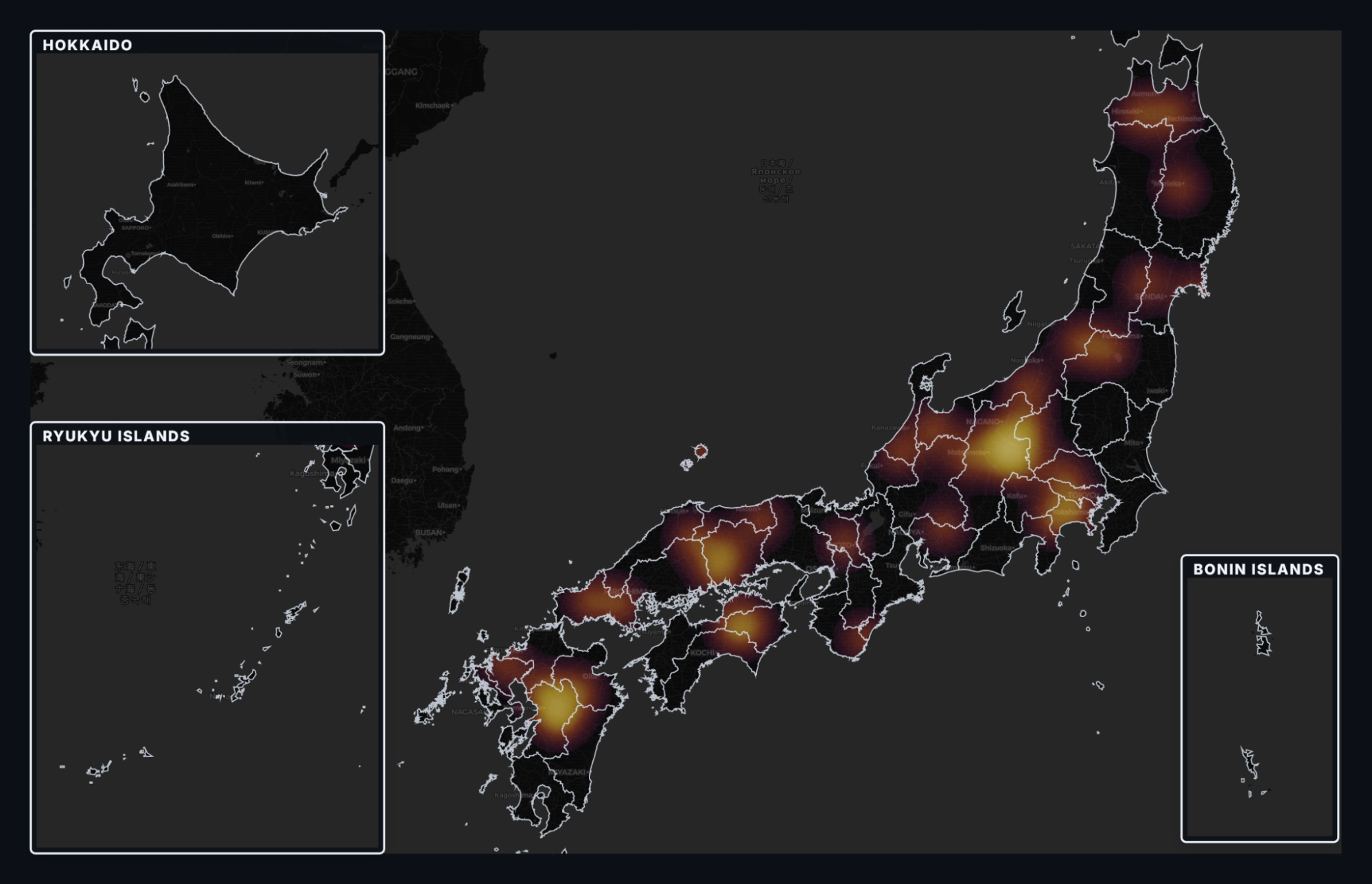
Found mostly on Honshu.
She-oaks
Casuarina equisetifolia (Beach Sheoak)
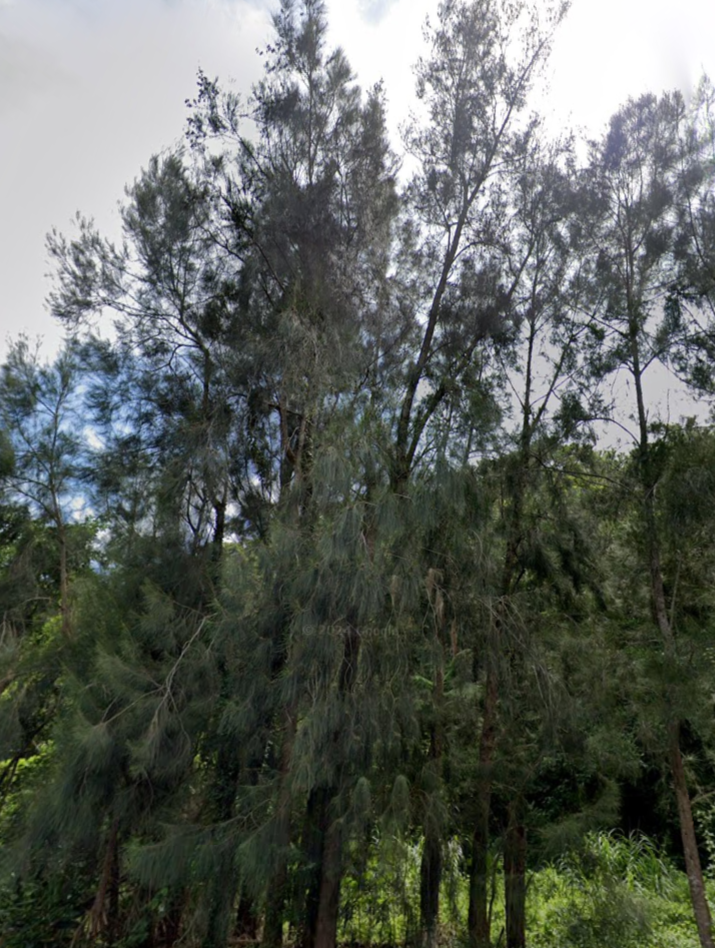
It has slender, drooping branchlets. The bark of the tree is grayish.
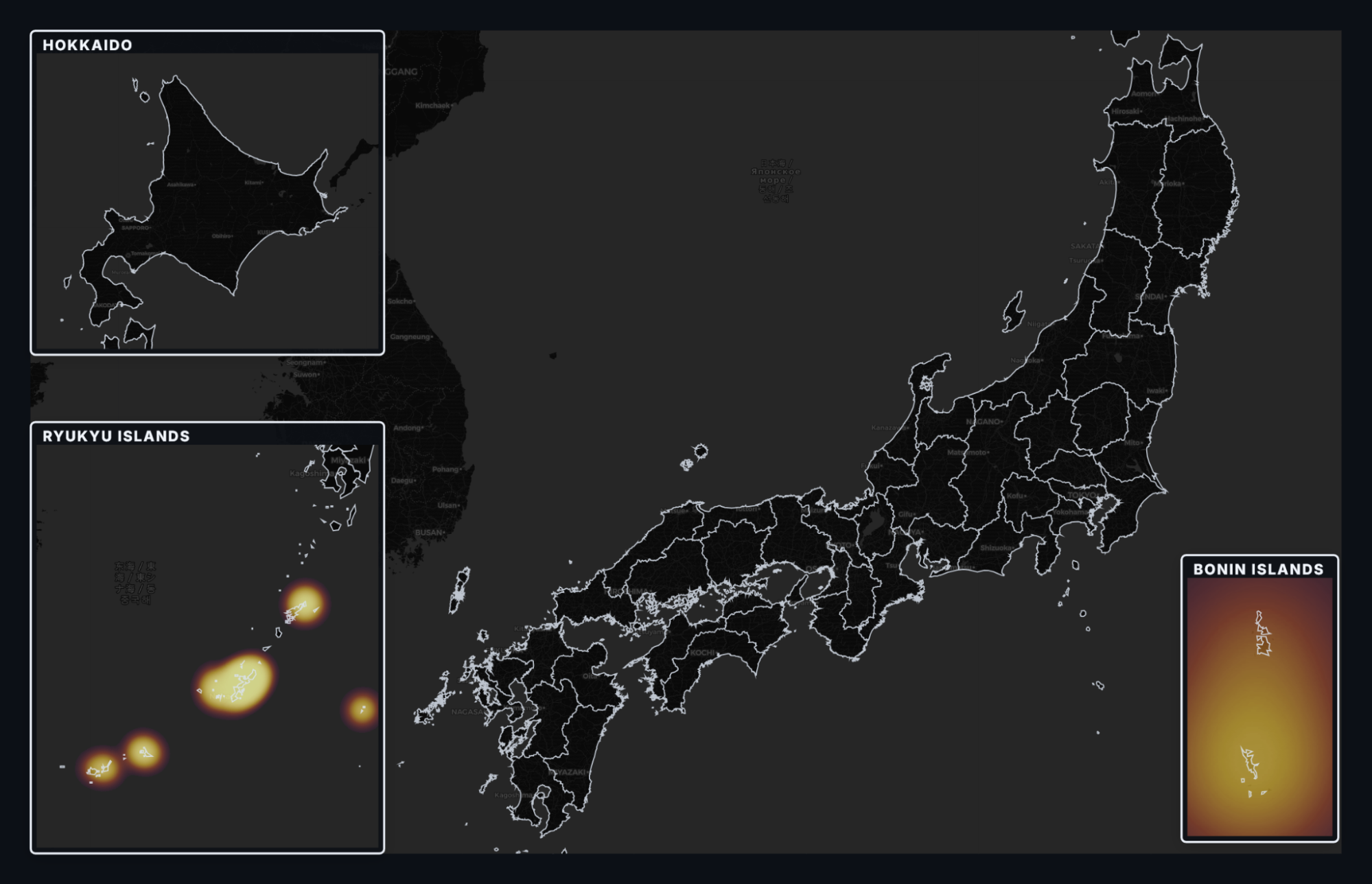
Found on the Ryukyu Islands.
Araliaceae
Fatsia
Fatsia japonica (Japanese Aralia)
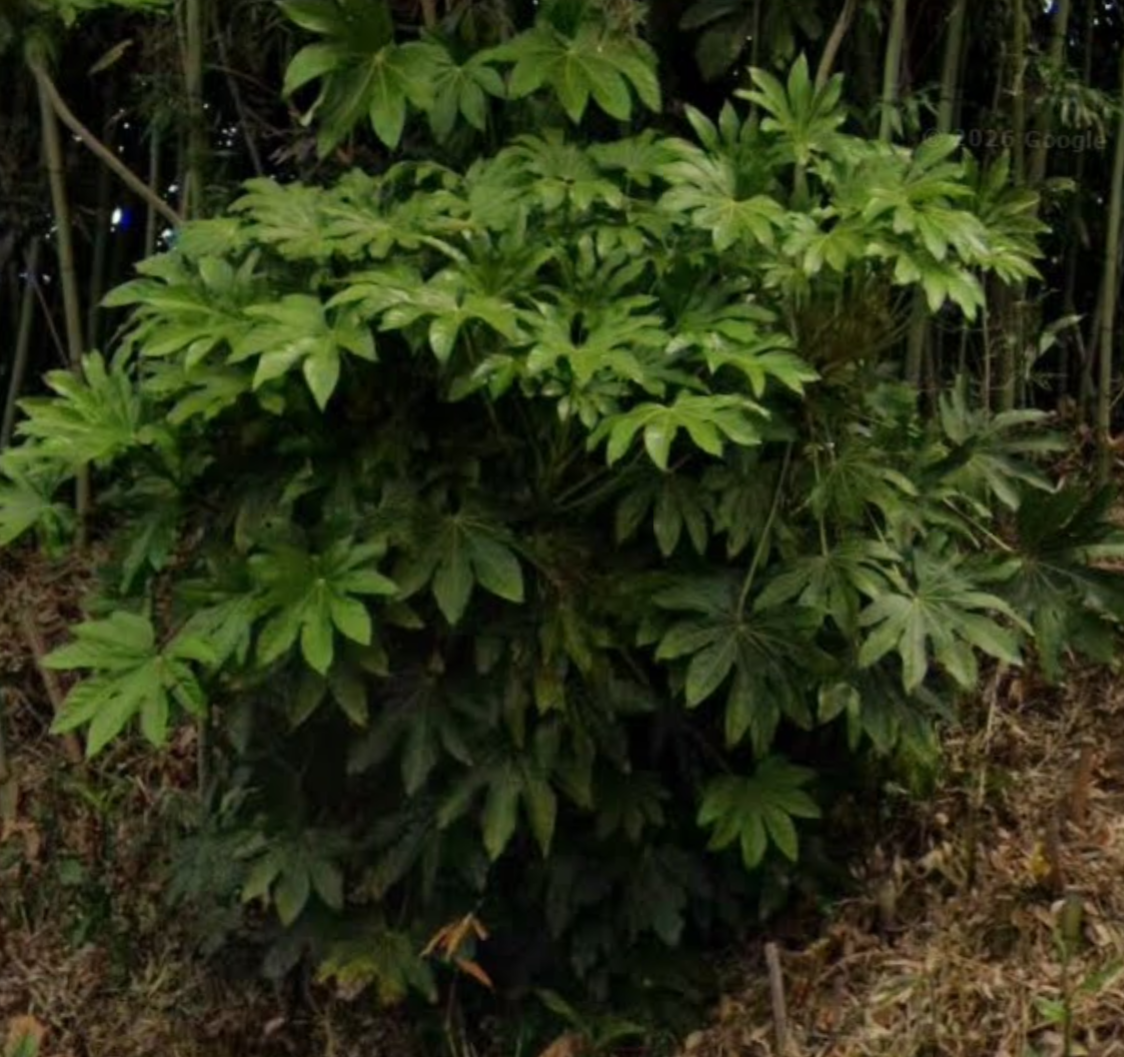
Is a shrub with a very unique spirally-arranged leaf shape that kind of looks like a Papaya.
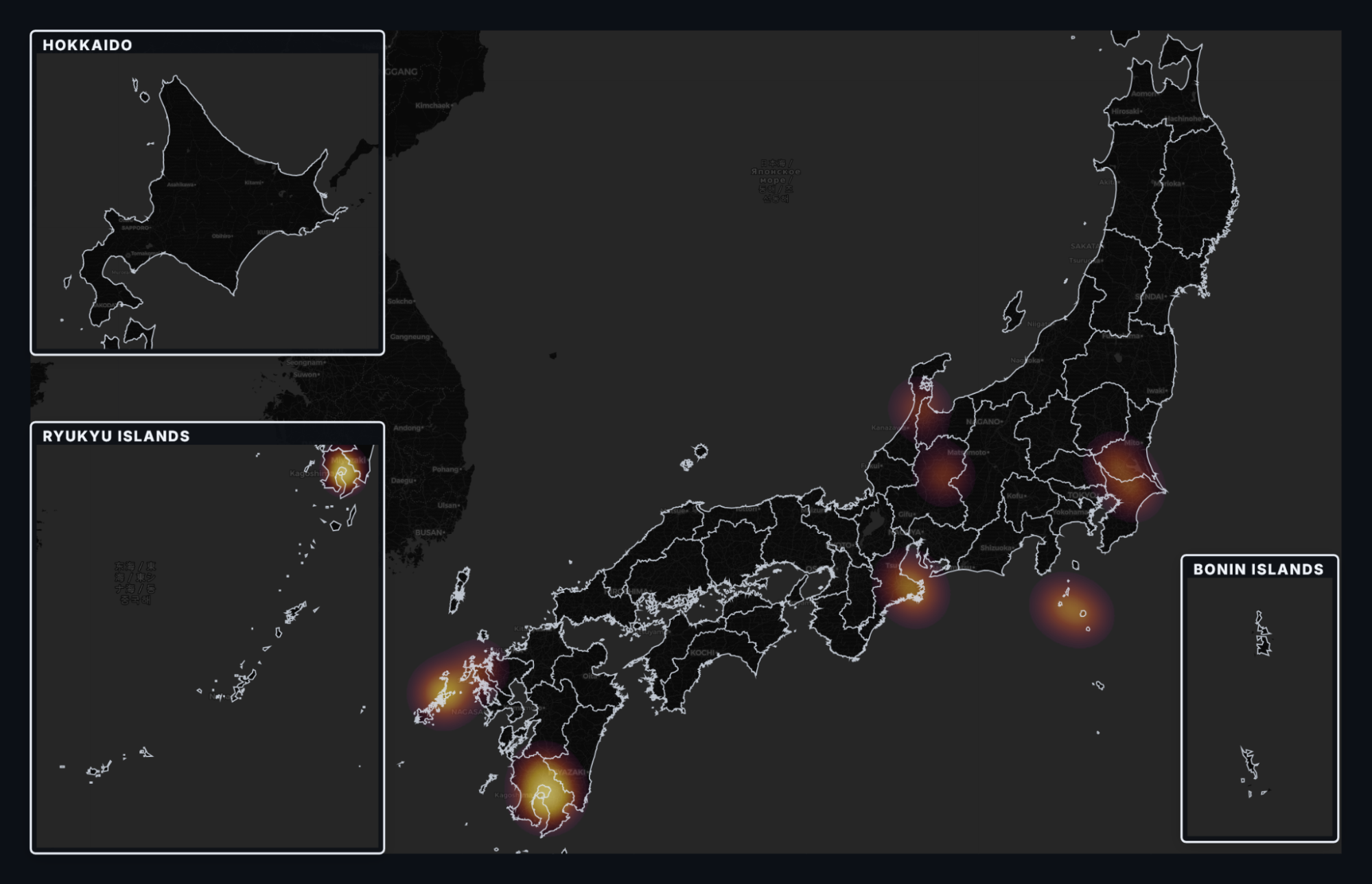
Should be found from Kanto southwards but I can't find any more of these.
Kalopanax
Kalopanax septemlobus (Castor-Aralia)
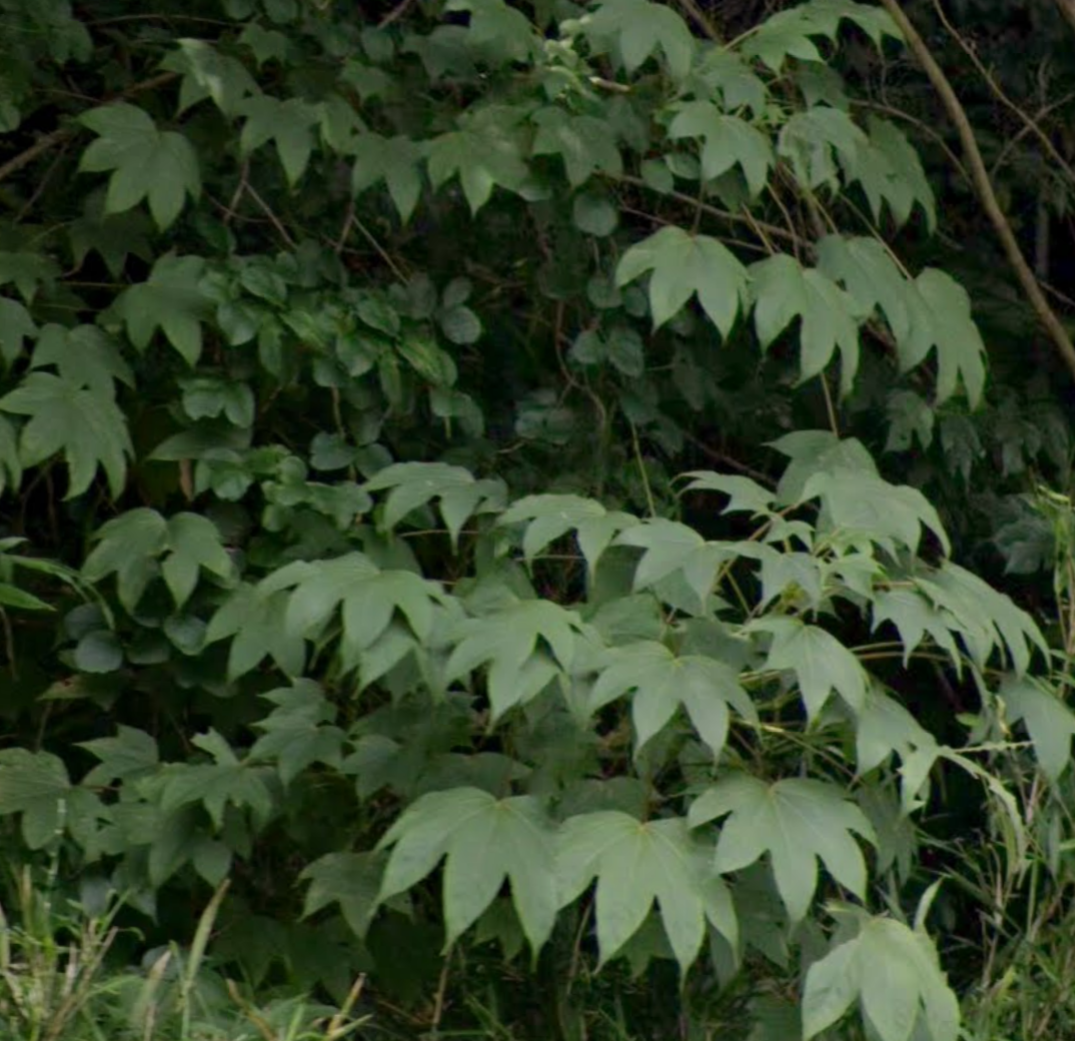
It kind of looks like a fat maple leaf with 5-7 lobes.
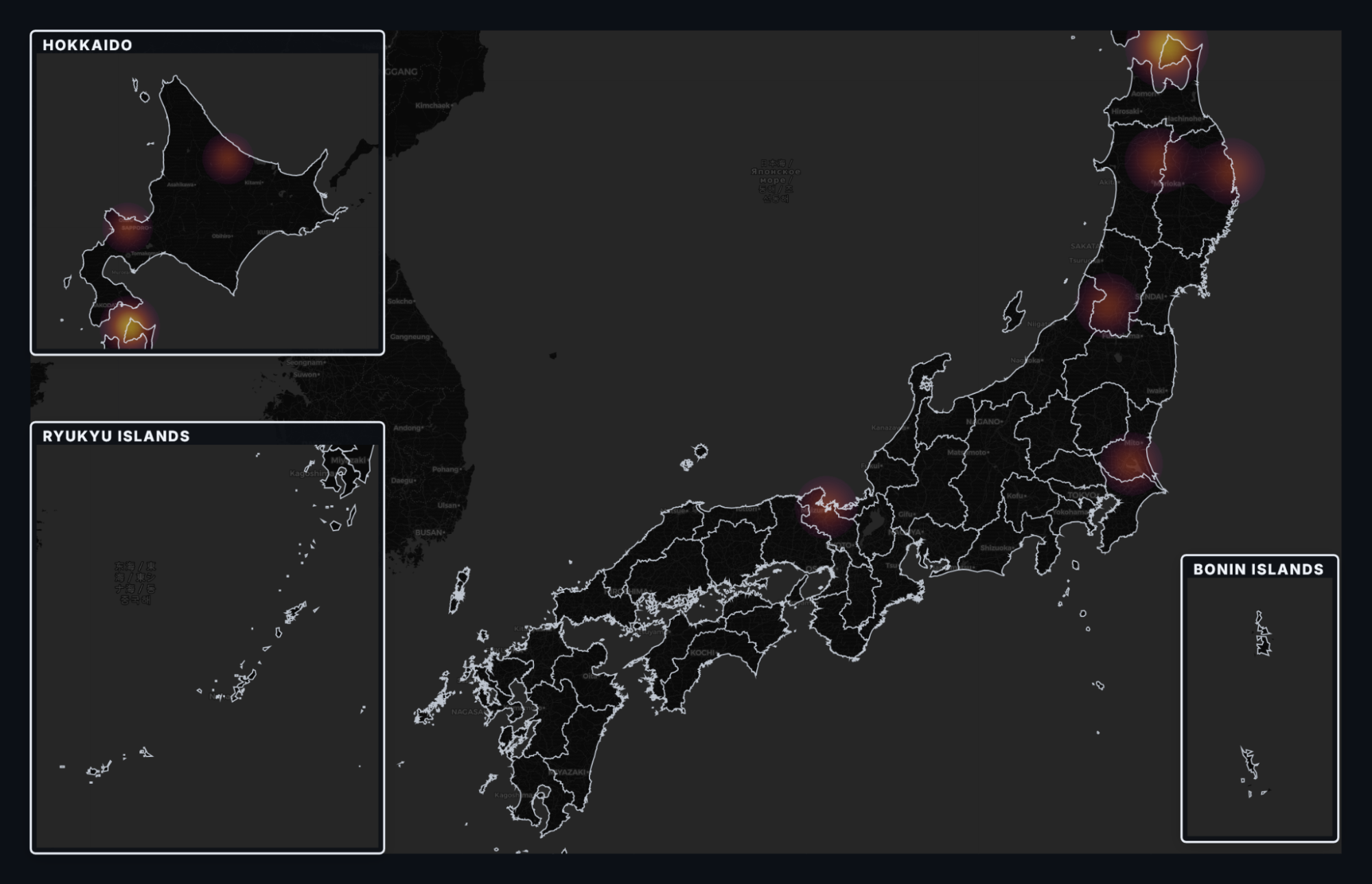
Mostly north of Kanto.
Umbrella Trees
Heptapleurum heptaphyllum (Ivy Tree)
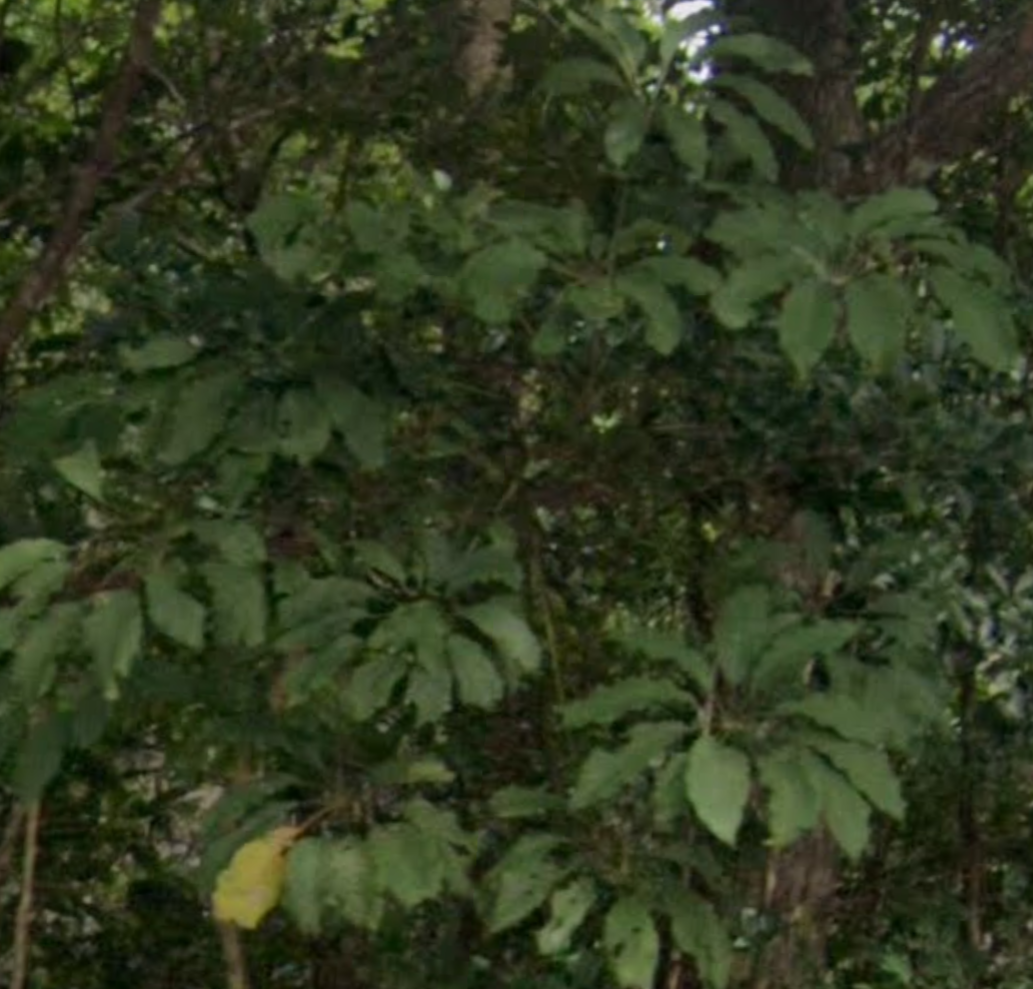
The leaflets are leathery and have wavy edges and are grown in a circular pattern.
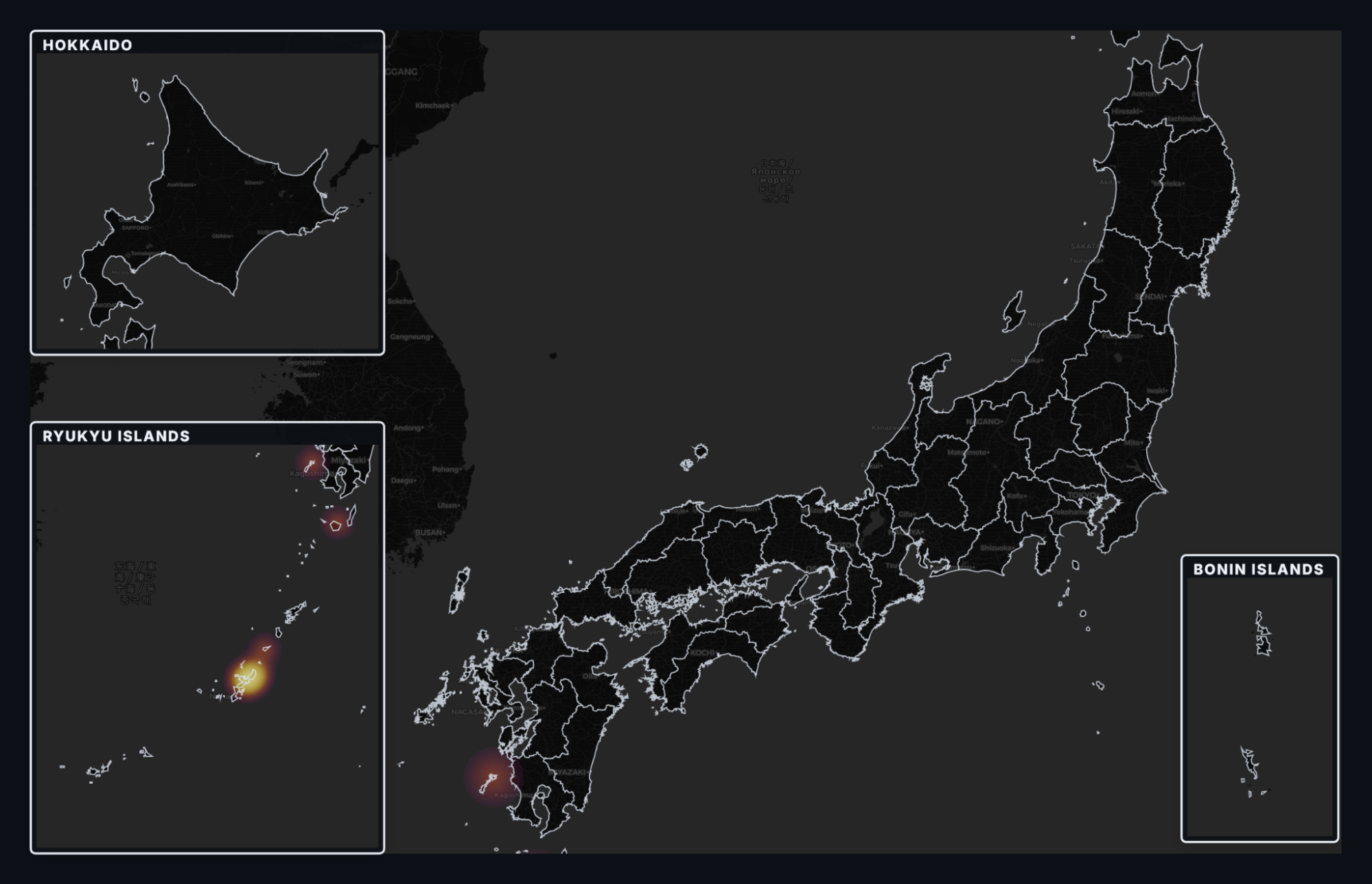
Found on the southern Islands.
Heptapleurum arboricola (Dwarf/Miniature Umbrella Tree)
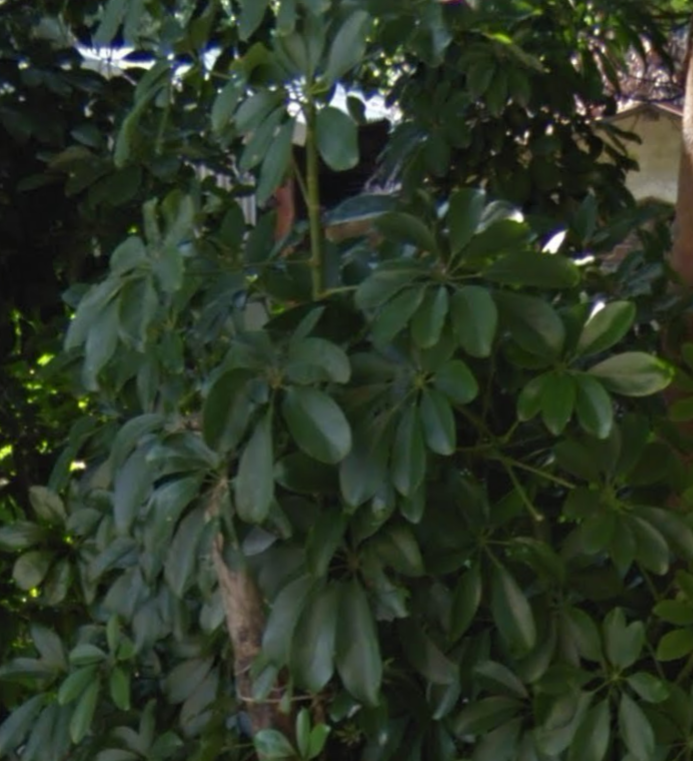
It is an evergreen shrub. The leaves are leathery in texture and have 7-9 leaflets in a circular pattern.
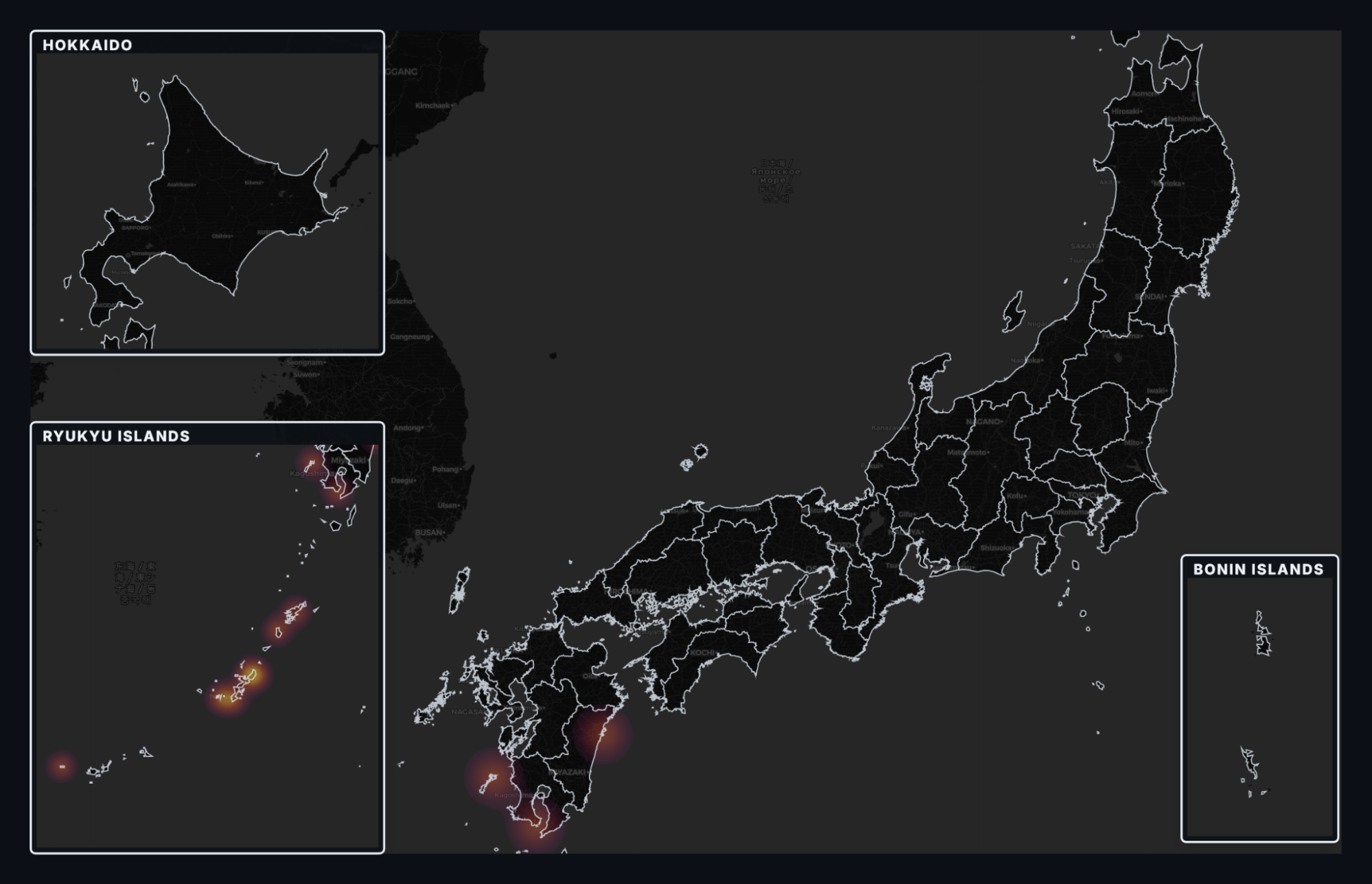
Found in the south.
Pittosporaceae
Cheesewoods
Pittosporum tobira (Japanese Cheesewood)
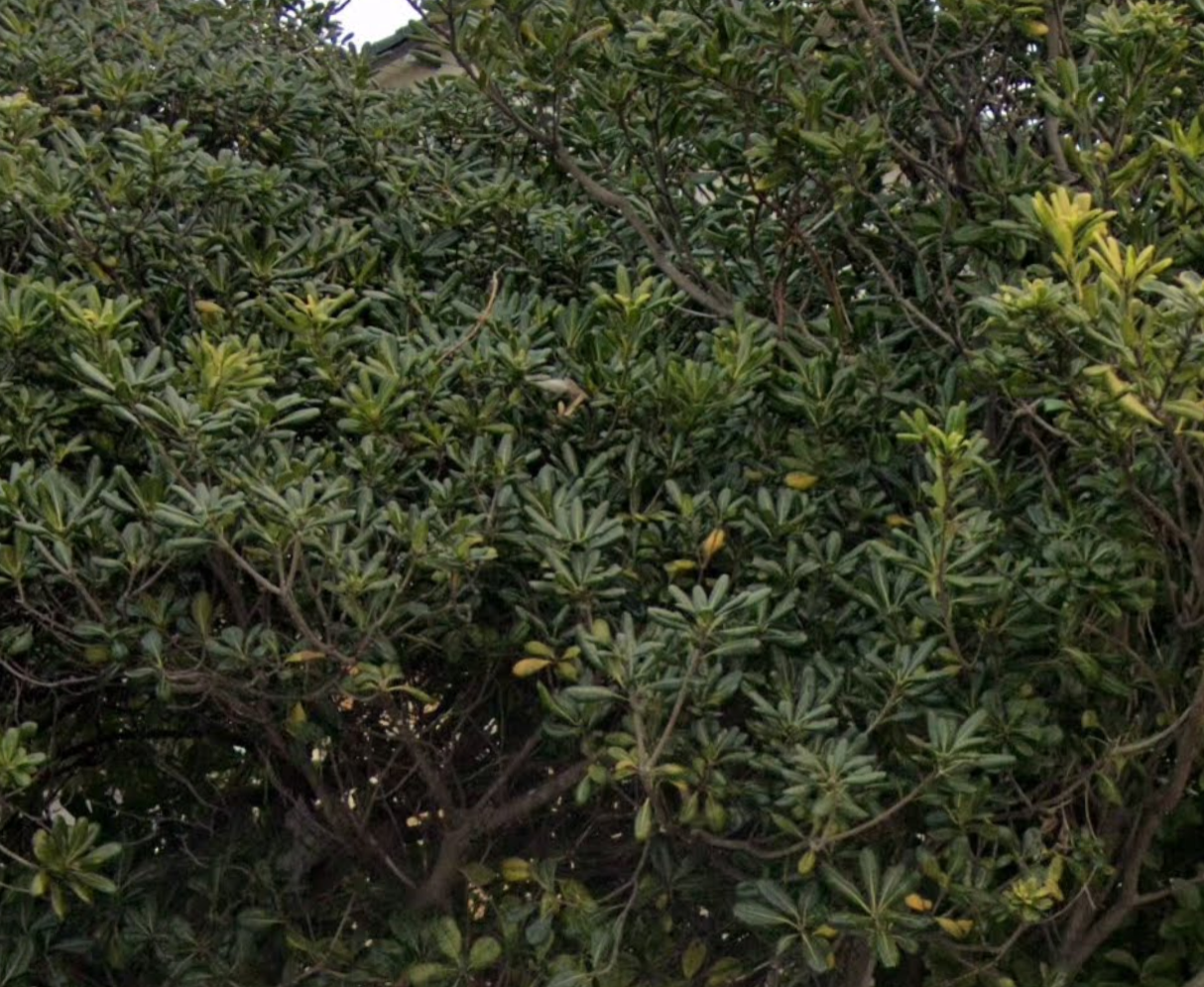
The leaves are oval and long in shape and leathery and shiny.
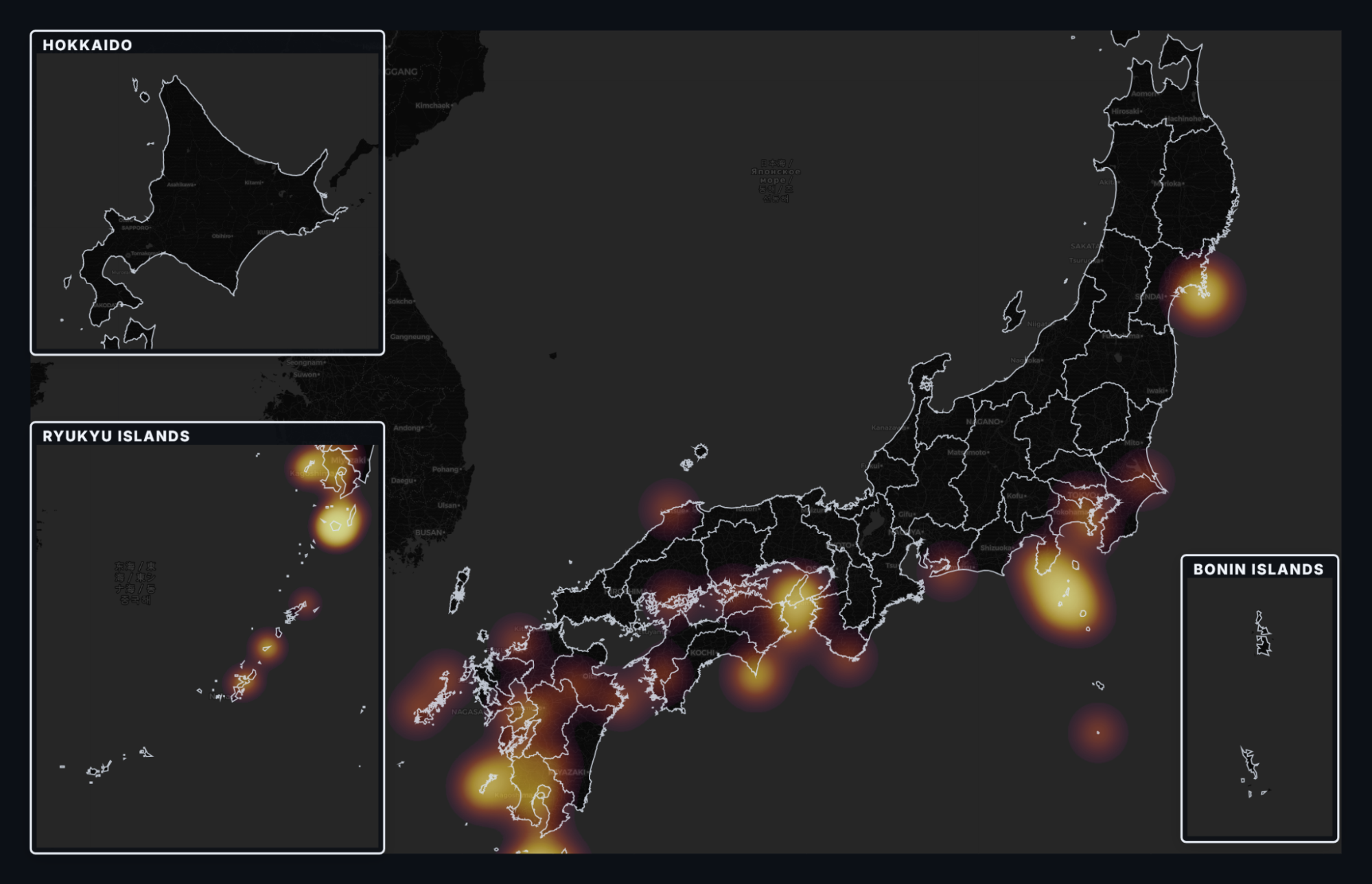
Found in the south of the country including islands.
Cornales
Dogwoods
Cornus controversa (Giant Dogwood/Wedding Cake Tree)
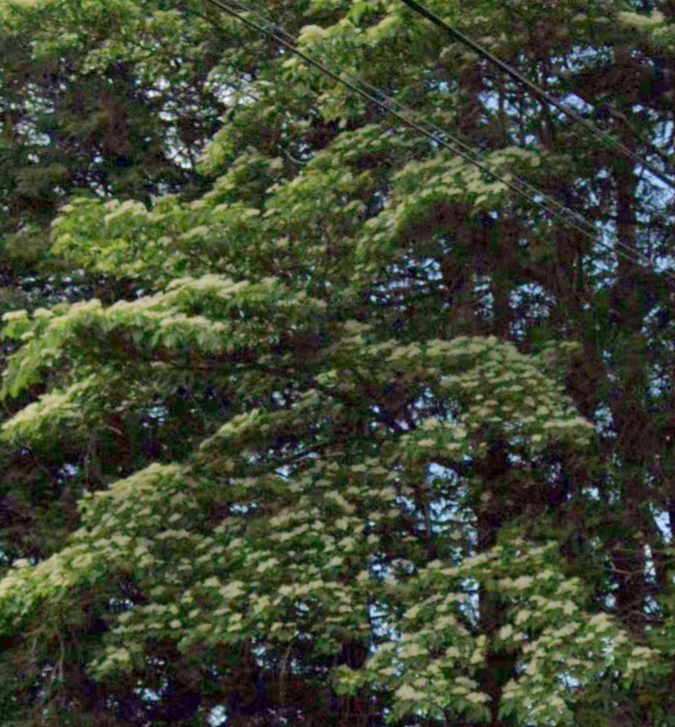
A very beautiful looking dogwood with layers of small white flowers.
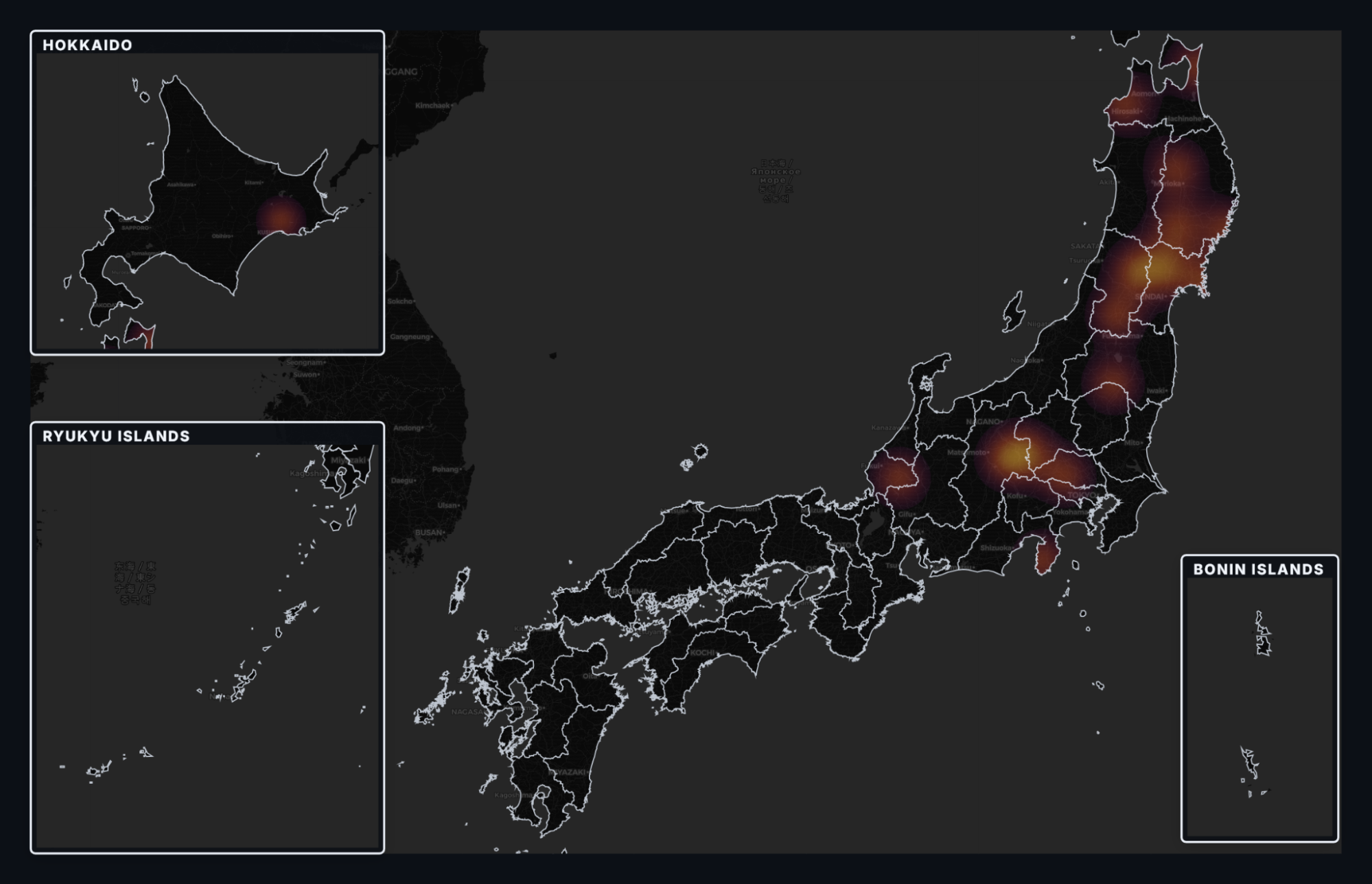
Mostly in the north.
Cornus kousa (Kousa Dogwood/Japanese Dogwood)
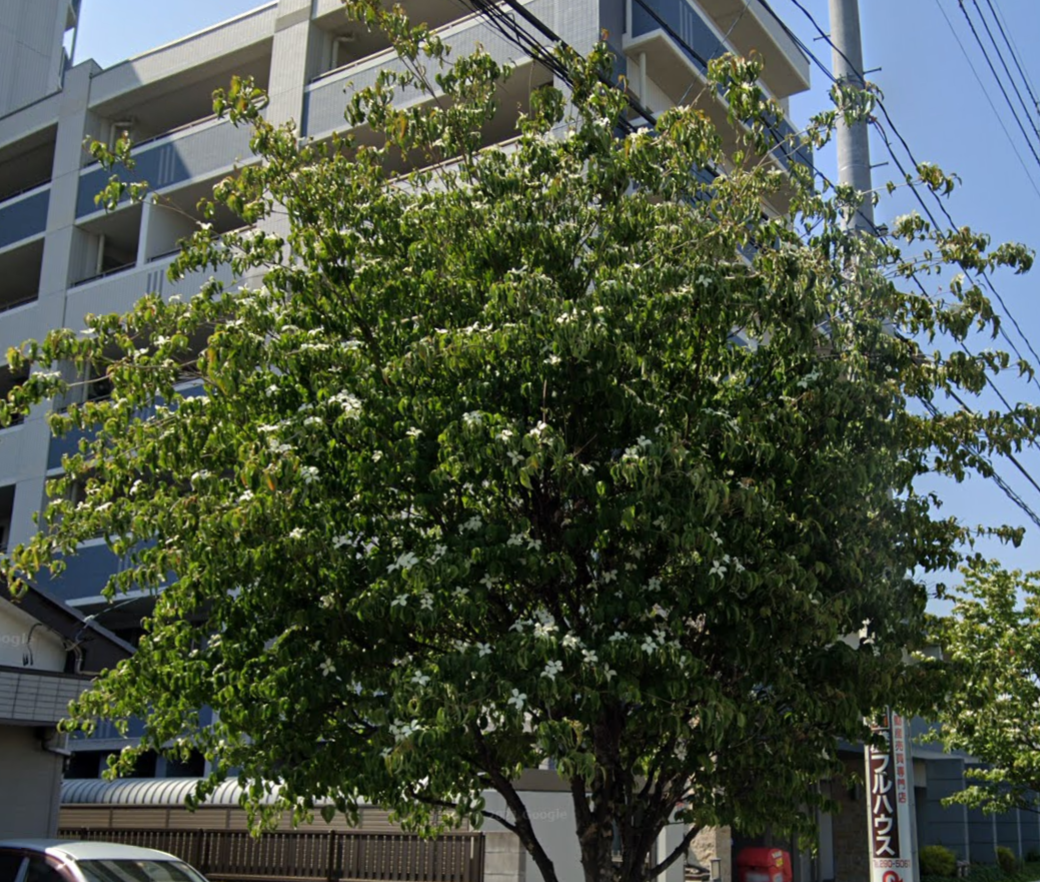
A small dogwood species with white flowers that have 4 petals.
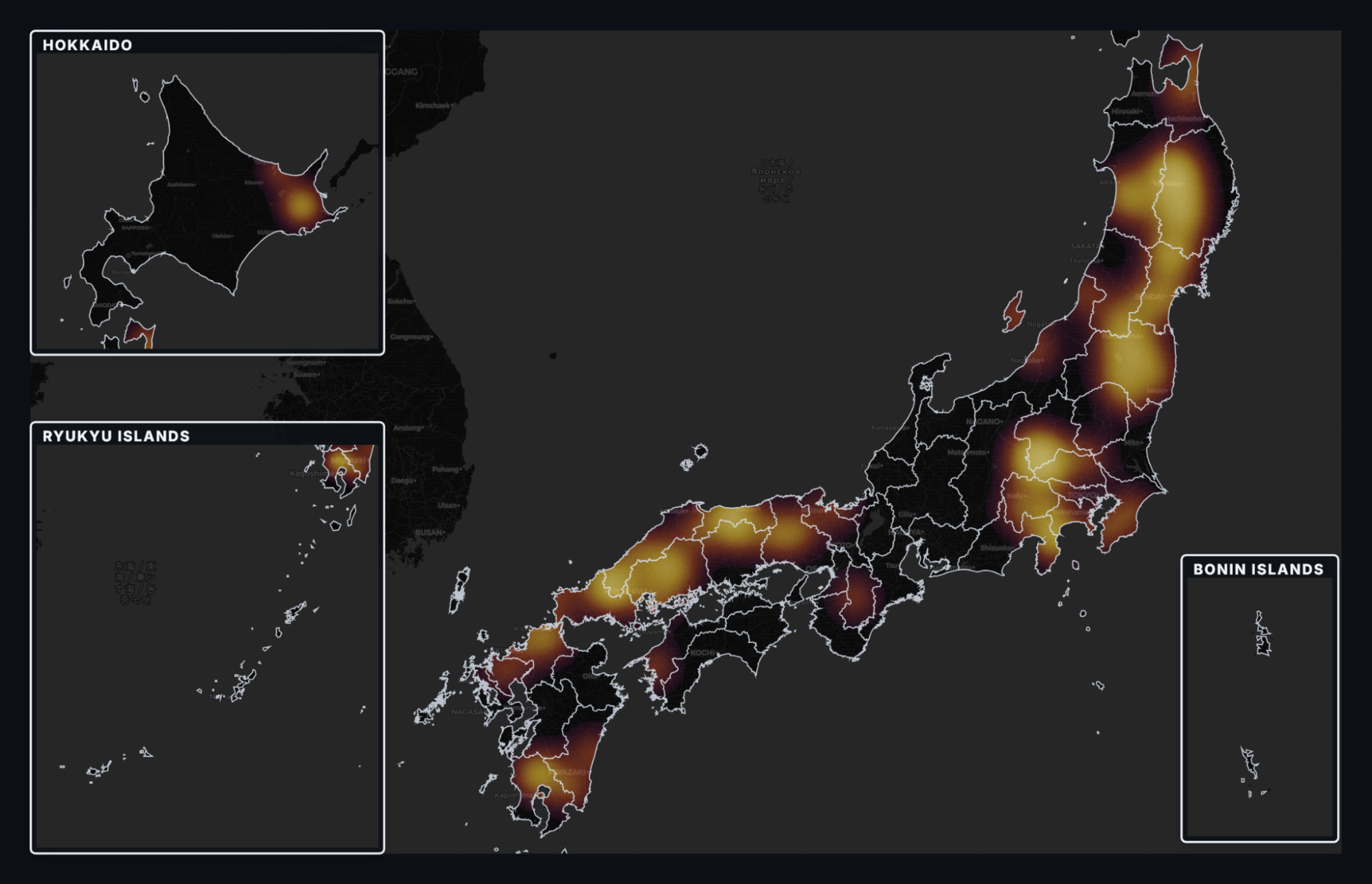
Mostly in Honshu but not Chubu.
Cornus macrophylla (Large-Leaf Dogwood)
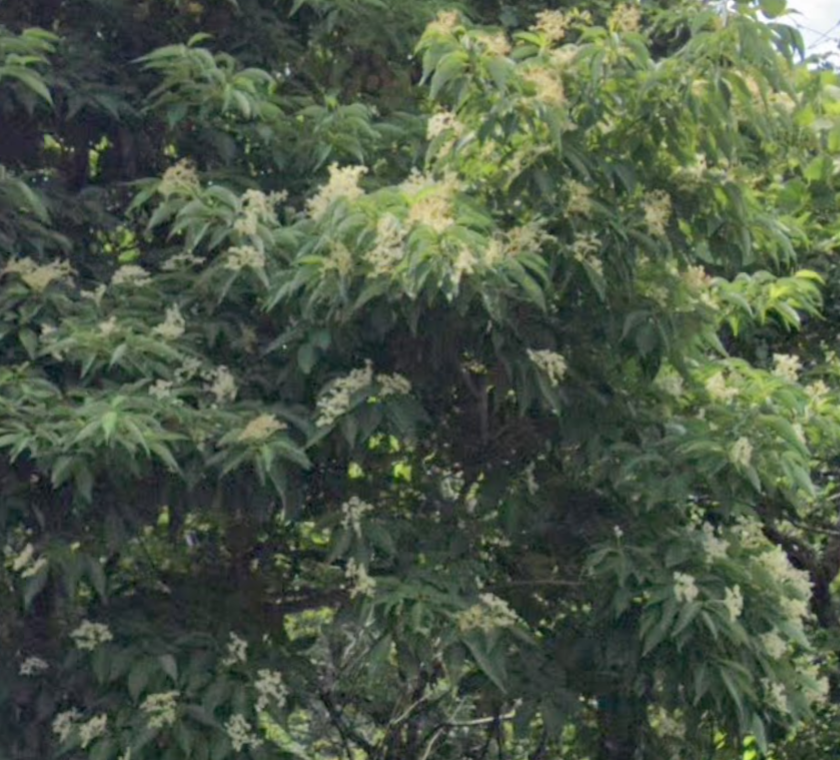
Obviously a species of dogwood with large leaves. The flowers are made of little tiny smaller flowers similar to Cornus controversa.
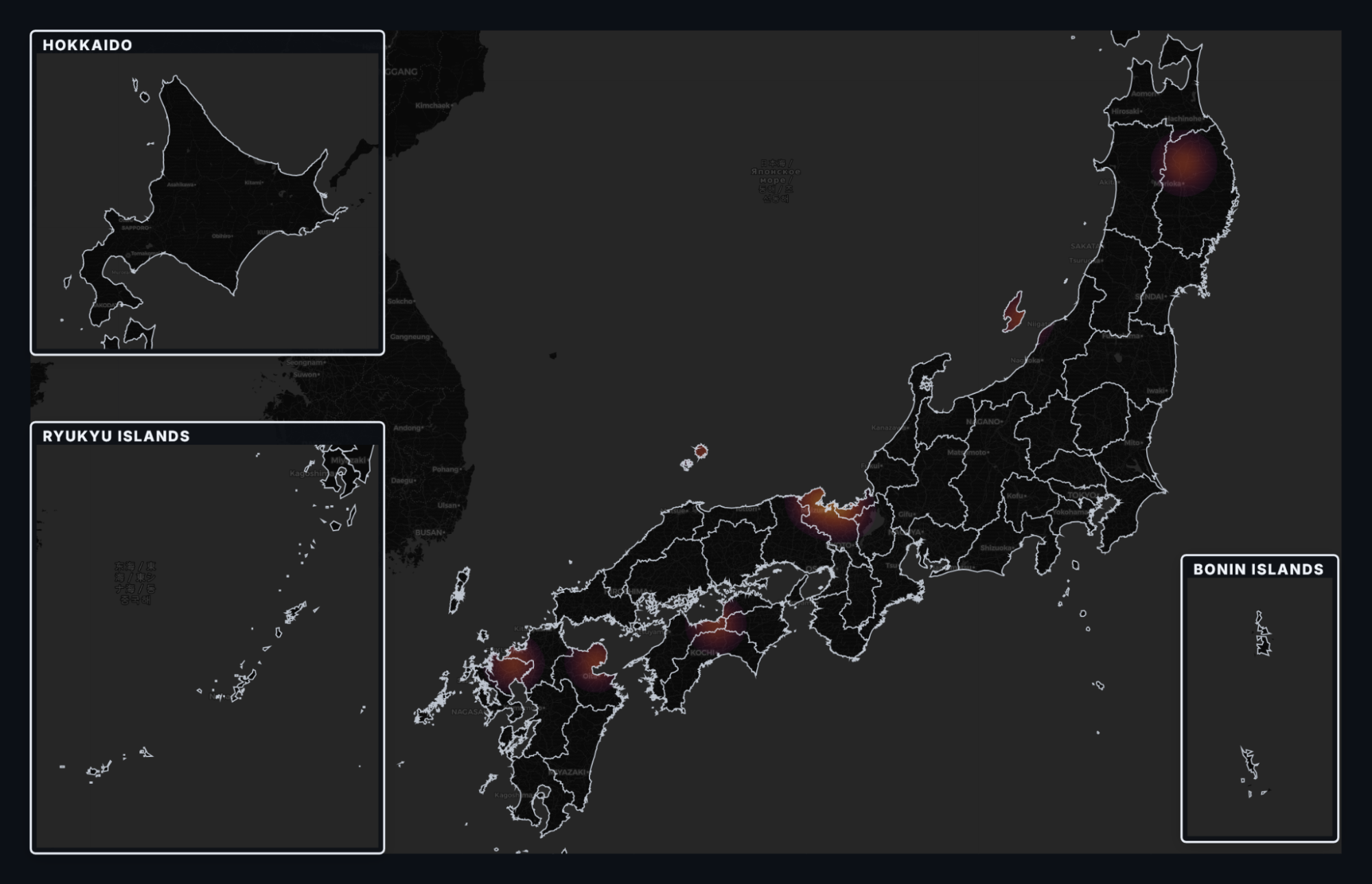
Will update distribution with more locs.
Hydrangeas
Hydrangea involucrata
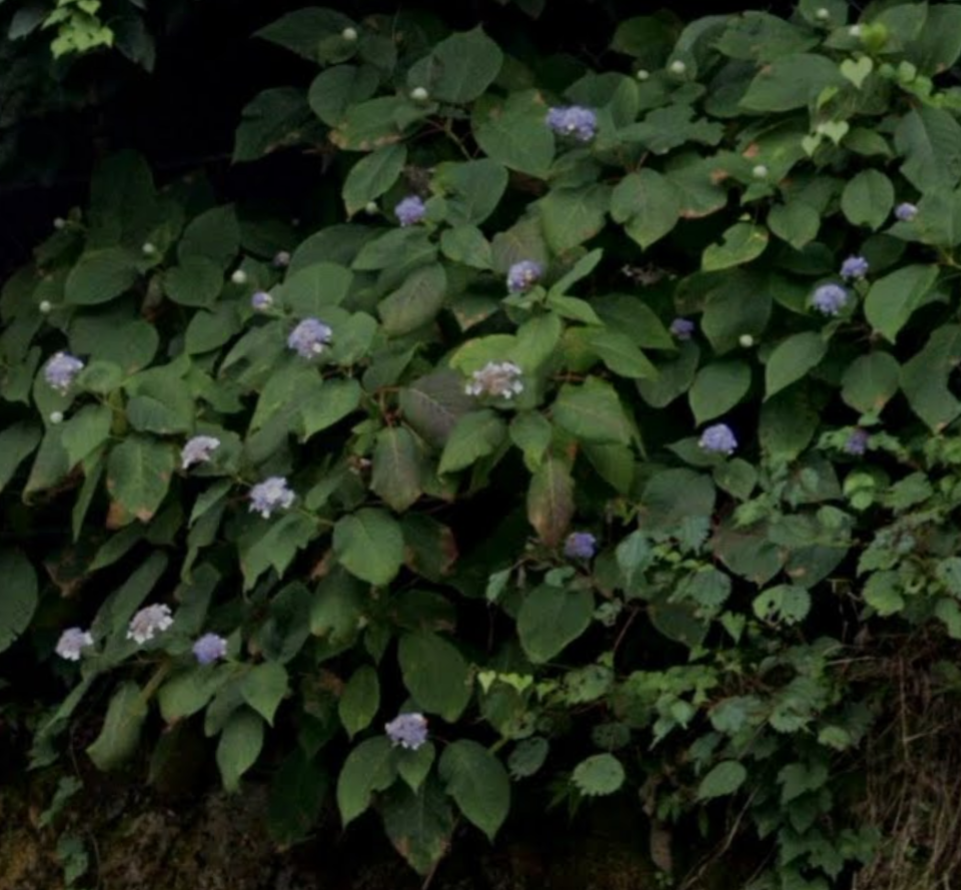
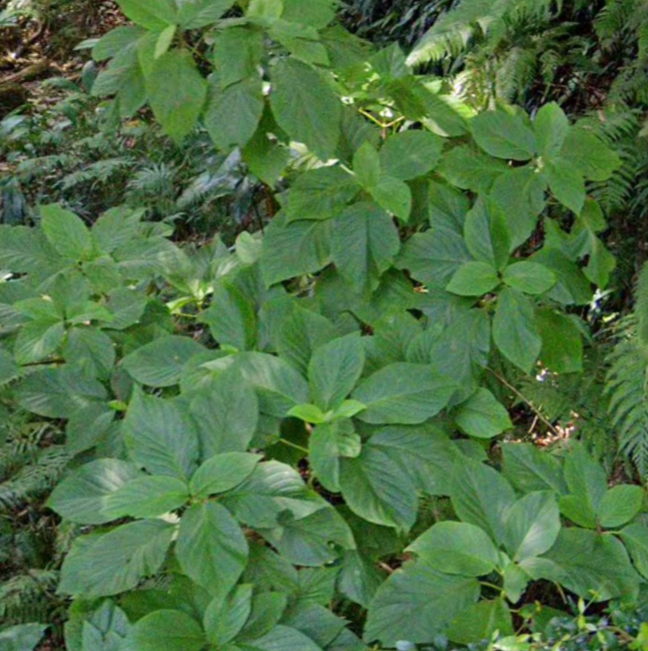
It is a shrub with oval leaves and small blue or pink flower clusters.
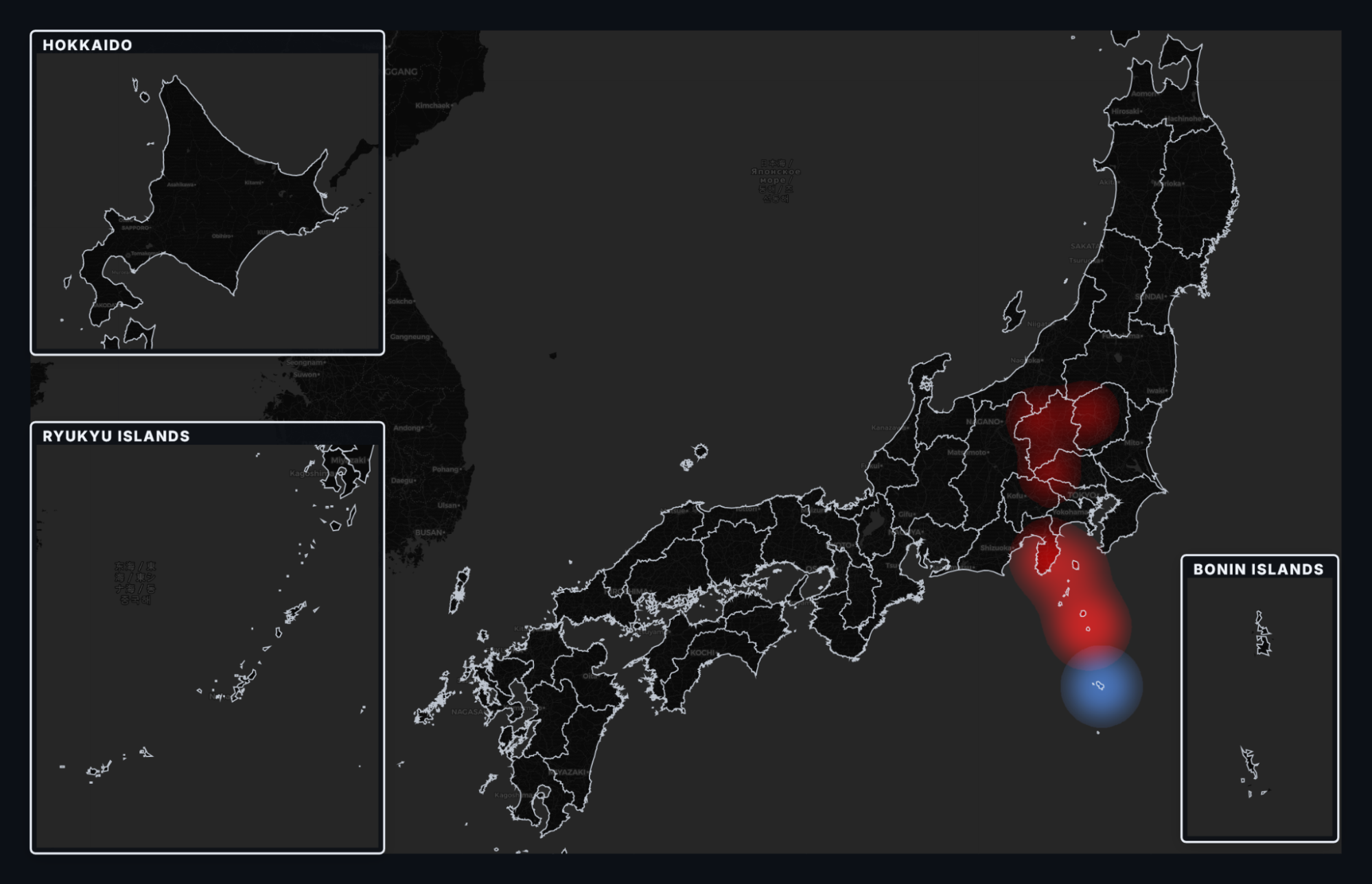
Found mostly in Kanto, particularly the Izu Peninsula and the Islands. The blue is Hydrangea involucrata var. Idzuensis, a variation. It is endemic to Hachijo-jima.
Hydrangea macrophylla (Mophead Hydrangea)
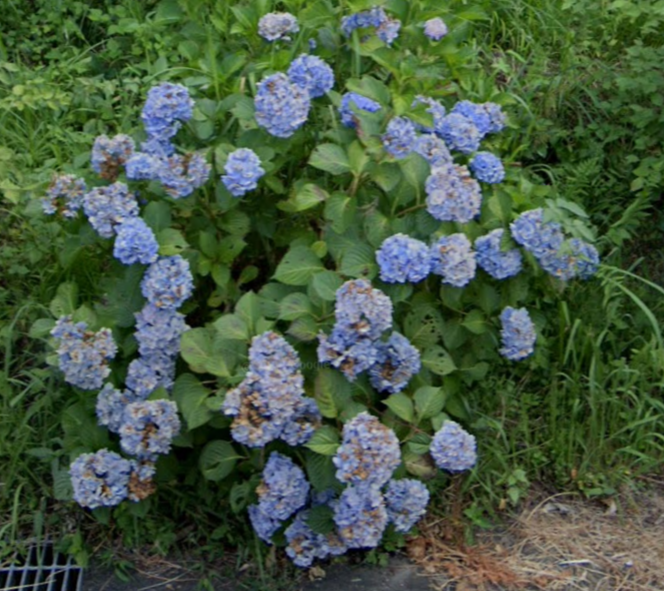
It is a bush that has these beautiful spherical flowers.
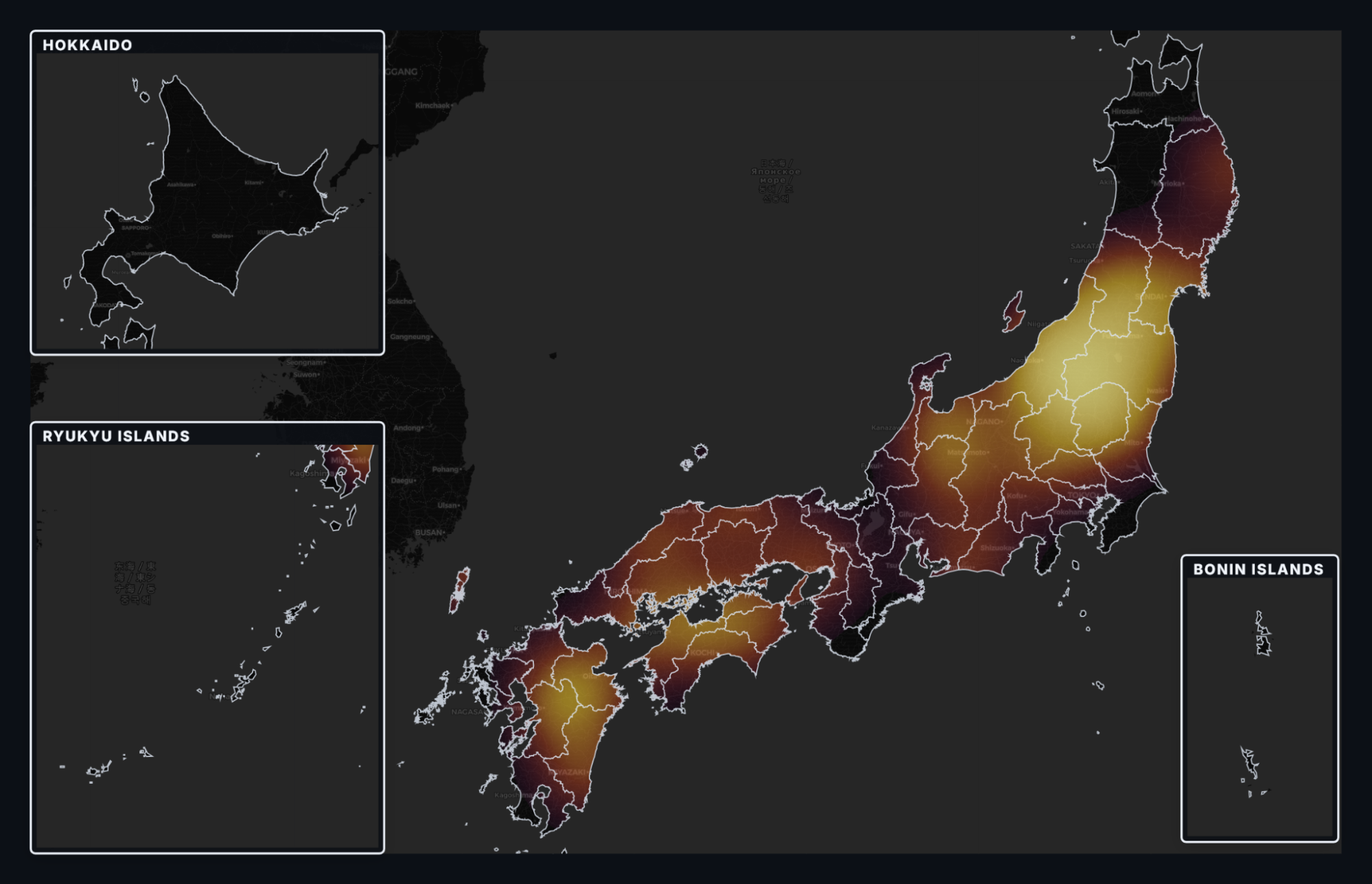
Mostly found from Honshu to Kyushu.
Ericales
Camellias
Camellia japonica (Japanese Camellia)
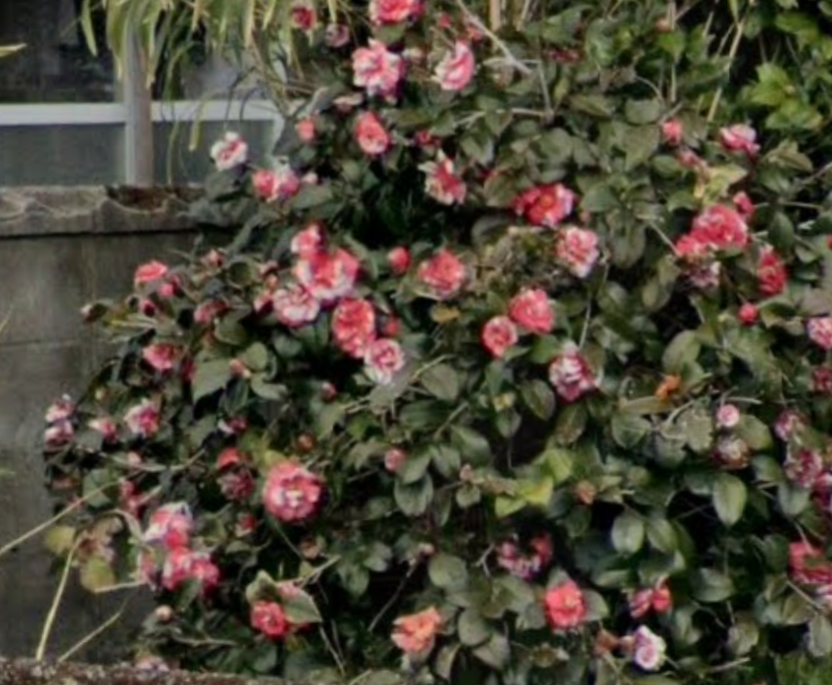
Large glossy green leaves, best known for their flowers.
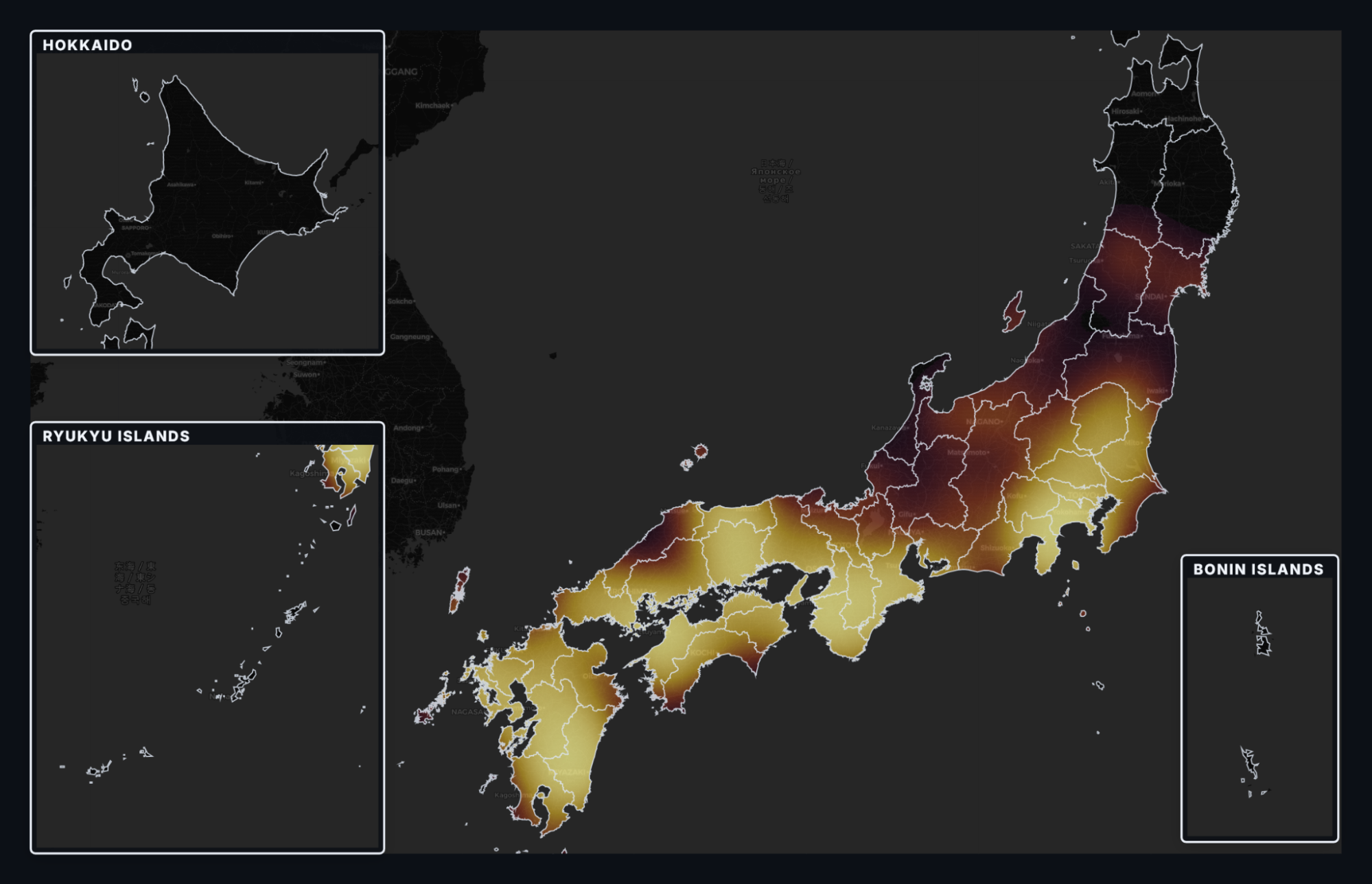
Mostly found in the Kanto plains and southwards.
Camellia sasanqua (Sasanqua Camellia)
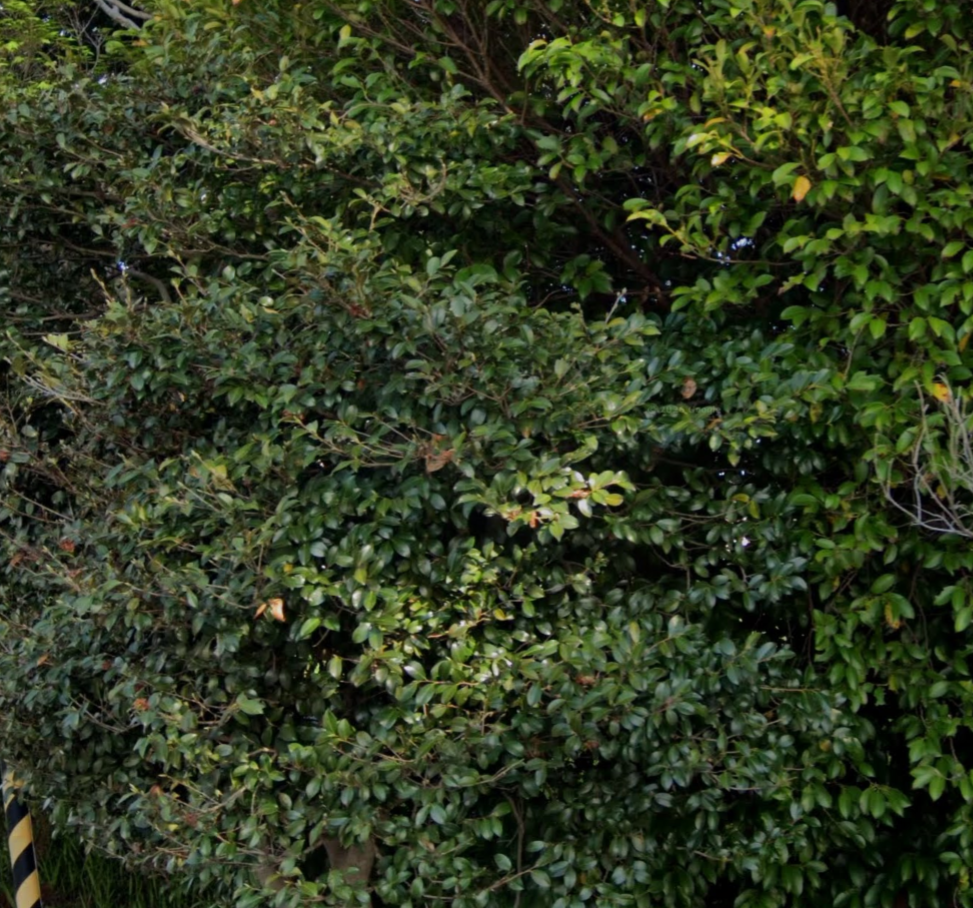
Smaller leaves than Camellia japonica. It can have flowers too but I have yet to find a high quality pano with flowers.
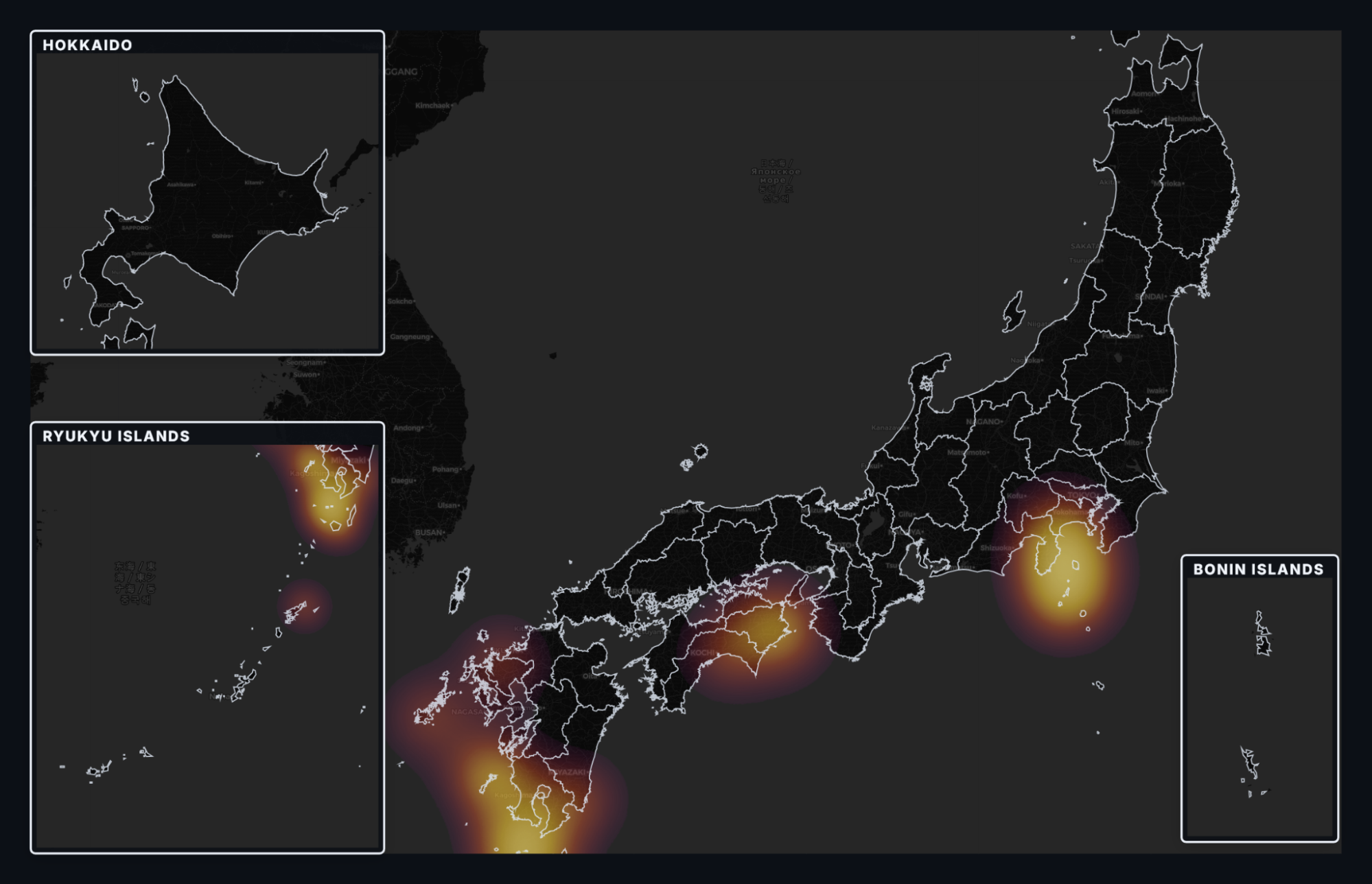
Found mostly on the southern coast.
Stewartia
Stewartia monadelpha (Tall Stewartia)
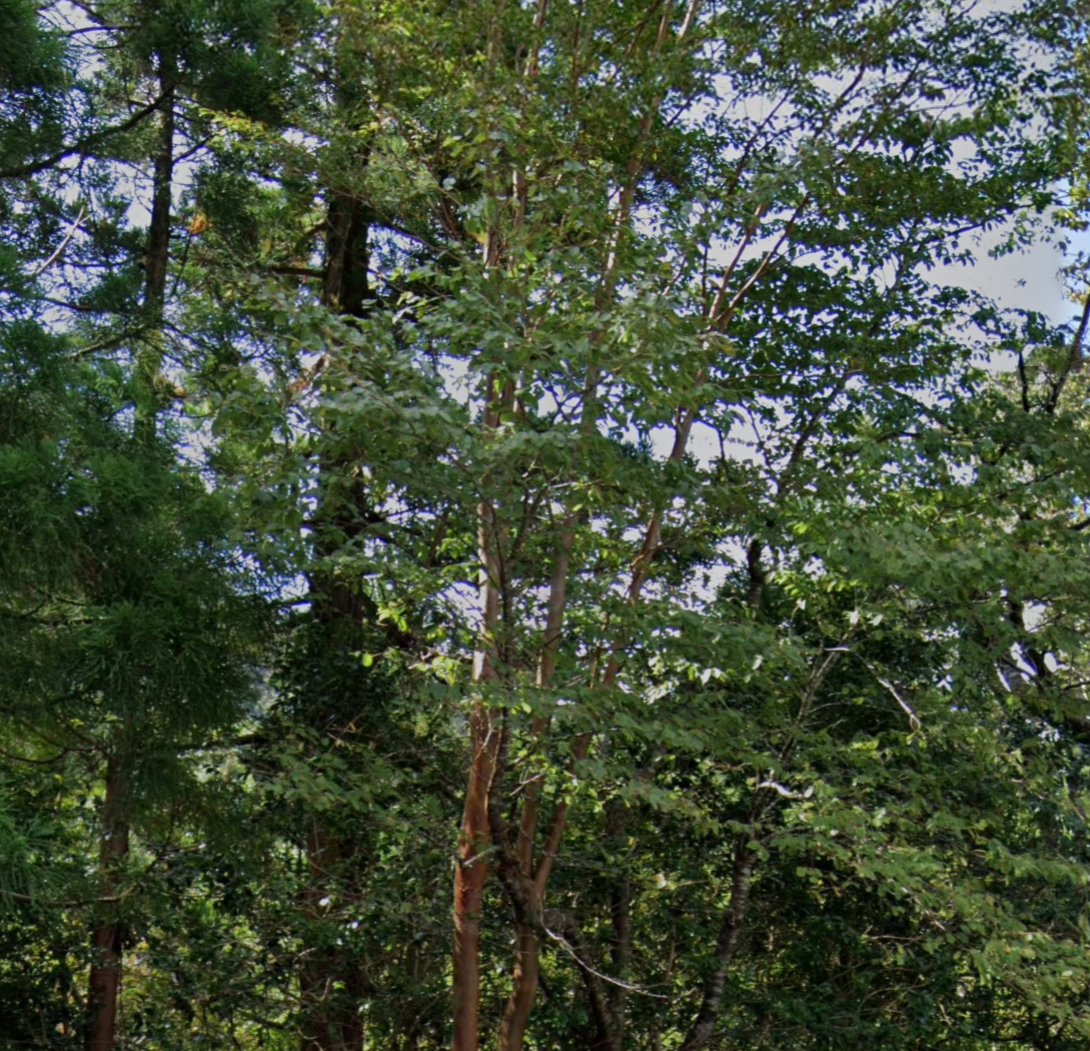
A tree with a very orange bark. The leaves are dark green with serrated edges.
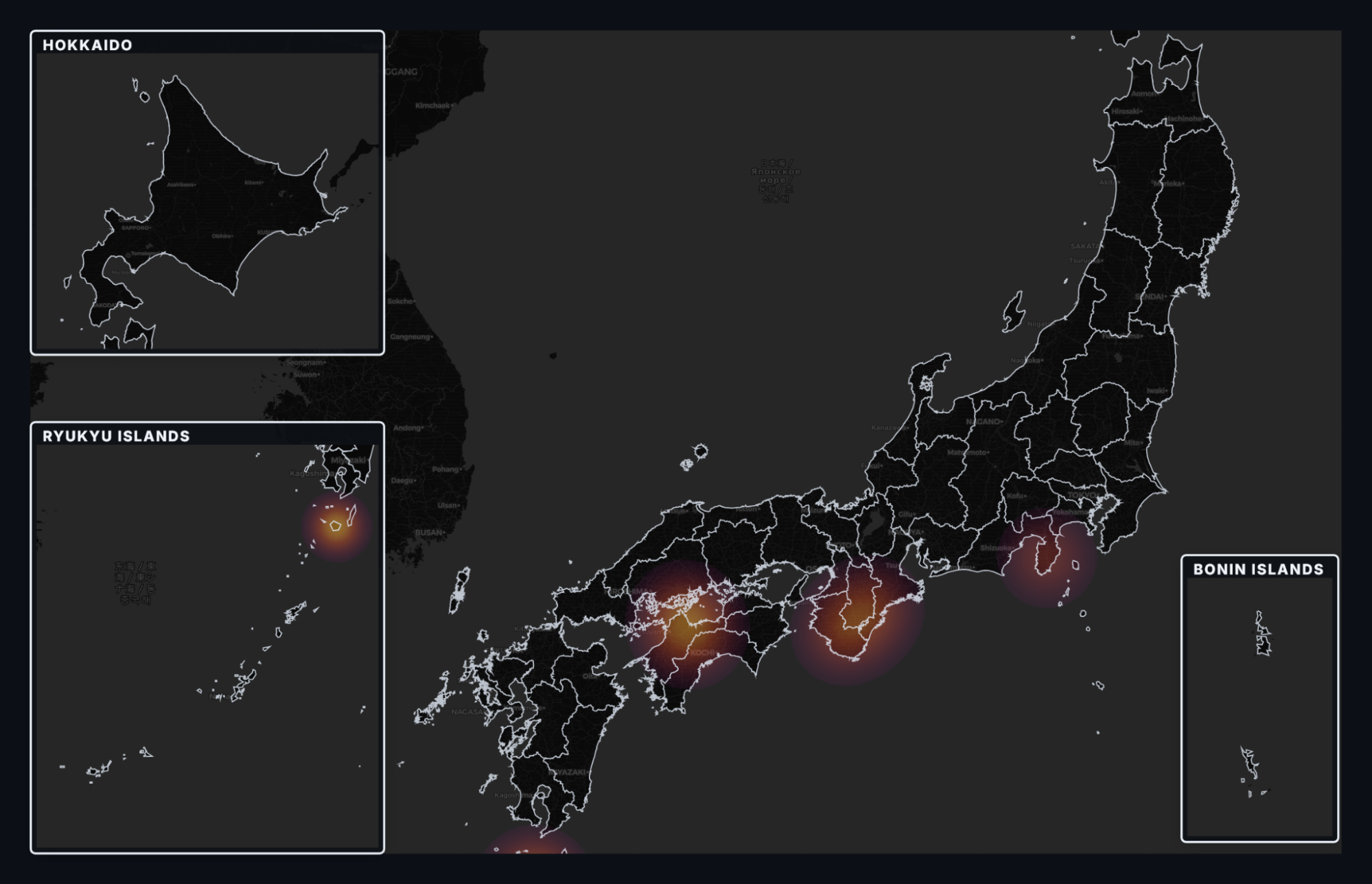
Found on mountain tops in the coastal south.
Malpighiales
Clusiaceae
Garcinia subelliptica (Common Garcinia/Fukegi)
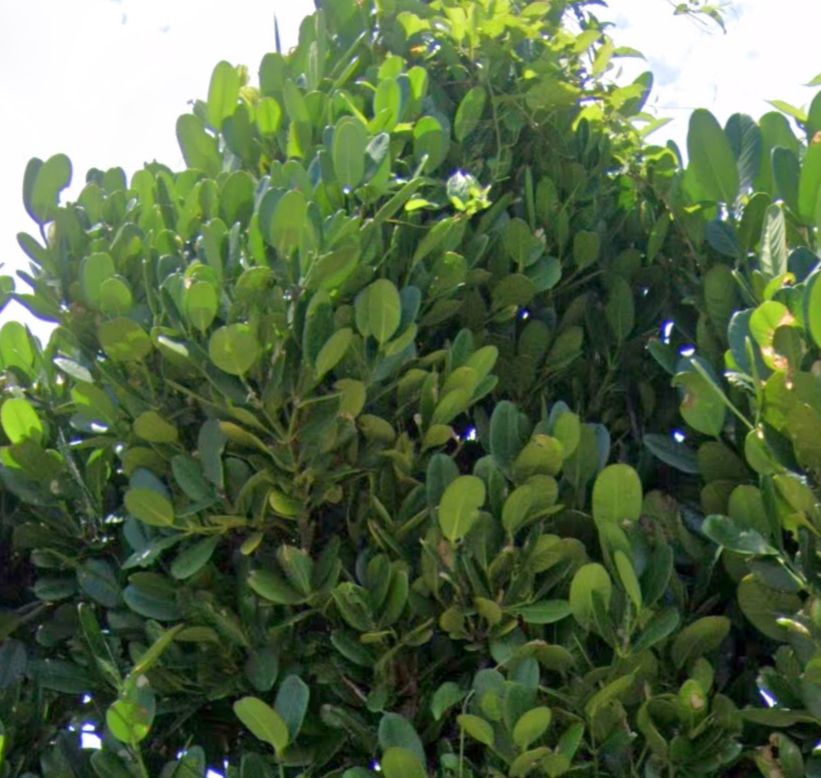
A tree that has oval-circular leaves that are layered on top of each other.
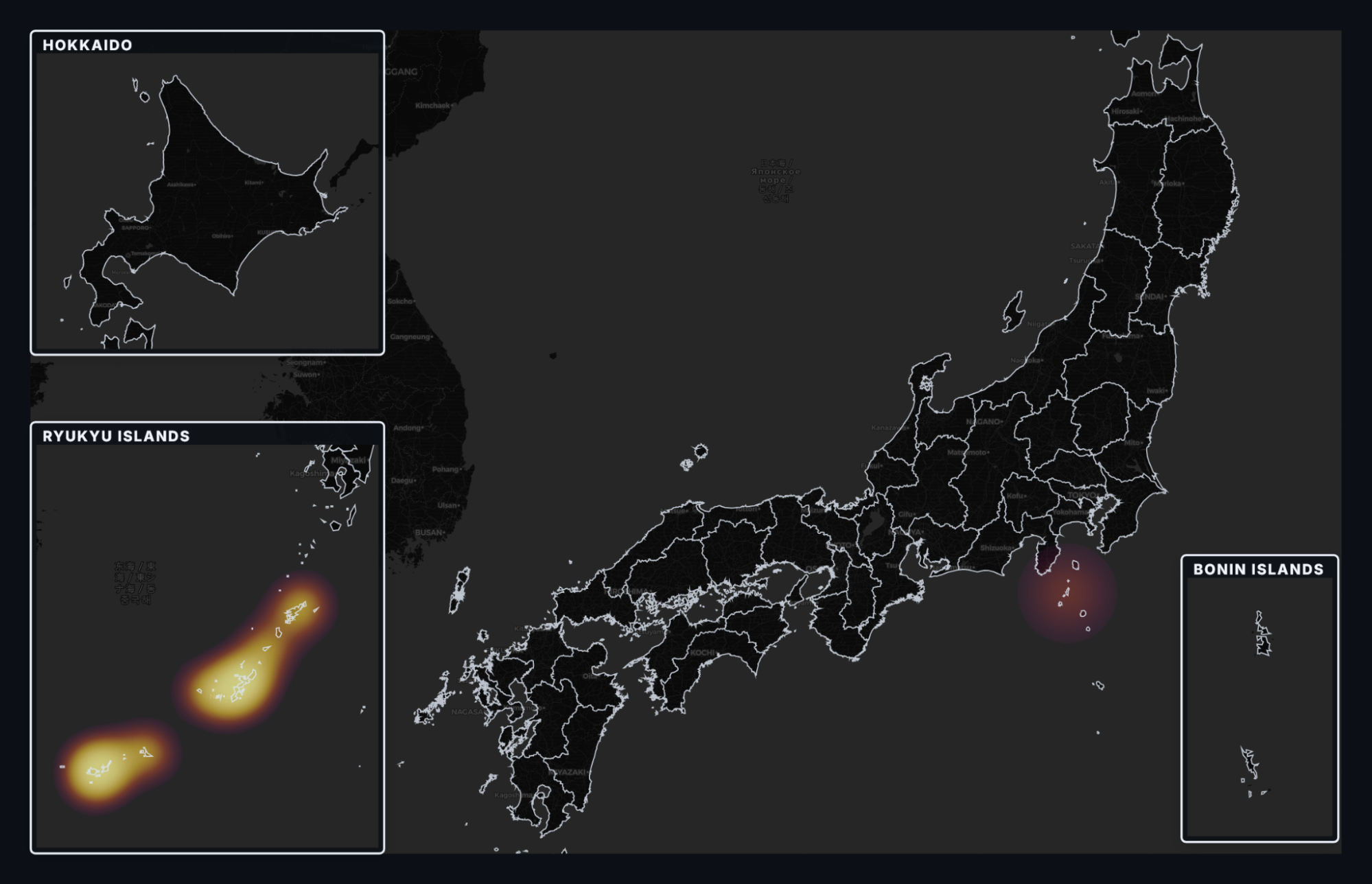
Found on the Ryukyu Islands.
Euphorbiaceae
Macaranga tanarius (Elephant's Ear/Parasol Leaf Tree)
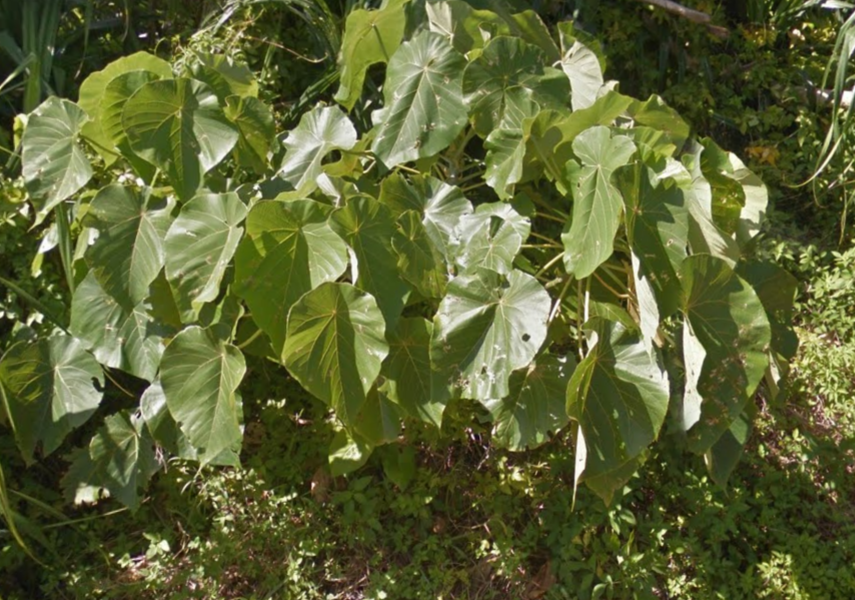
It is a small tree with leaves resembling Taro.
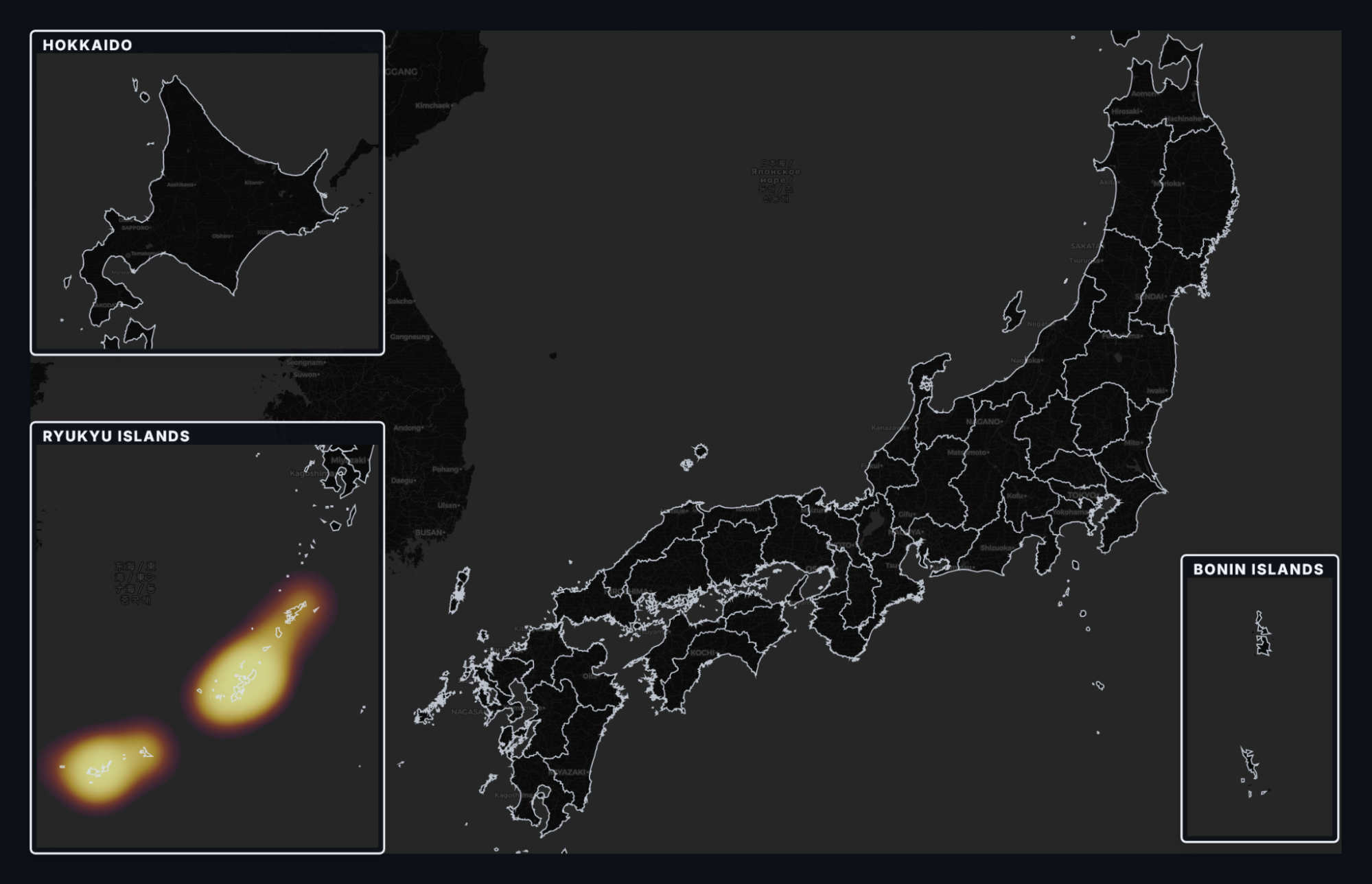
Very commonly found on the Ryukyu Islands.
Mallotus japonicus (Mallotus)
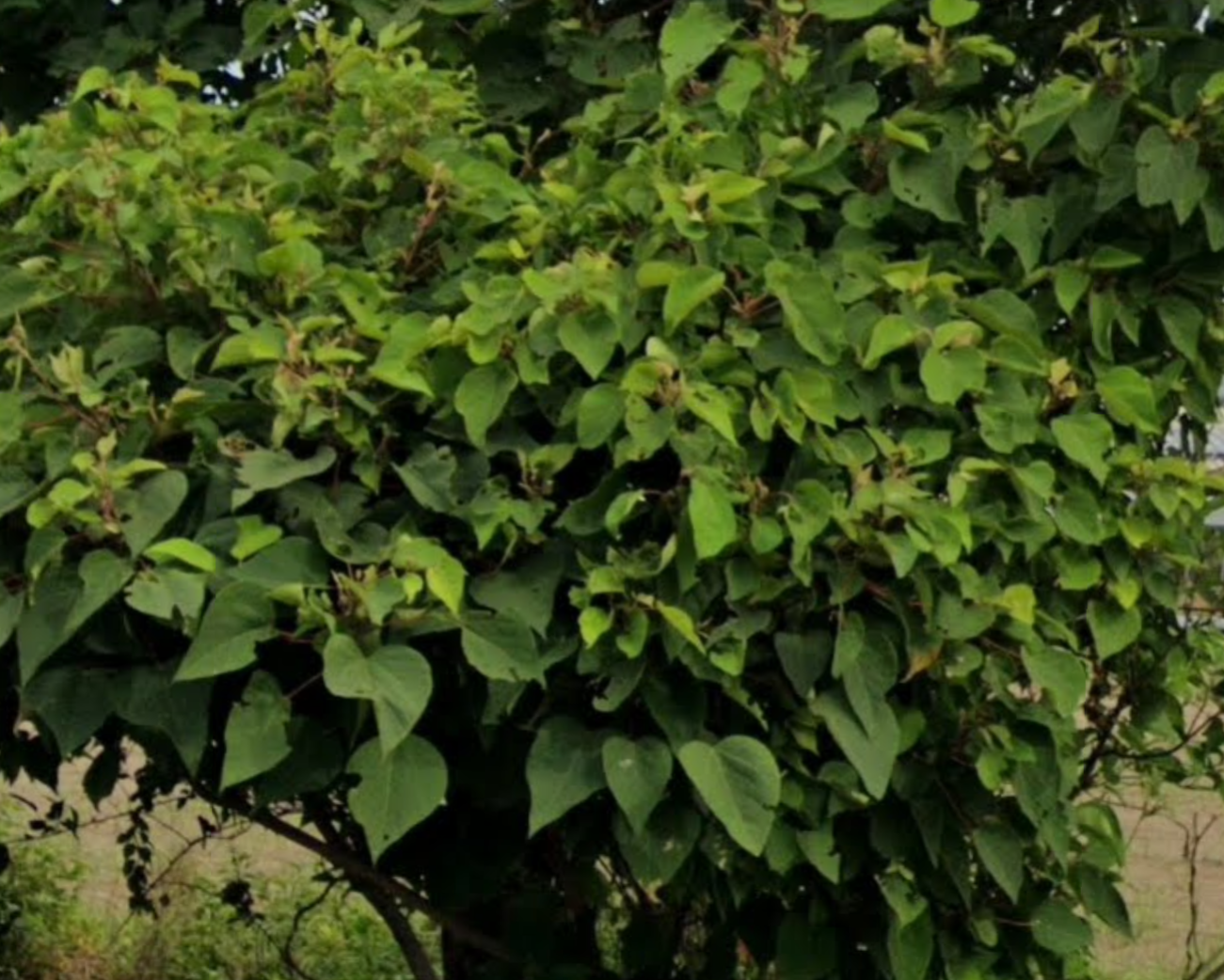
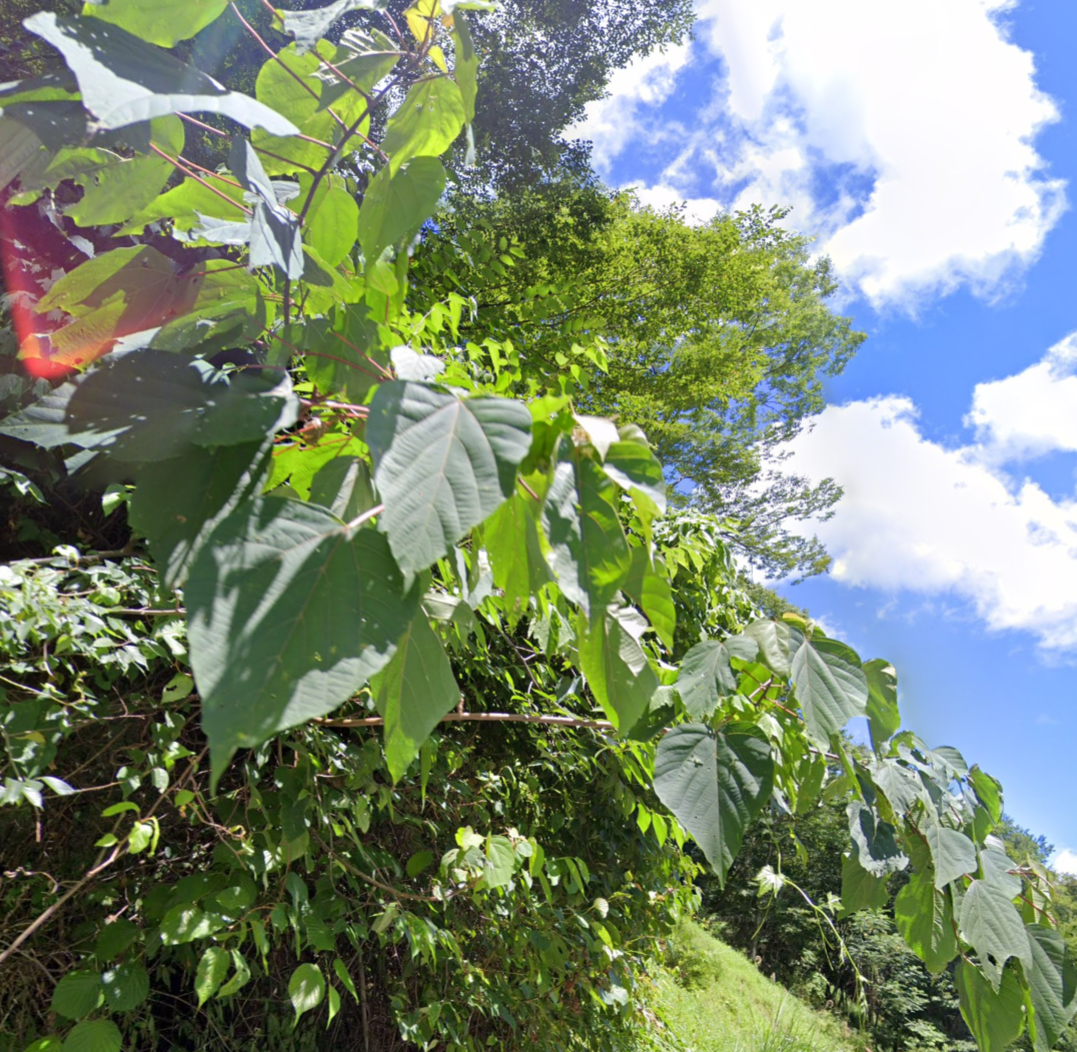
This plant has big heart shaped leaves.
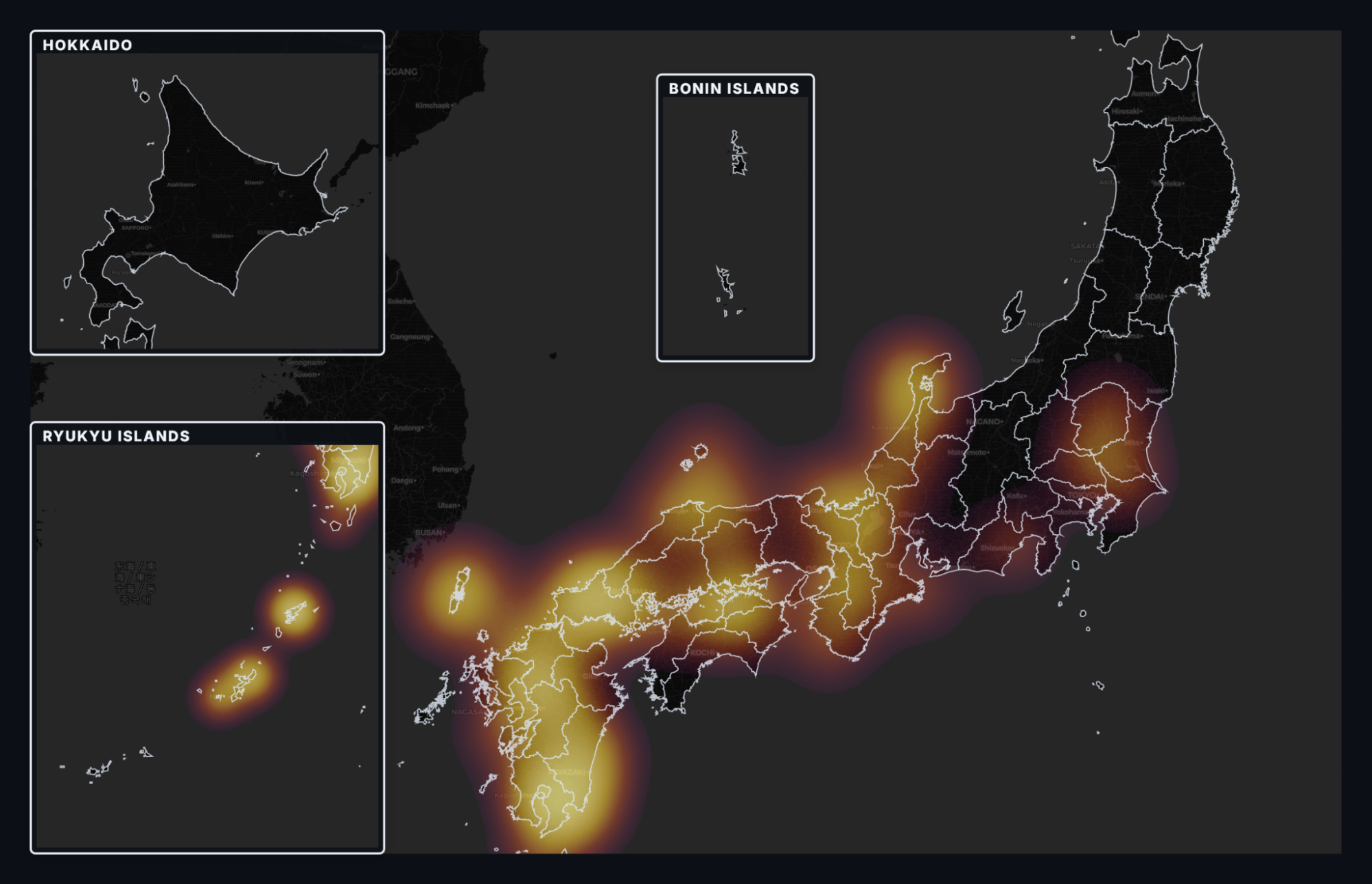
Found mostly in the south of the country.
Phyllanthaceae
Bischofia javanica (Bishop Wood)
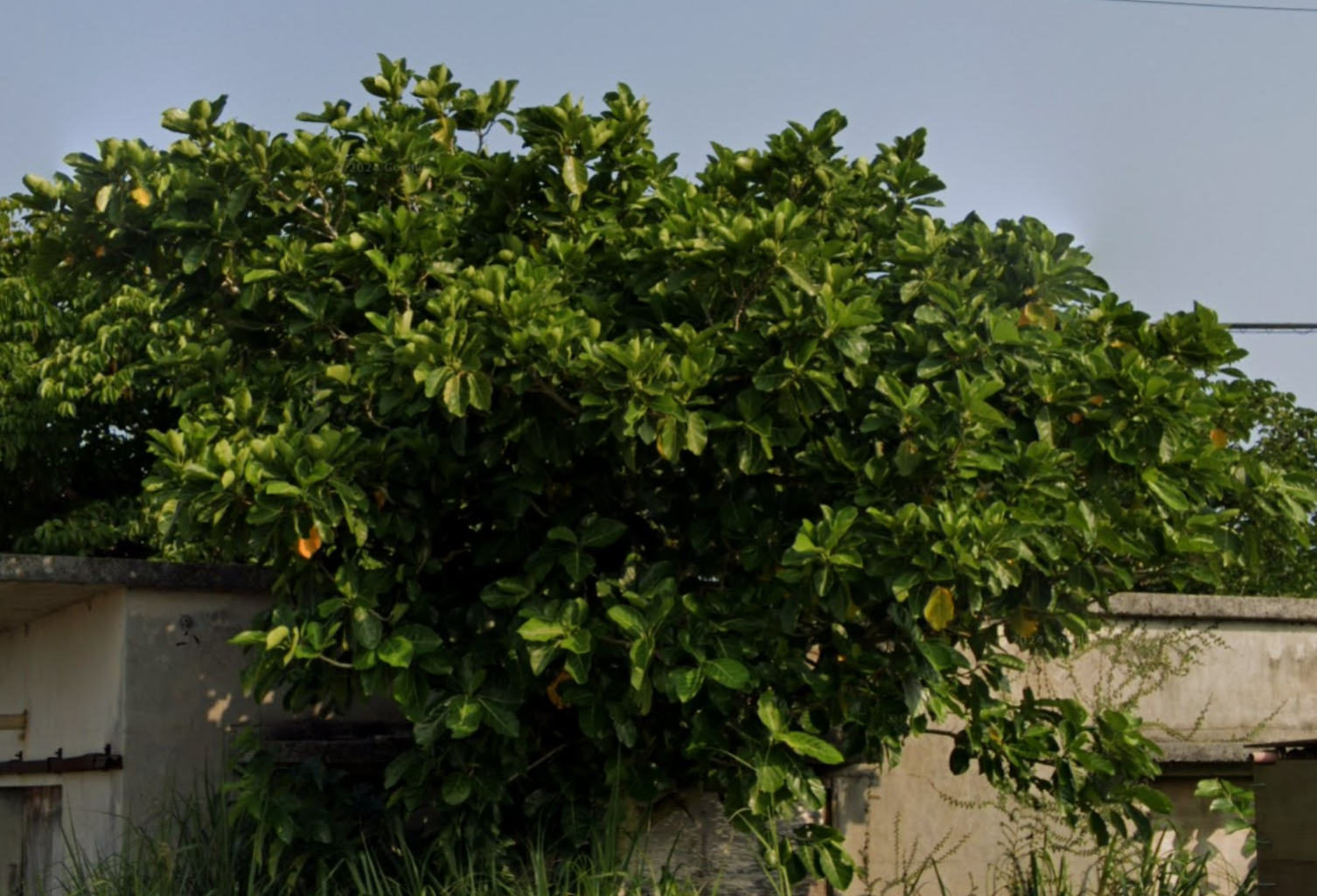
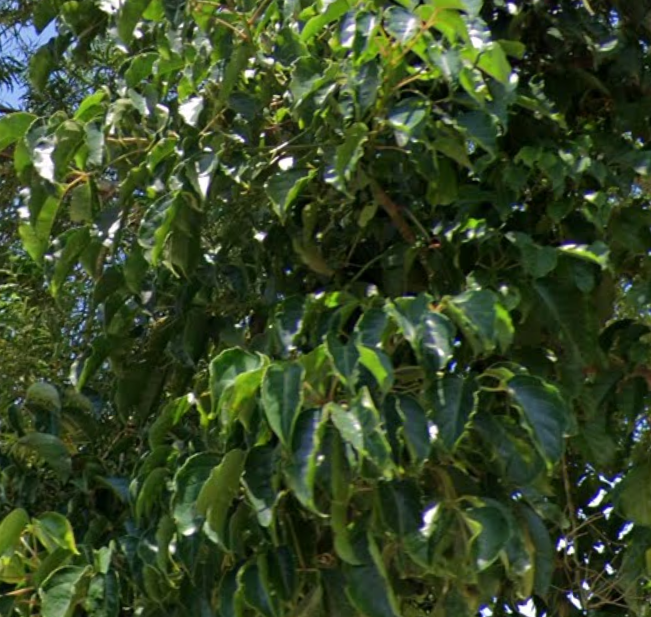
A tree with reddish brown bark and small heart shaped leaves that looks like it folds through the middle.
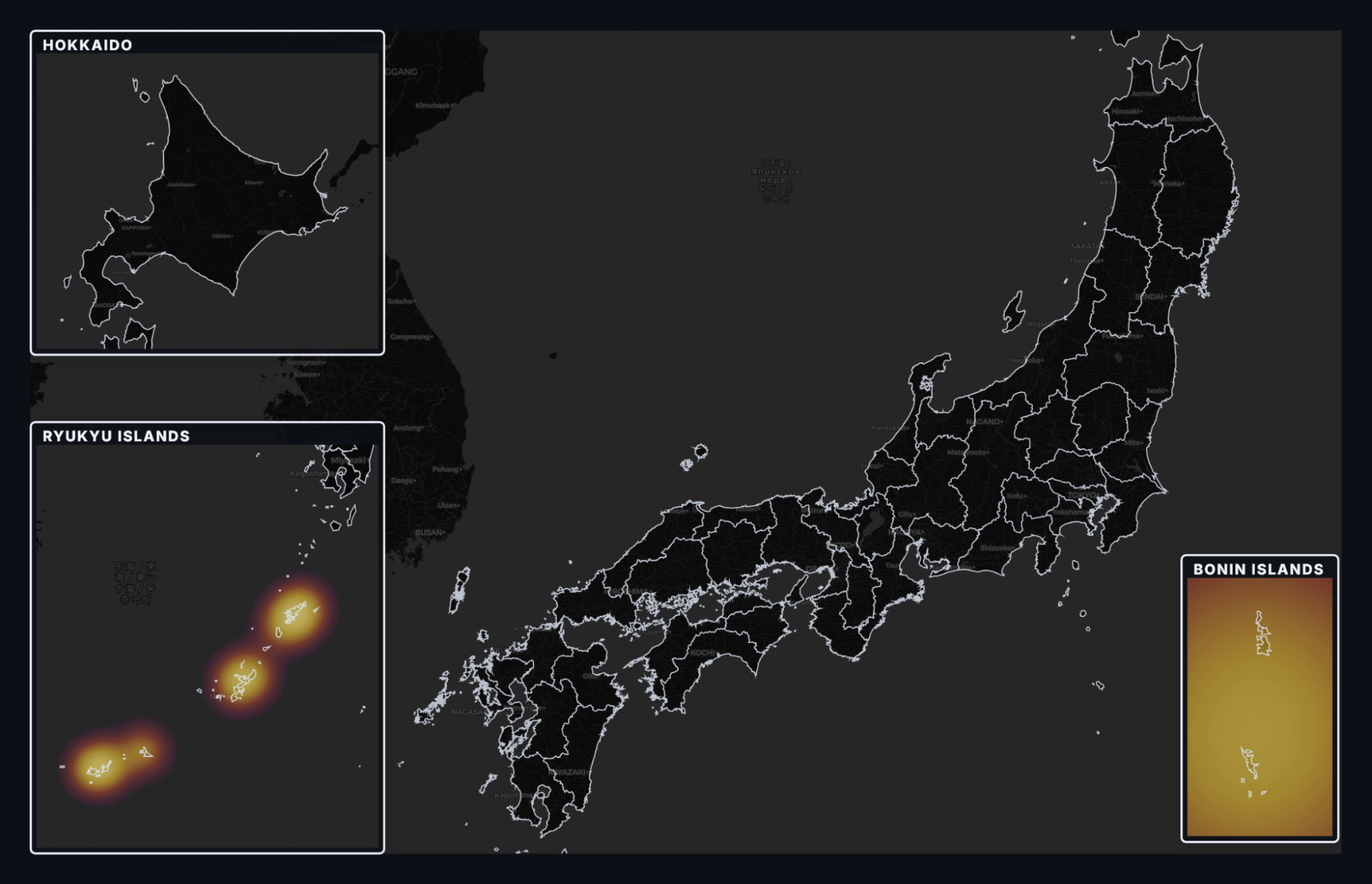
Found on the Ryukyu Islands and the Bonin Islands.
Populus
Populus suaveolens (Mongolian Poplar)
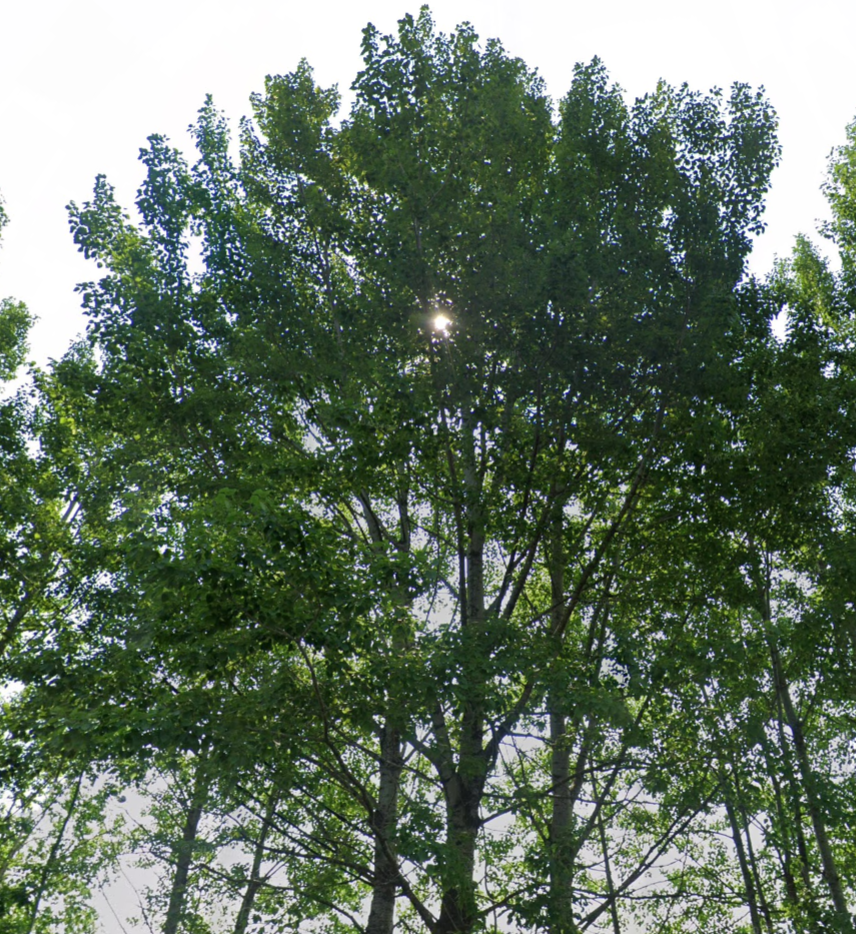
A poplar that is native to northern Asia.
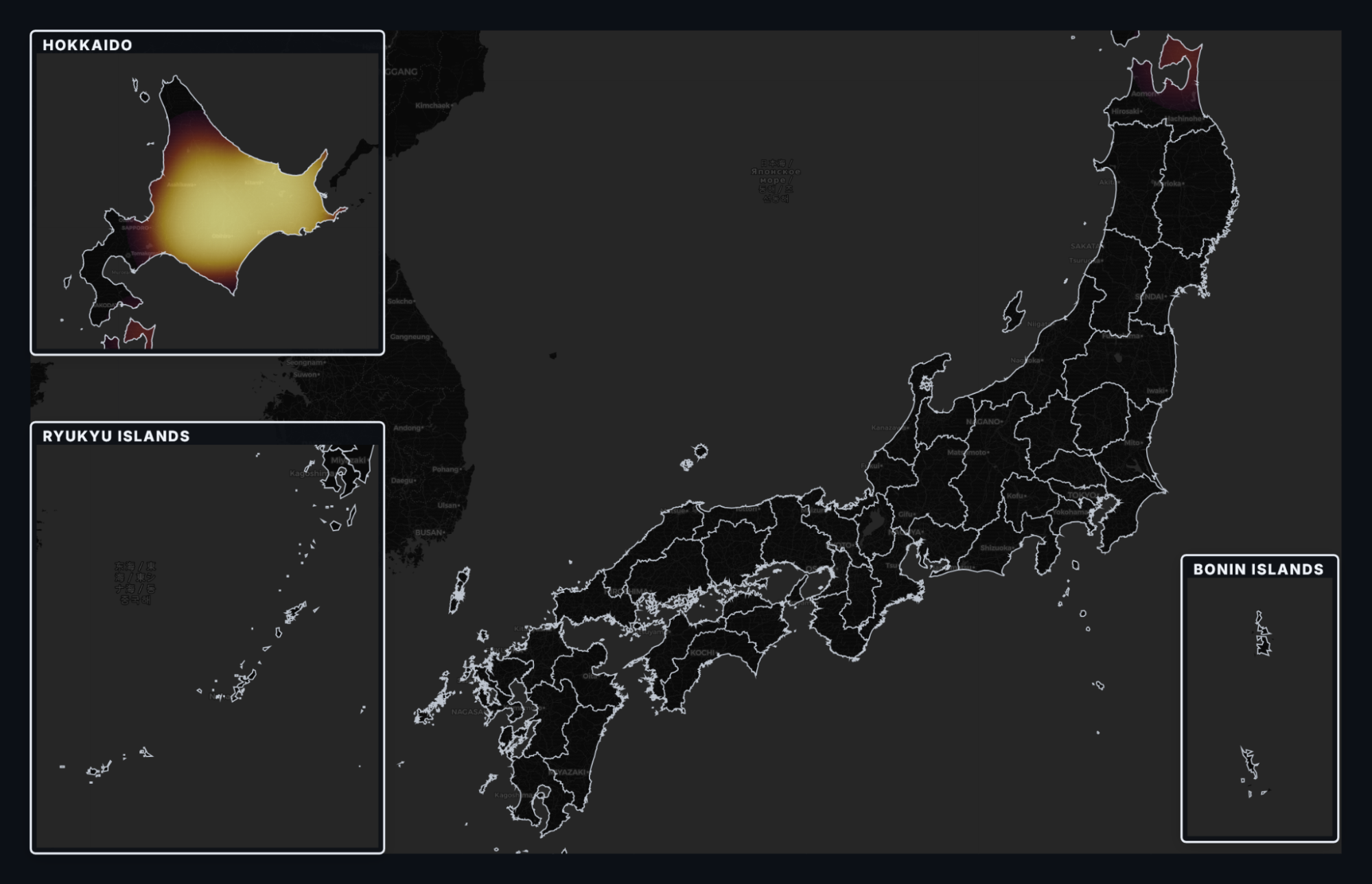
Mostly found in Hokkaido.
Willows
Salix udensis (Sakhalin Willow)
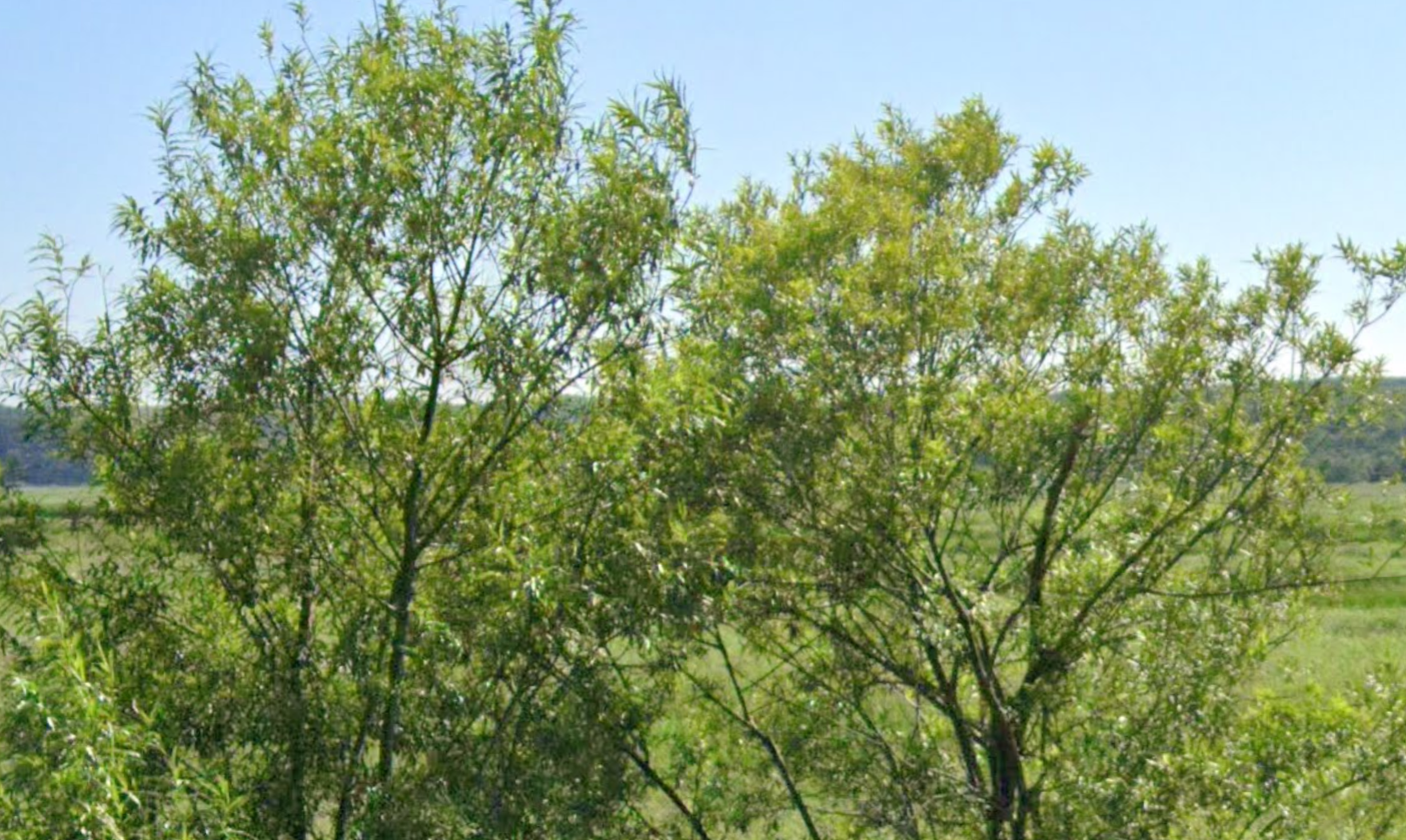
A twiggy bush tree with very small, narrow and long leaves.
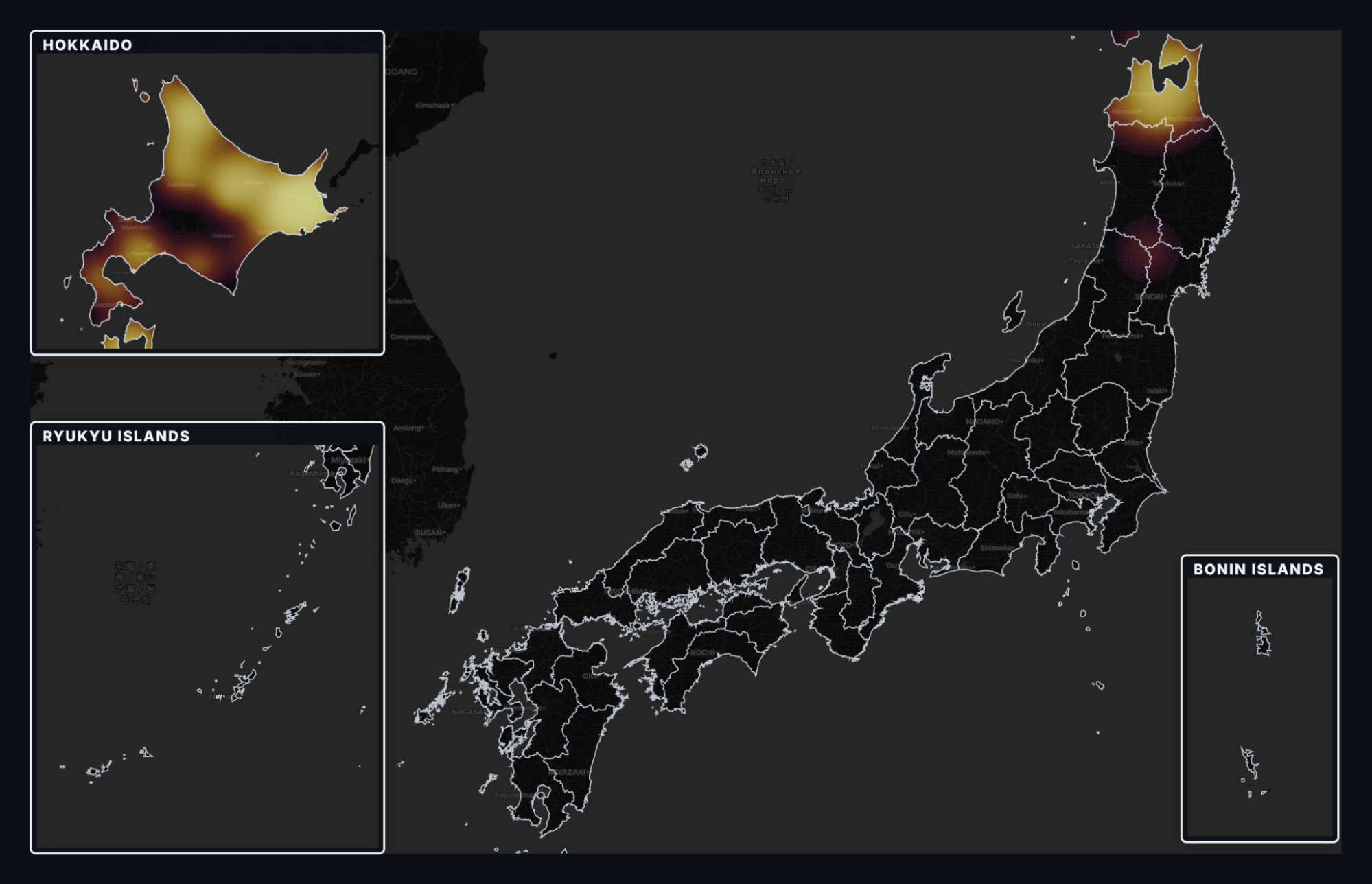
Found mostly in Hokkaido.
Salix caprea (Pussy/Goat Willow)
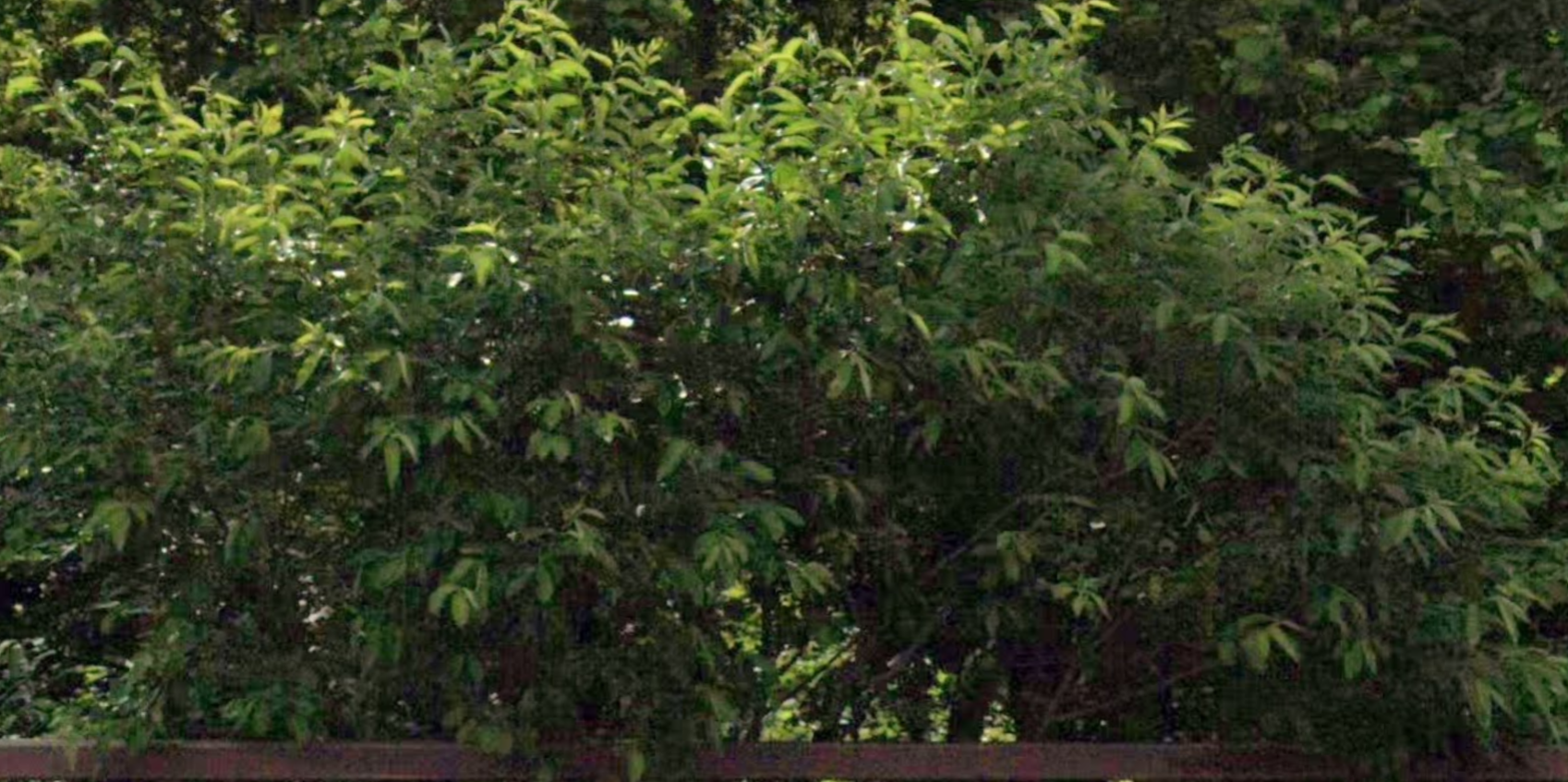
Looks like Sakhalin Willow with way wider leaves.
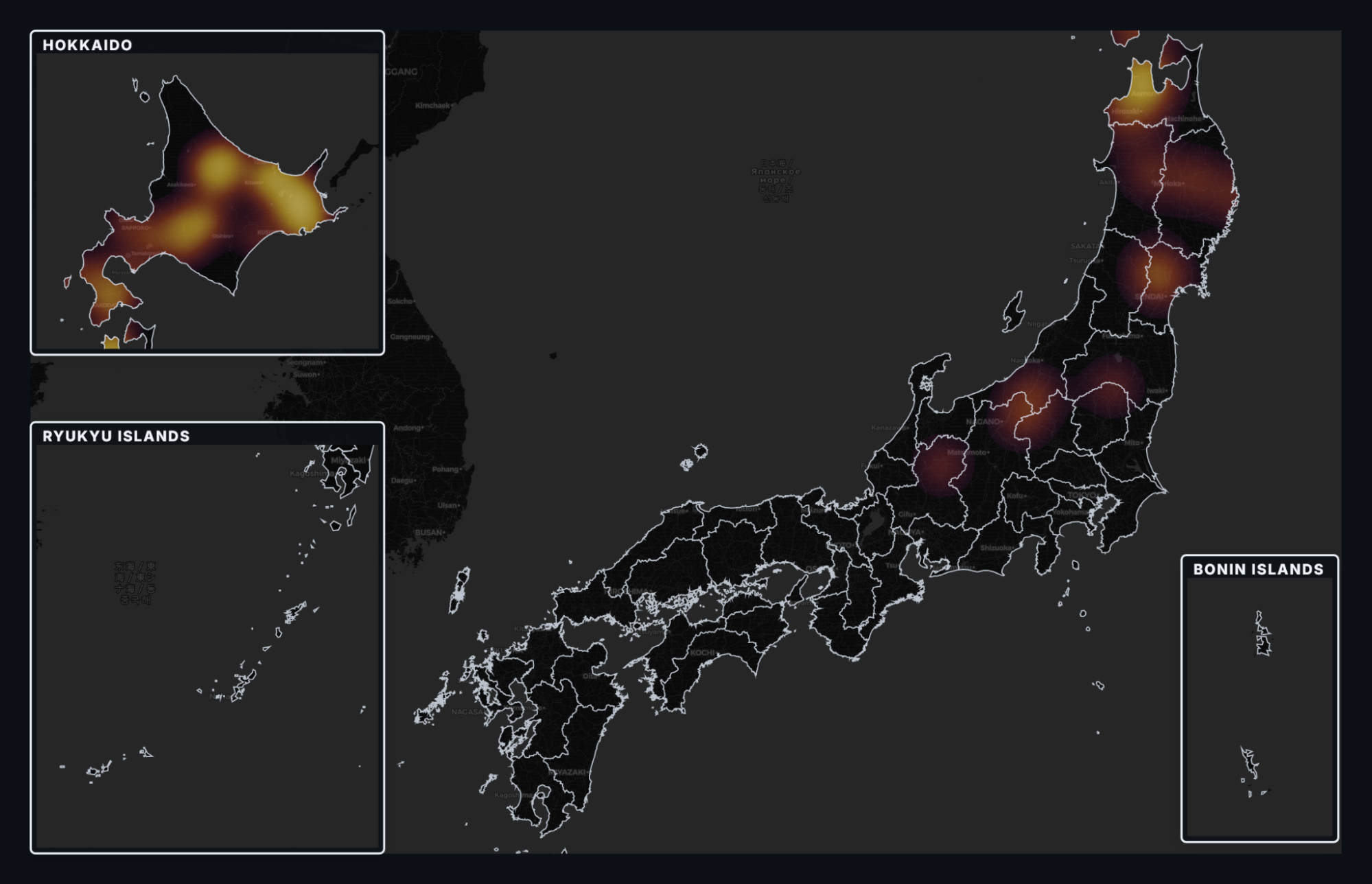
Found from Nagano up to Hokkaido.
Salix integra (Dappled Willow)
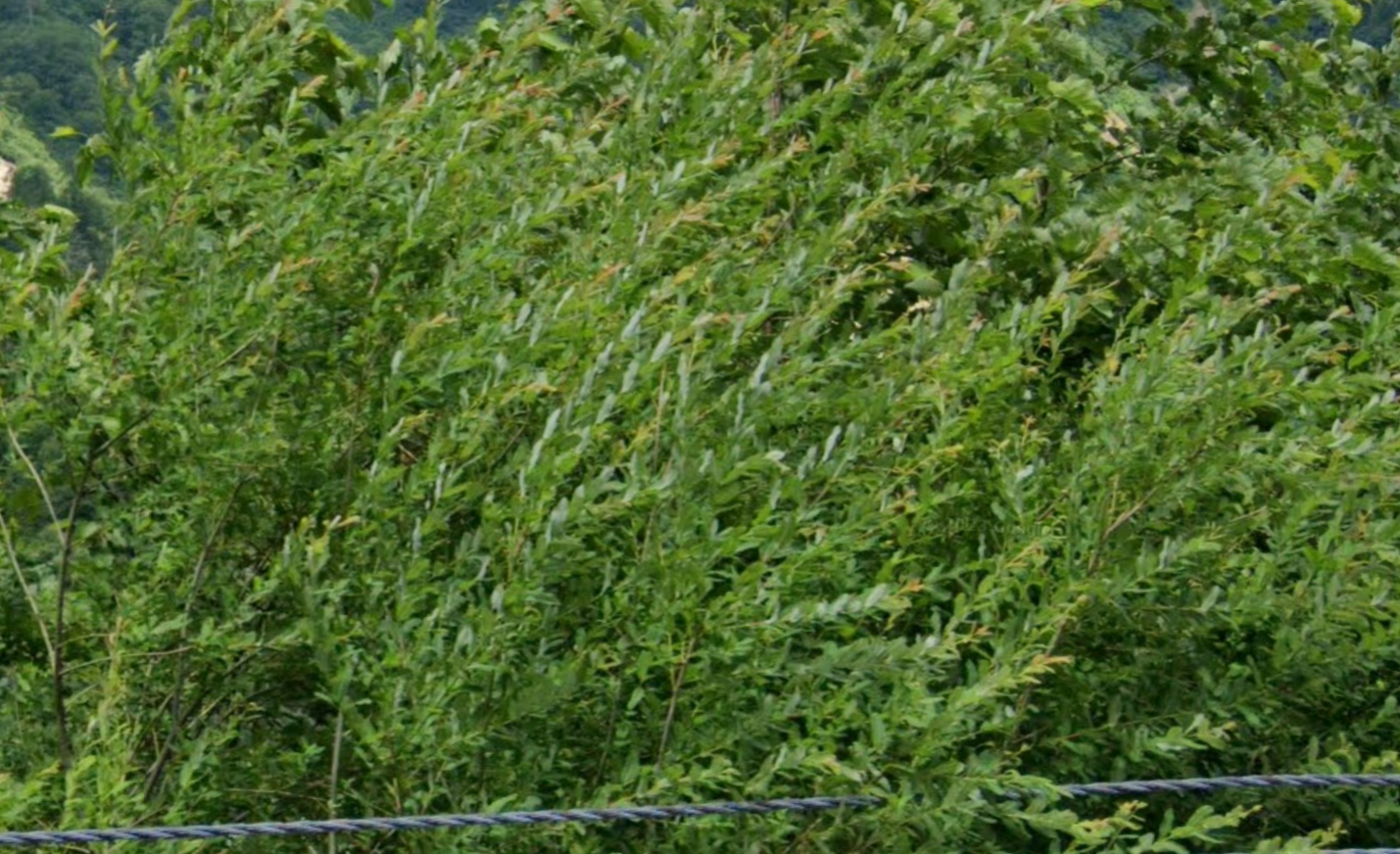
A unique looking willow with pale green leaves arranged in opposite pairs.
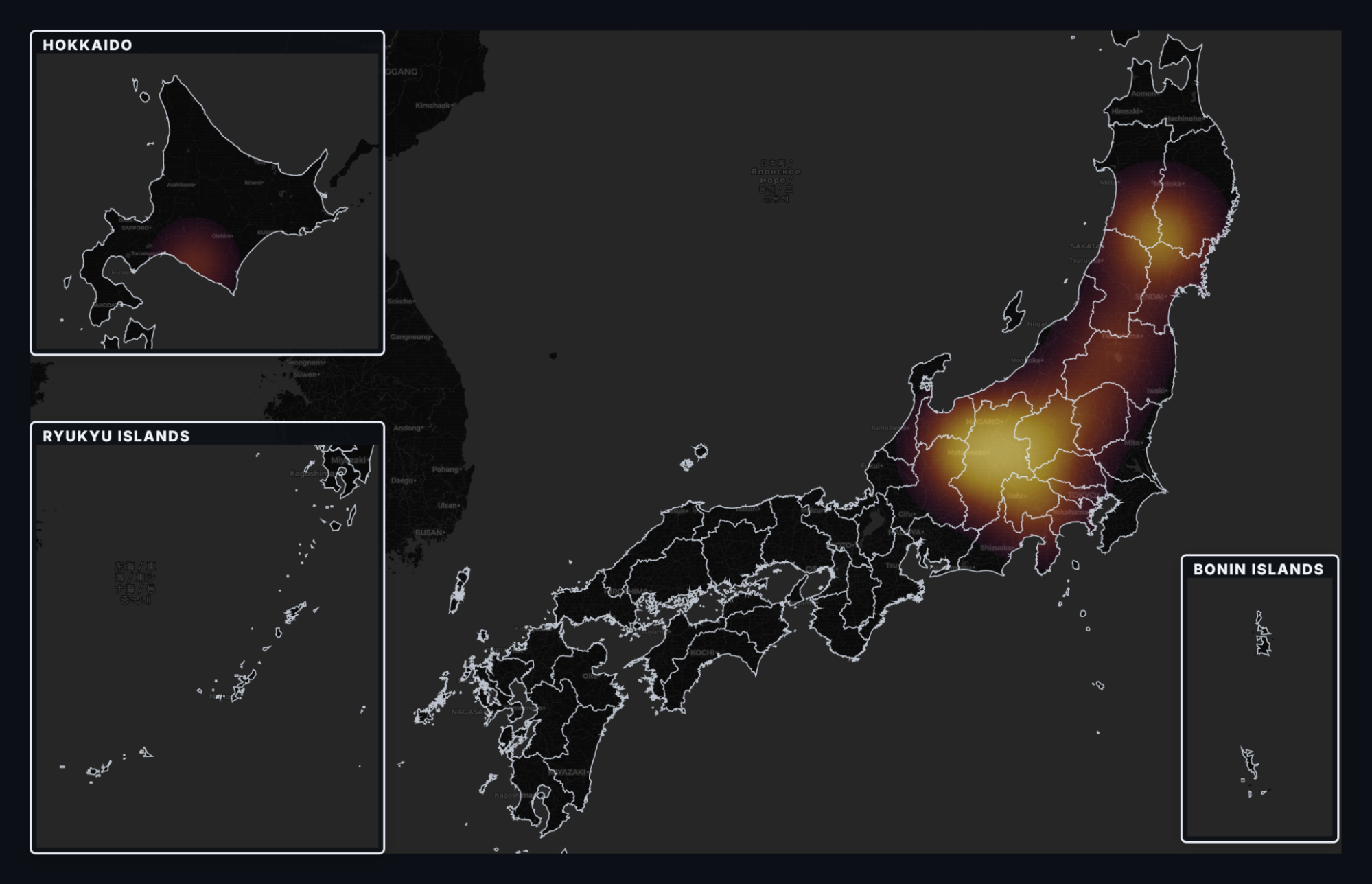
Mostly found from Chubu to Tohoku.
Salix sieboldiana
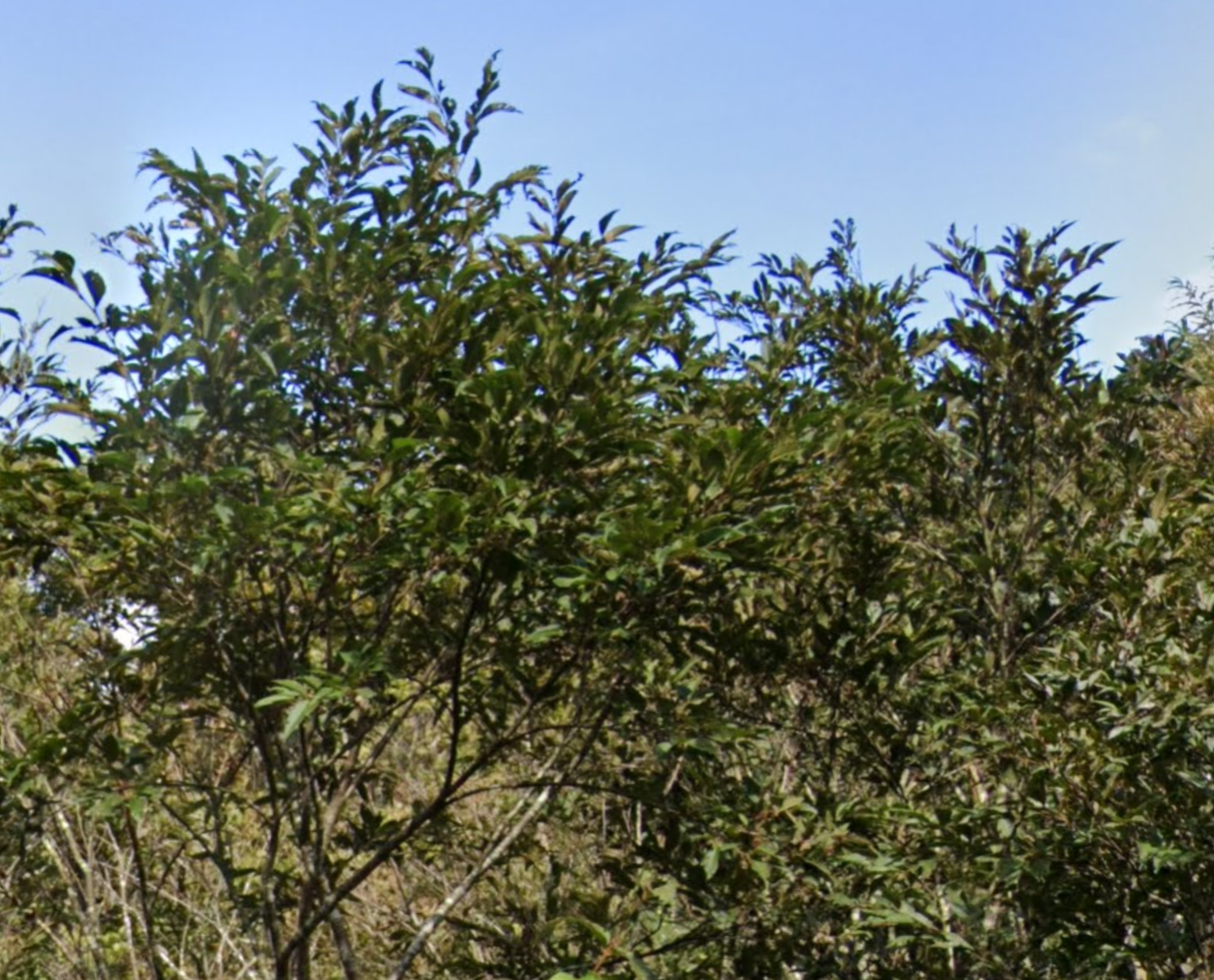
A willow with leaves more rounded and short than the other willow species.
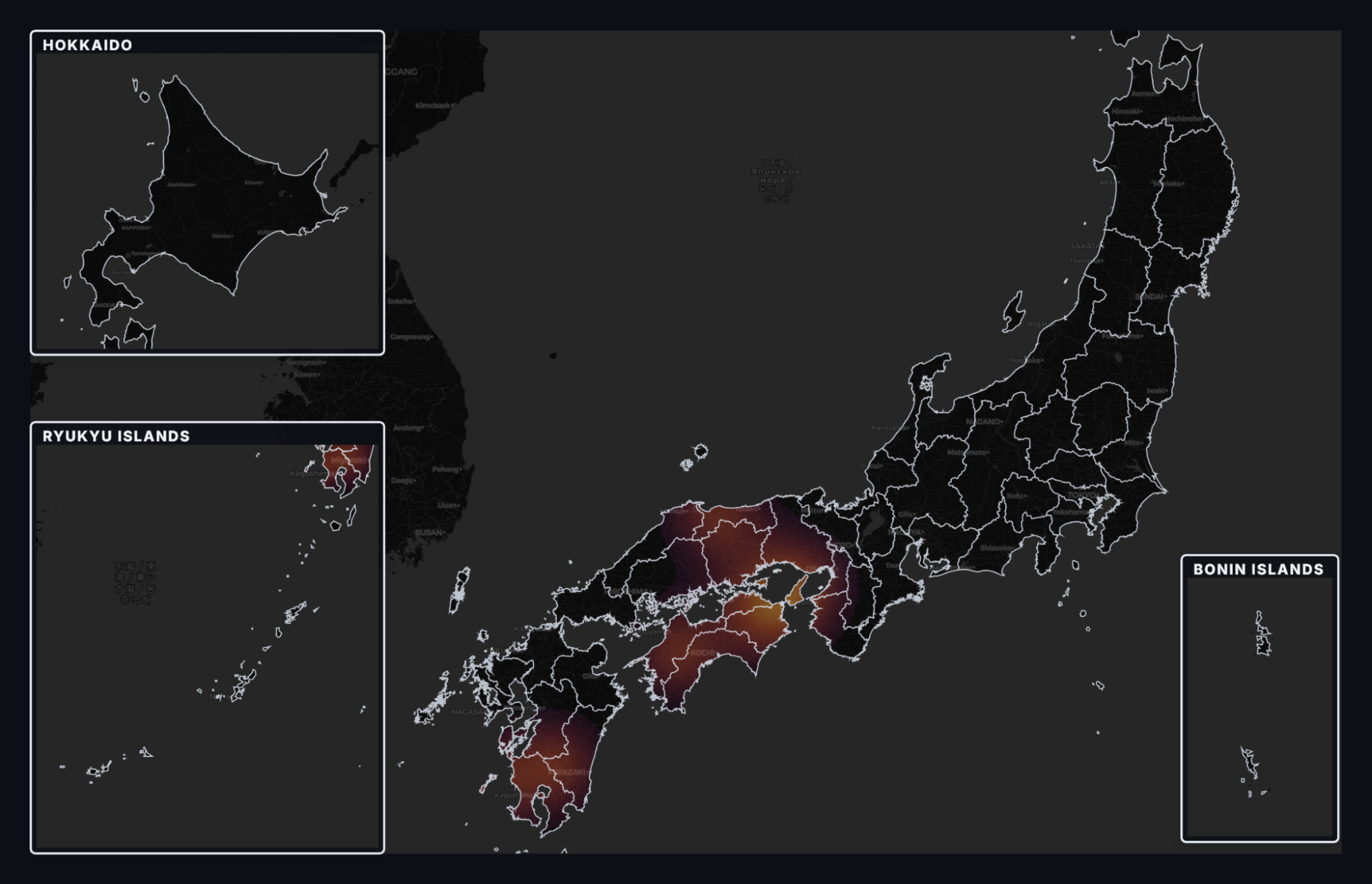
Found in Chugoku, Shikoku and Kyushu.
Malvales
Hibiscuses
Hibiscus tiliaceus (Sea Hibiscus)
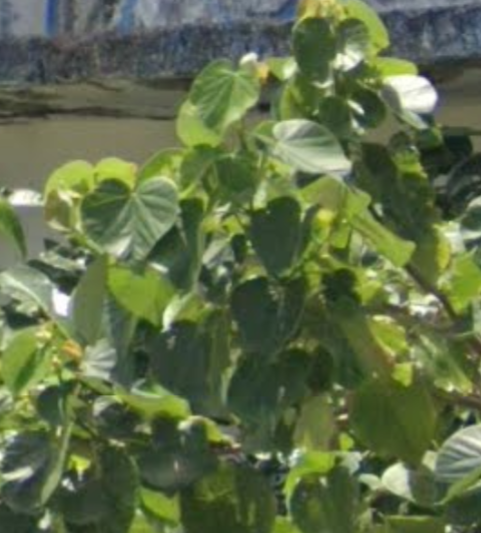
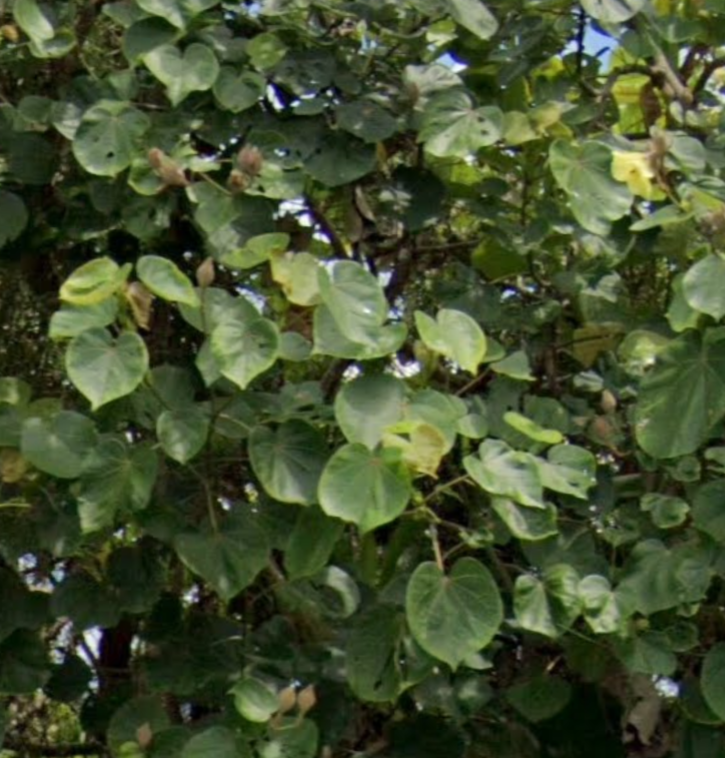
It has big heart shaped leaves.
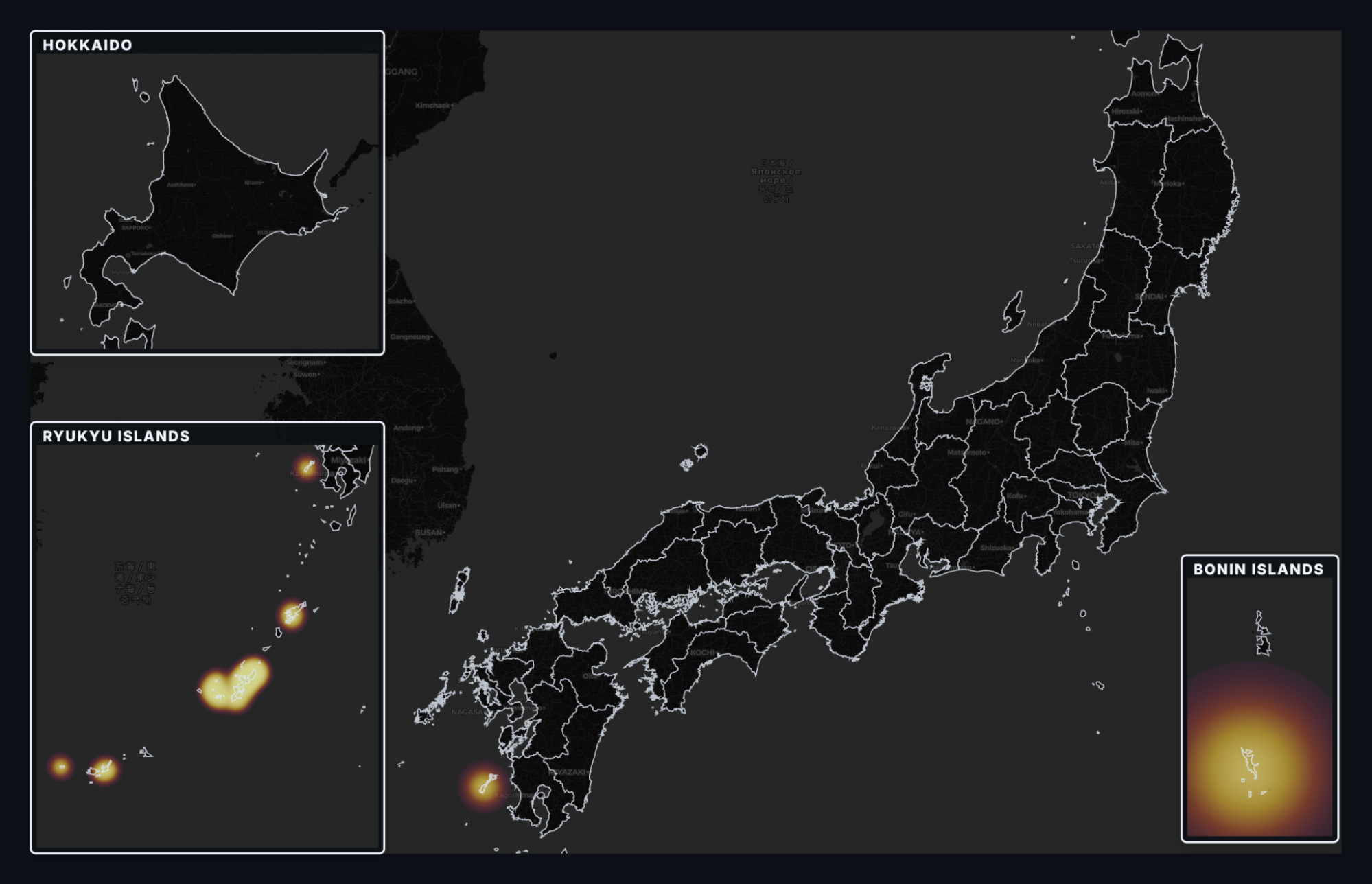
Found on the Ryukyu Islands.
Hibiscus × rosa-sinensis (Tricolor/Chinese Hibiscus)
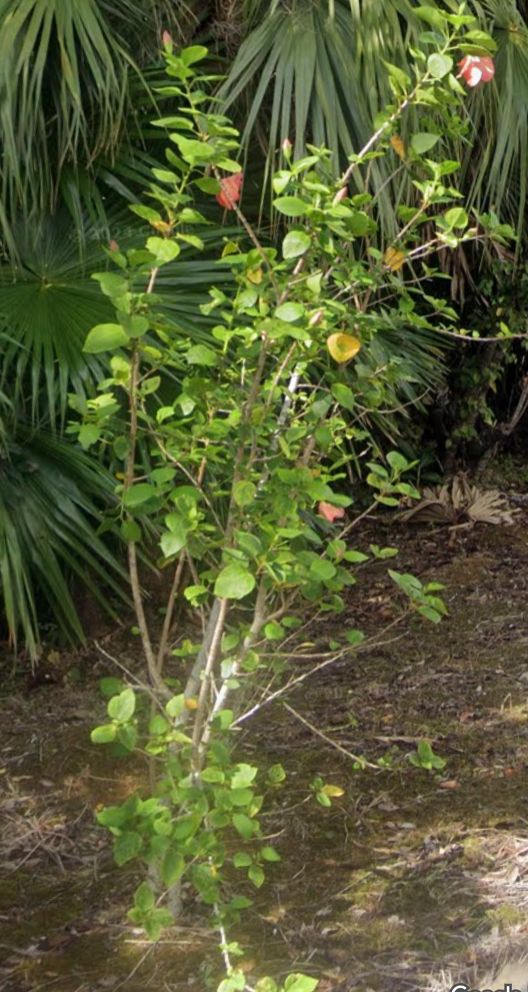
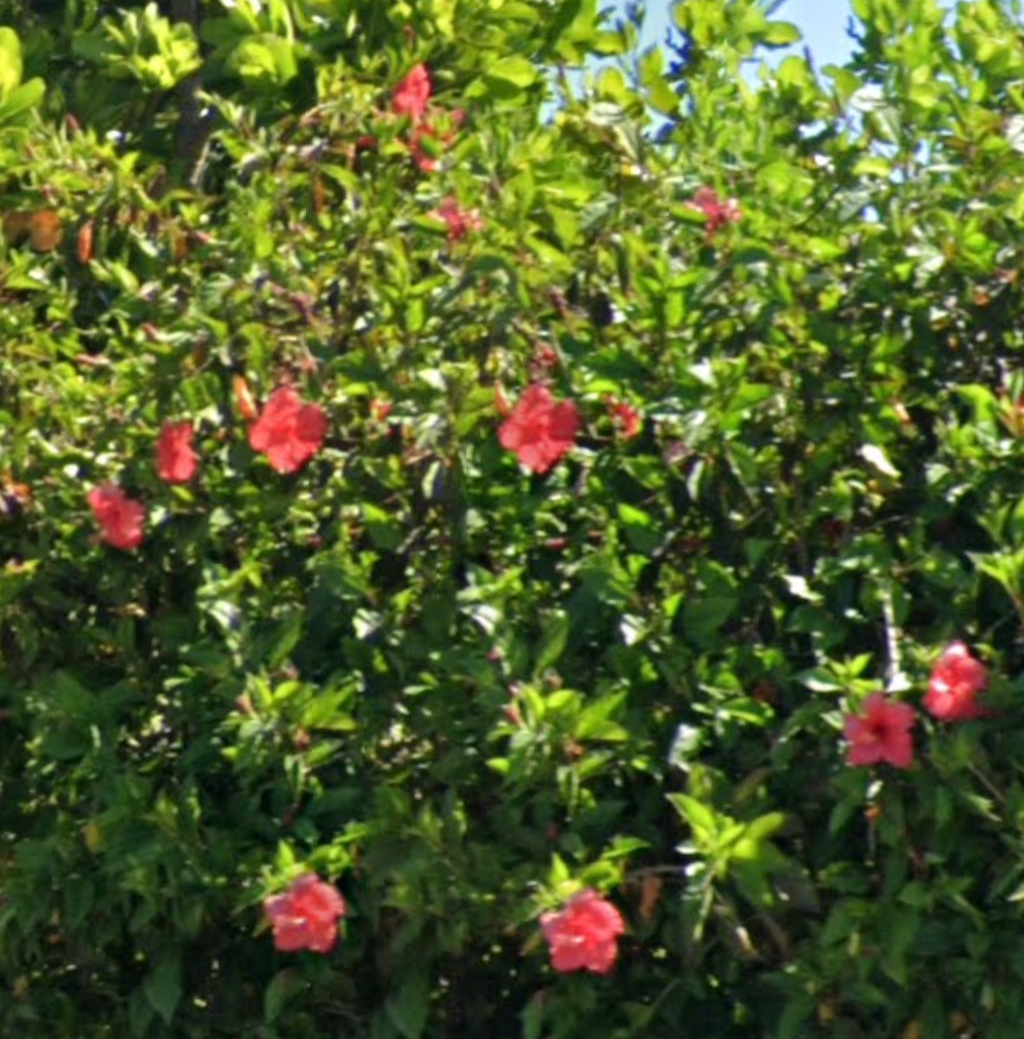
Red hibiscus. It is an artificial hybrid.
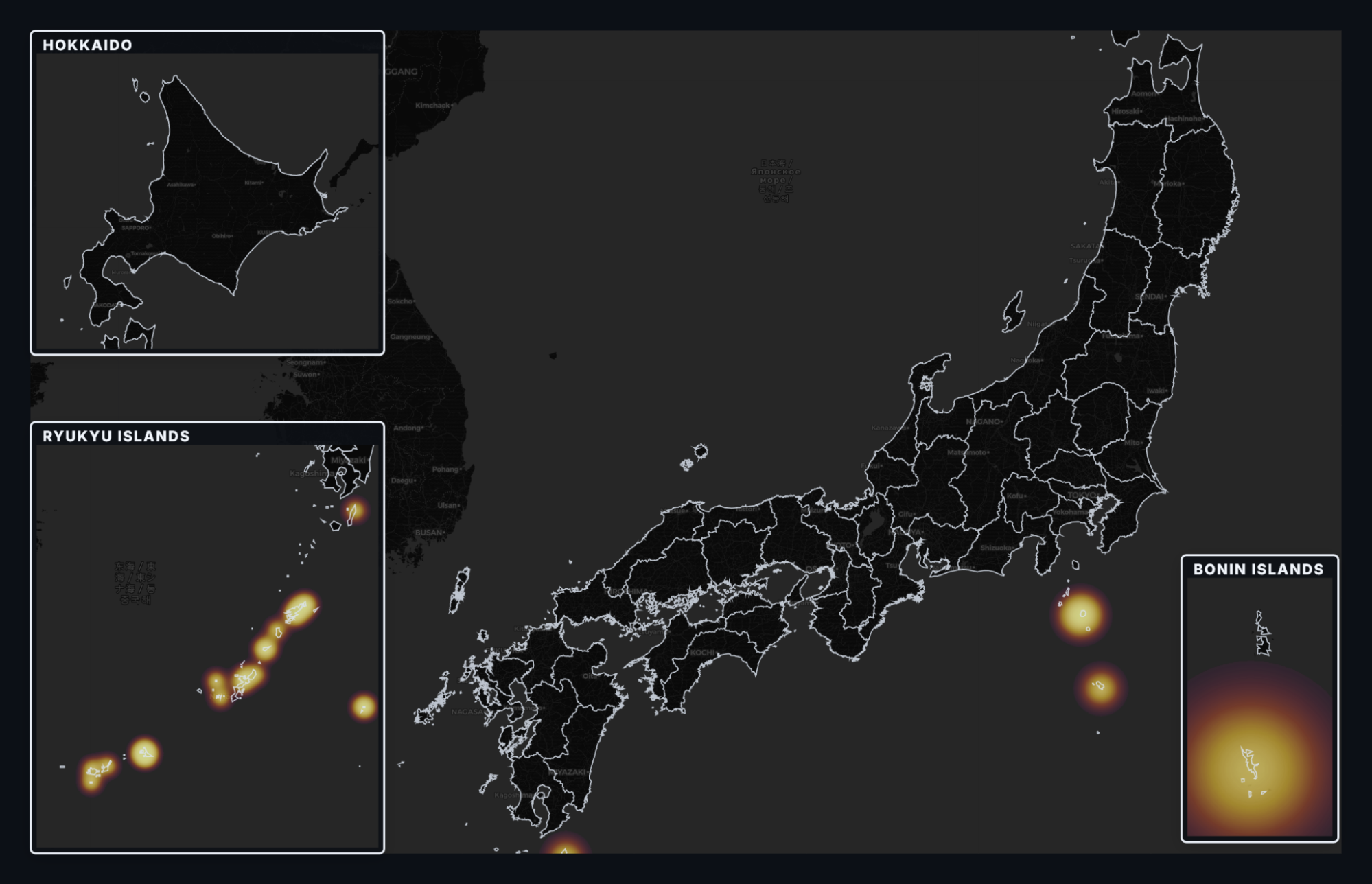
Found on the Ryukyu Islands.
Asterales
Fanflowers
Scaevola taccada (Beach Naupaka)
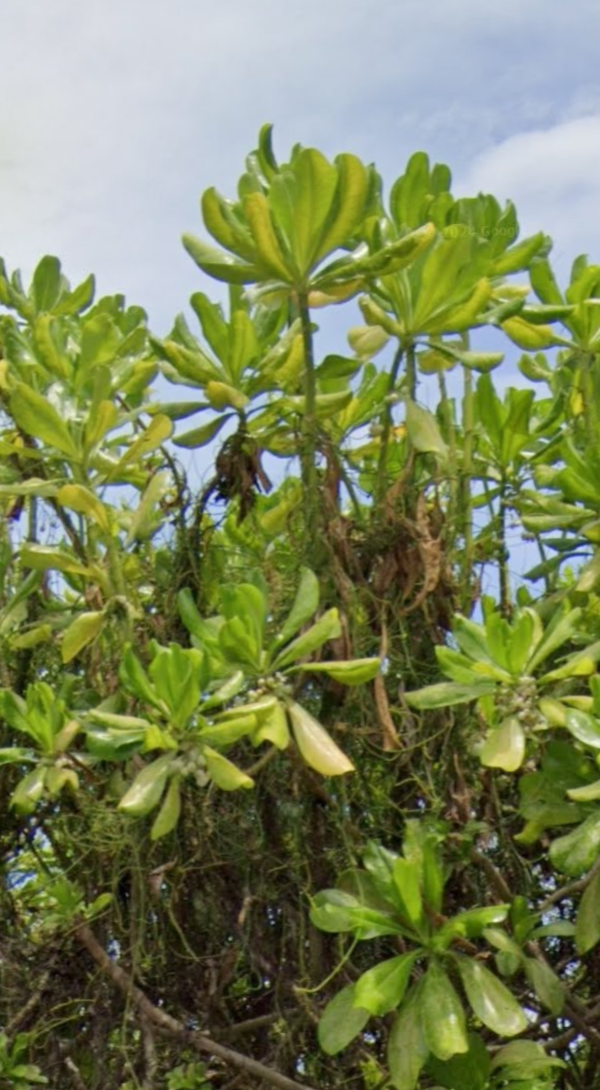
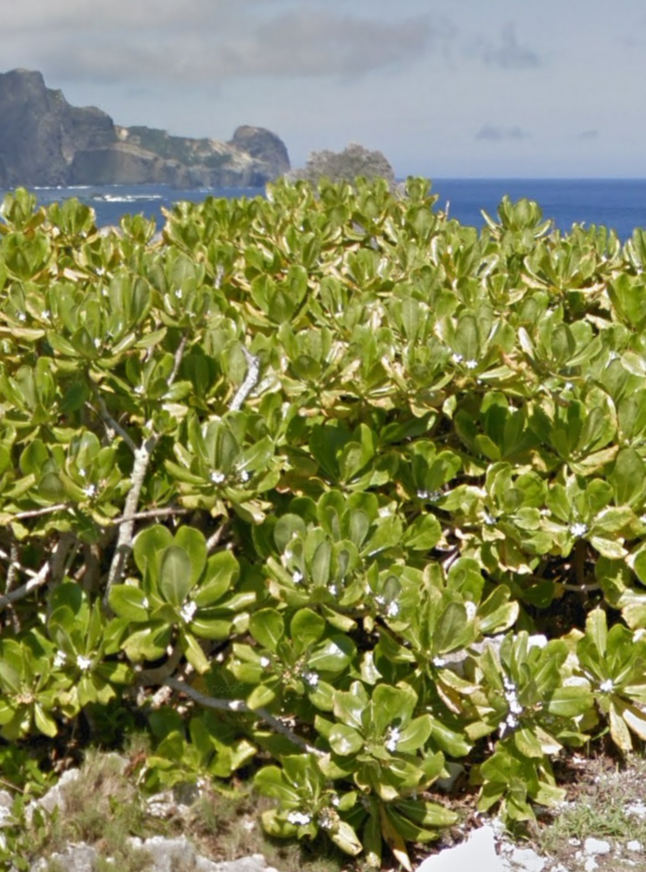
It is a large bush with light green leathery leaves that mostly point upwards. Sometimes it can have white flowers.
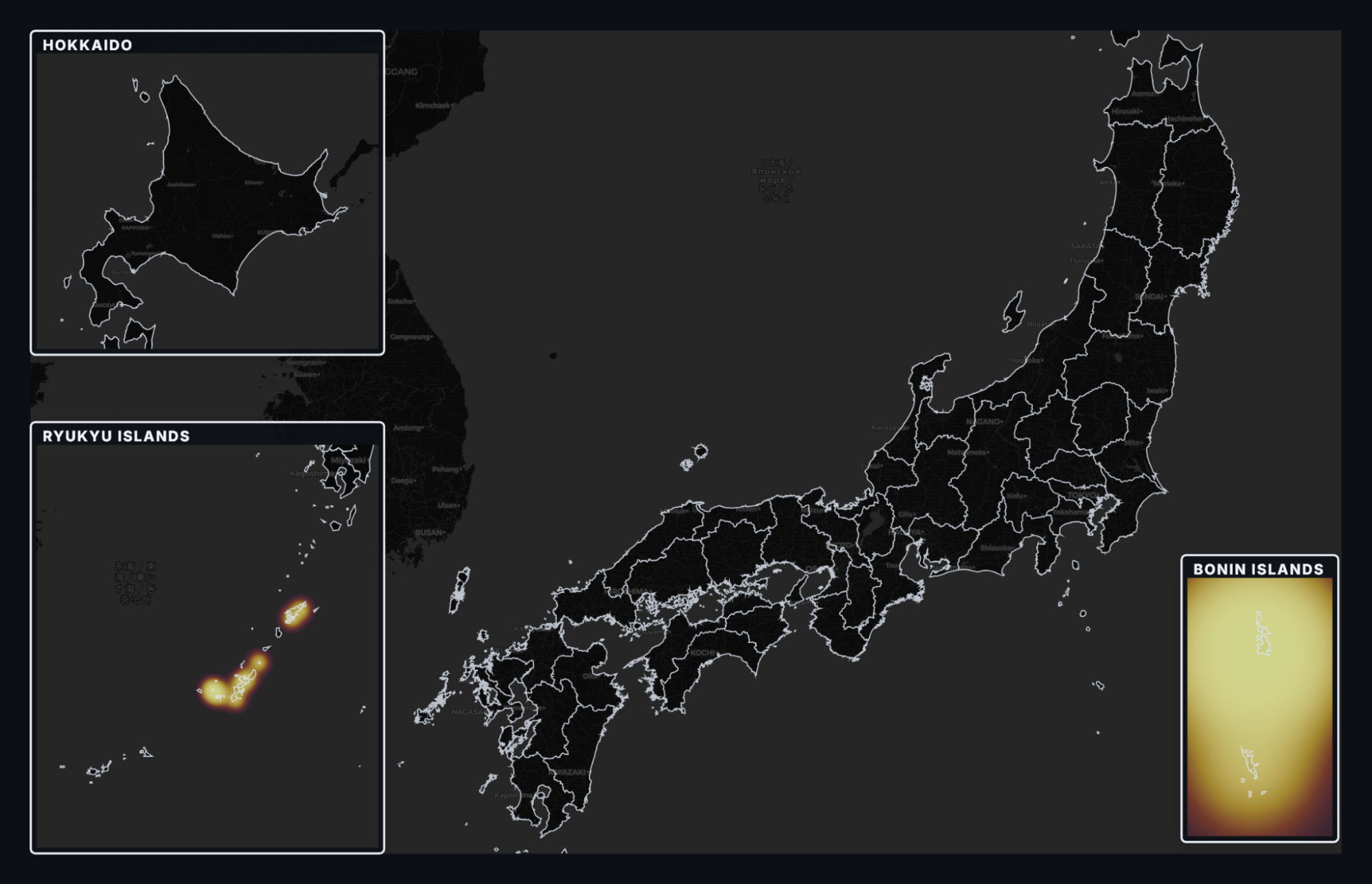
It is found on the Ryukyu Islands and the Bonin Islands.
Fleabanes
Erigeron annuus (Annual Fleabane)
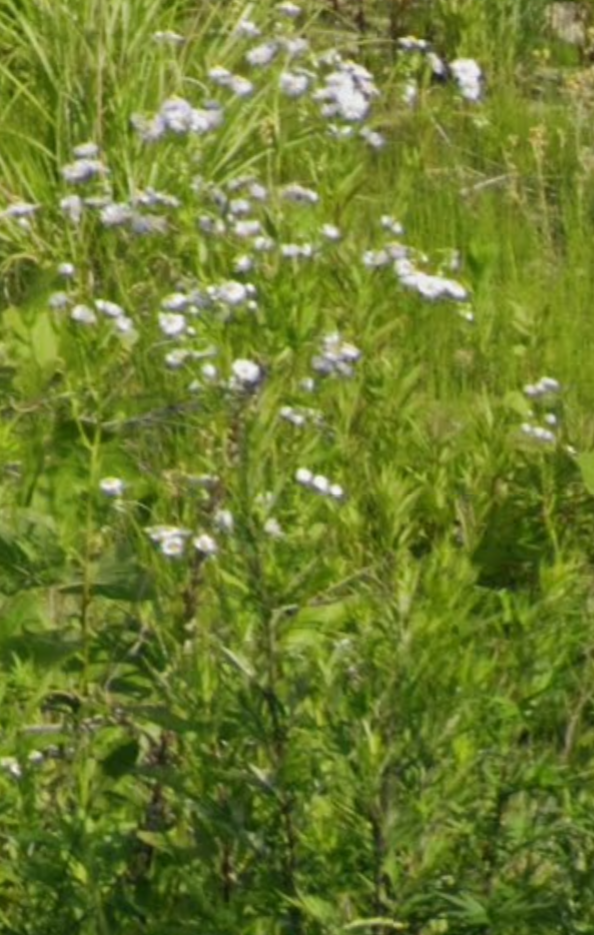
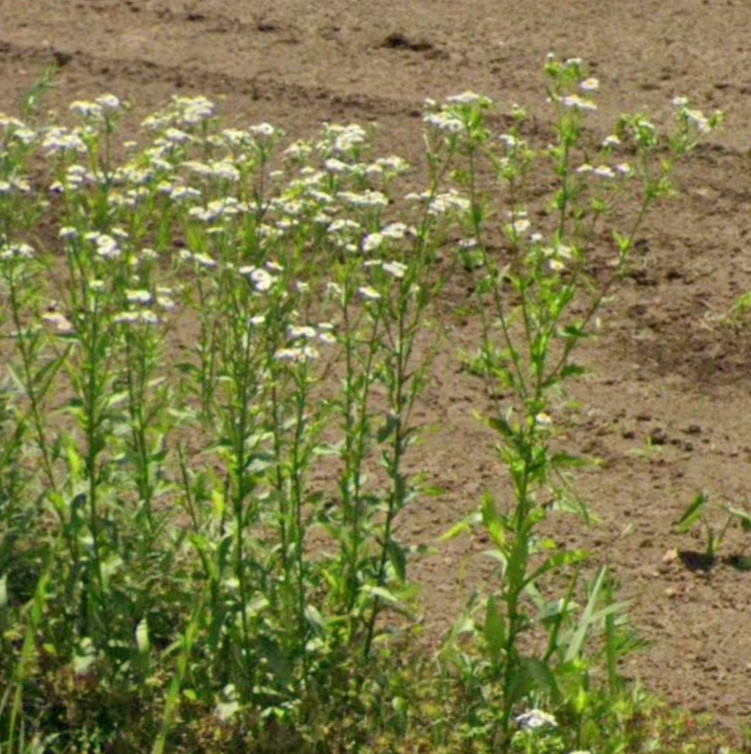
Tiny white flowers grown in bunches.
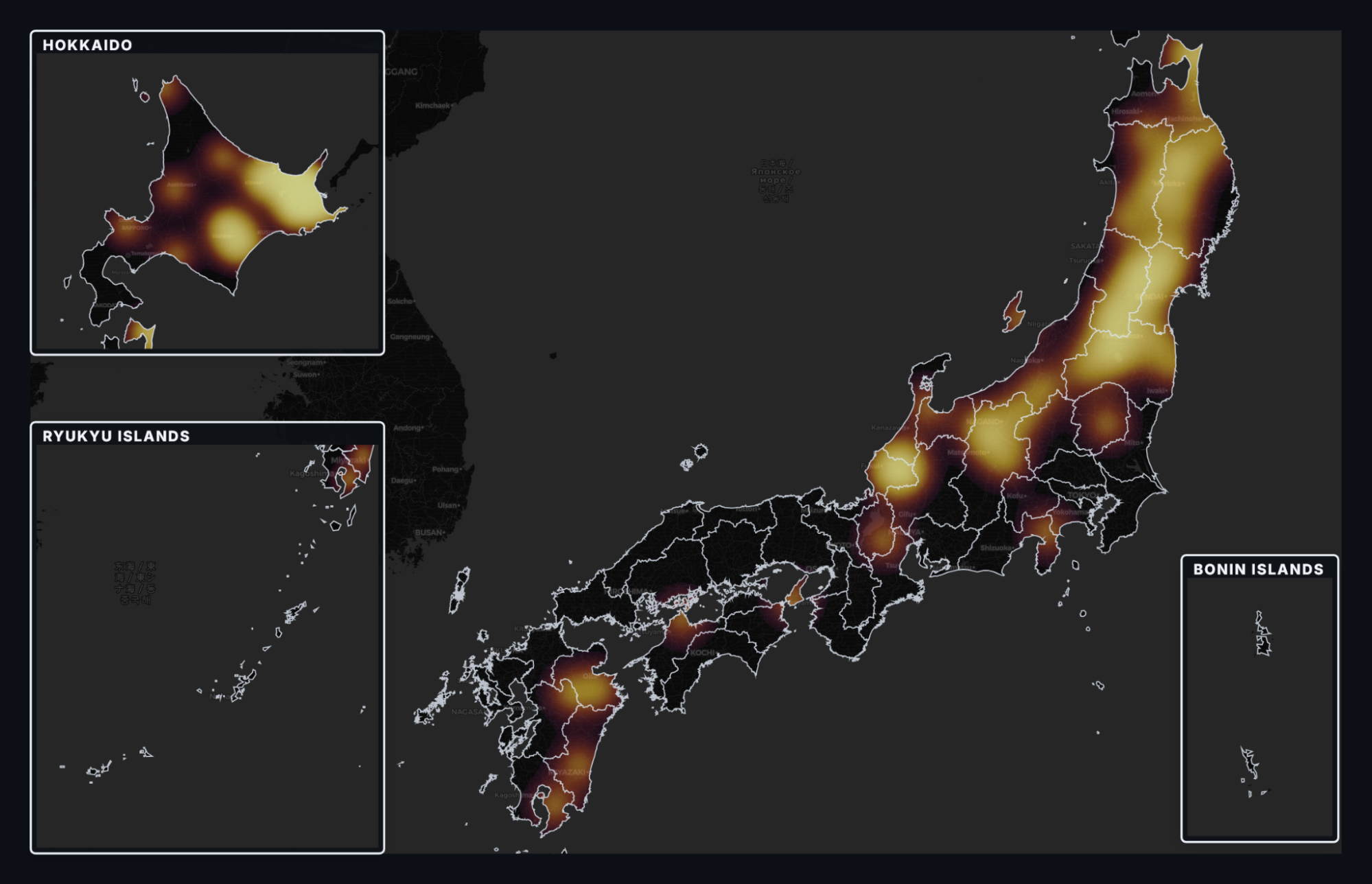
Found a little bit more commonly in the north.
Goldenrods
Solidago altissima (Tall Goldenrod)
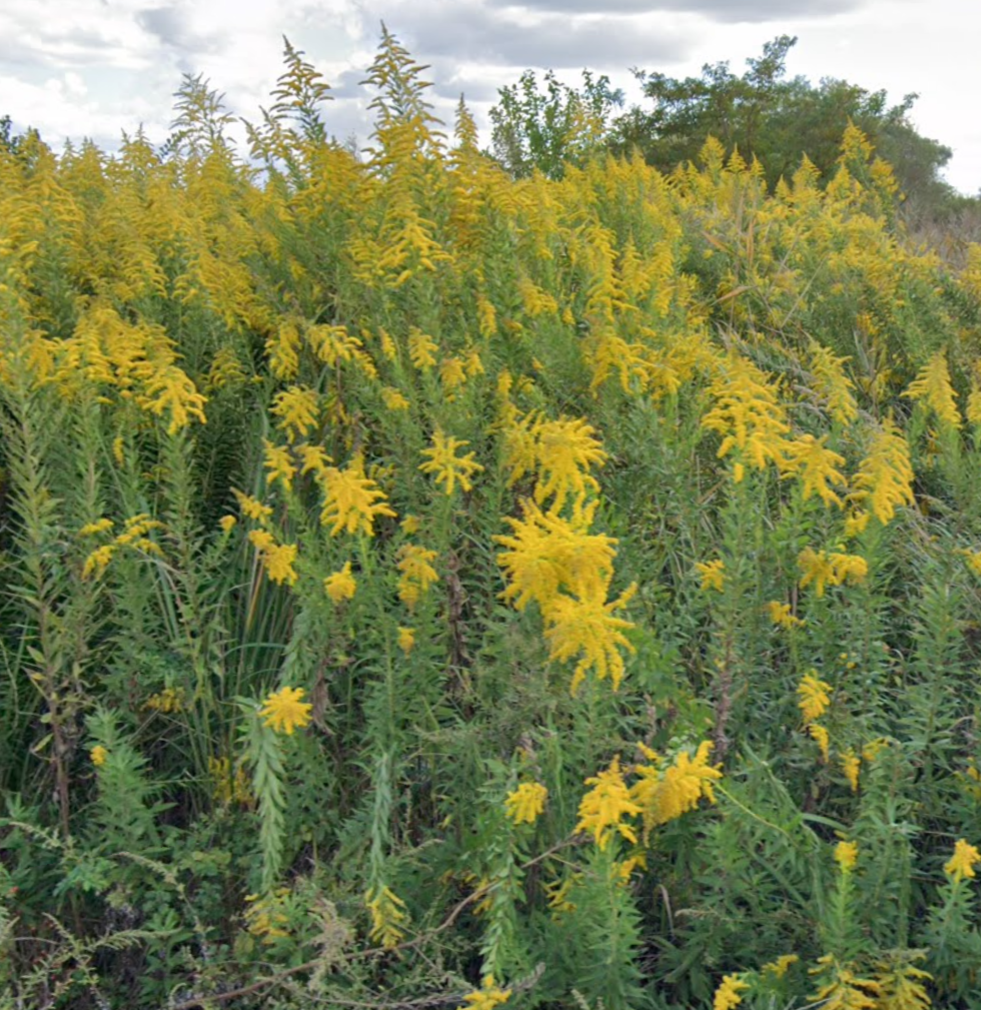
A very unique looking plant with a yellow cone shaped flower.
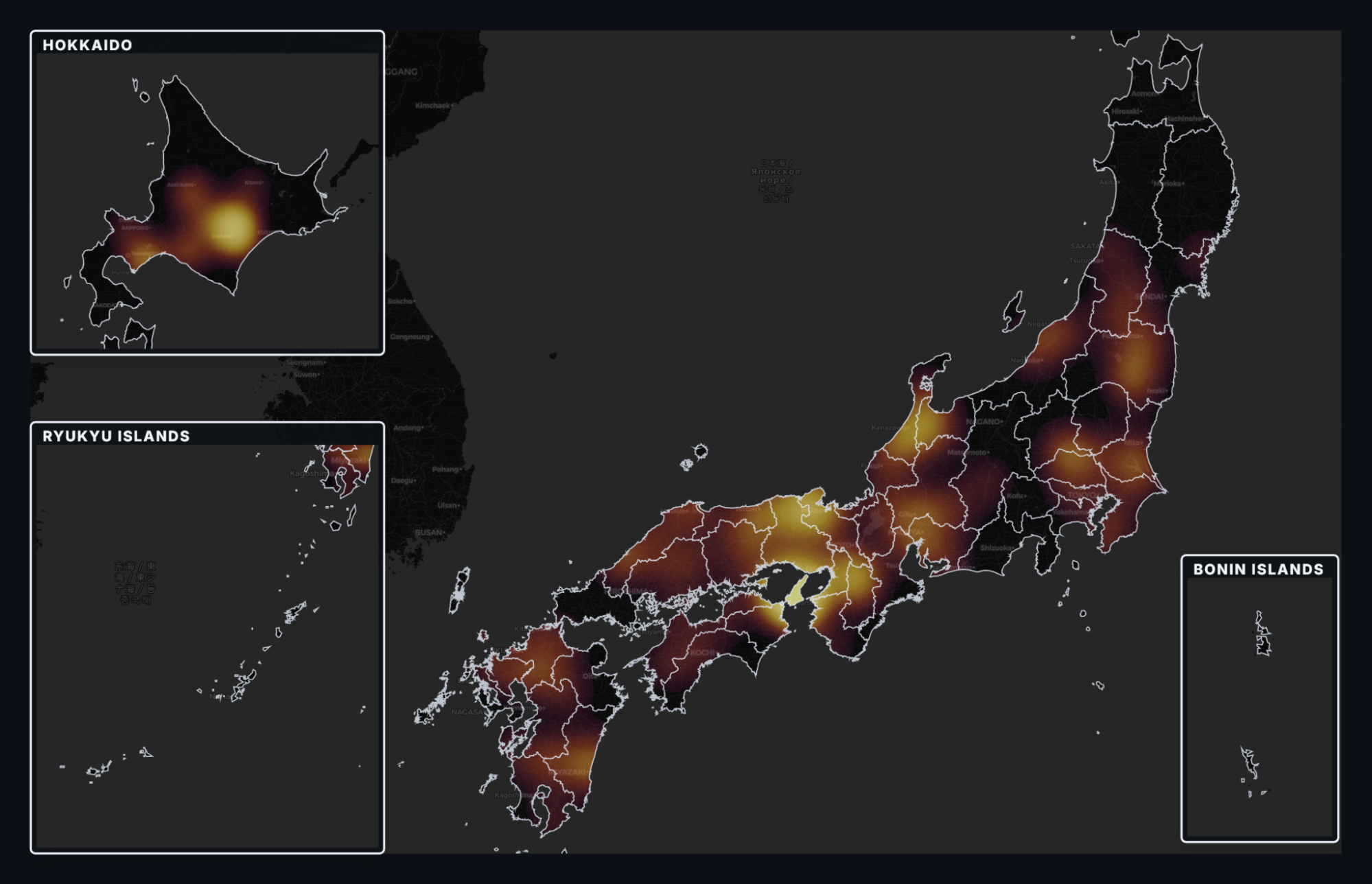
Found almost everywhere in open fields except in northern Tohoku.
Mugworts
Artemisia princeps (Japanese Mugwort)
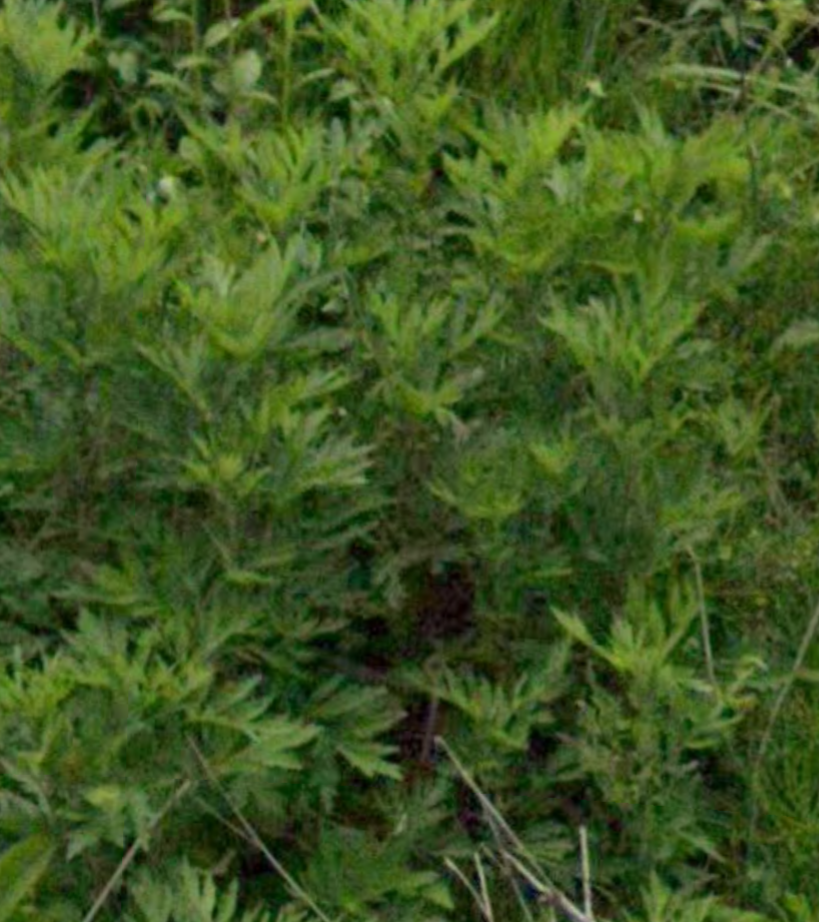
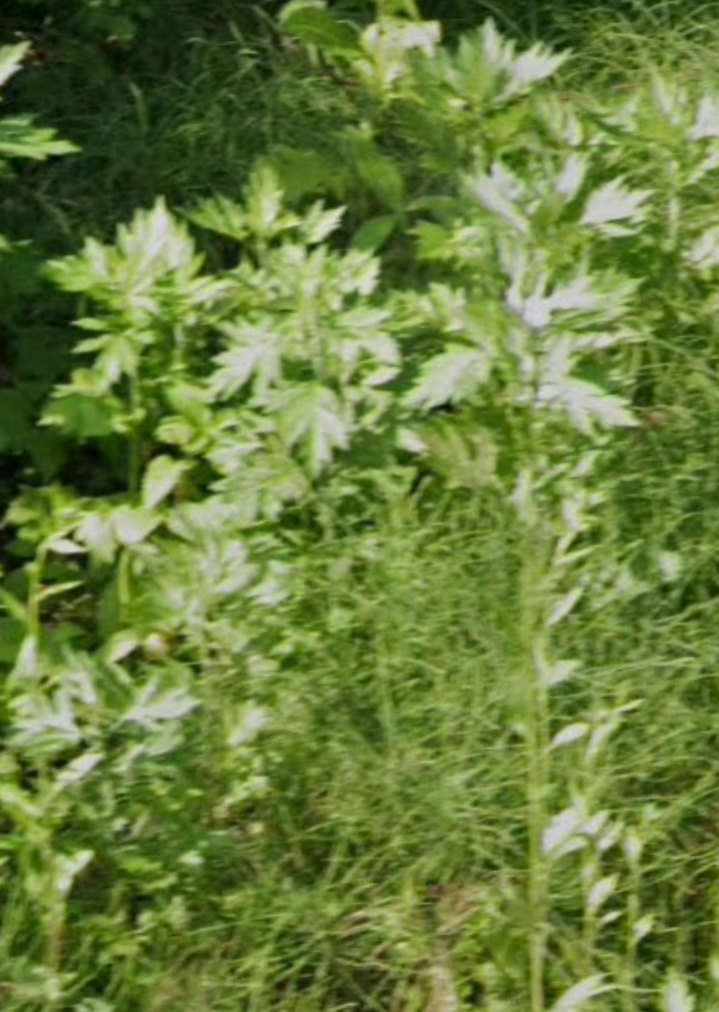
A small plant species that has sharp looking leaves.
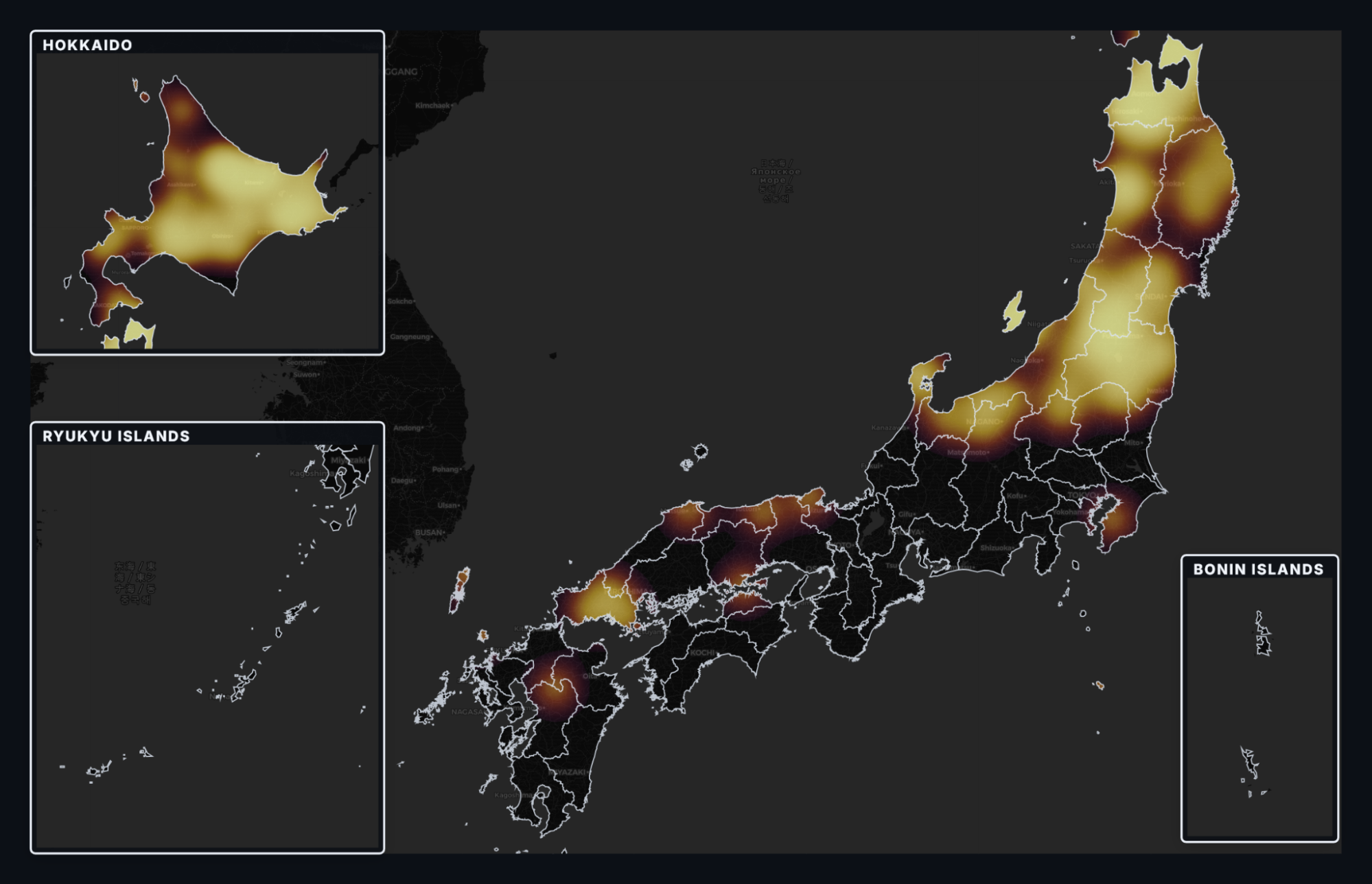
Mostly in the north.
Daisies
Leucanthemum vulgare (Oxeye Daisy)
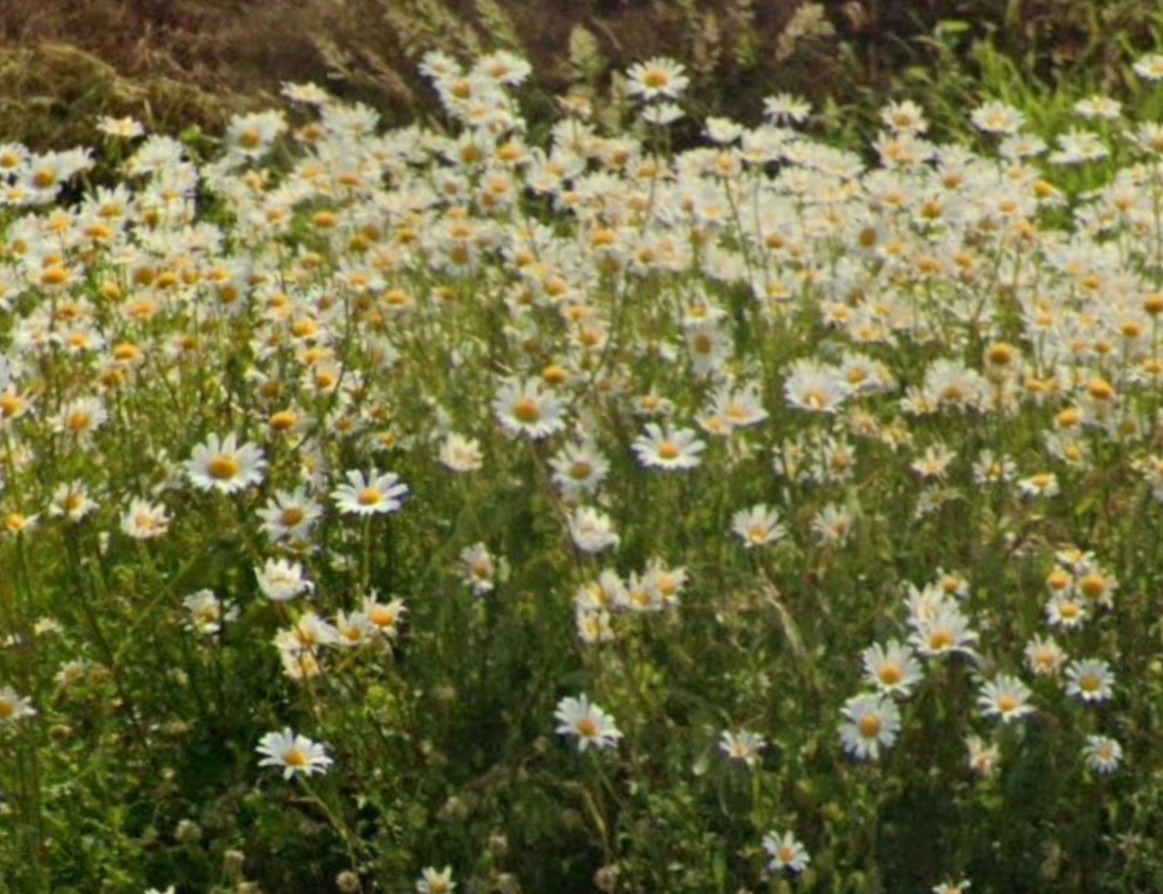
Looks like a big fleabane. Has white petals with yellow centers.
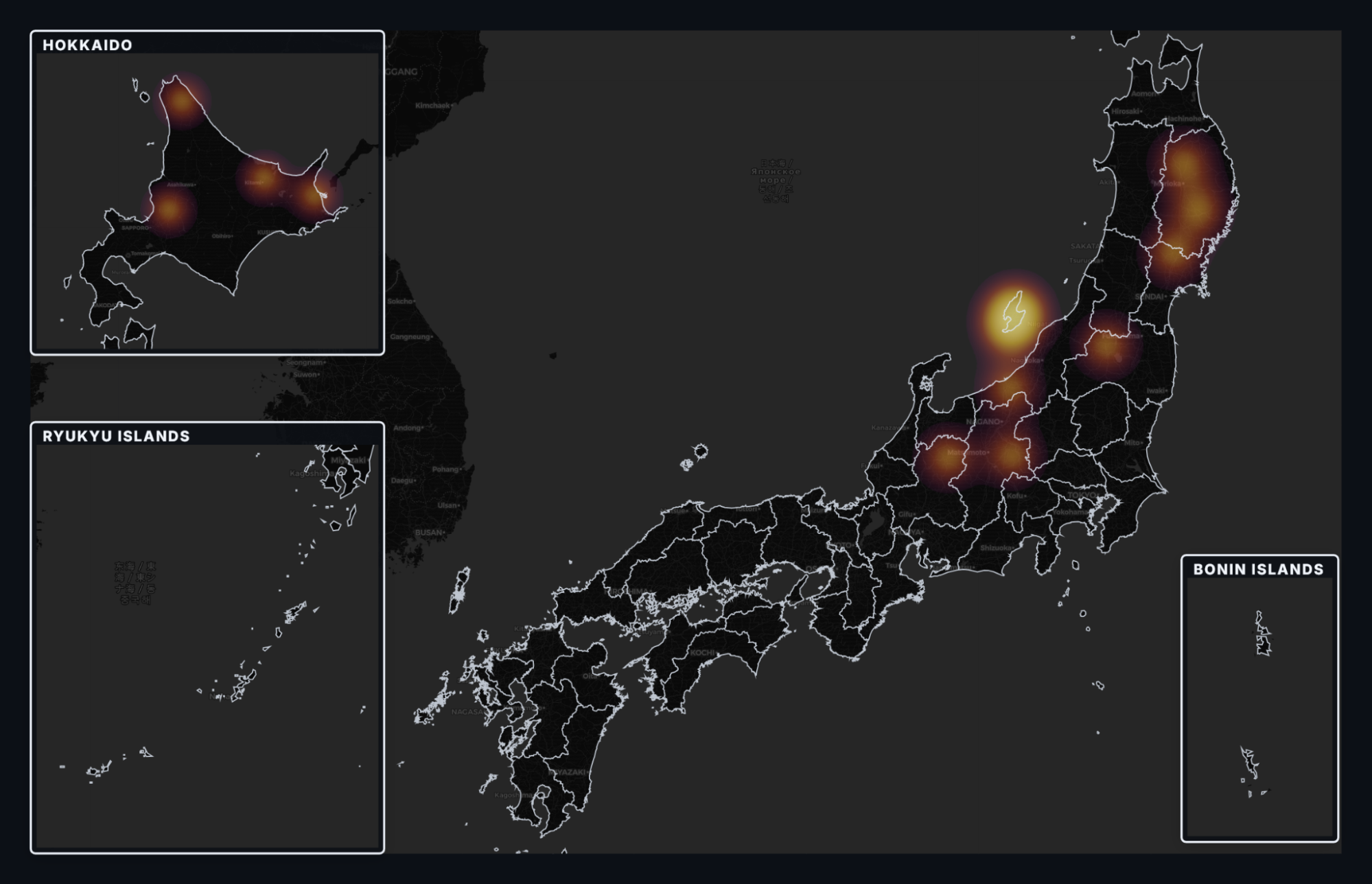
Mostly found in the north although pretty rare.
Coreopsideae
Bidens pilosa (Hairy Beggarticks/Spanish Needles)
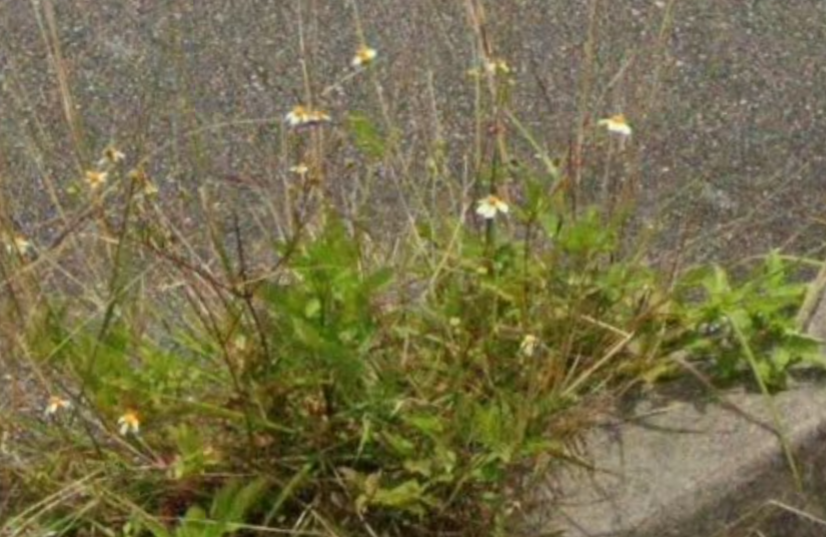
It is these tiny white and yellow flowers with oval petals.
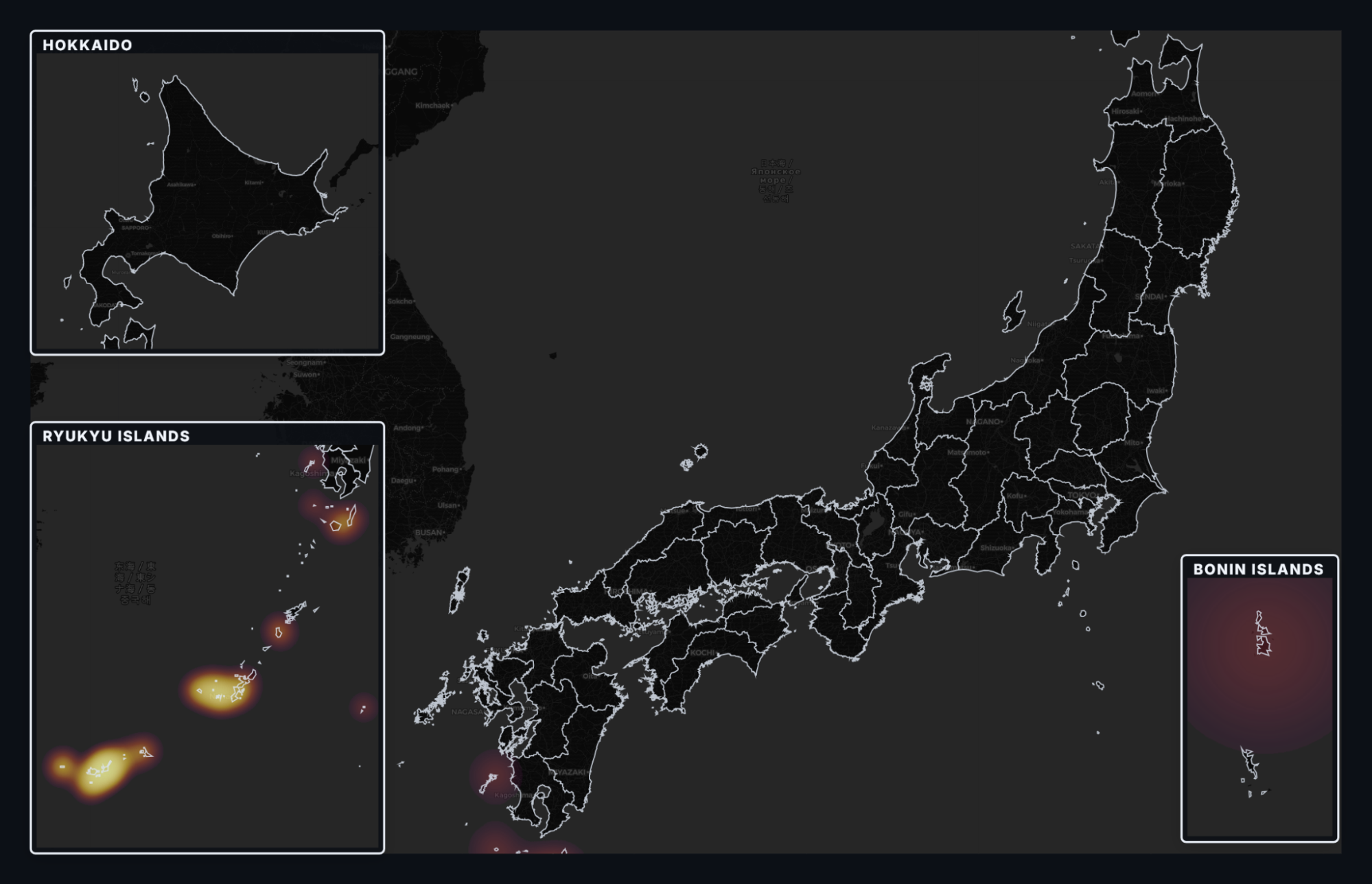
It is found in southern Kyushu and the Ryukyu Islands.
Groundsels
Petasites japonicus (Giant Butterbur/フキ)
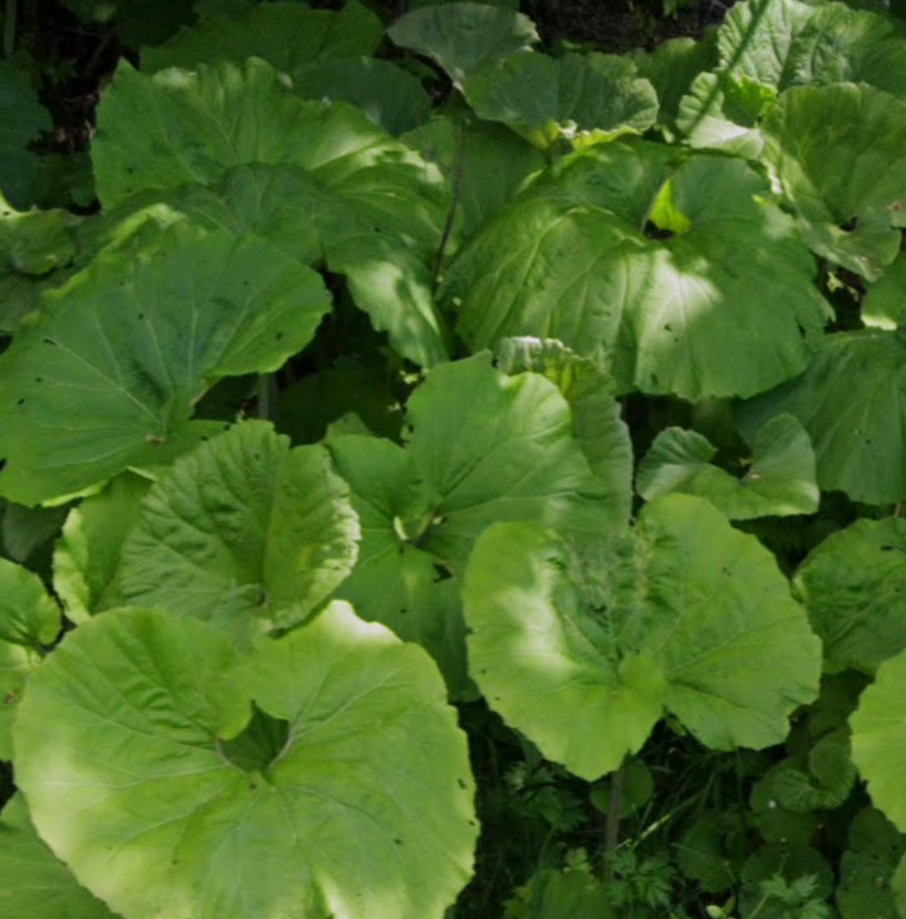
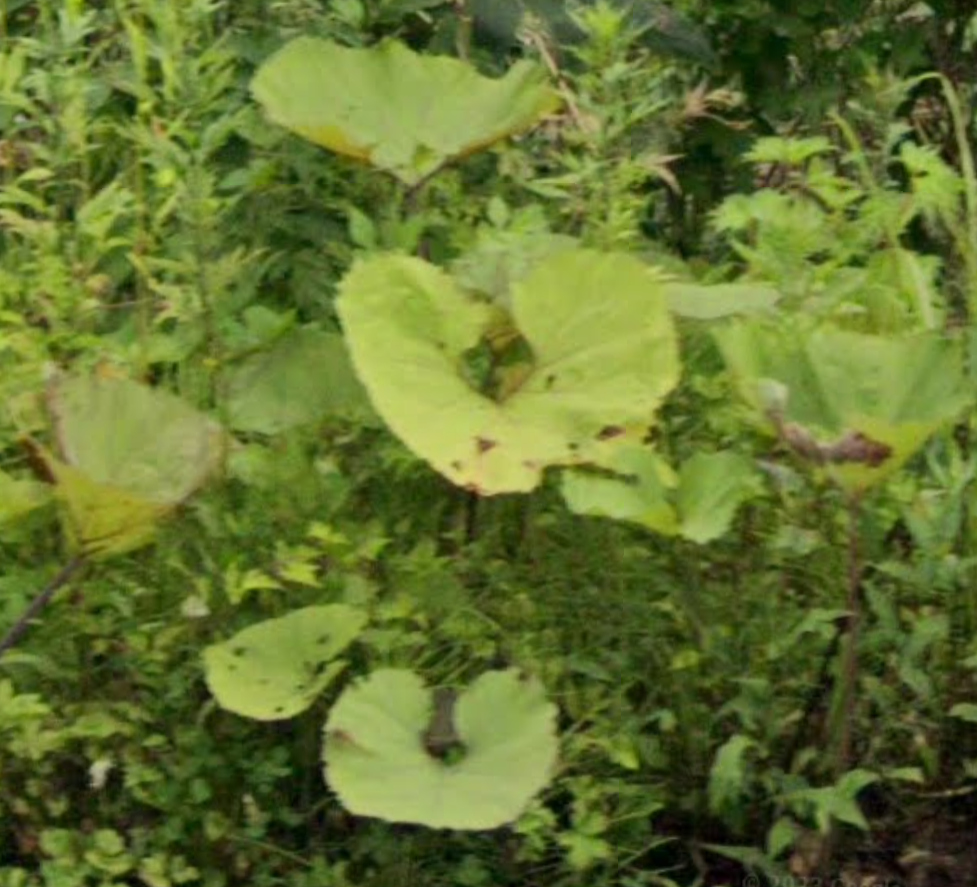
Also known as Hokkaido Cabbage, it is a type of Butterbur that is native to Japan. It is easily recognizable by the circular leaf.
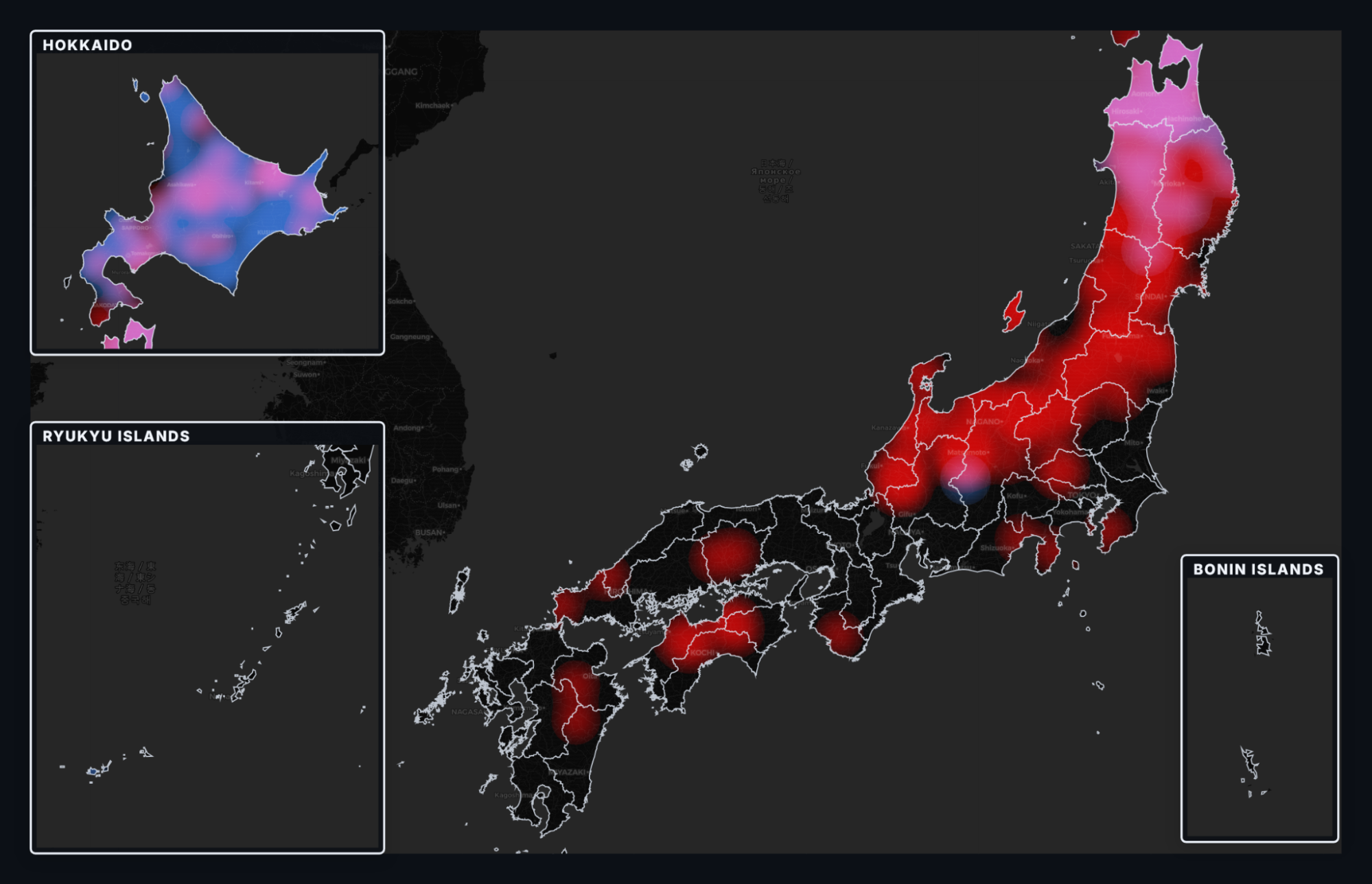
It is found in cold areas throughout Japan which includes high elevation areas and the cold north. The blue is Petasites japonicus ssp. giganteus which is the giant variant found mostly in Hokkaido. Also there is an area on the Oshima peninsula where these seem to be more rare.
Farfugium japonicum (Leopard Plant/ツワブキ)
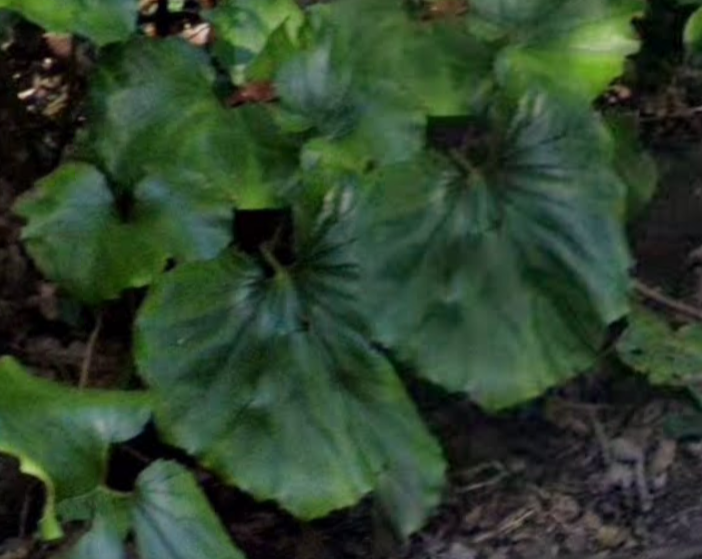
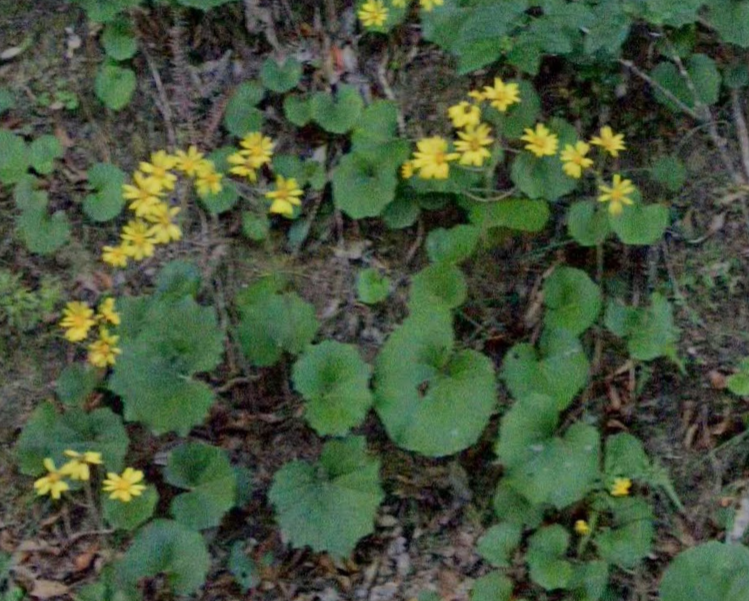
It looks like a dark green version of Petasites japonicus but feels more leathery and firm. Sometimes it can have yellow flowers on top.
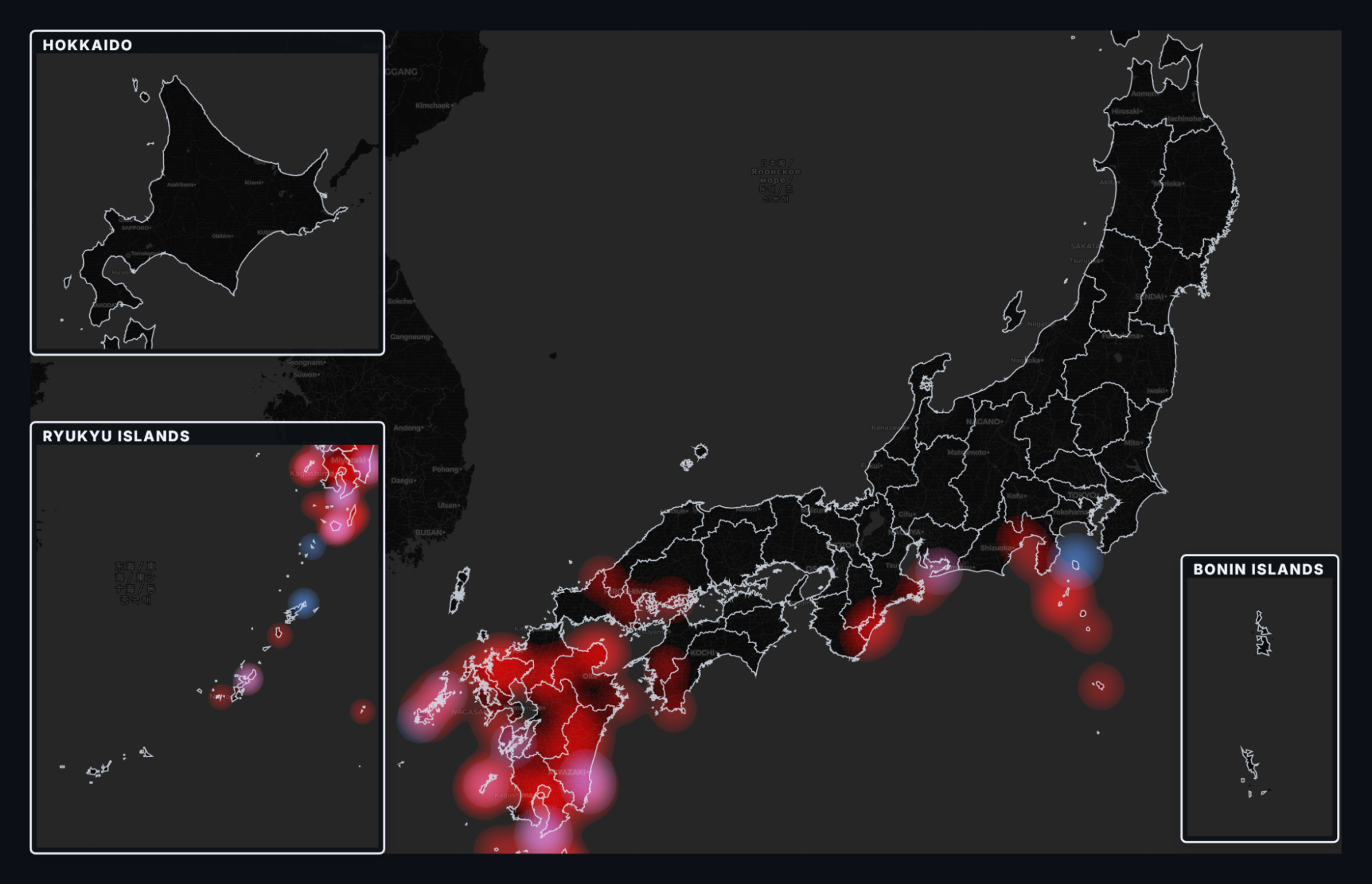
Most of it is found in Kyushu and the surrounding areas down to the main Okinawa Island so it is a really good indication if you suspect that you are in Kyushu. Additionally it is found in southern Mie and the Tokyo Islands.
Heliantheae
Rudbeckia laciniata (Cutleaf Coneflower)
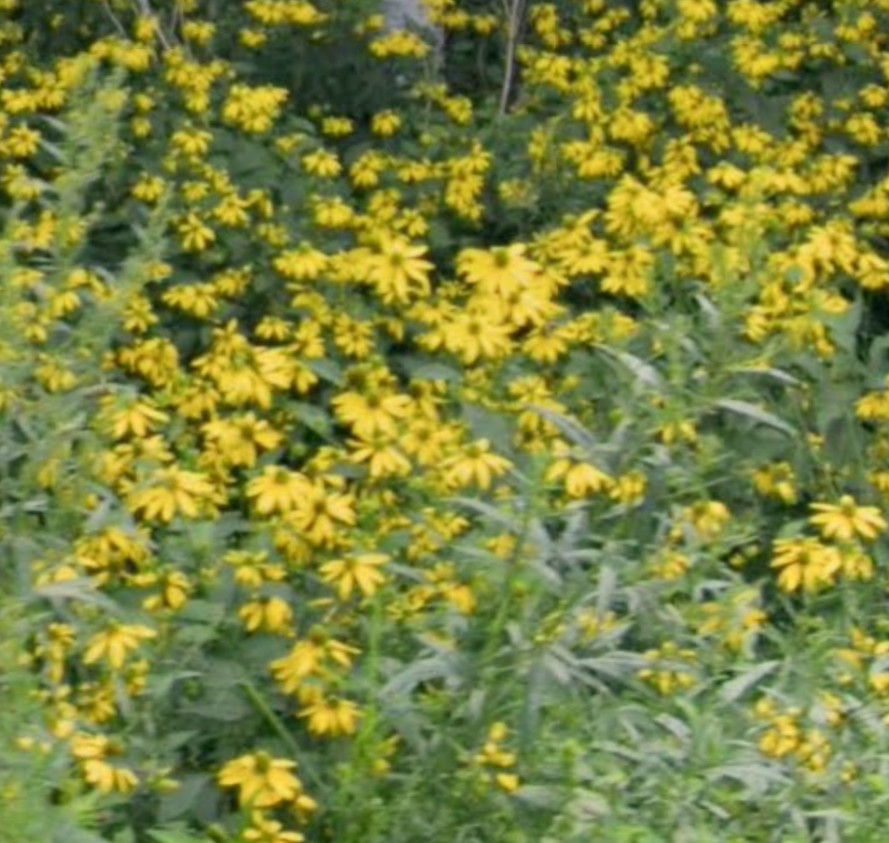
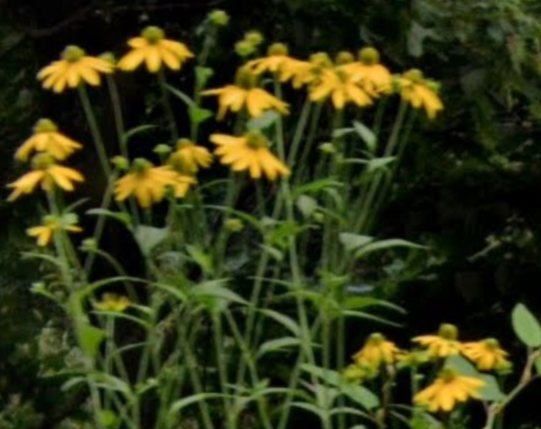
These are flowers with yellow petals and black in the center.
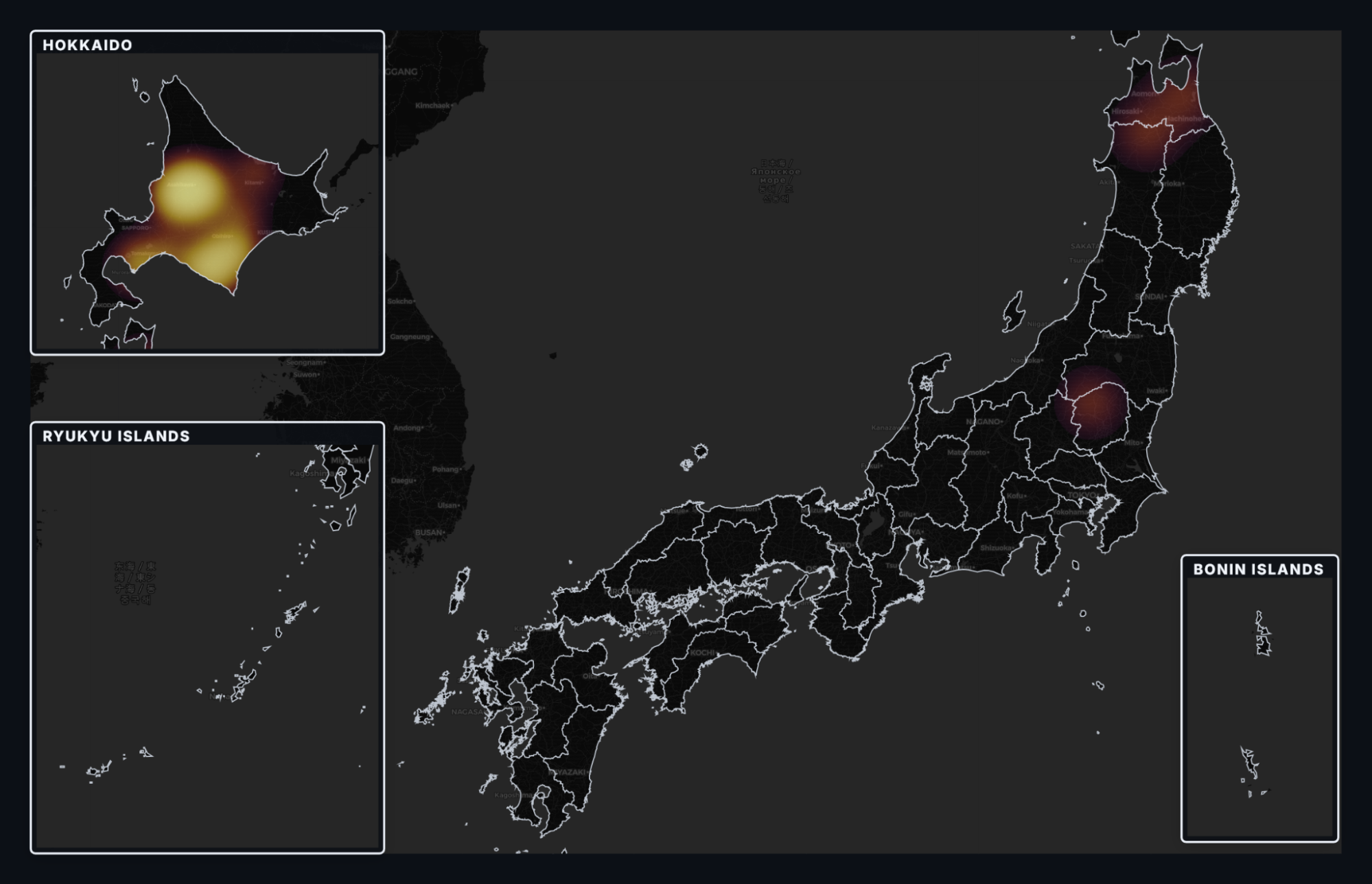
Mostly found in the fields of Hokkaido.
Helianthus annuus (Common Sunflower)
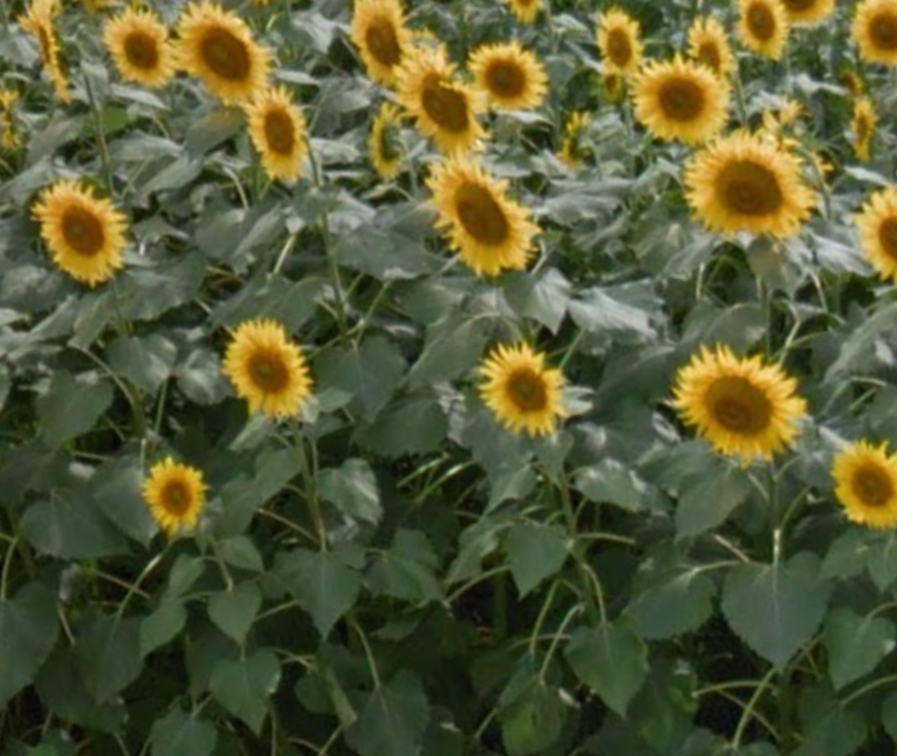
It’s a sunflower.
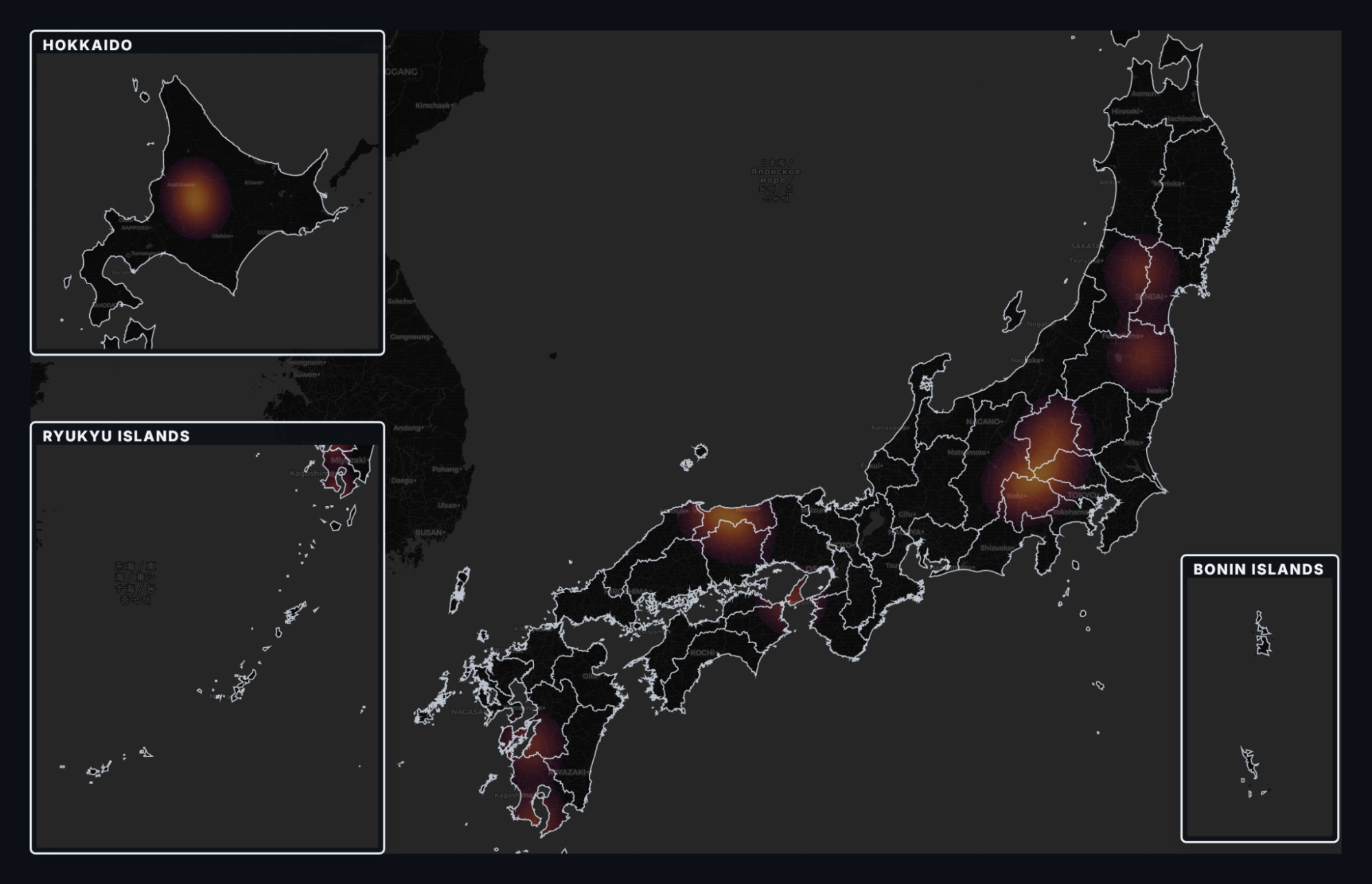
Very rare to find but mostly in flat areas.
Plume Thistle
Cirsium chokaiense (Chokai Azami)
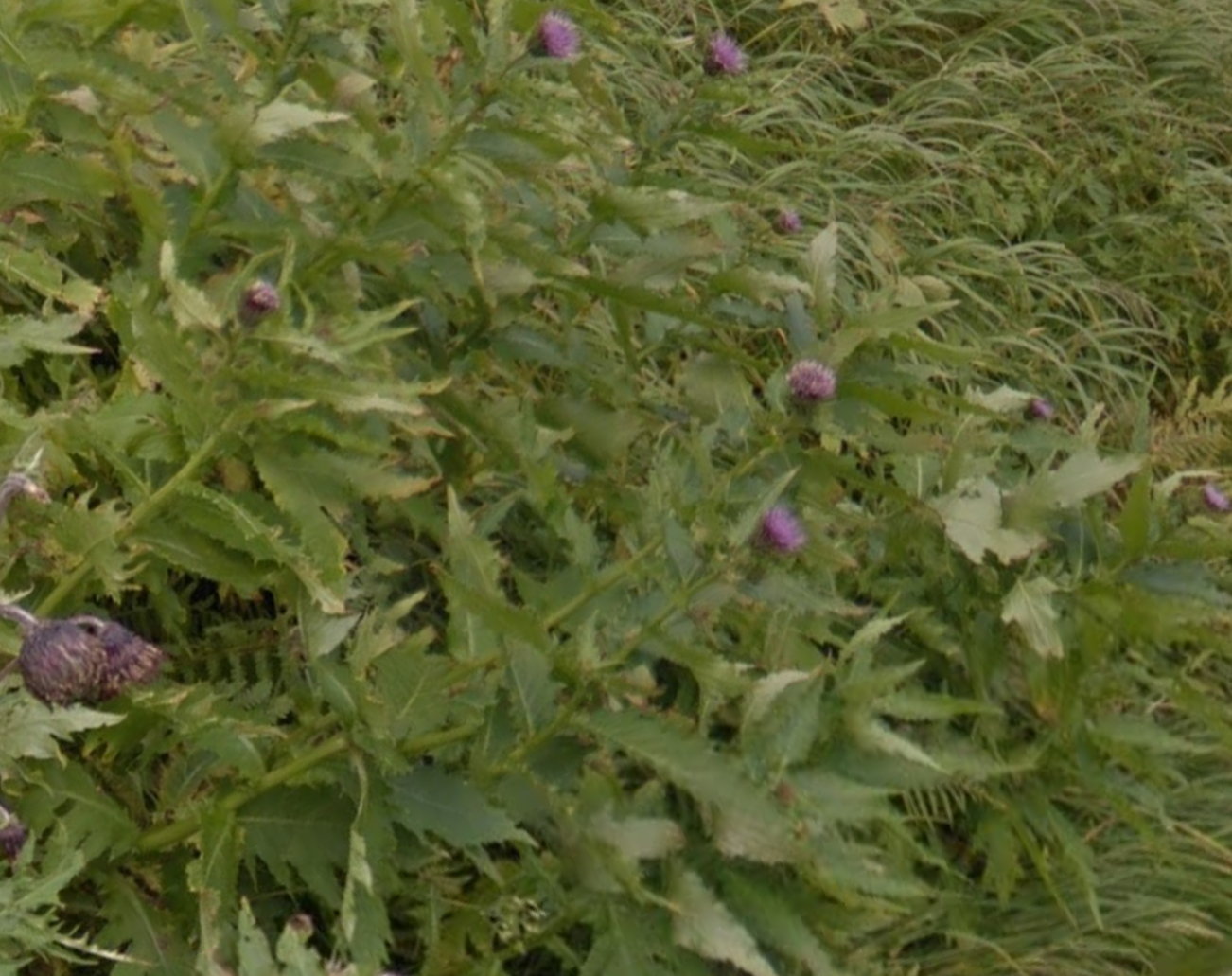
This is a species of Plume Thistle that is endemic to the high elevation areas of Mount Chokai. It grows on open grasslands in the alpine zone and can reach 50-150 cm in height.
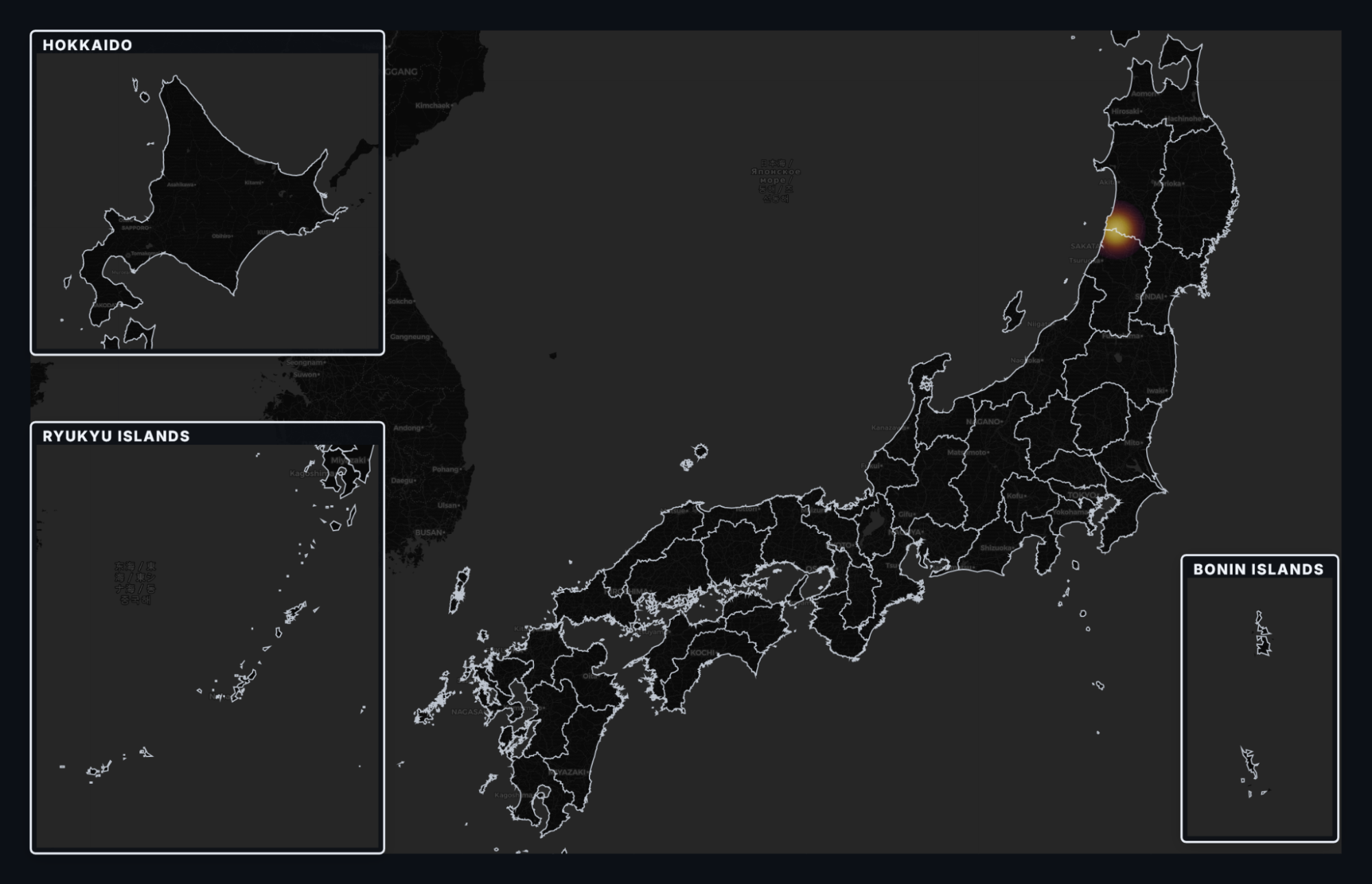
Endemic to Mount Chokai.
Caryophyllales
Knotweeds
Reynoutria sachalinensis (Giant Knotweed)
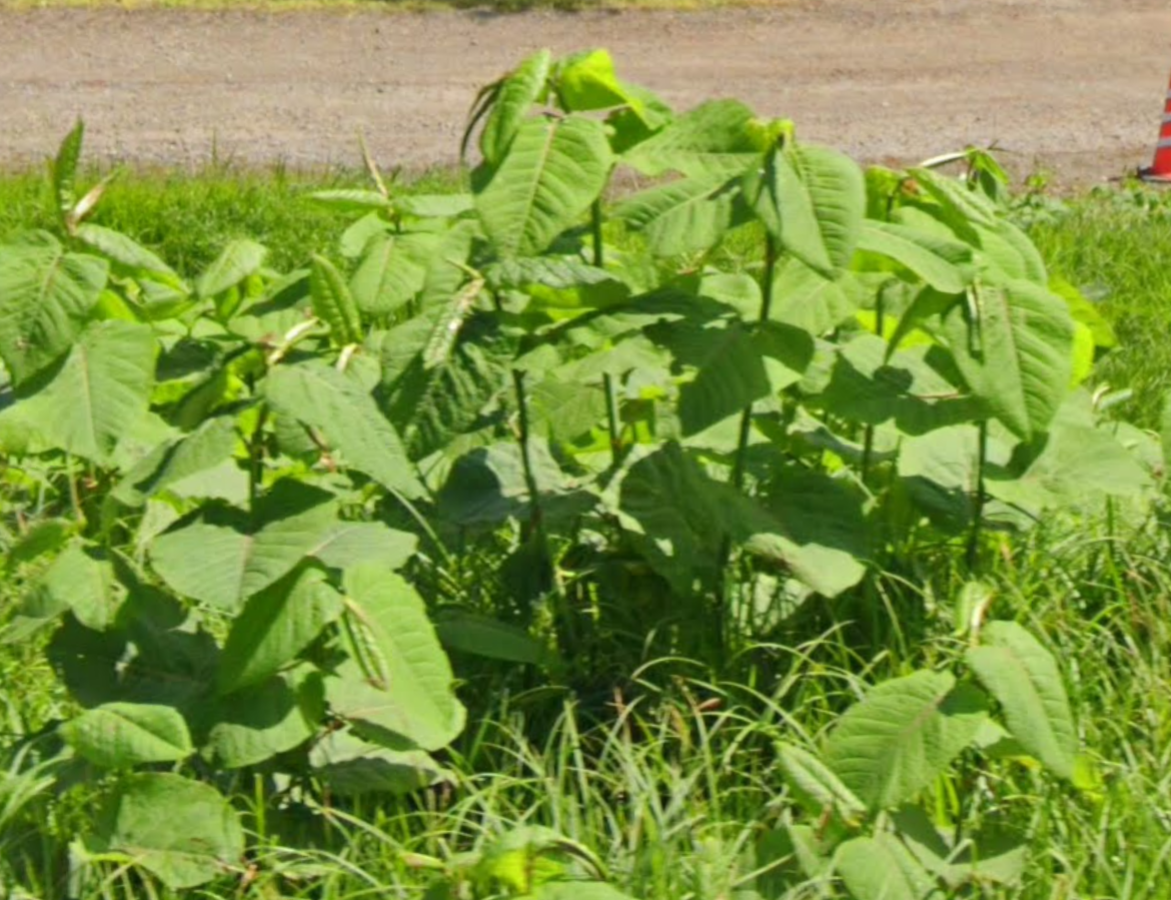
A species of Knotweed with very big leaves.
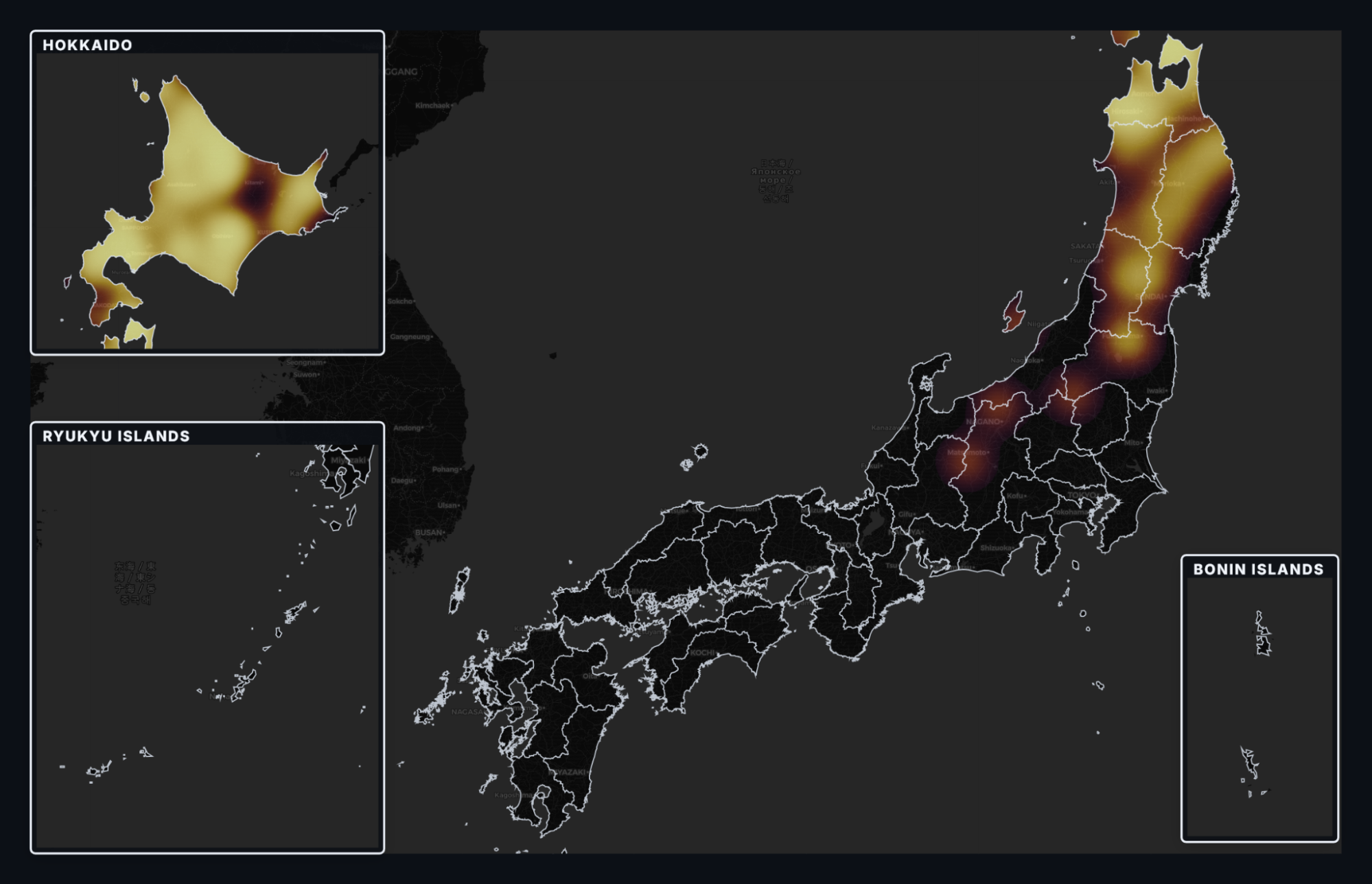
Found in northern Tohoku and Hokkaido.
Rosales
Hops
Humulus scandens (Japanese Hops)
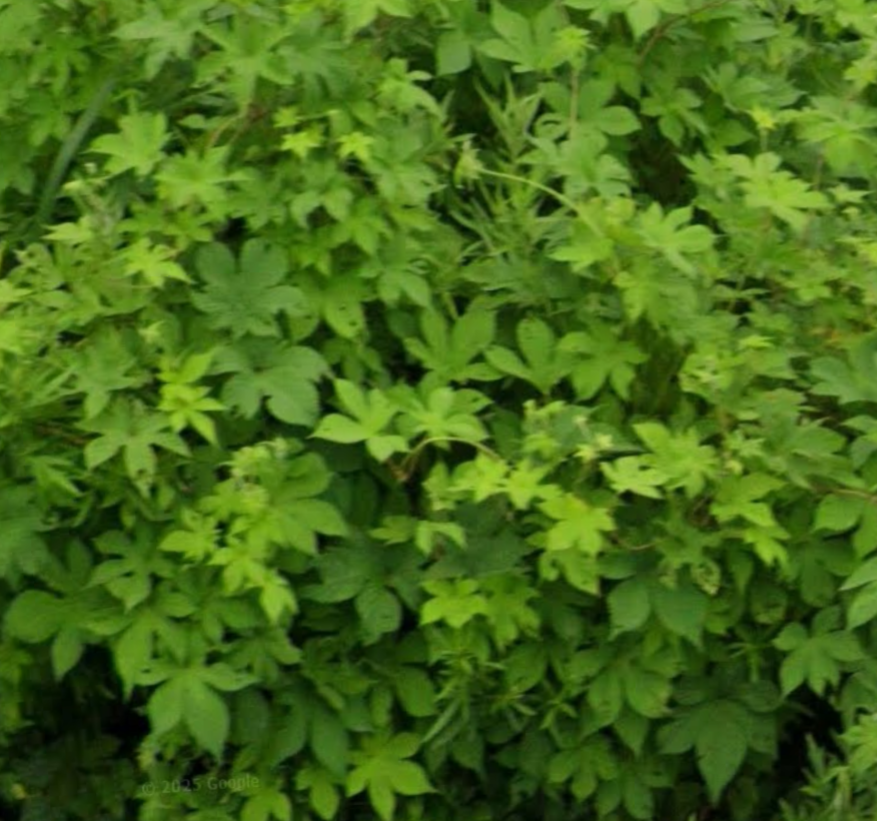
It is a star shaped light green shrub.
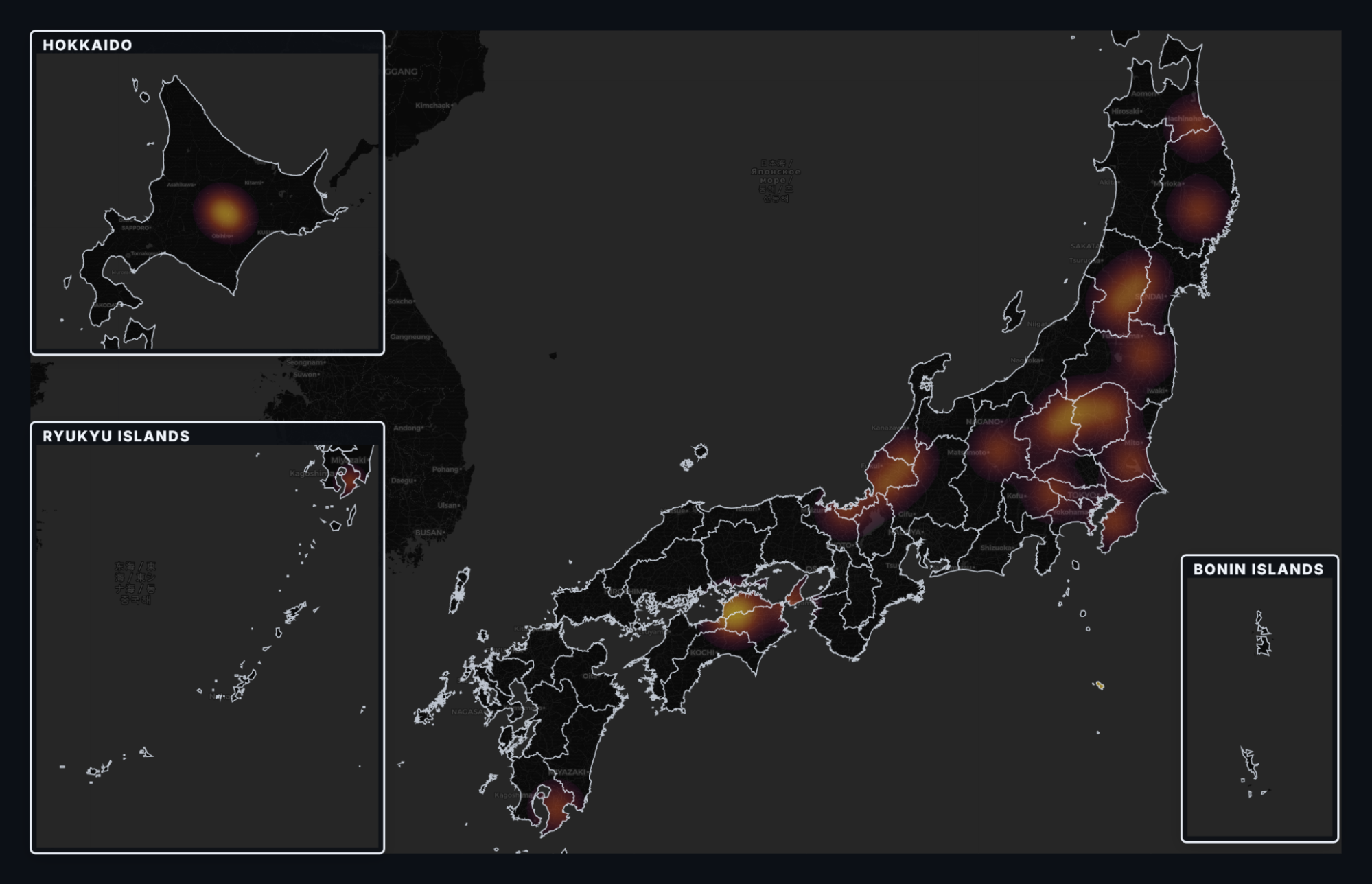
Mostly found in Tohoku but can be found elsewhere.
Figs
Ficus erecta (Japanese Fig)
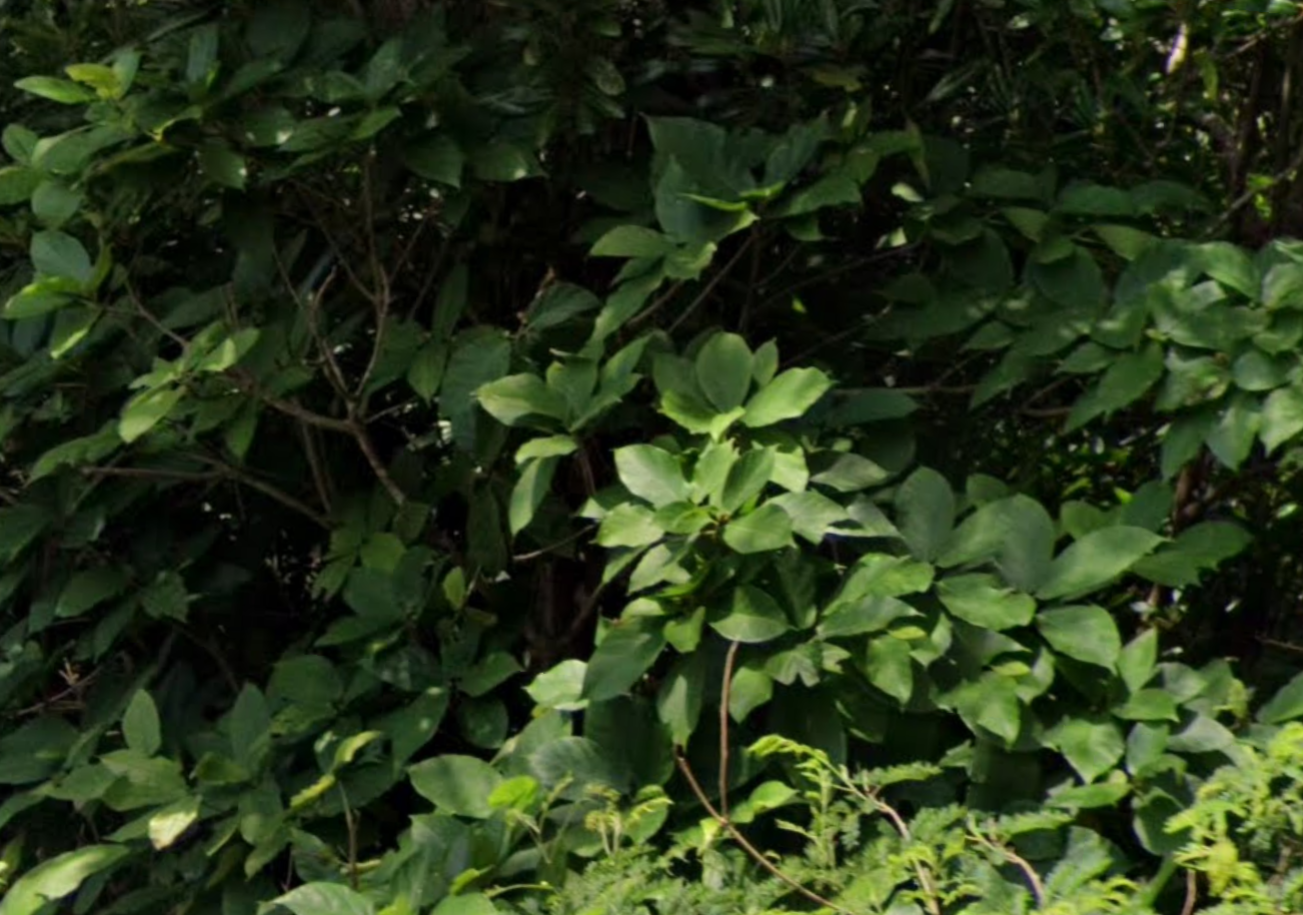
It is a small tree that can be a bit hard to spot. It is found alongside streams. It produces small, sweet fruits.
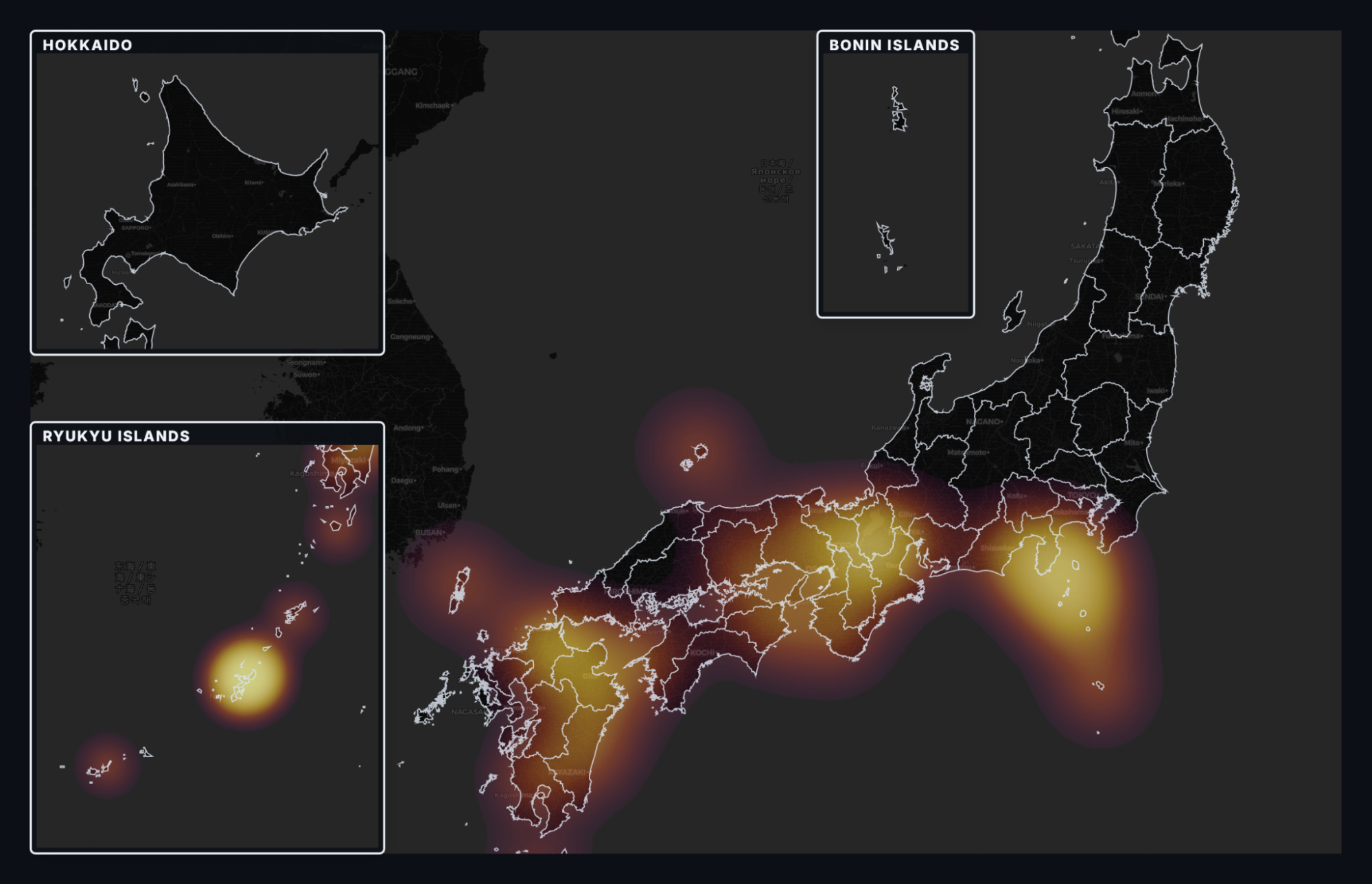
It is found from southern Kanto down to Okinawa.
Ficus septica (Hauili Fig Tree)
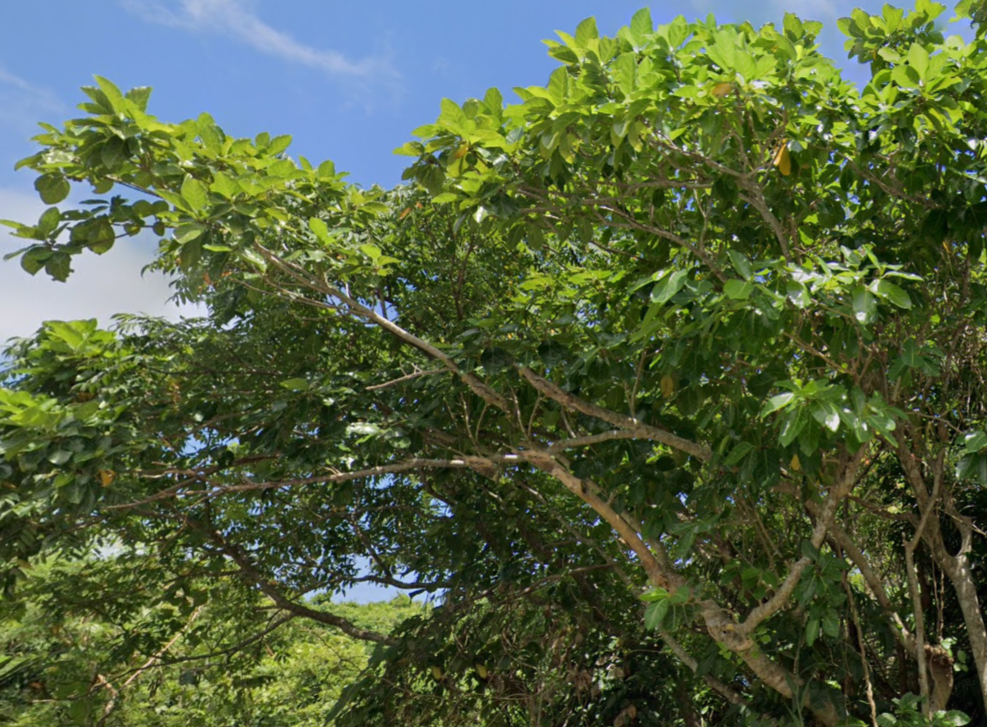
A medium sized tree with oval leaves.
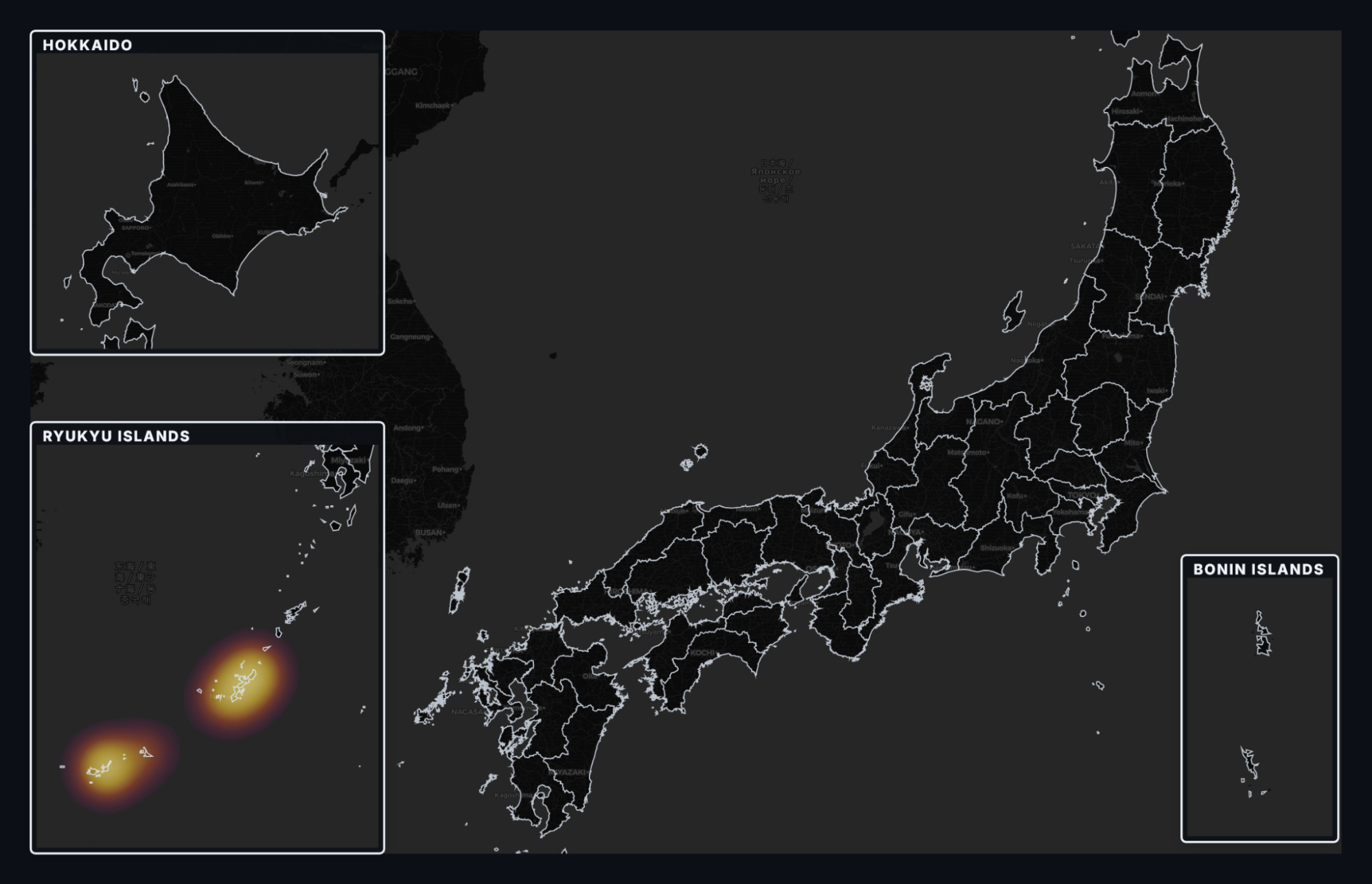
Only found on the Okinawa Islands.
Ficus variegata (Common Red-stem Fig)
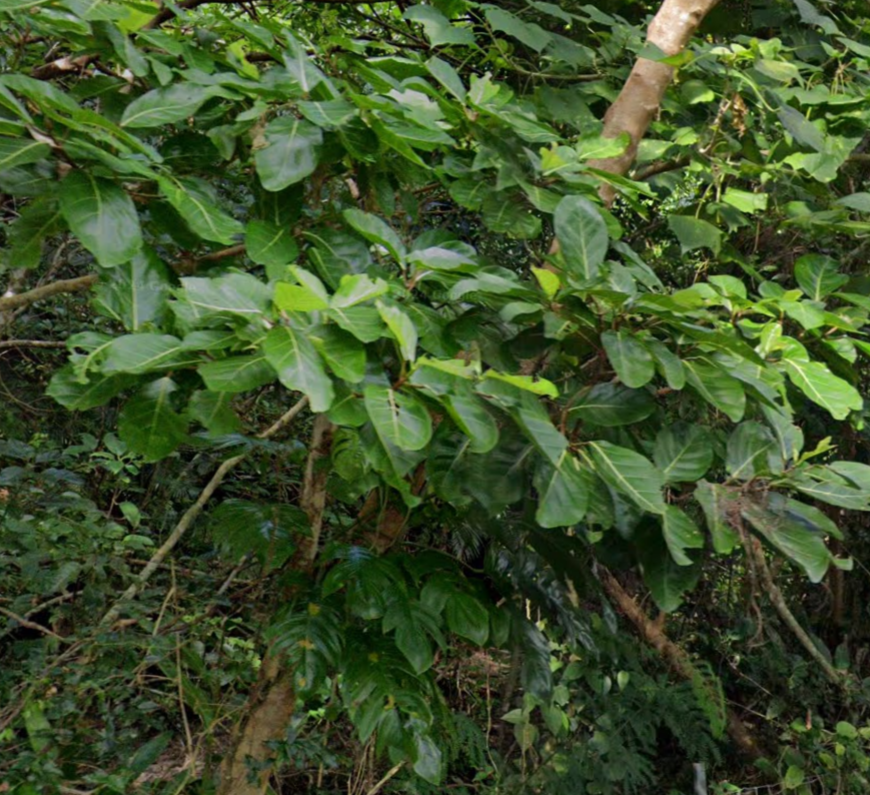
Has dark green oval leaves with a red tinted bark.
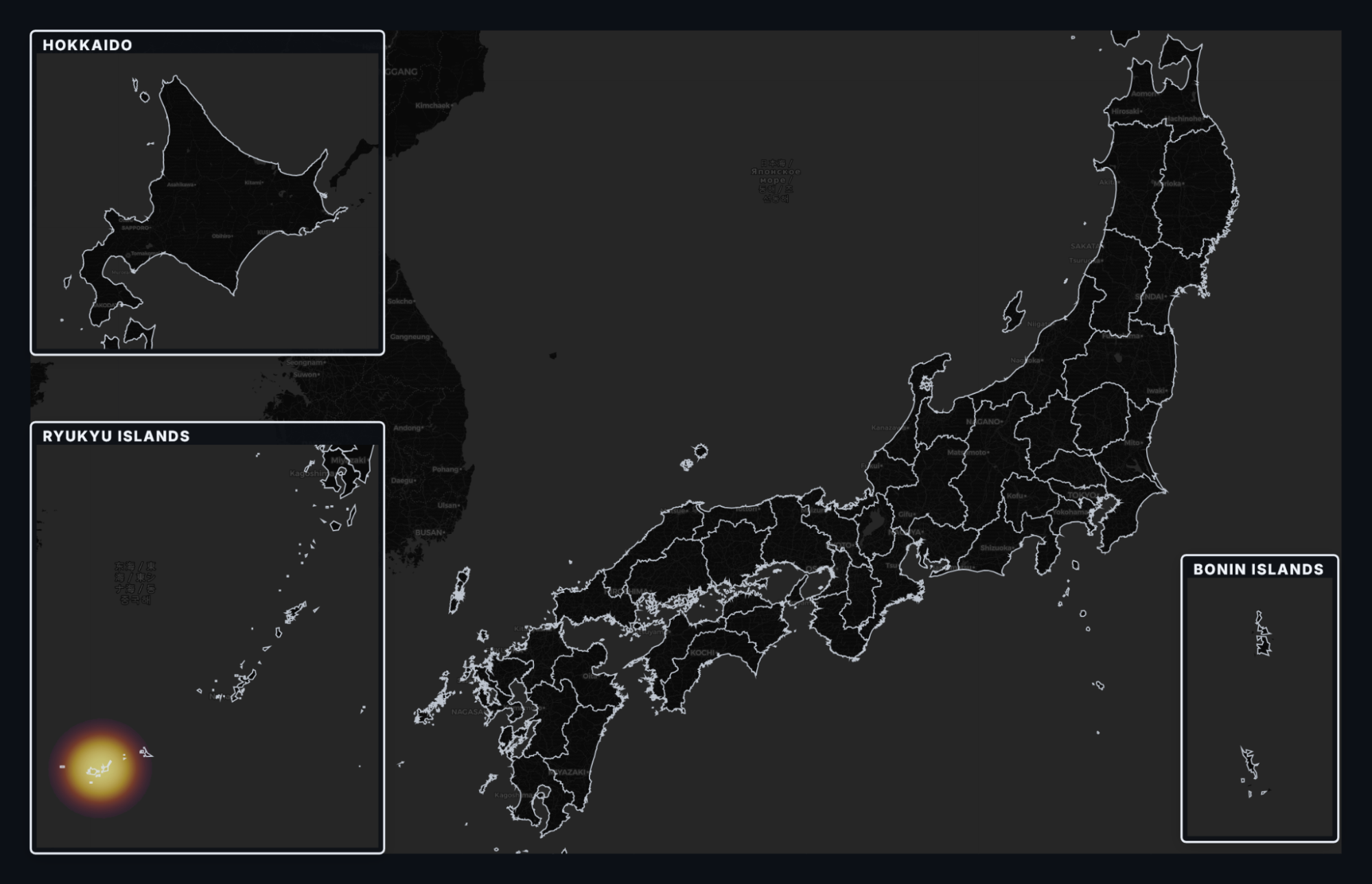
Only found on Ishigaki and Iriomote.
Loquats
Eriobotrya japonica (Loquat)
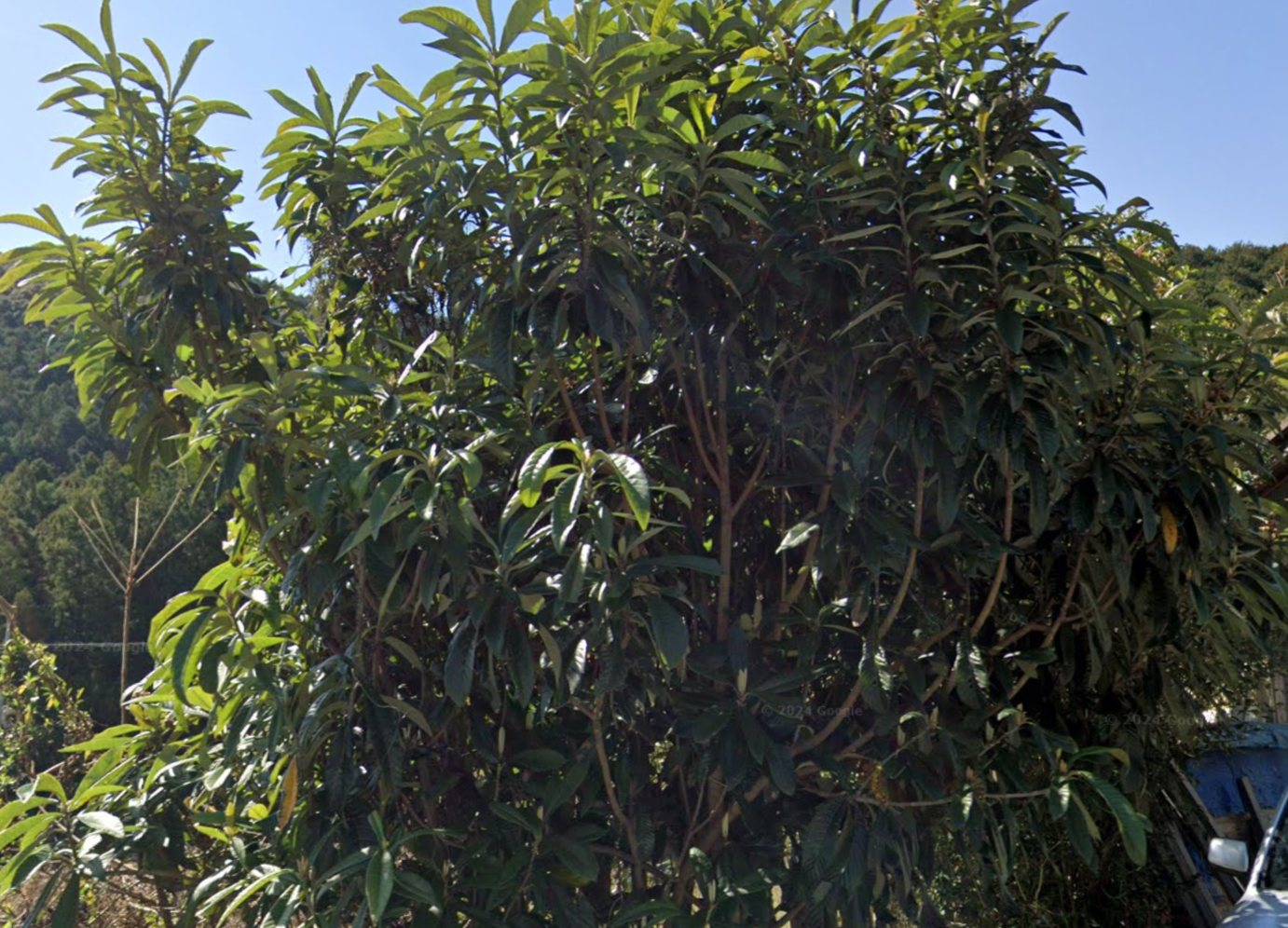
A kind of unique looking plant with leathery green oval leaves that grows in a circular pattern but droops downwards.
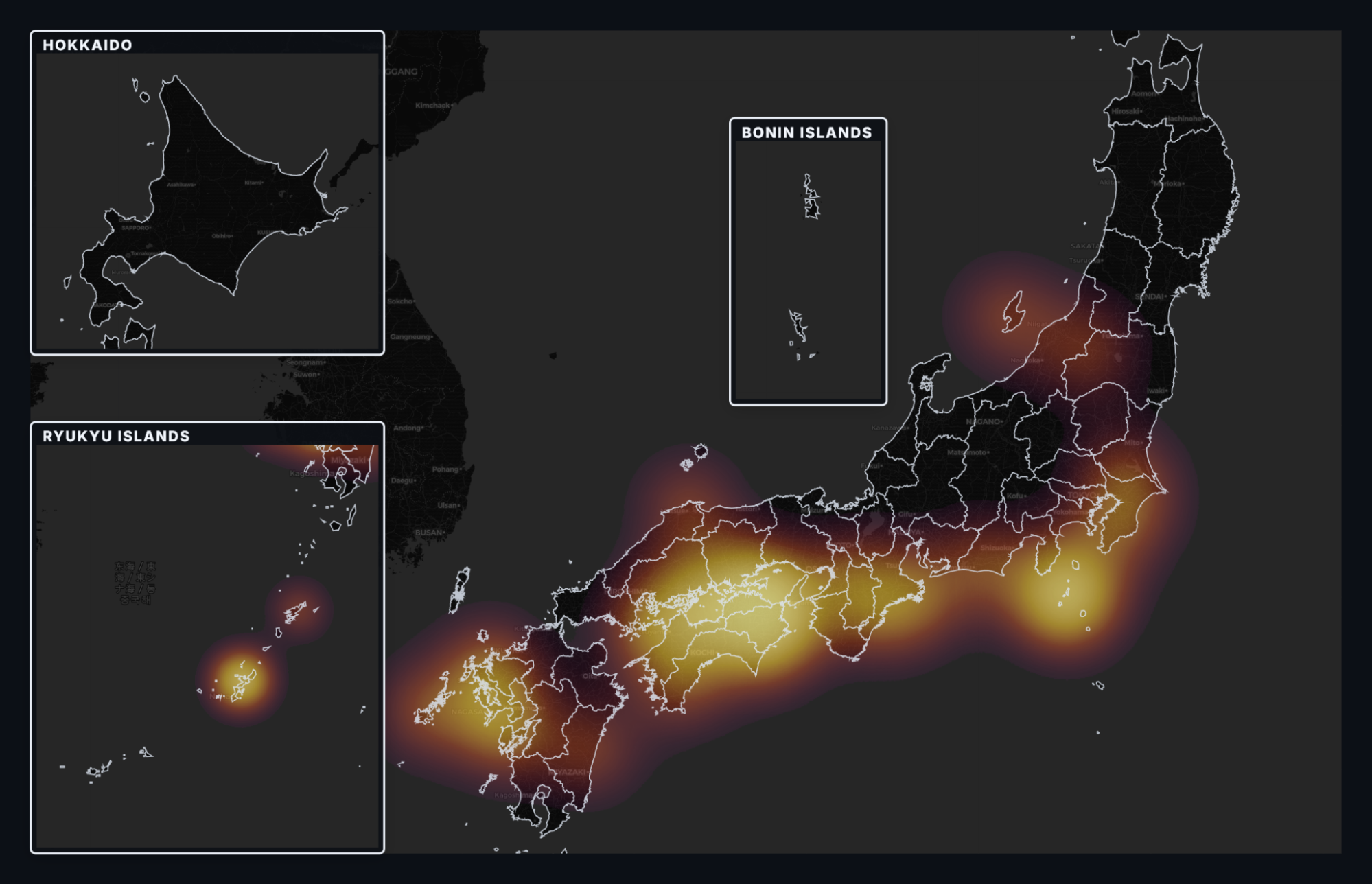
It grows mostly in southern Japan down to Okinawa main island.
Ulmaceae
Zelkova serrata (Japanese Zelkova)
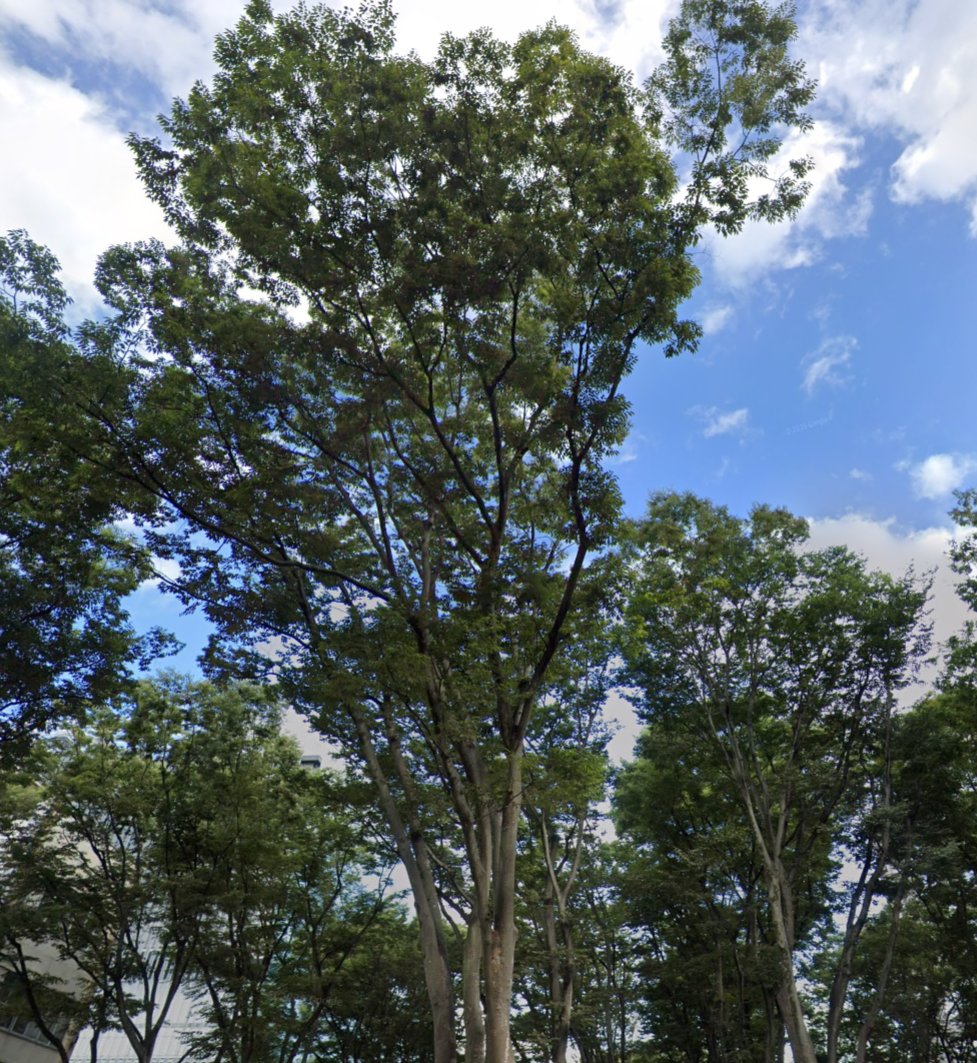
It is a medium sized deciduous tree. It is characterized by a short trunk dividing into many upright and erect spreading stems forming a broad, round-topped head. The leaves are ovate to oblong-ovate with serrated or crenate margins.
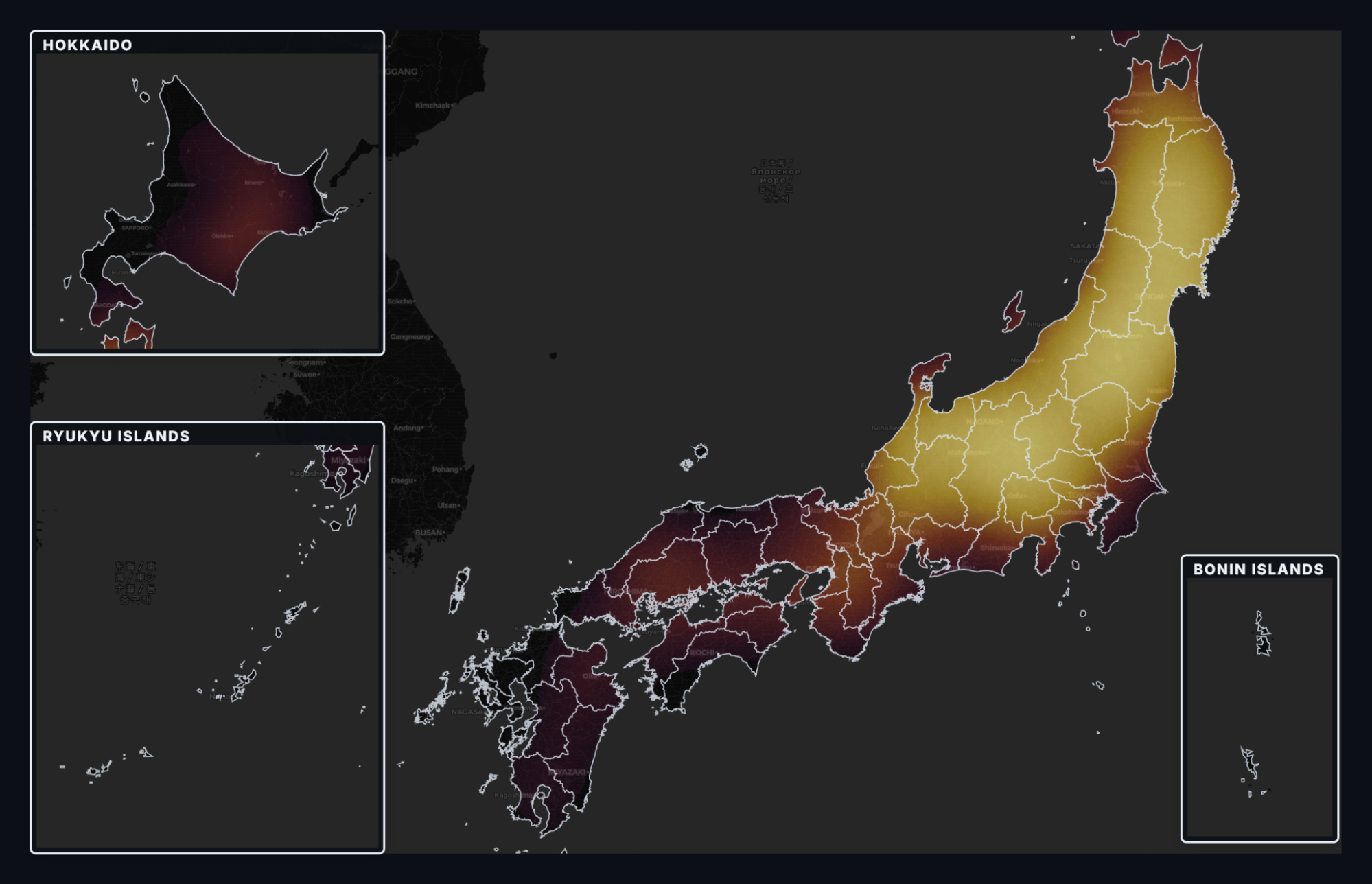
Mostly found in Chubu-Tohoku but it can be found elsewhere too.
False Nettles
Boehmeria silvestrii (Akaso)
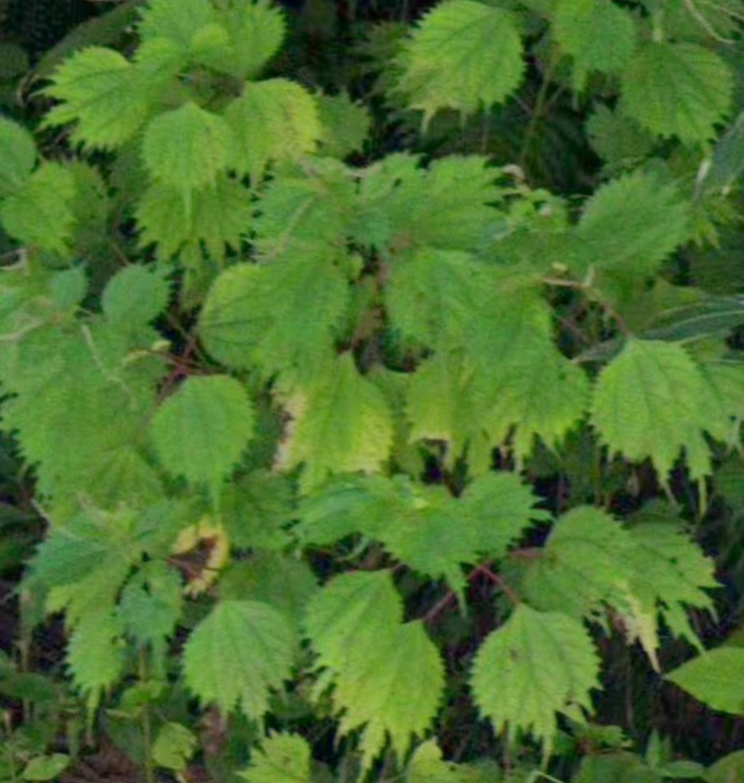
It is a false nettle species that has 3 to 5 elongated tips with the longest one in the middle. It is very similar to Boehmeria platanifolia but it is smaller.
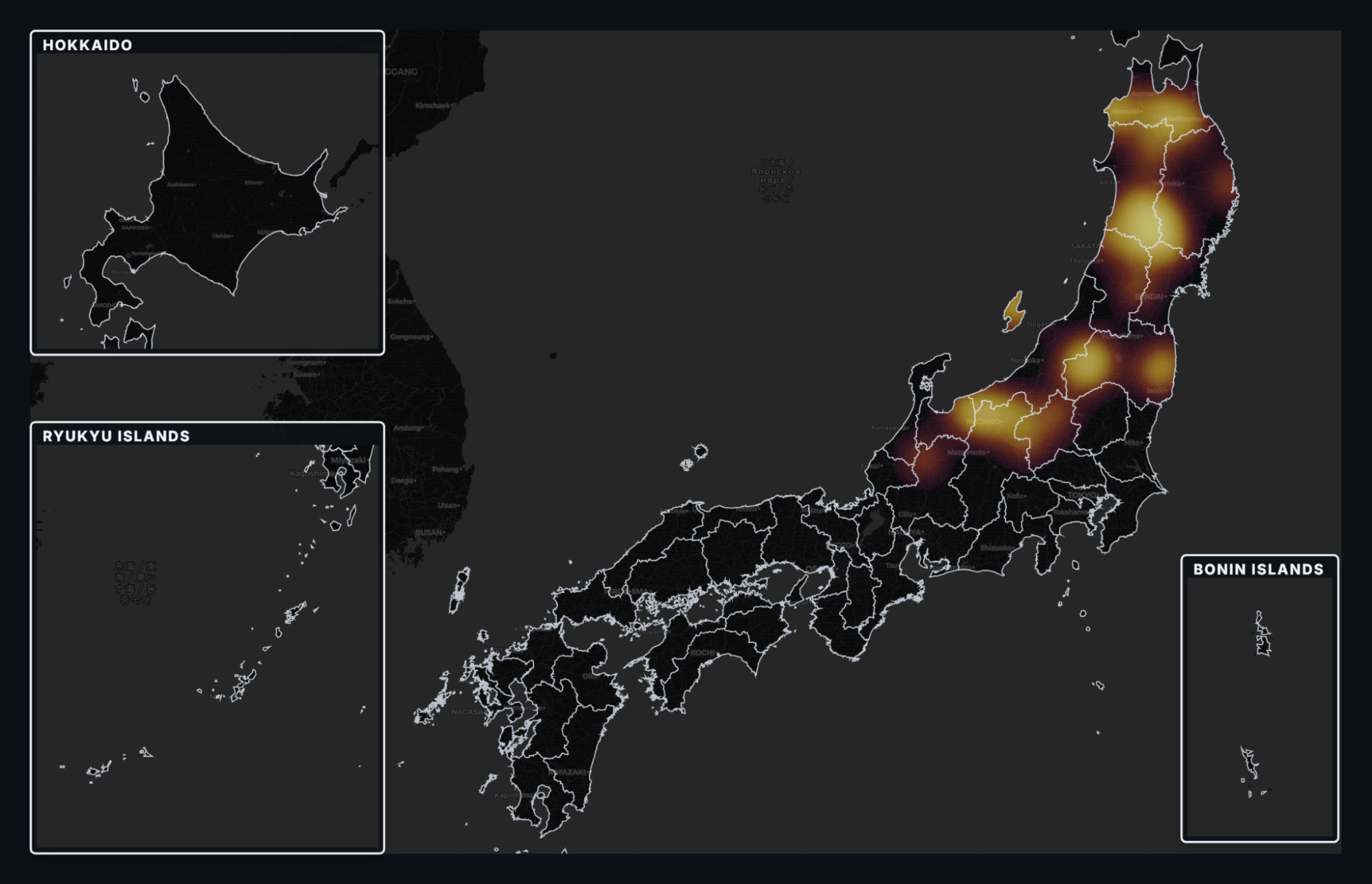
Mostly found on the west side of Tohoku.
Boehmeria platanifolia (Sycamore-Leaf False Nettle)
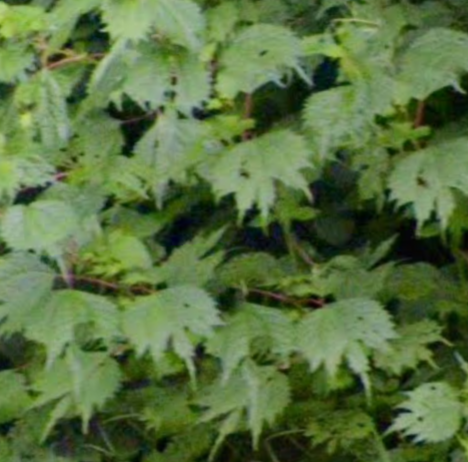
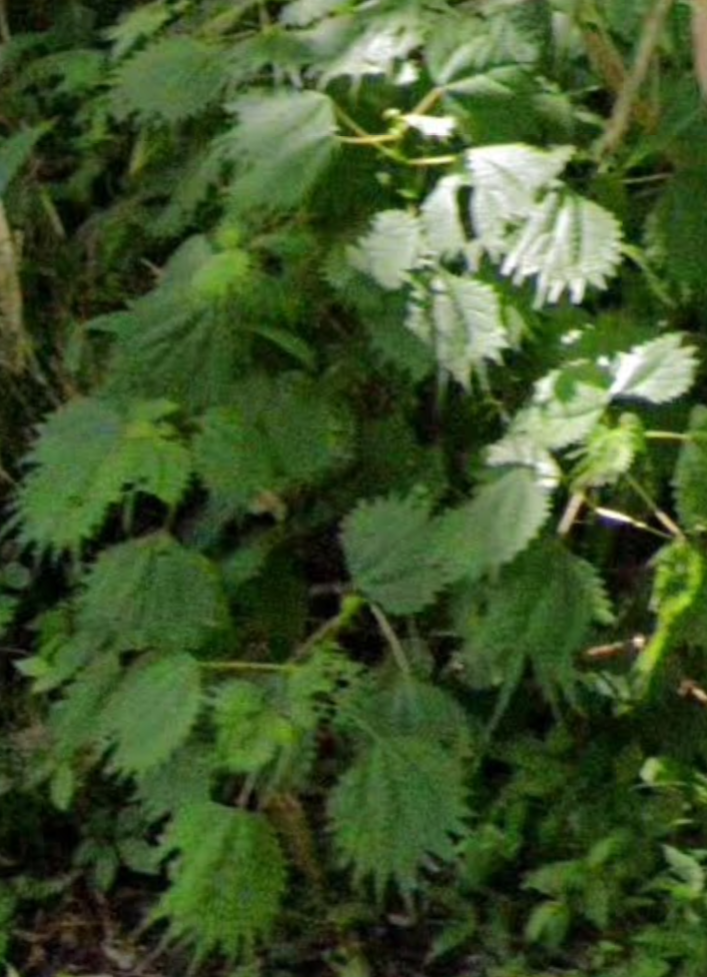
Very similar to Boehmeria silvestrii. The leaves are wider and broader than Boehmeria silvestrii.
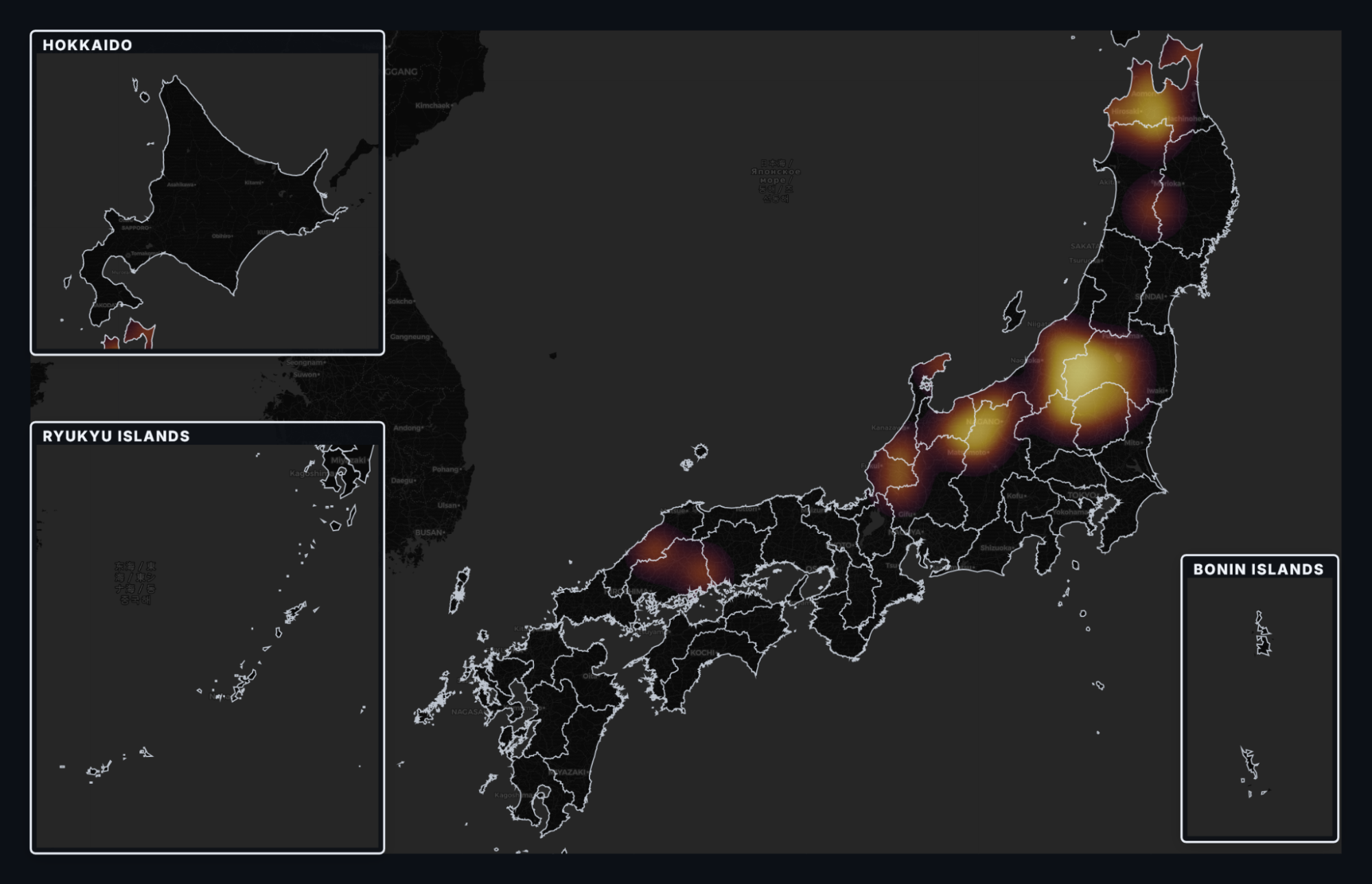
A lot is found in the northwest but can also be found elsewhere.
Boehmeria sieboldiana (Siebold's False Nettle)
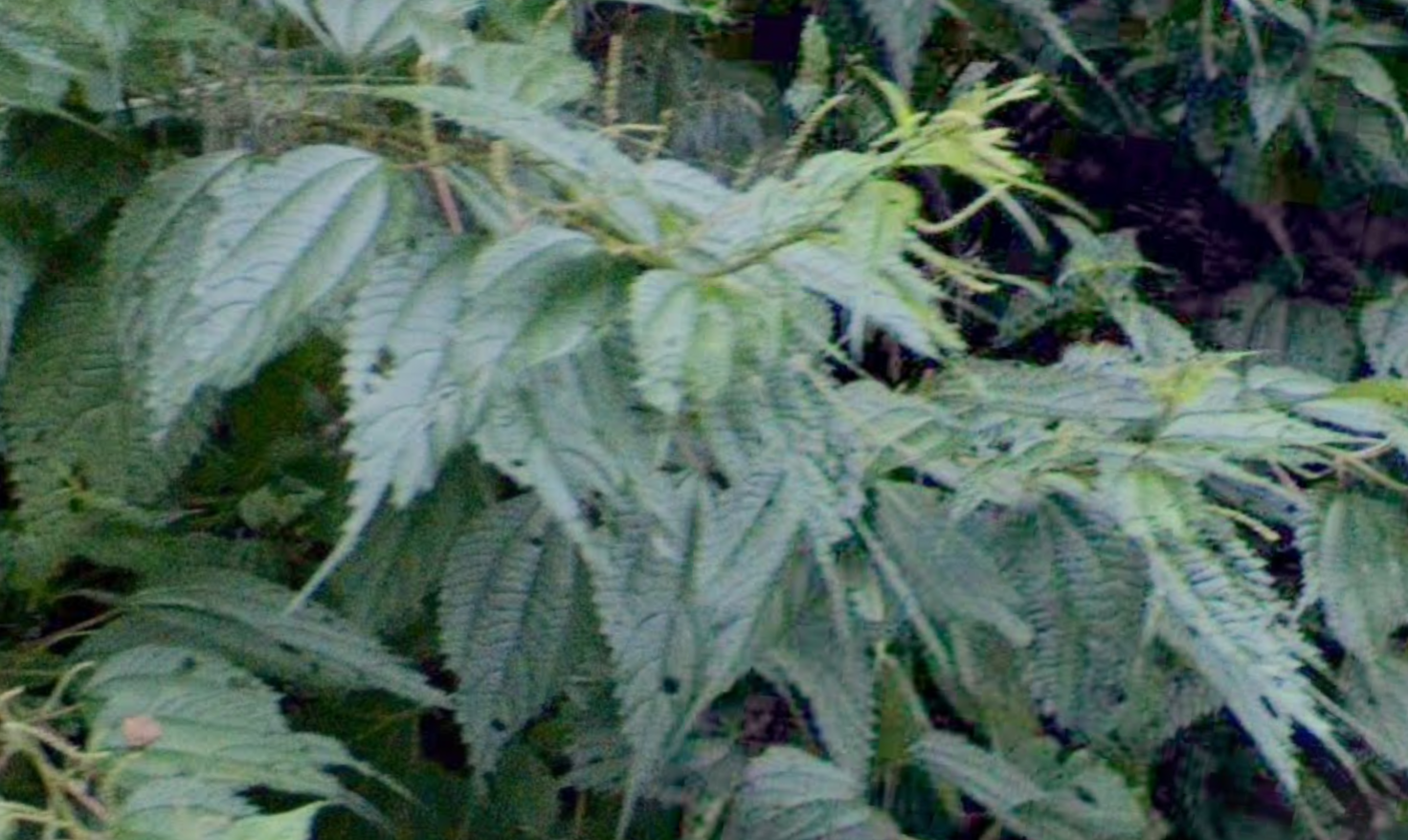
A false nettle with large oval leaves with sharp serrated edges.
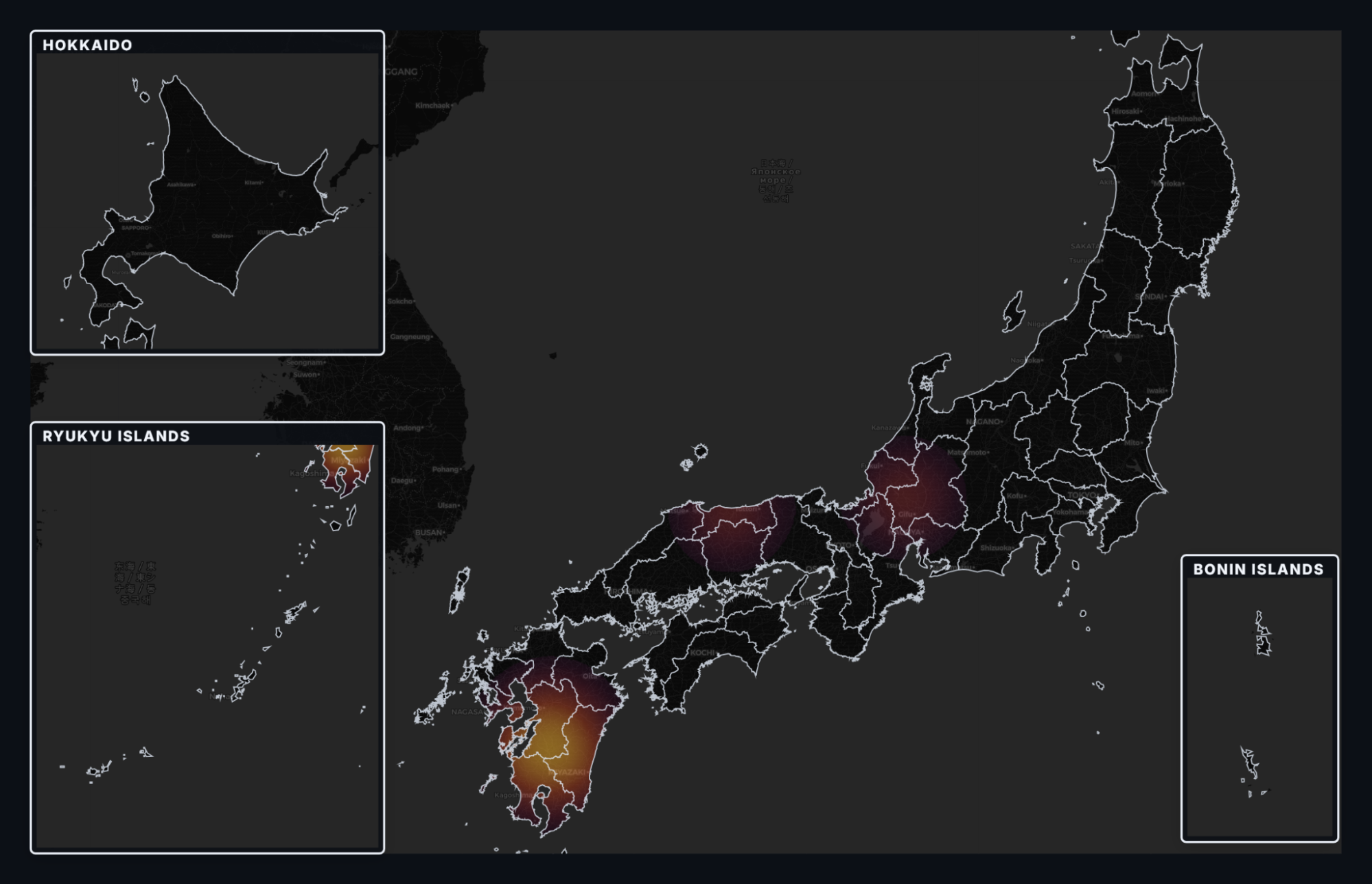
Found in the south.
Boehmeria nivea (Ramie)
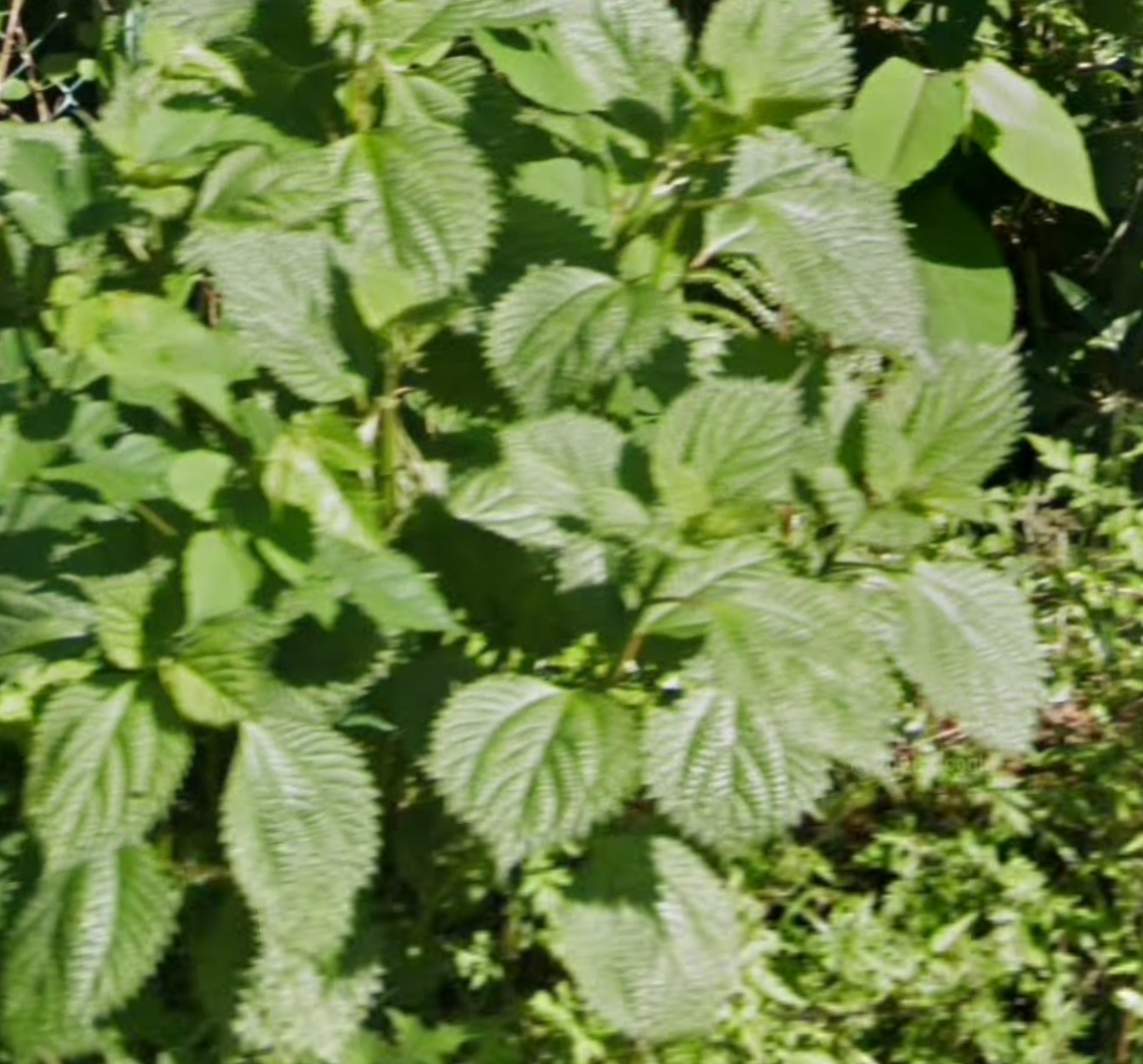
It has oval leaves with serrated edges that are sometimes more circular.
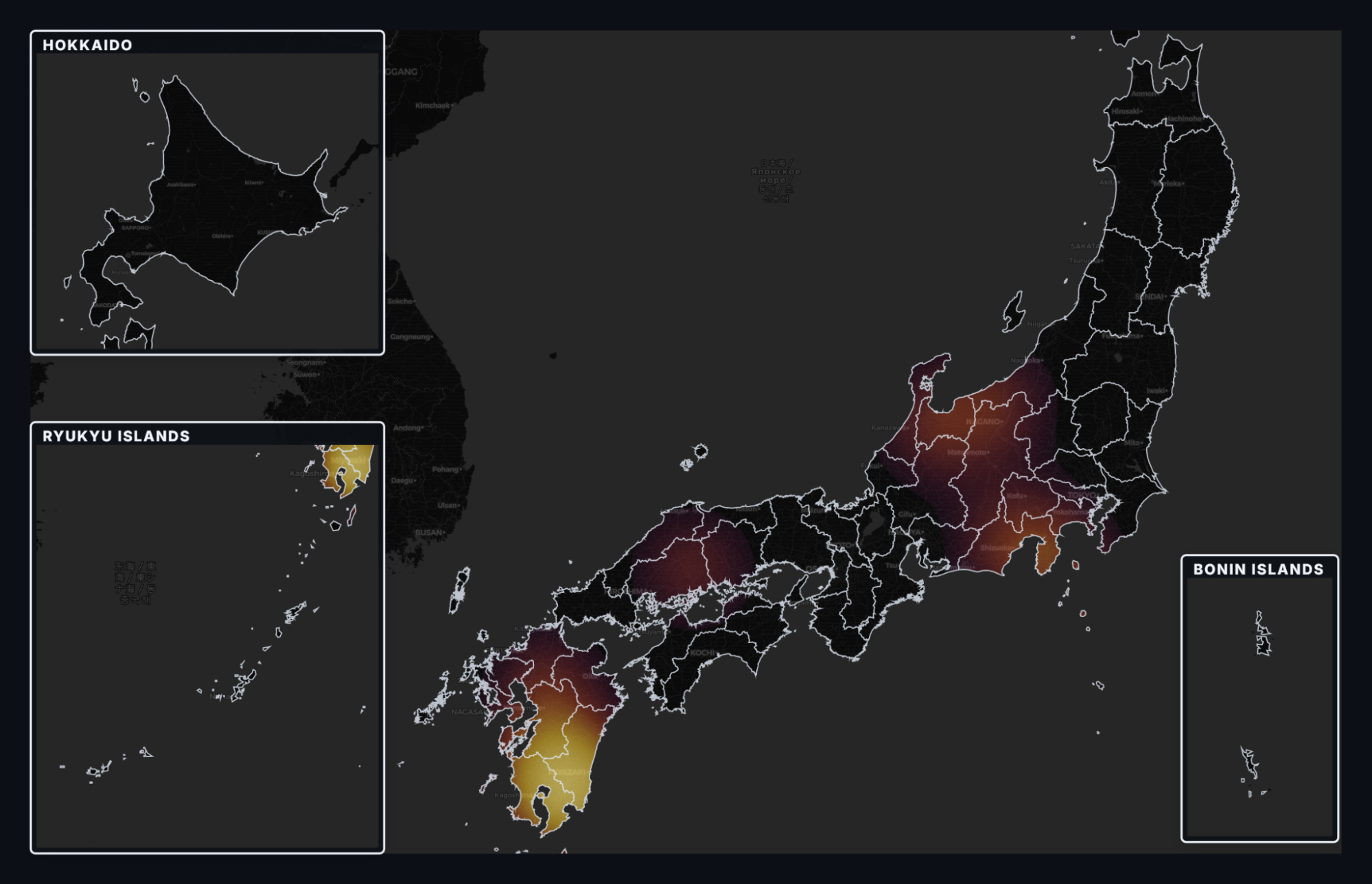
Found in the south.
Saxifragales
Daphniphyllaceae
Daphniphyllum macropodum (Redneck Rhody)
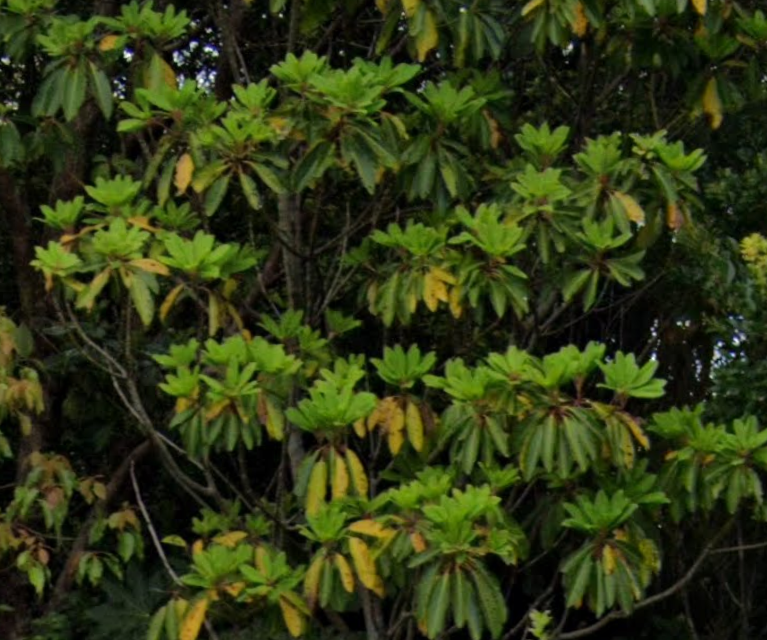
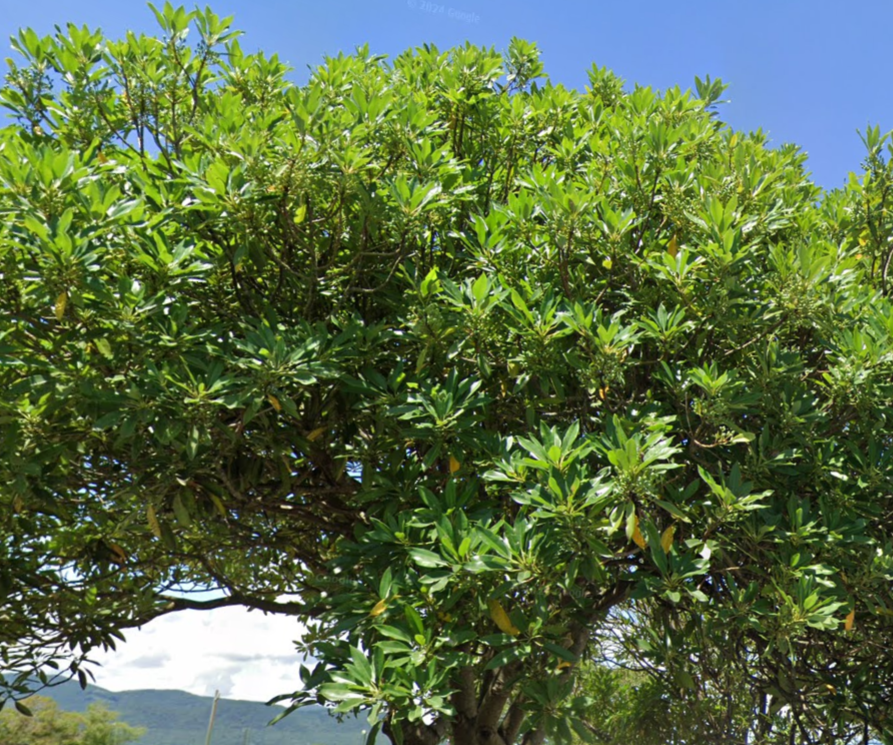
It is a small tree with long leaves in a circular pattern. The stalks of the leaves are purple-reddish.
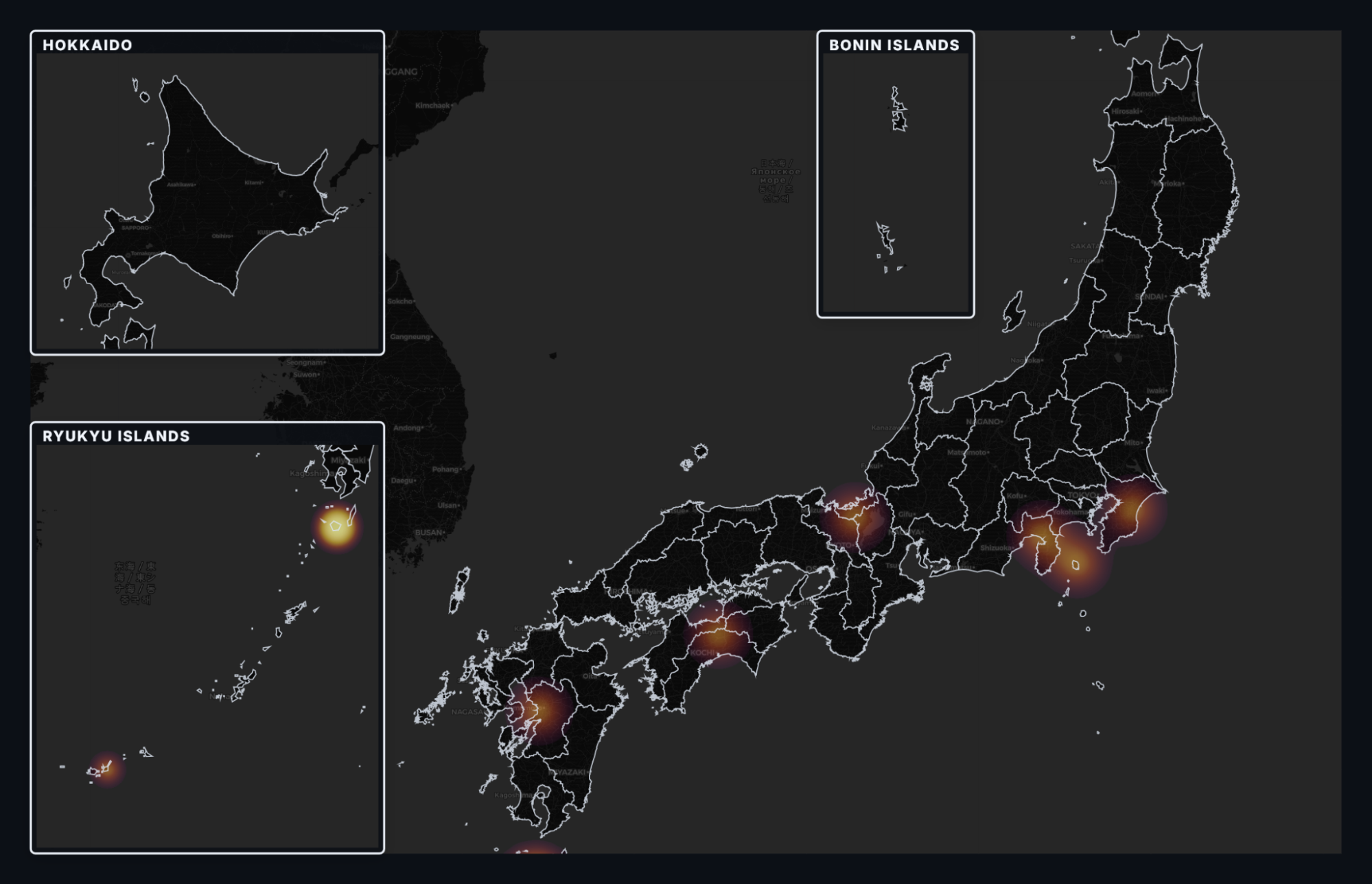
It is mostly found on the southern coast down to the Ryukyu Islands.
Aesculus
Aesculus turbinata (Japanese Horse-Chestnut/栃の木)
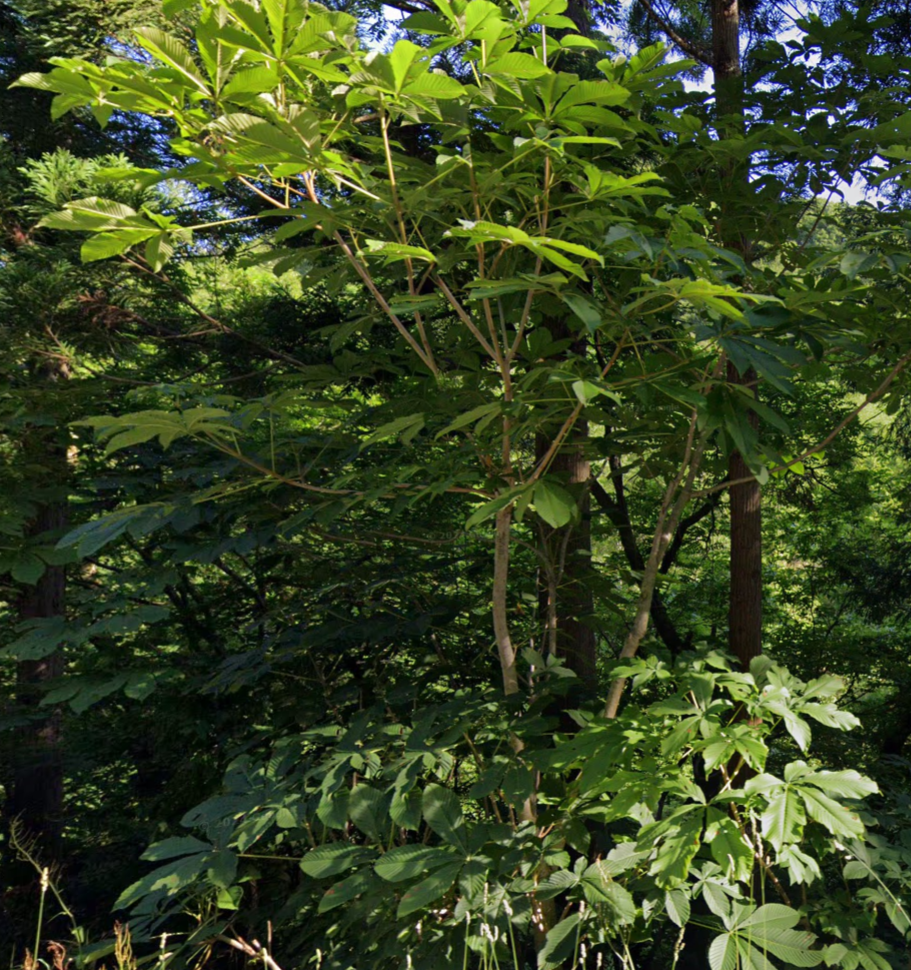
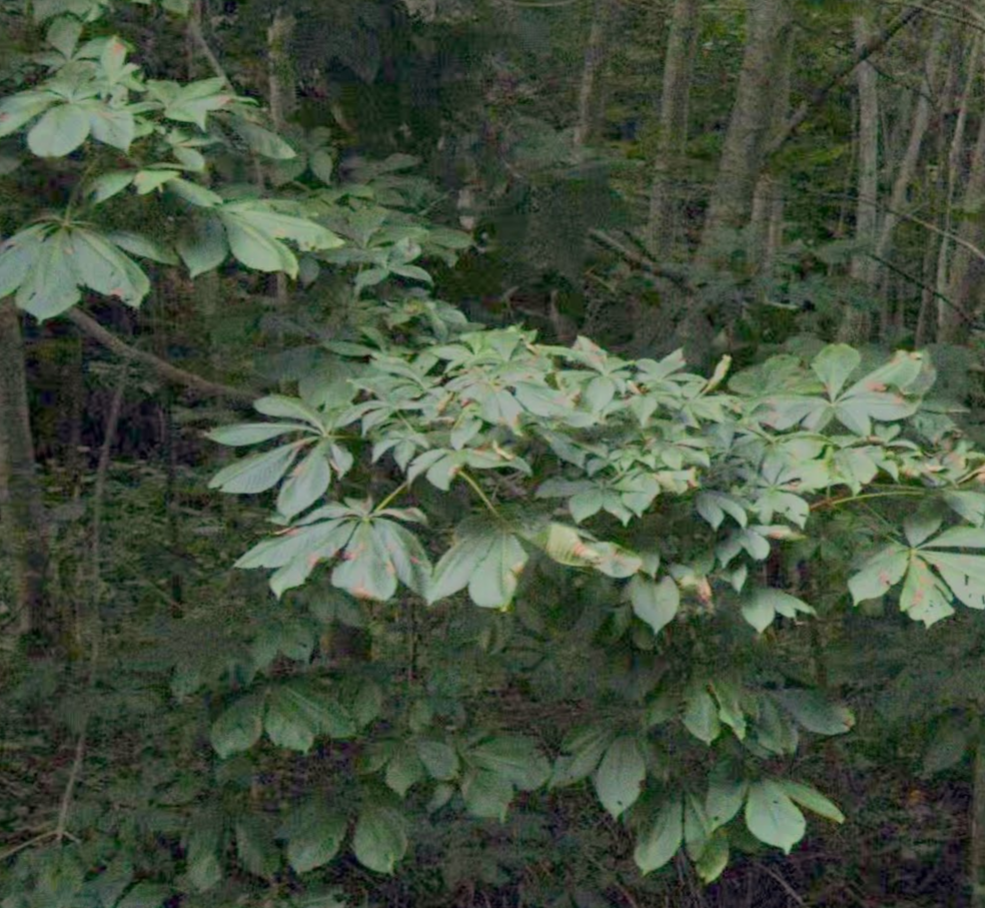
A very unique looking tree with very big leaves that grows in a circular pattern. The seeds are used to make tochimochi.
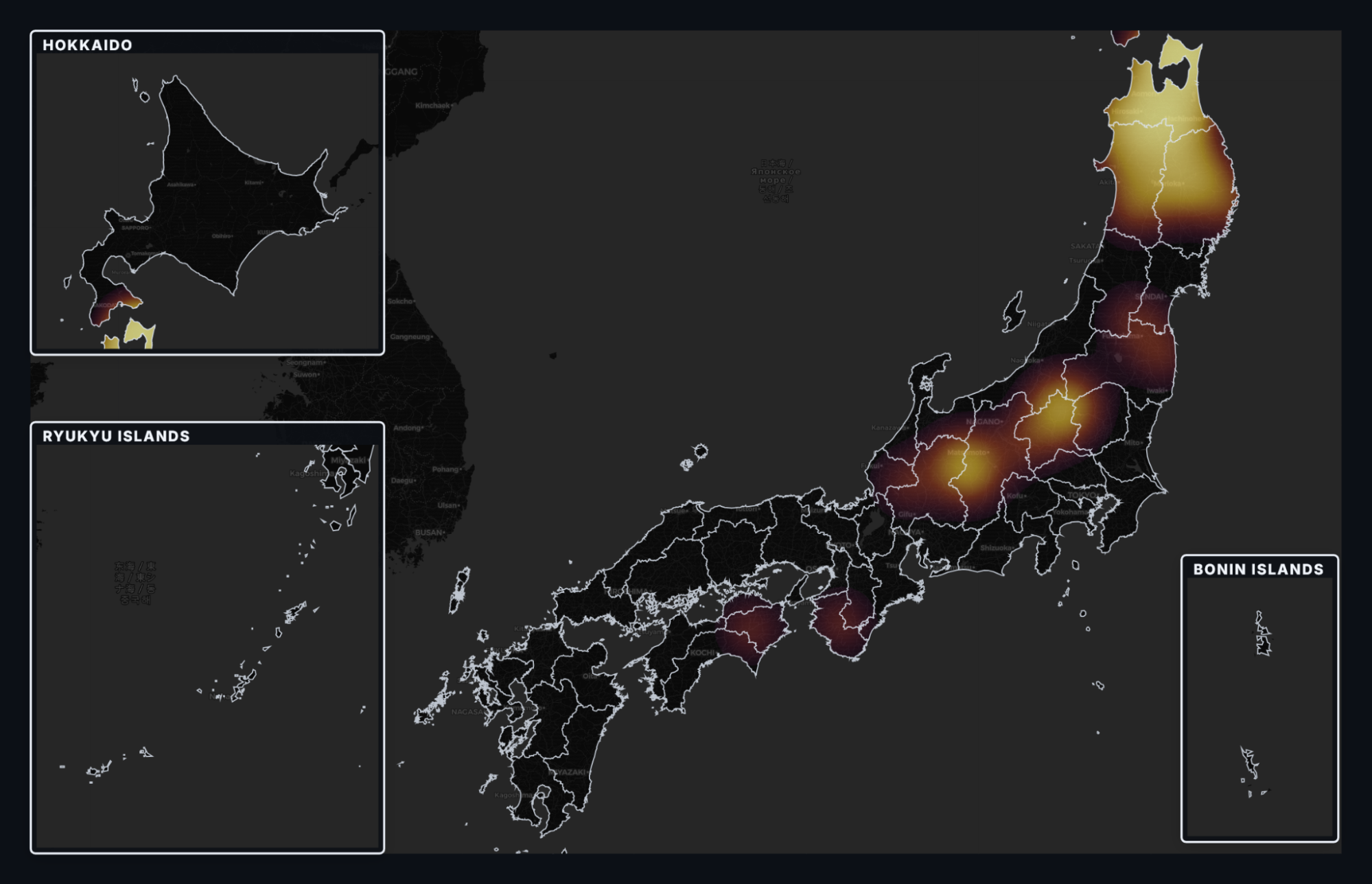
Mostly in the north and somewhat more common in Aomori.
Maples
Acer palmatum (Japanese Maple)
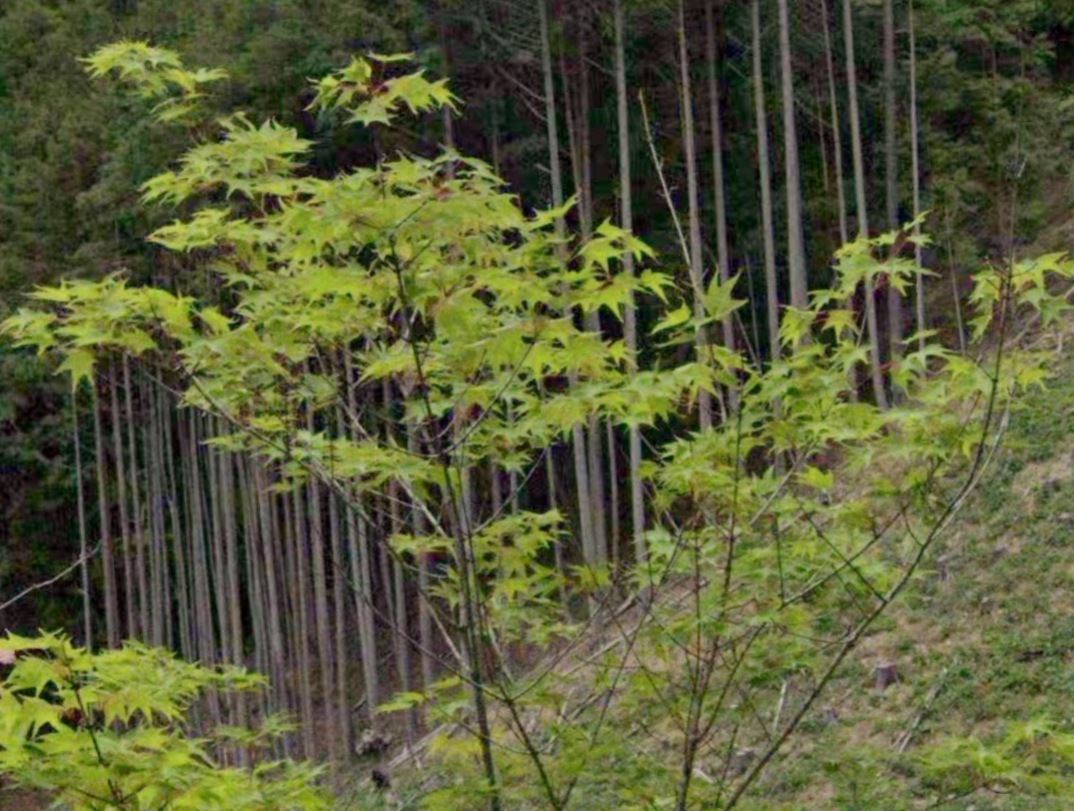
A maple with sharp edges and small leaves.
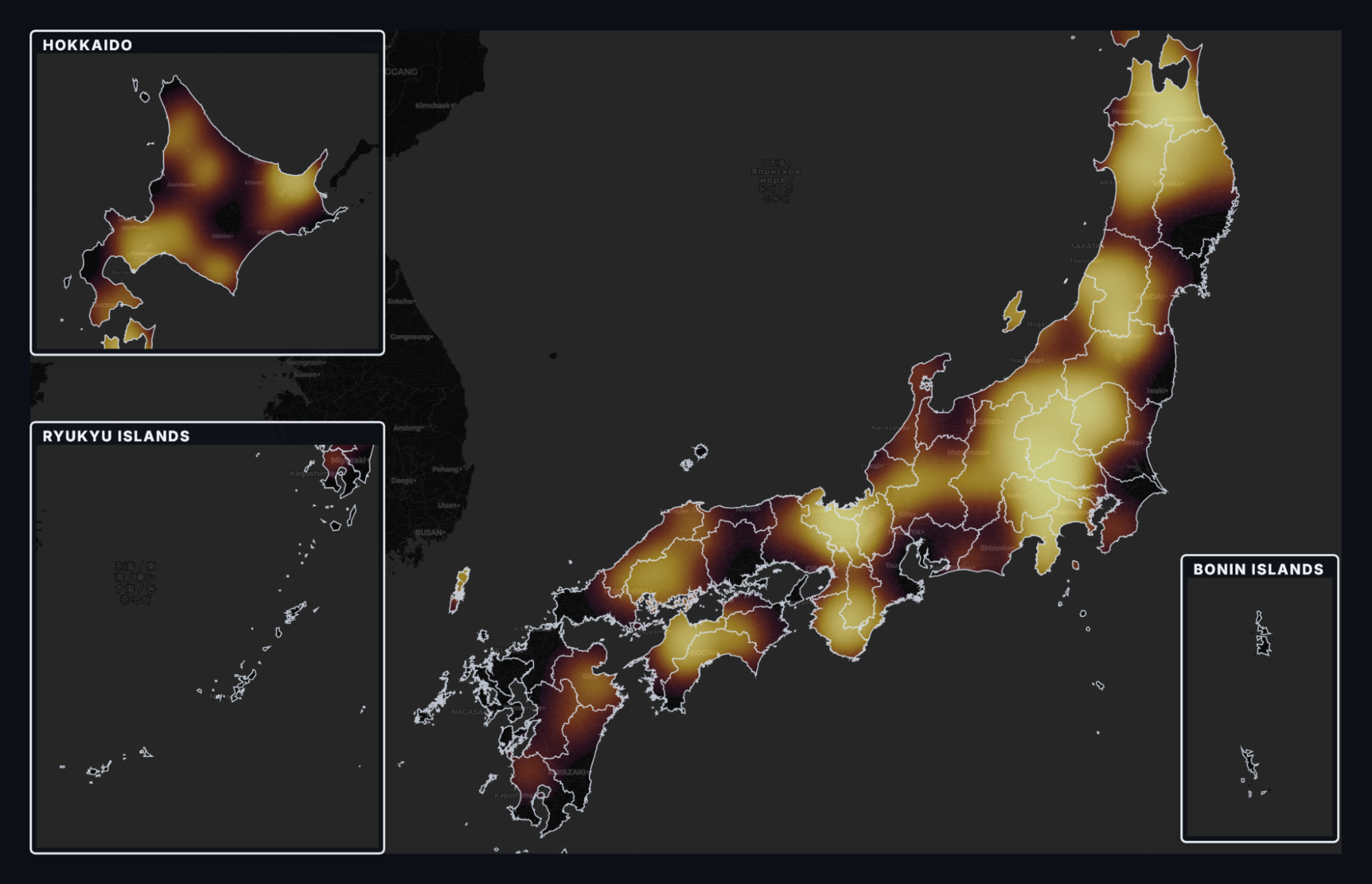
Most commonly found in Honshu.
Acer japonicum (Downy Japanese Maple)
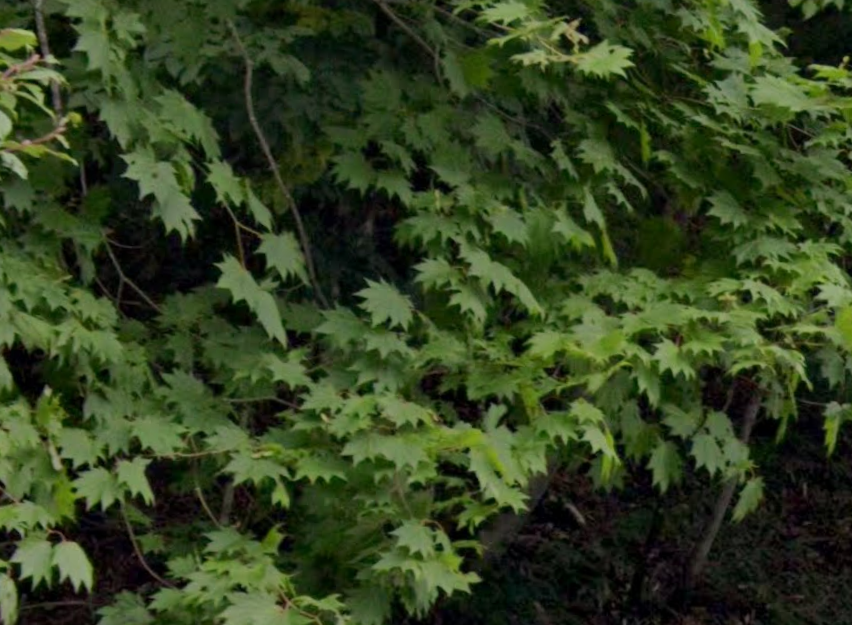
Grows as a shrub or tree. Has 7-11 maple lobes.
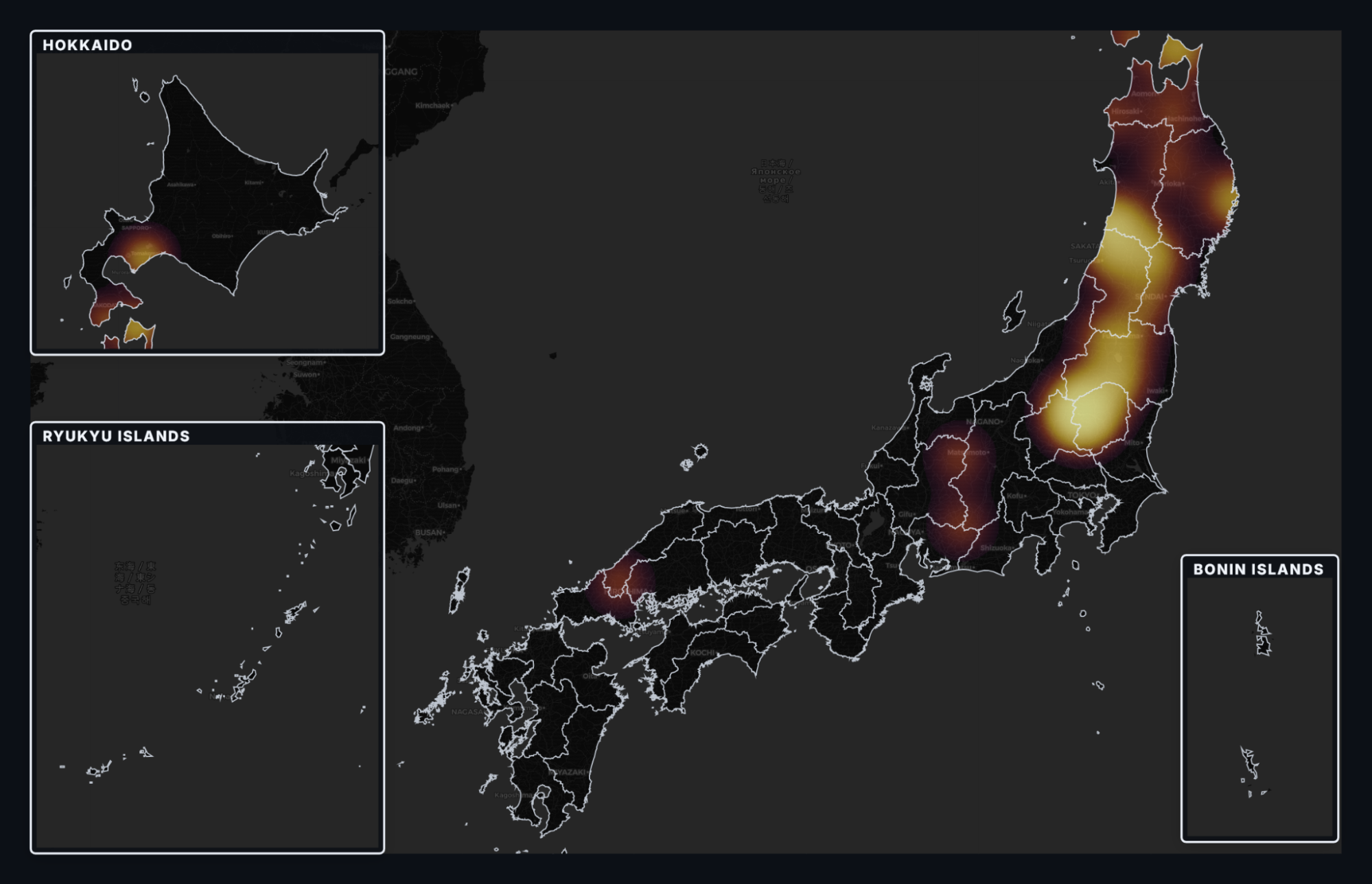
Found in the north.
Acer pictum (Painted Maple)
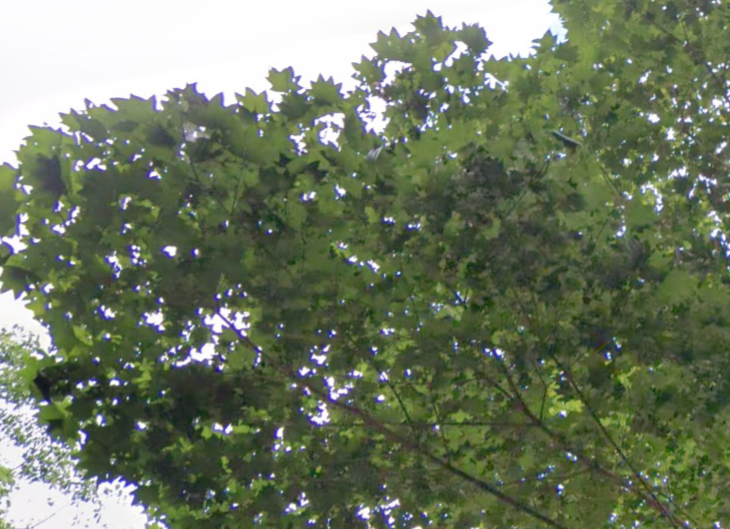
A maple with broad leaves that have small maple edges.
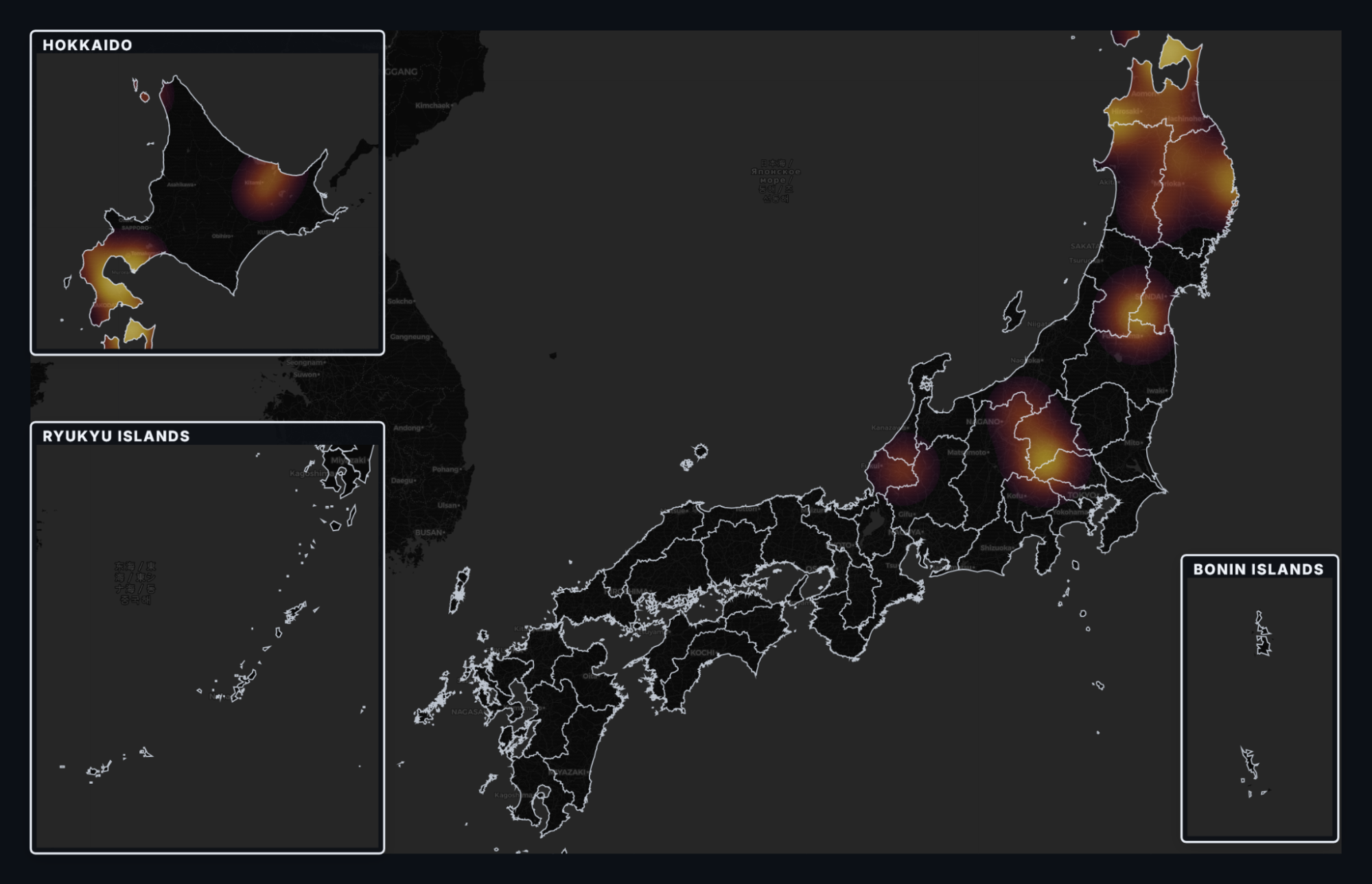
Found in the north.
Acer rufinerve (Honshu Maple)
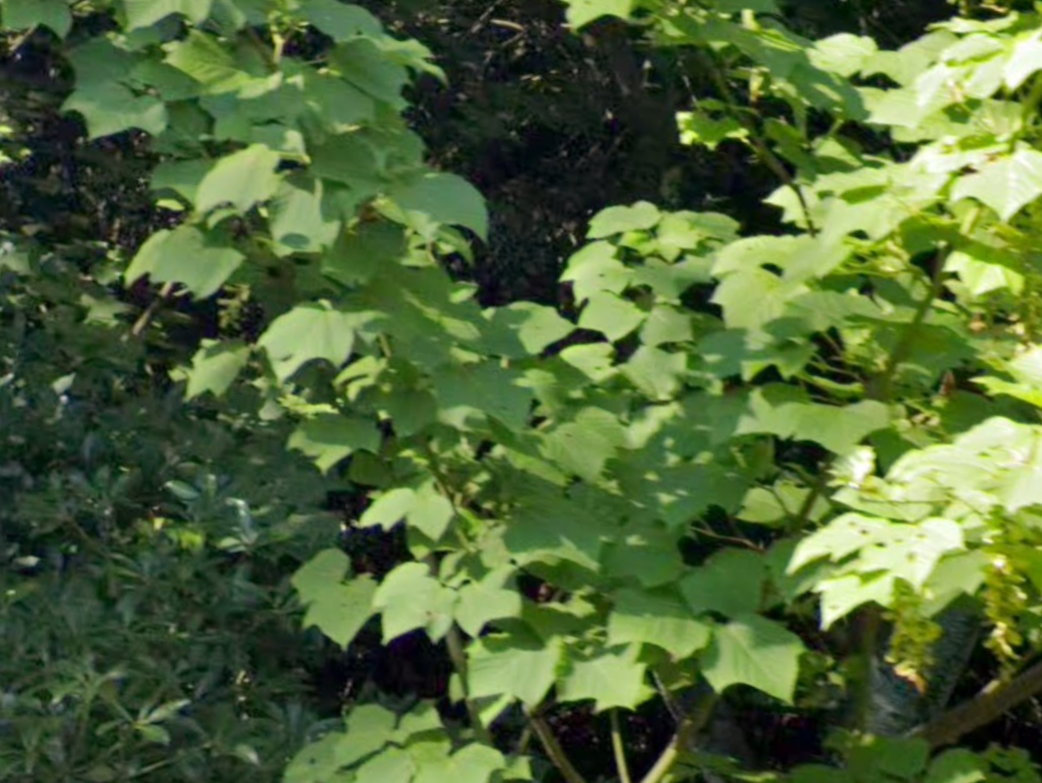
Has 3 lobes on each leaf.
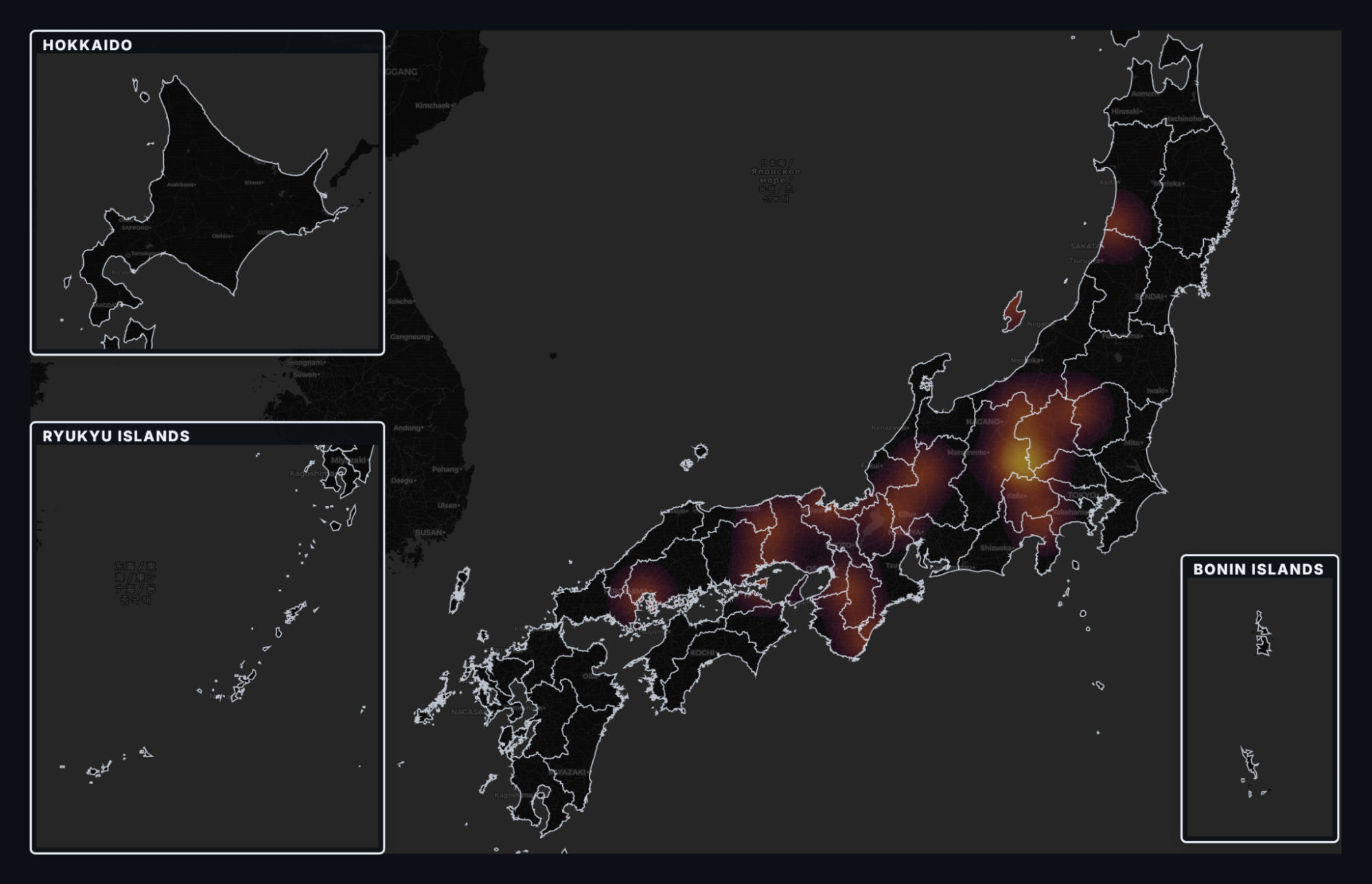
Mostly on mountains in Honshu.
Acer nipponicum (Nippon Maple)
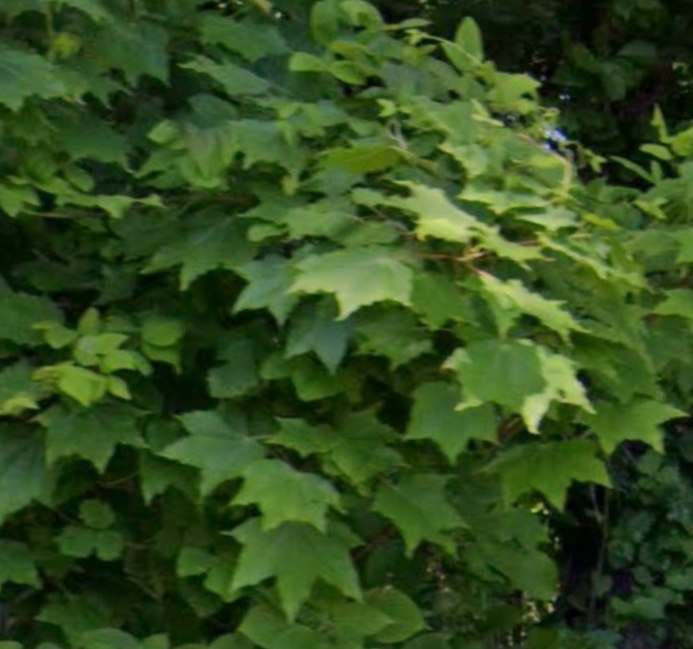
A maple with 5 lobes and very big leaves.
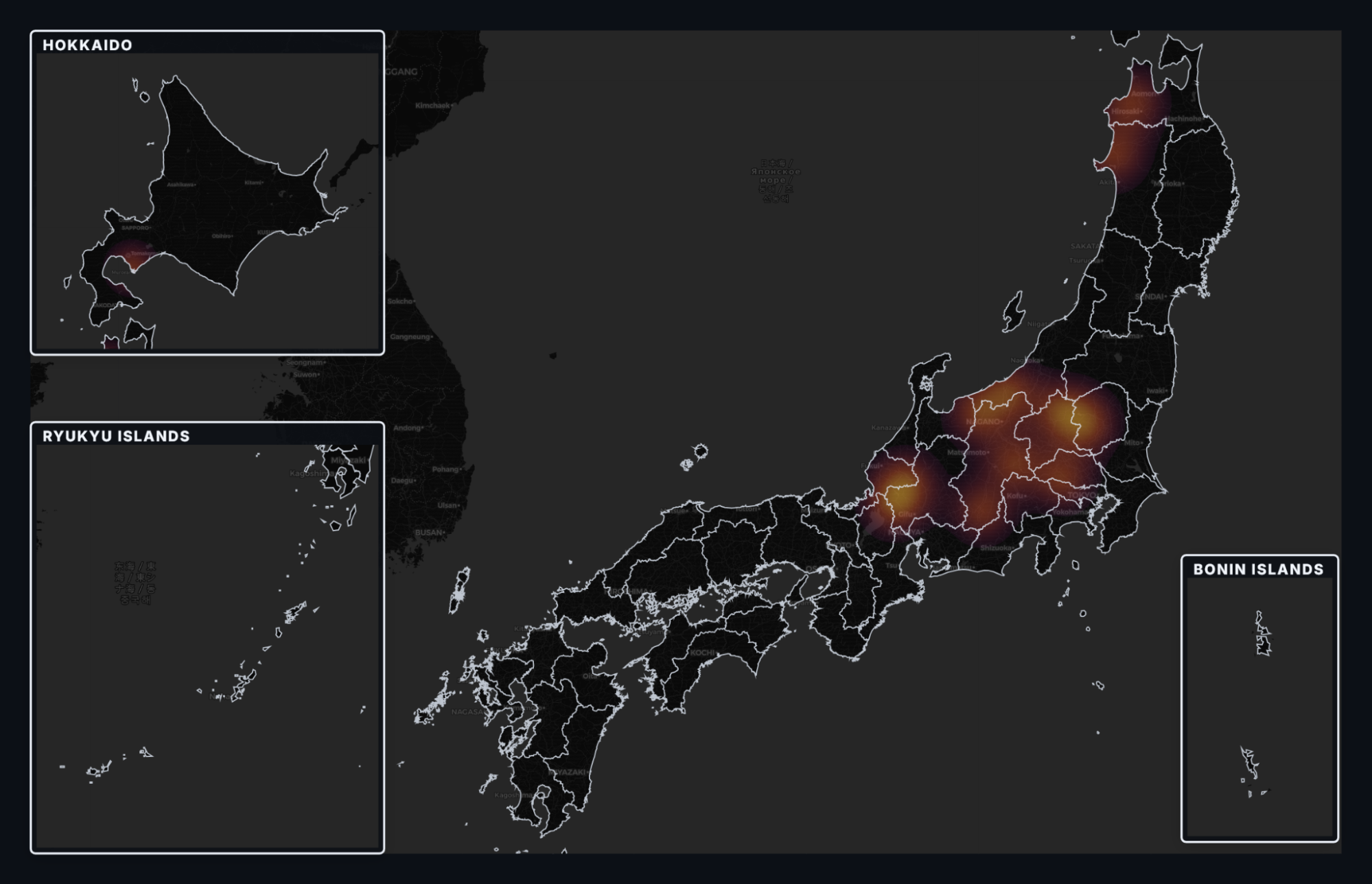
It is mostly found in the mountainous regions of Honshu.
Ailanthuses
Ailanthus altissima (Tree of Heaven)
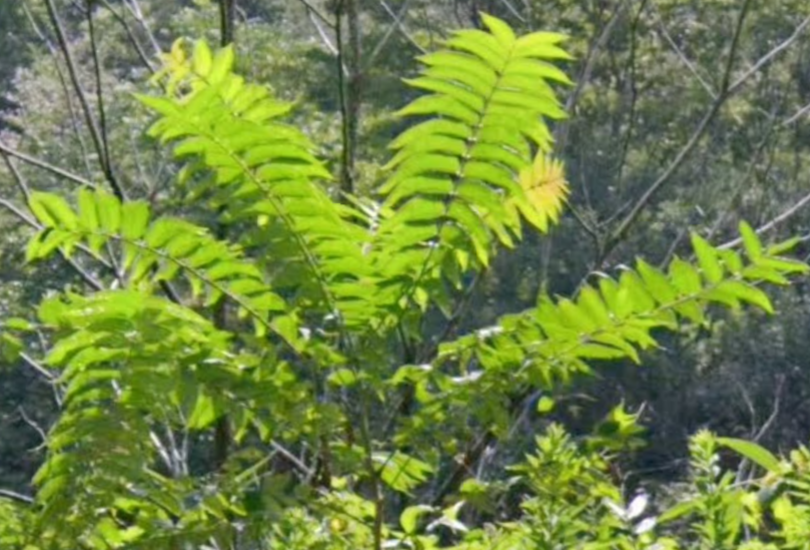
Looks like a Walnut with longer and sharper leaves.
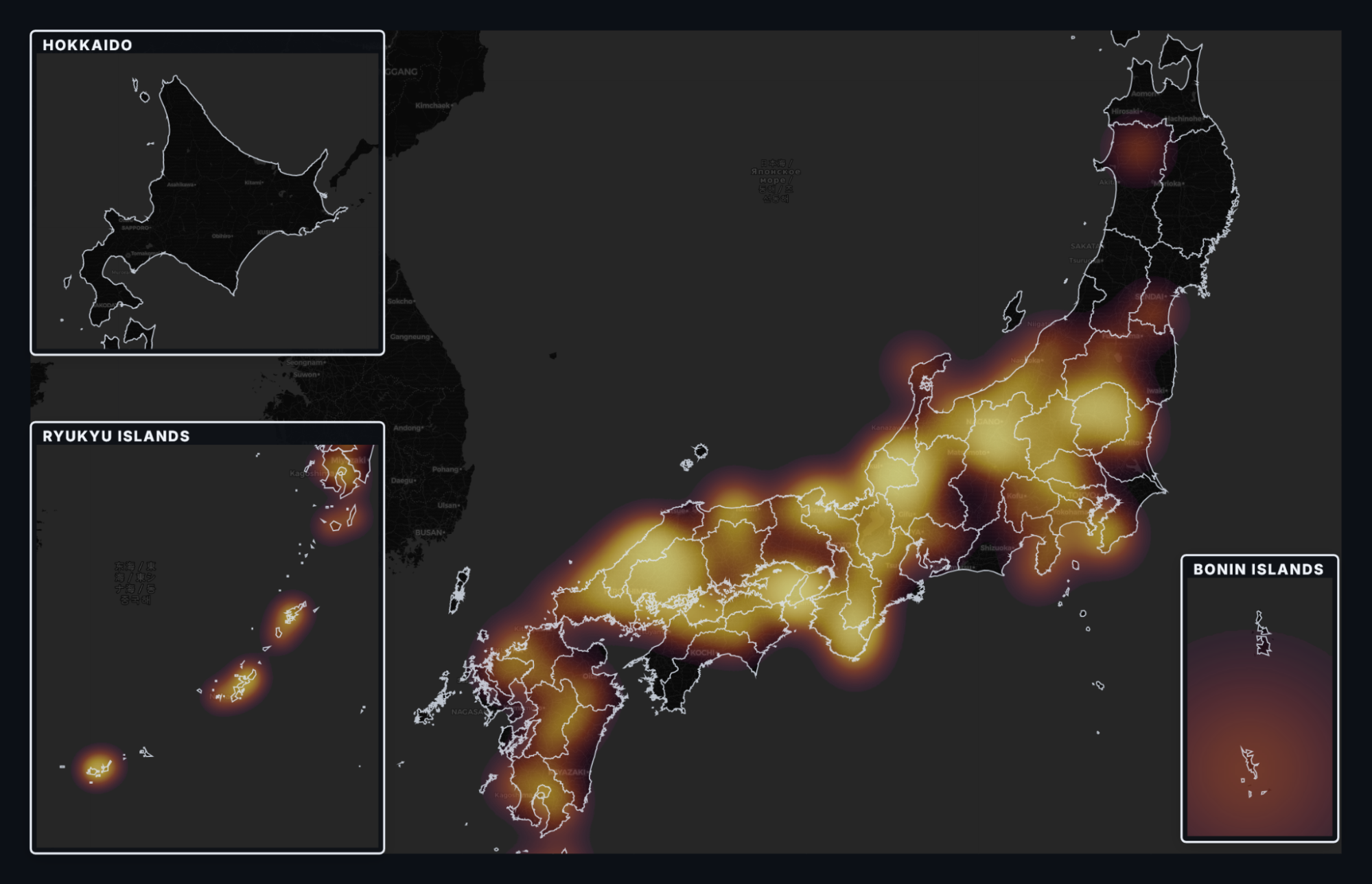
Everywhere in the south of Miyagi and Yamagata including the Ryukyu Islands.
Garryales
Aucubas
Aucuba japonica (Japanese Aucuba/Laurel)
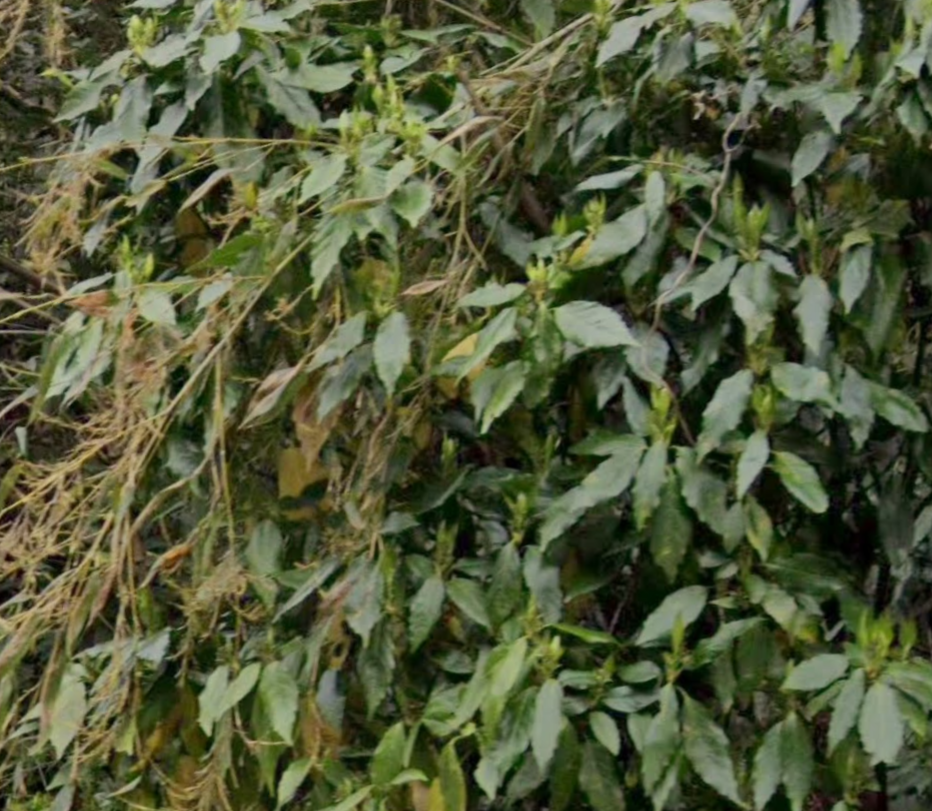
It is a bushy plant with dark green leathery leaves. It can sometimes have small flowers.
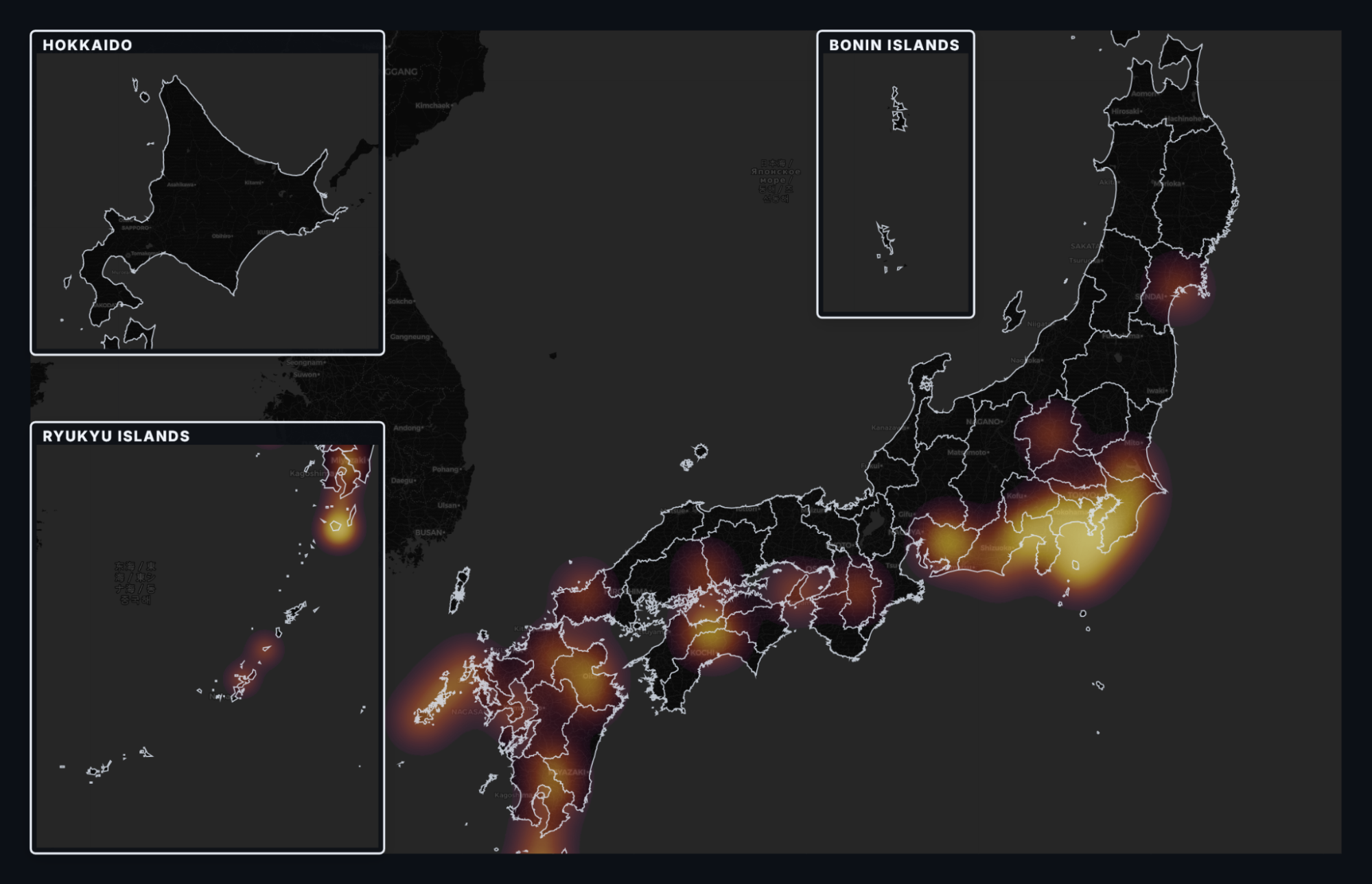
It is mostly found in the south including Okinawa.
Grasses
Arrow Bamboos
Pseudosasa japonica (Arrow Bamboo)
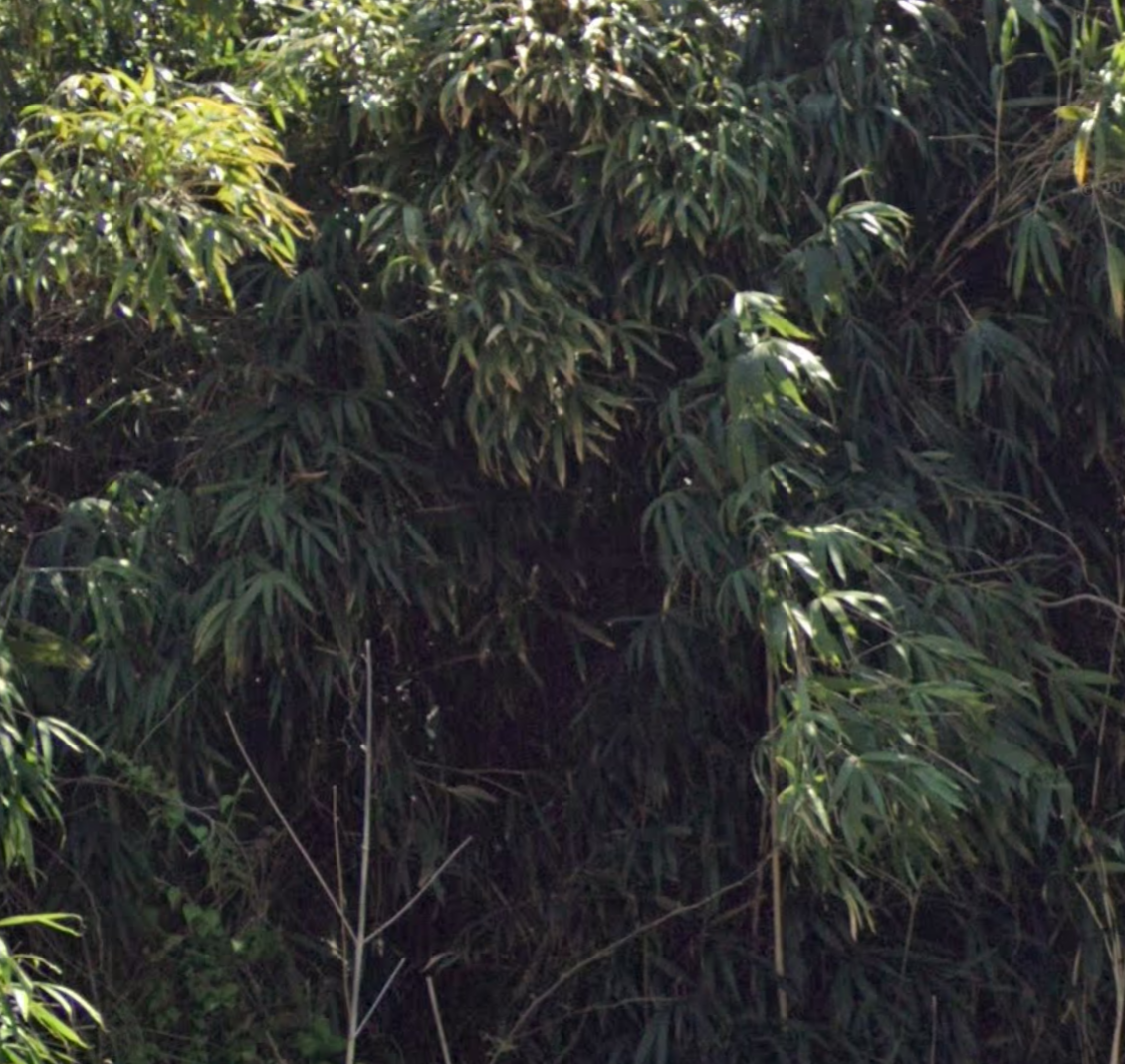
Looks like Sasa but grows taller and points downwards.
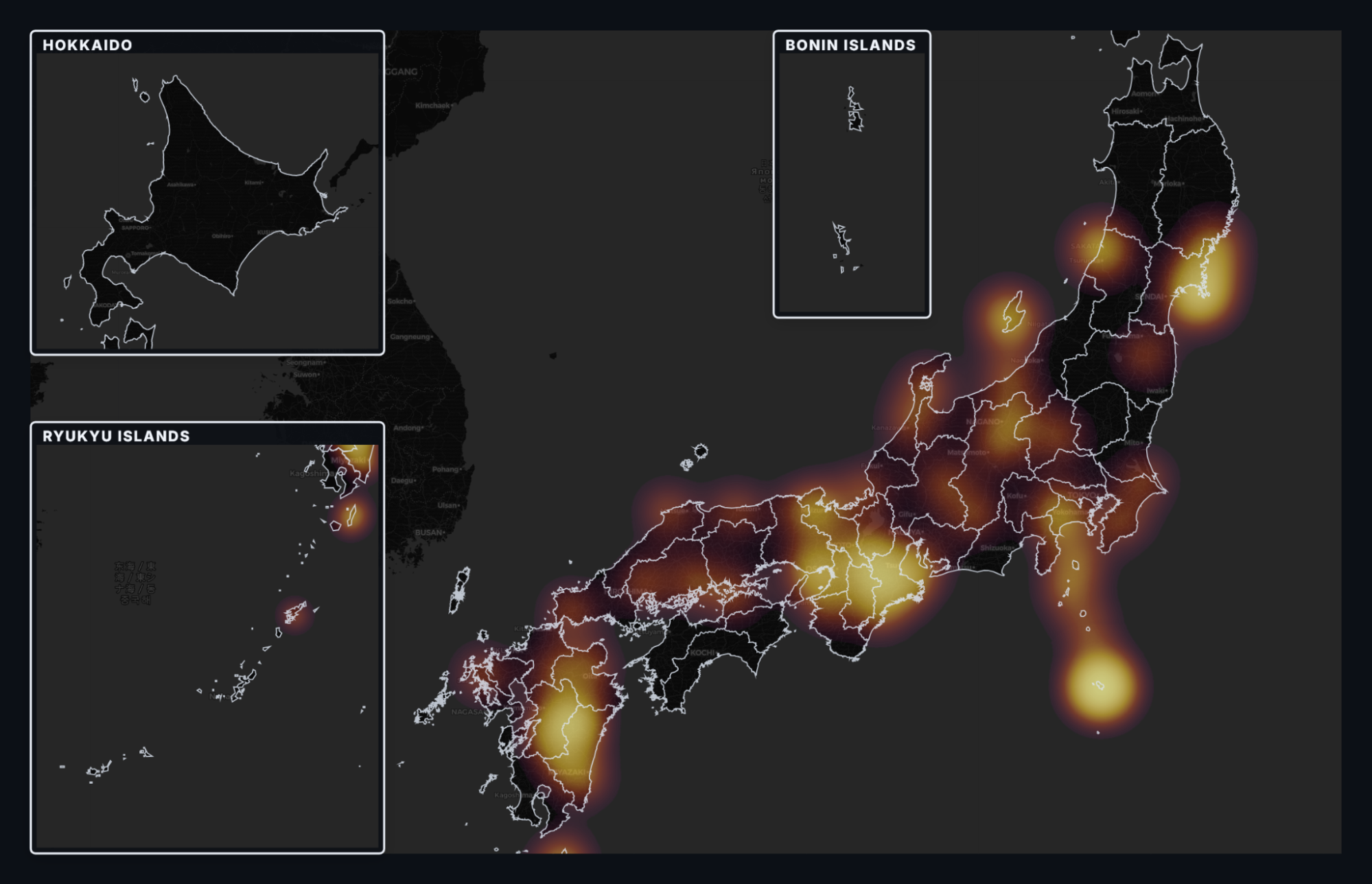
Found mostly in the south of the country.
Broad-leaved Bamboos
Sasa palmata (Broad-leaved Bamboo)
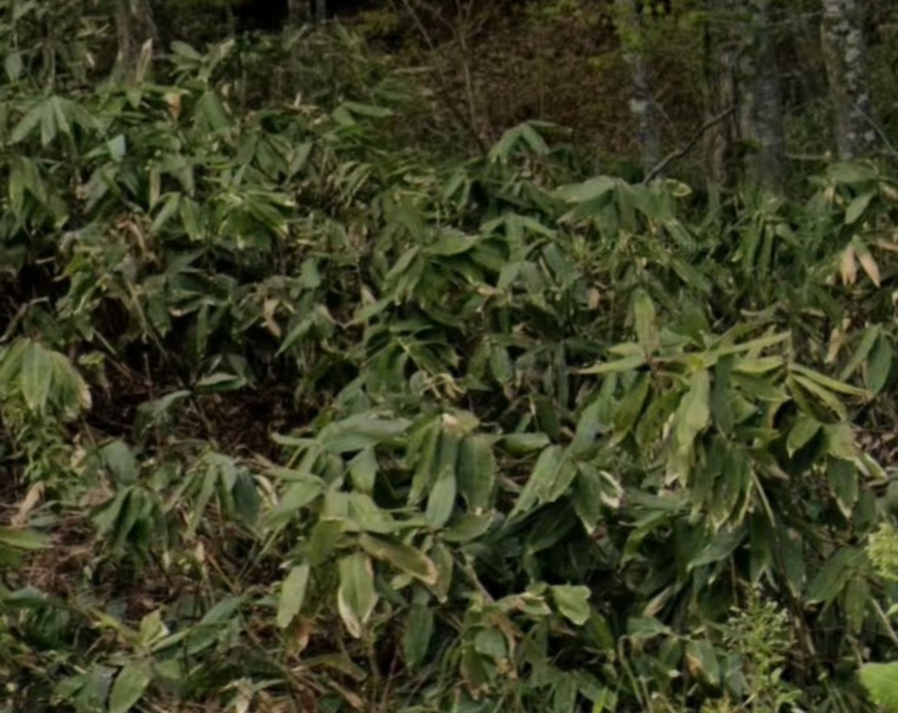
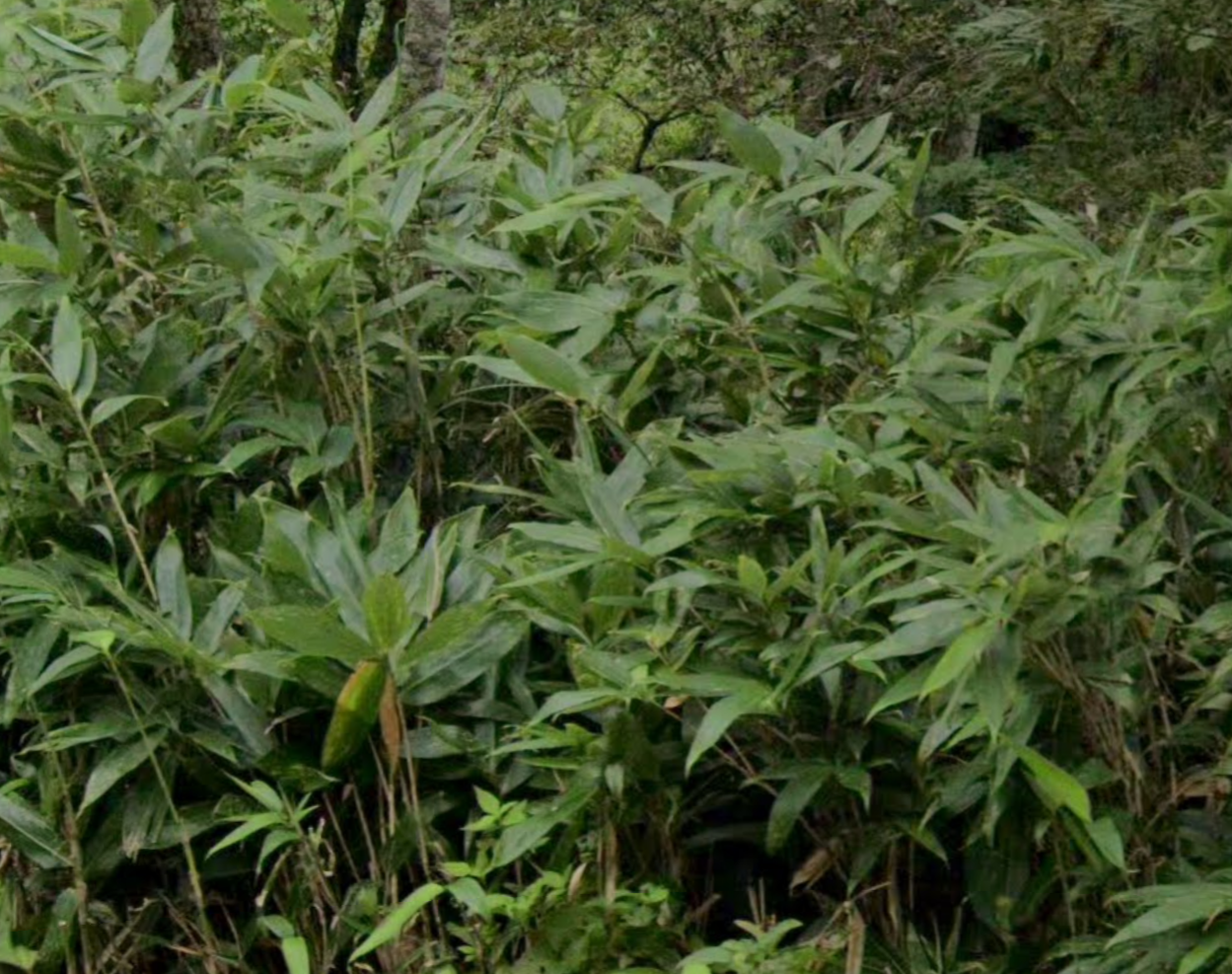
A species of low-growing bamboo. Has very wide fan-like leaves.
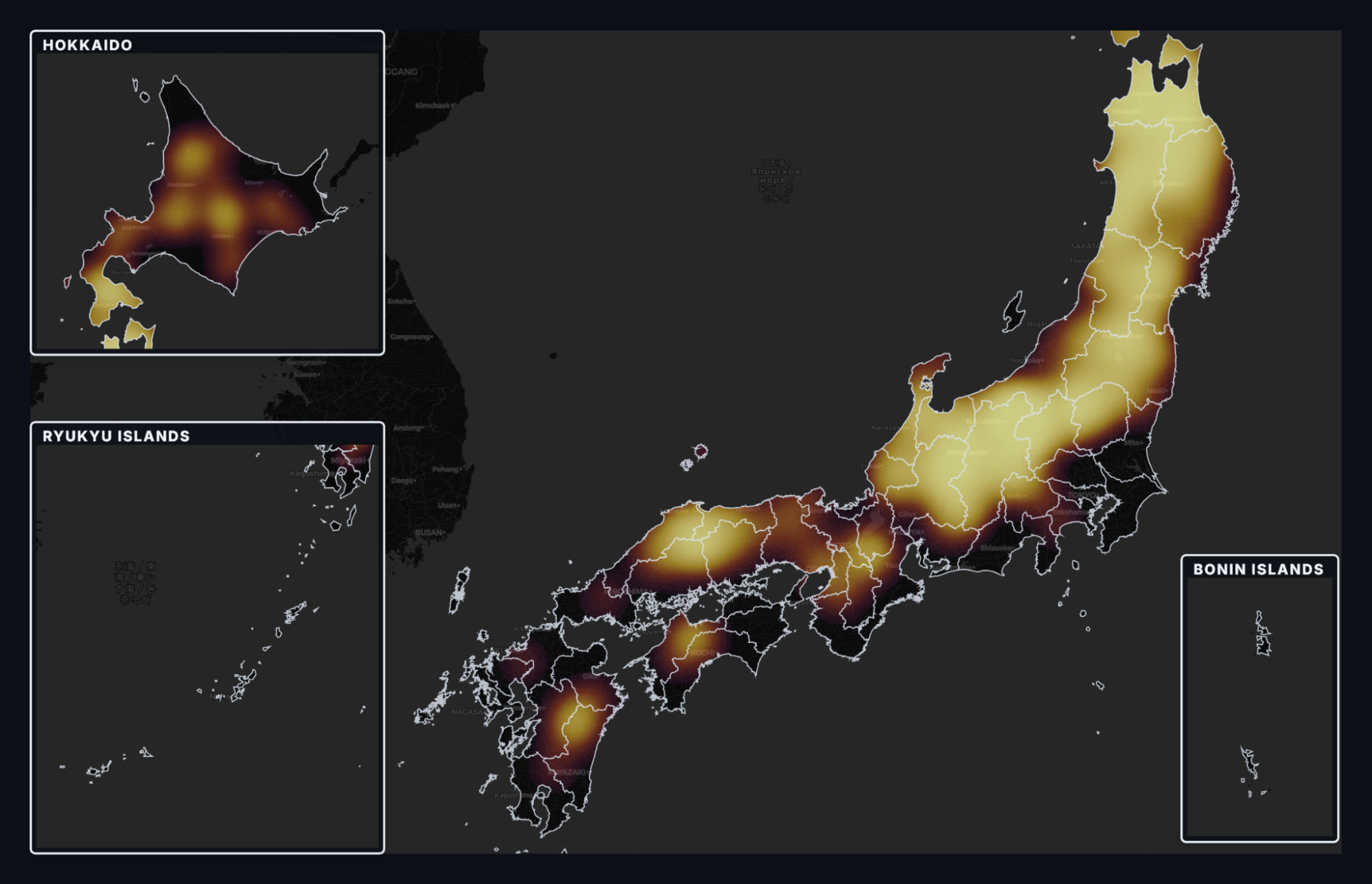
Found in high elevation Honshu.
Sasa kurilensis (Kuril Bamboo)
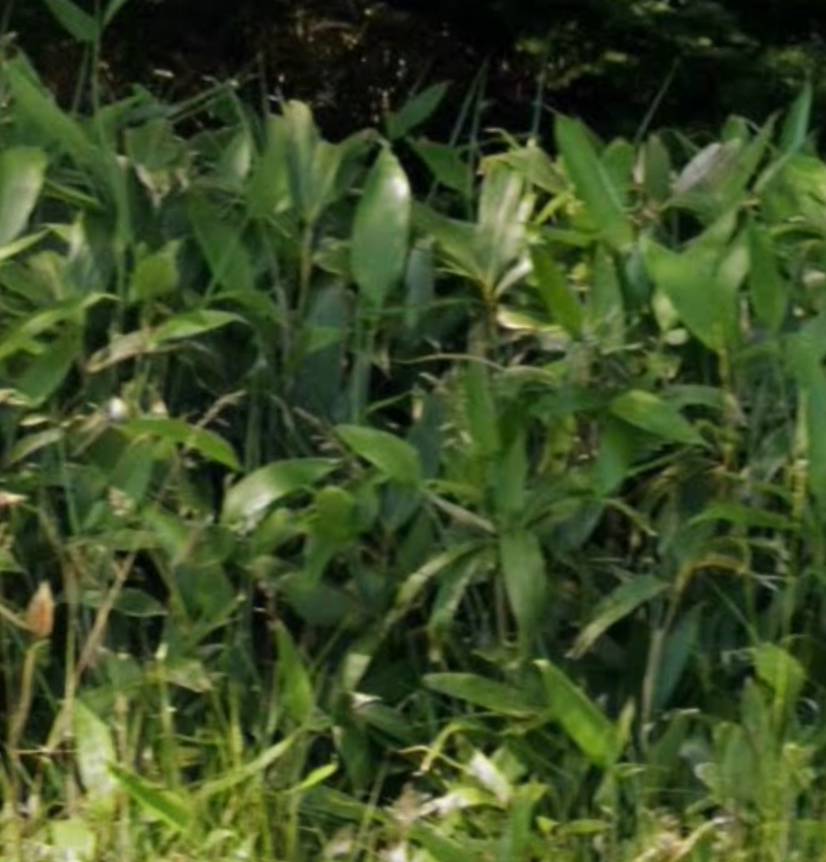
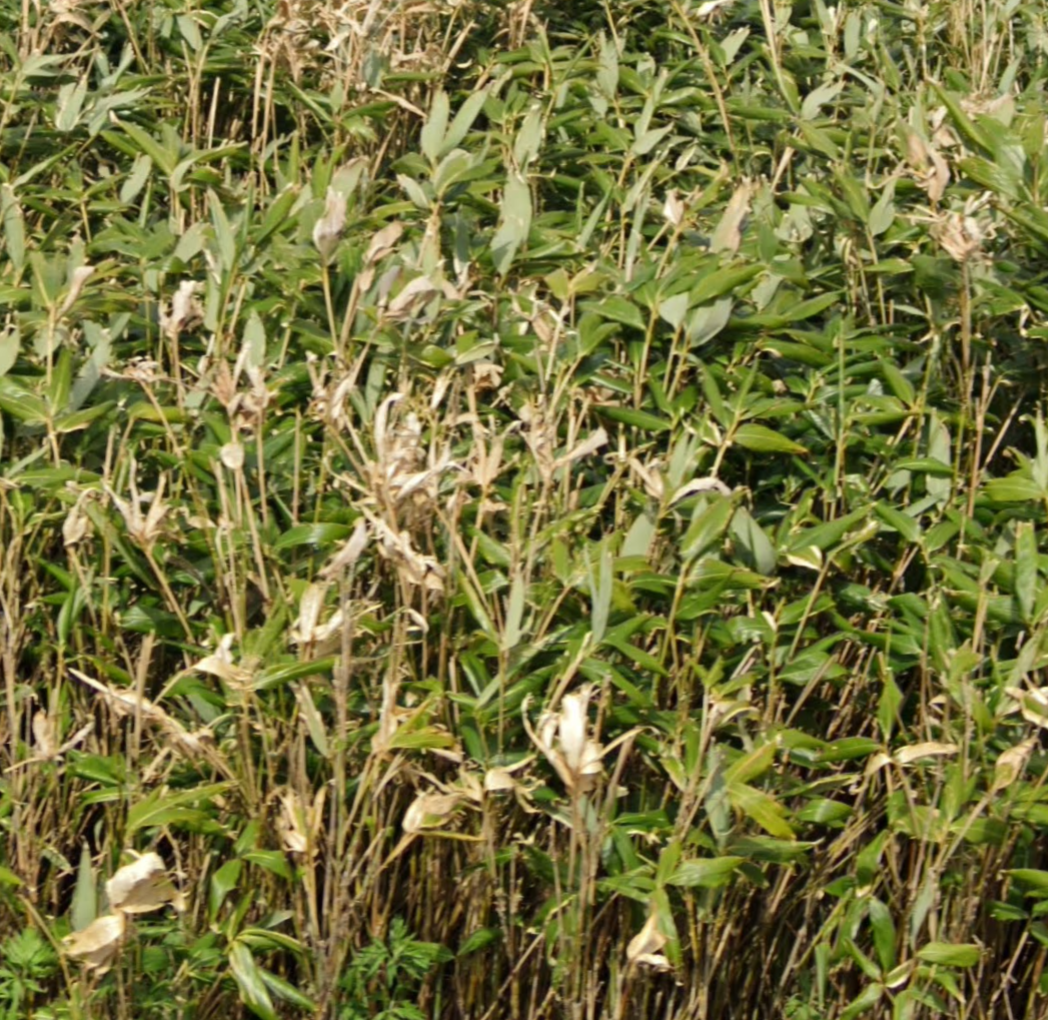
It grows shorter than Sasa palmata and has more narrow leaves.
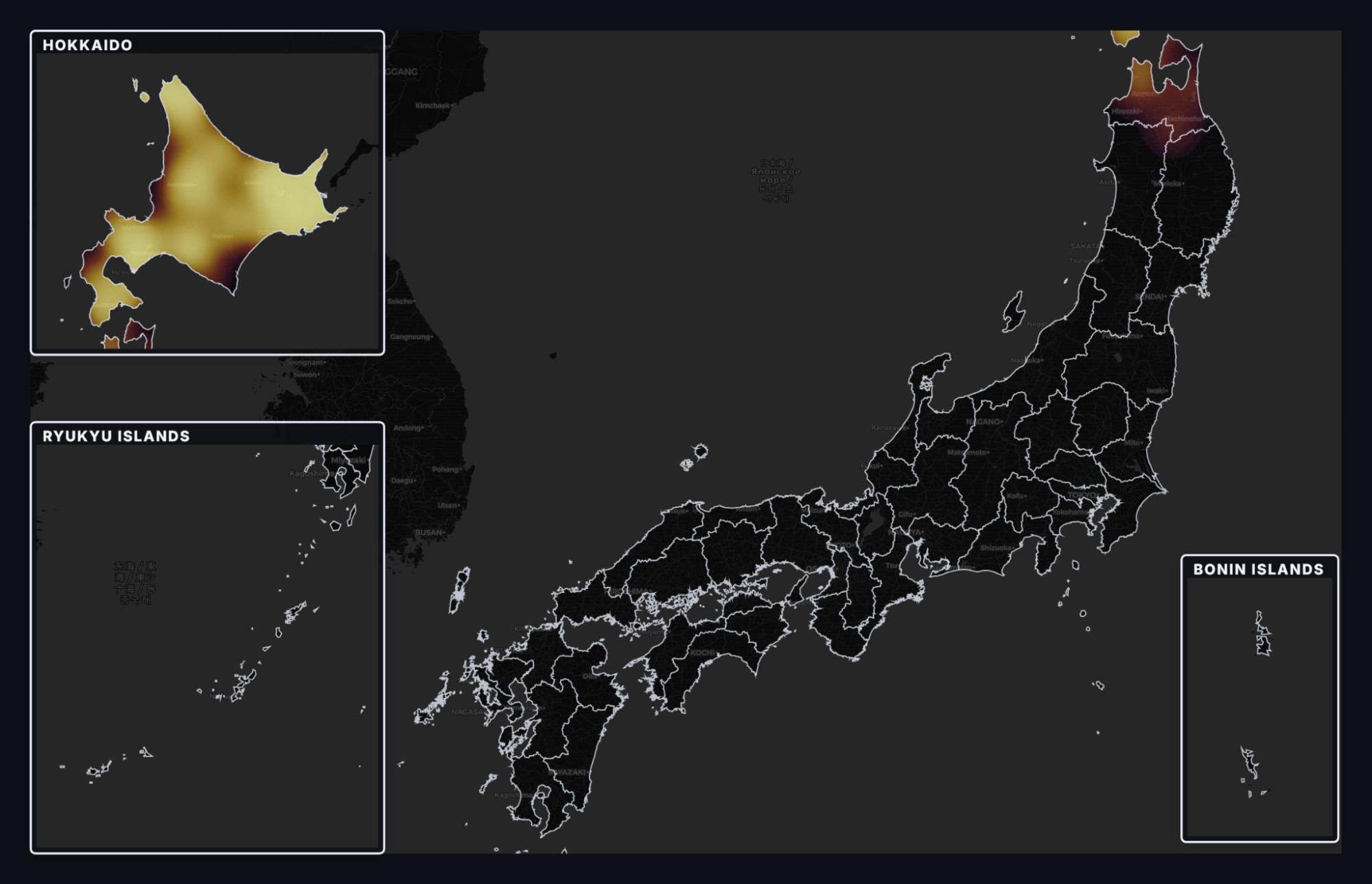
Very common in Hokkaido.
Sasa nipponica
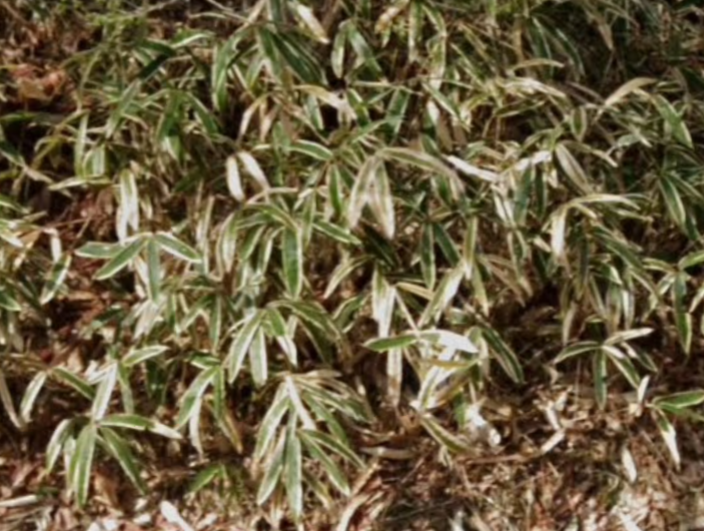
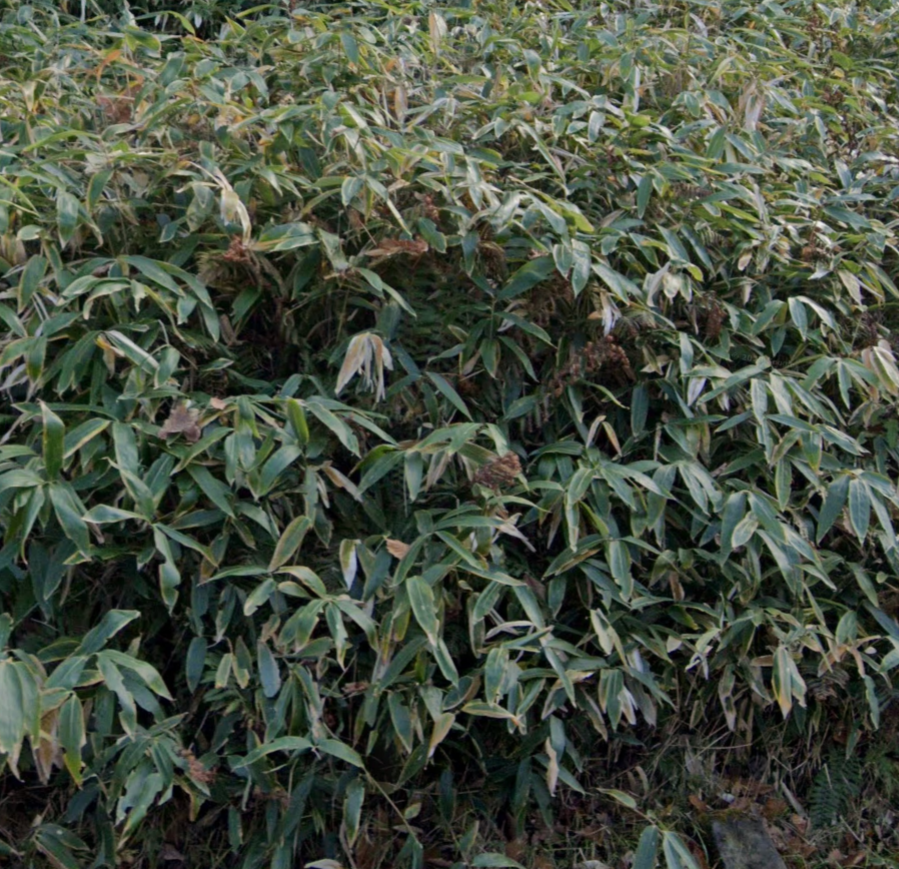
Smaller and sharper leaves than Sasa palmata.
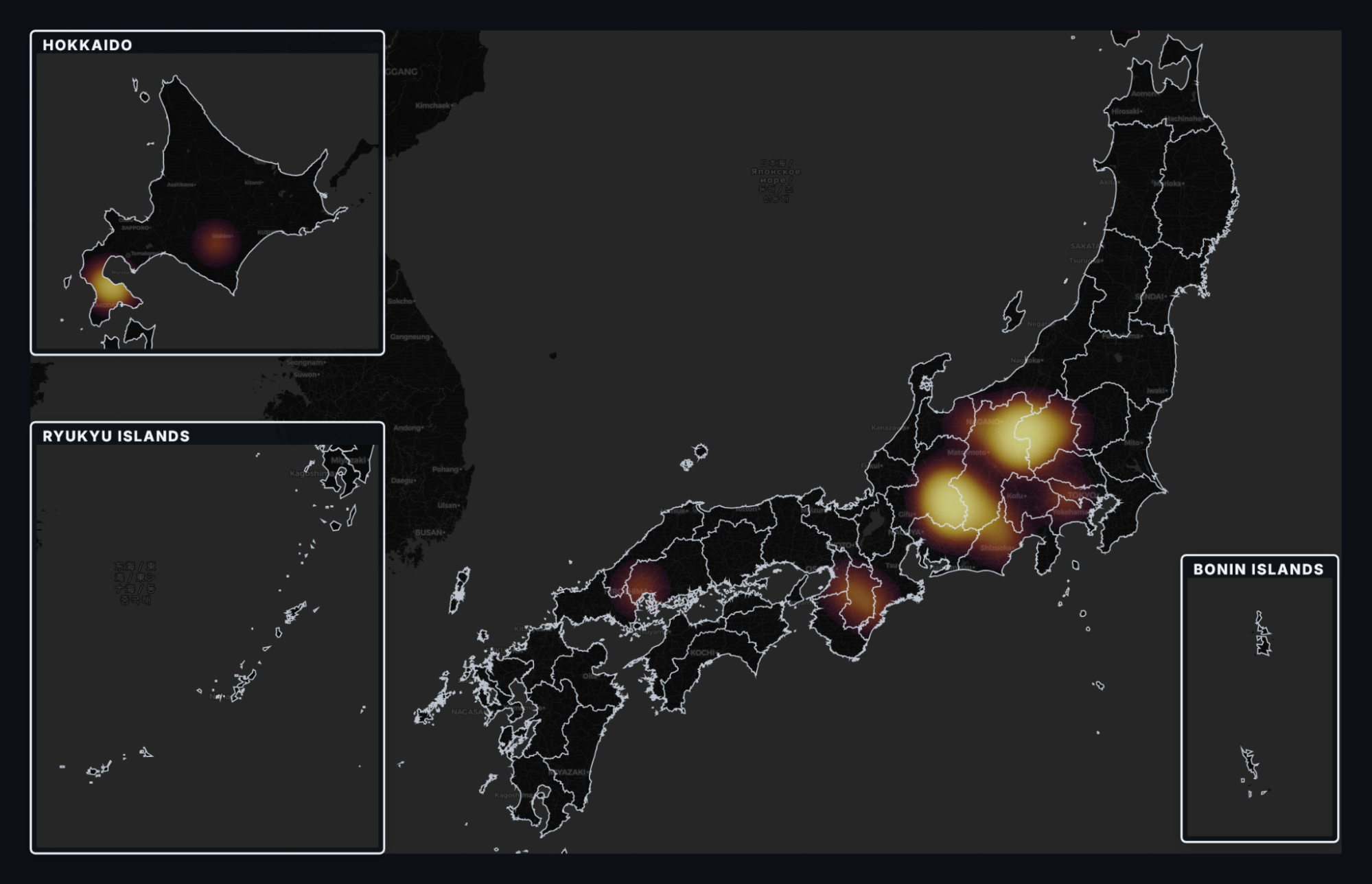
Rare high elevation Sasa.
Phyllostachys
Phyllostachys edulis (Moso Bamboo/Edible Bamboo/モウソウチク)
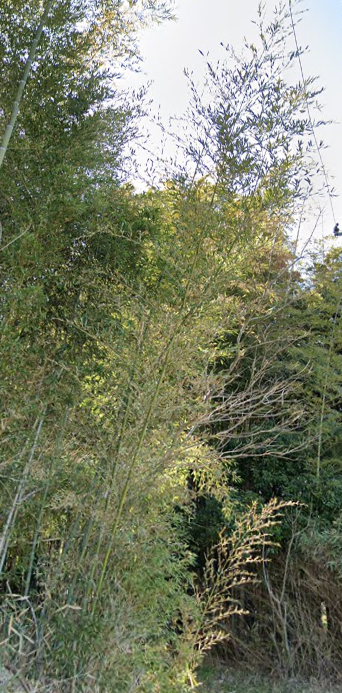
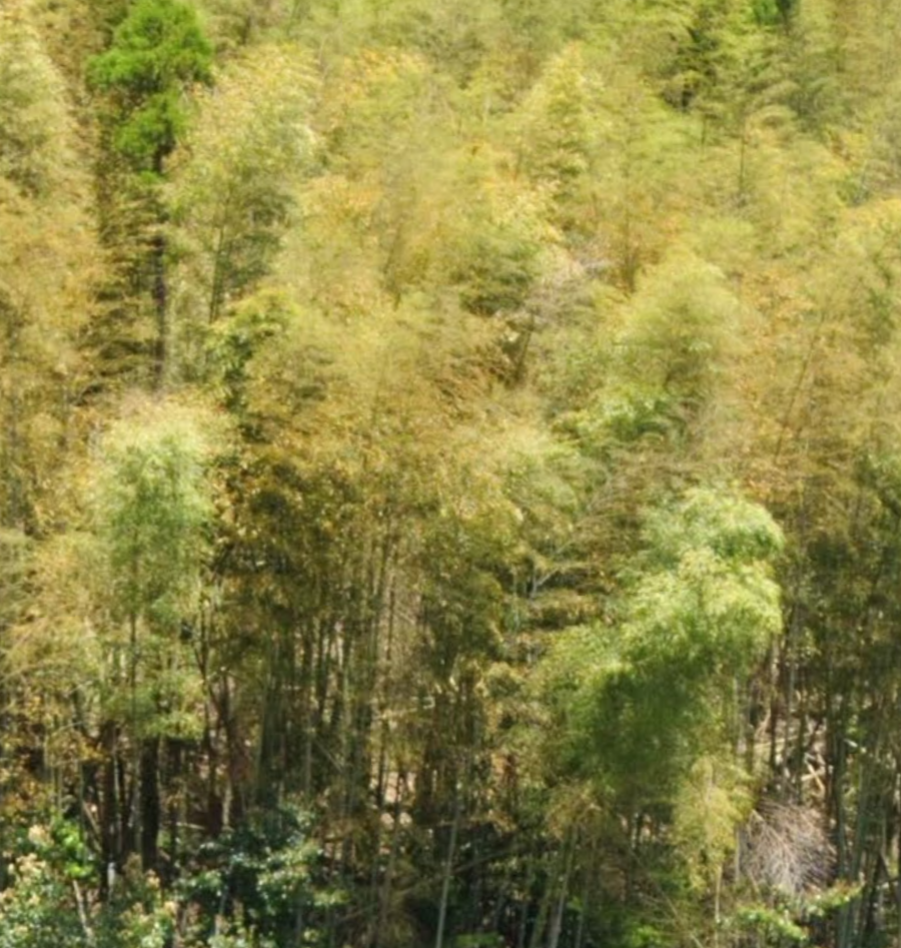
Moso Bamboo is the most common bamboo in Japan. It is identifiable by the leaves looking a bit transparent. The leaves also curve downwards.
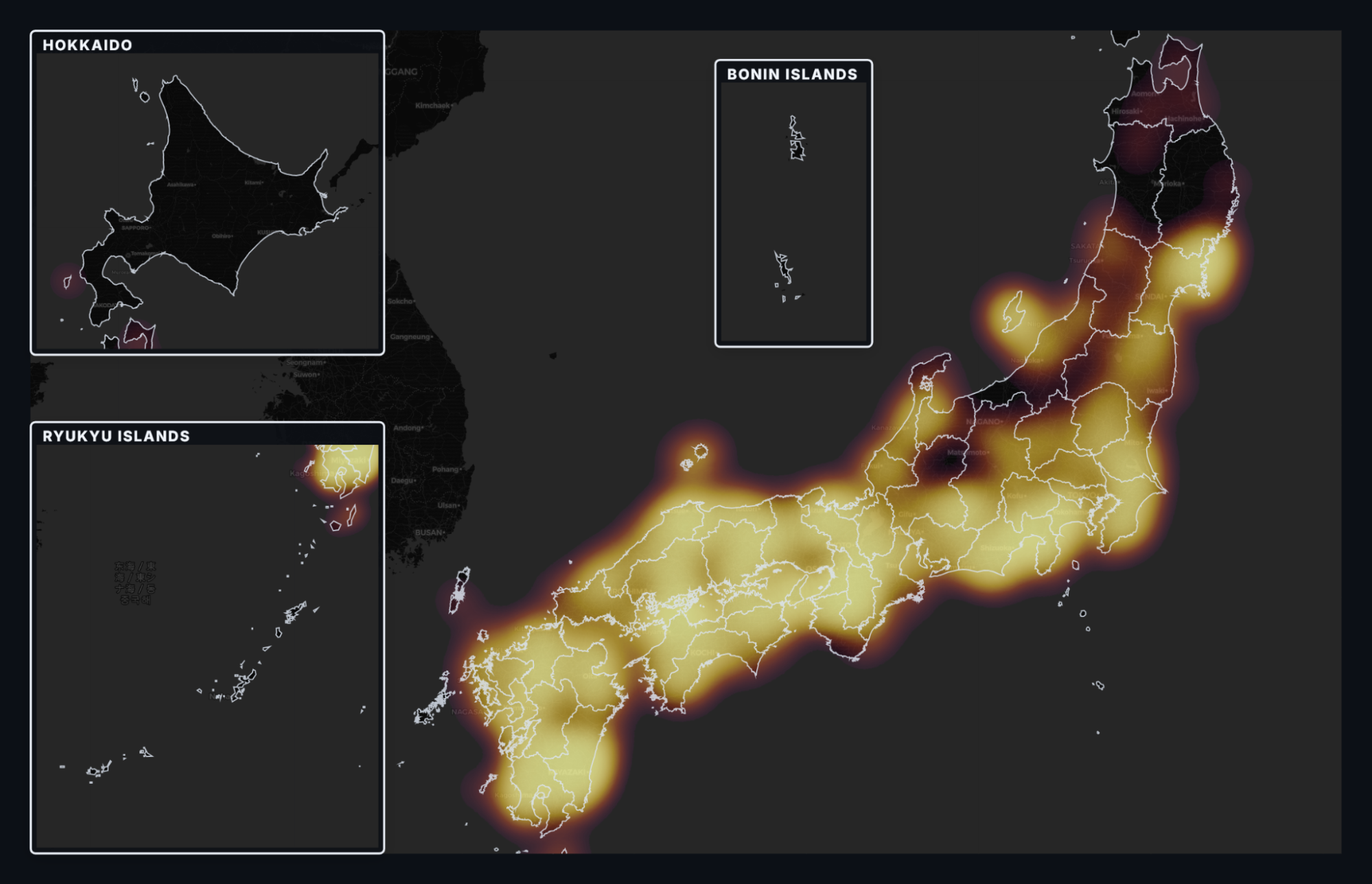
It can grow up to Aomori on the east coast and Yamagata on the west coast (A lot on Sado). Surprisingly it is not found much on the Ryukyu islands.
Phyllostachys nigra (Black Bamboo/Hachiku Bamboo)
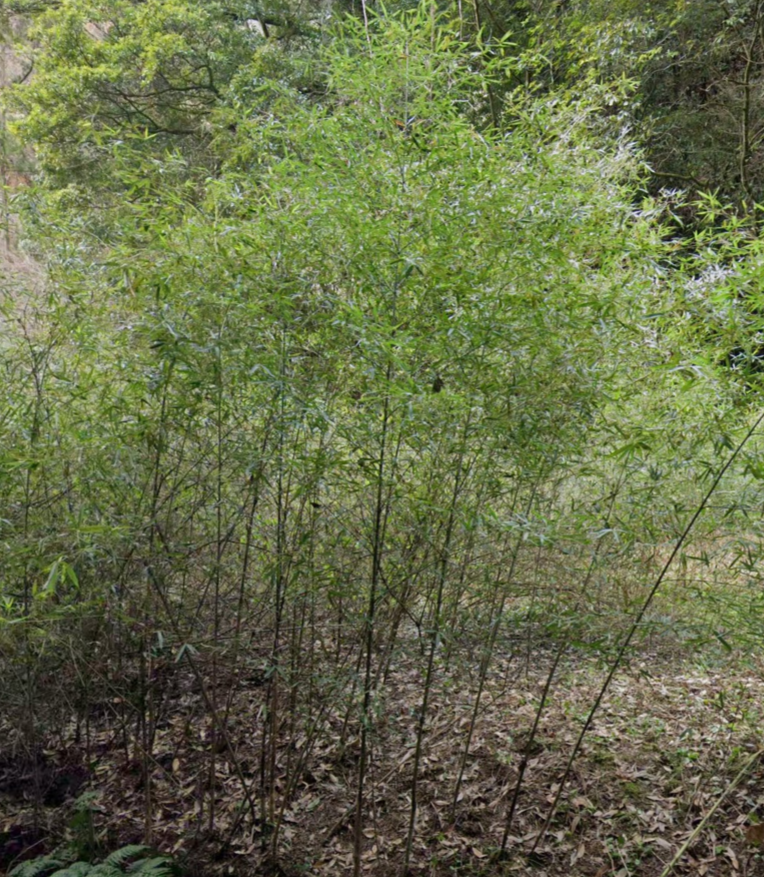
Pretty short bamboo with a black bark. The leaves are messier than Moso Bamboo.
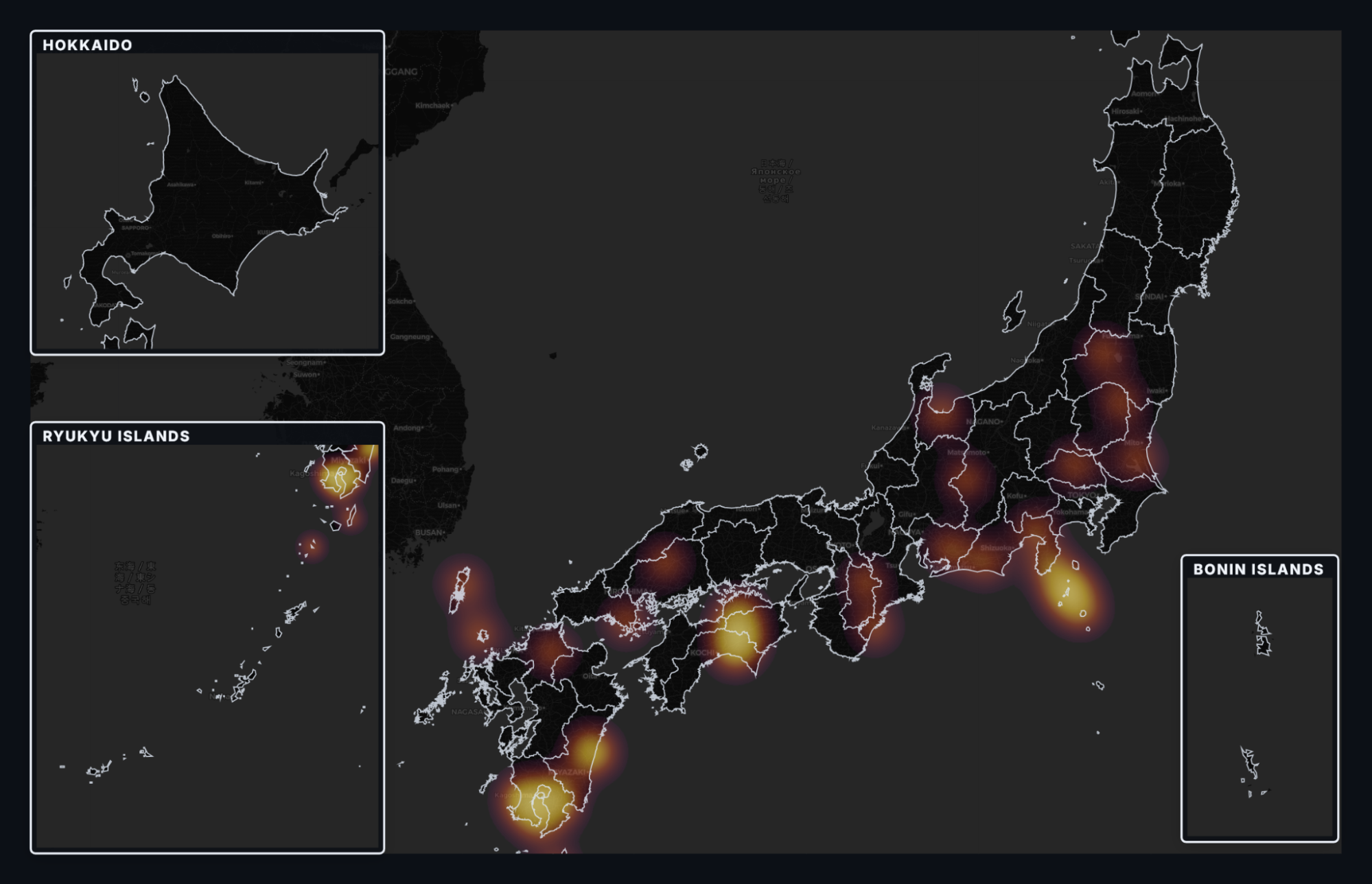
Mostly found in the south.
Pleioblastus
Pleioblastus simonii (Simon’s Bamboo)
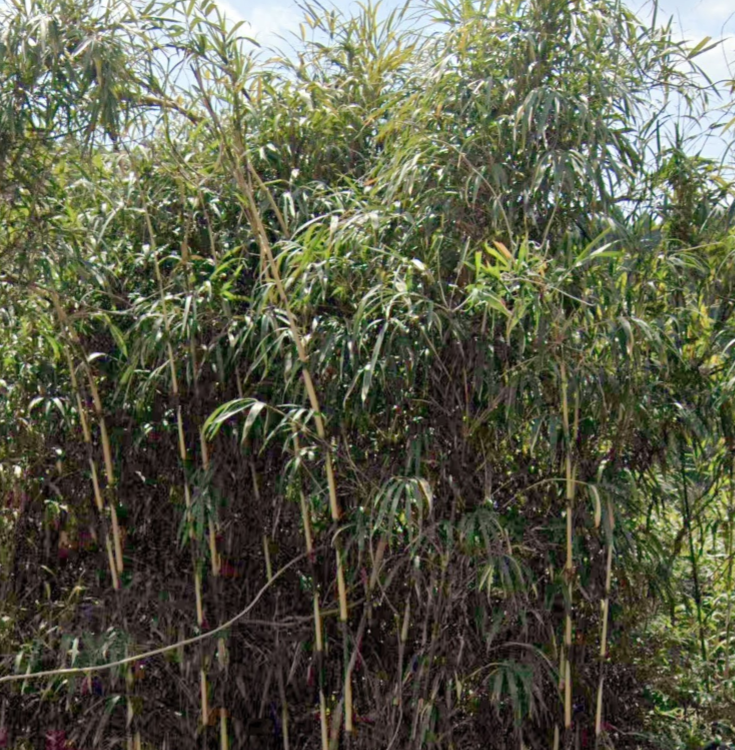
The stem alternates between yellow and black.
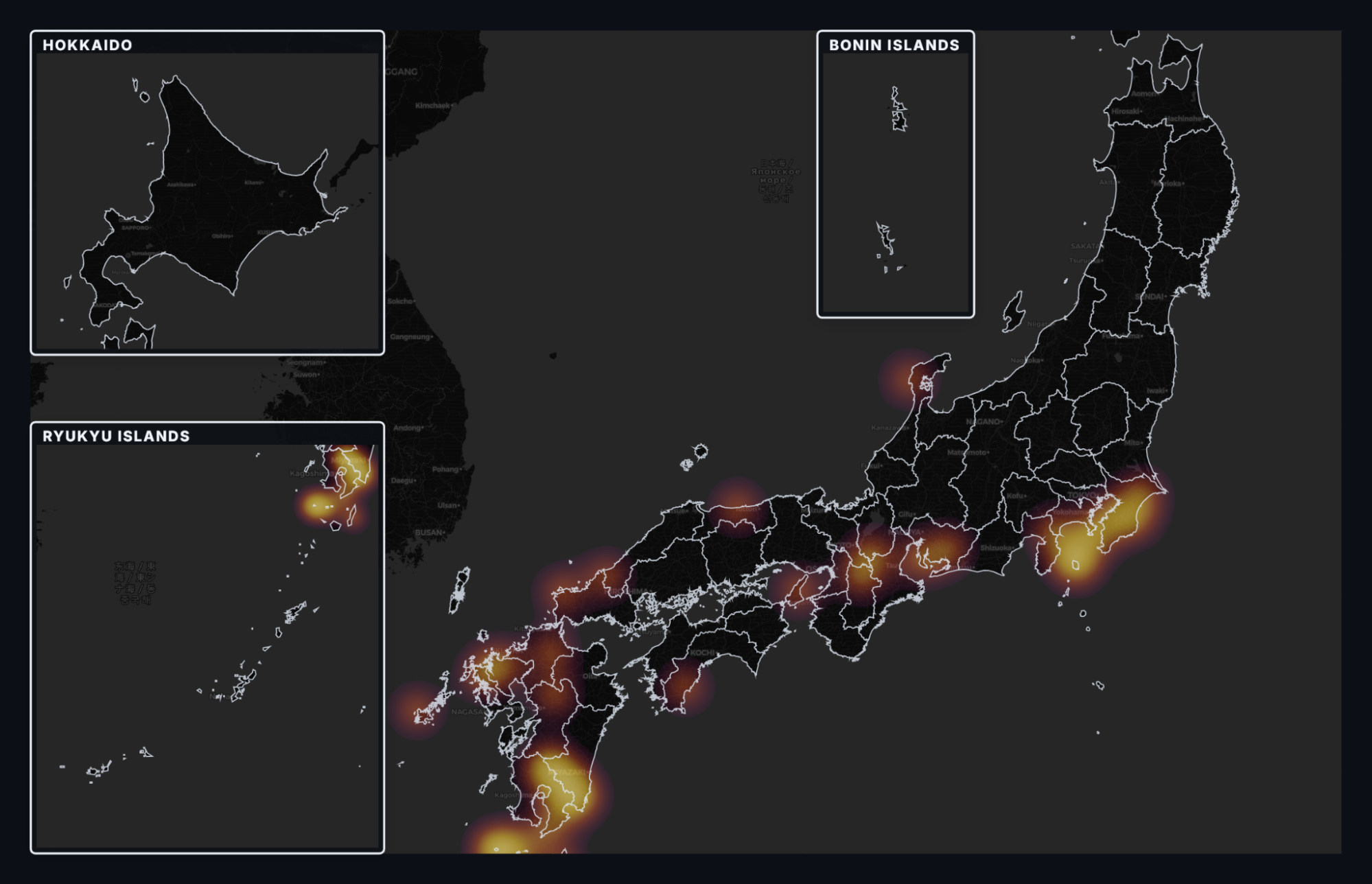
Most common in Kyushu.
Silvergrasses
Miscanthus sinensis (Chinese Silver grass)
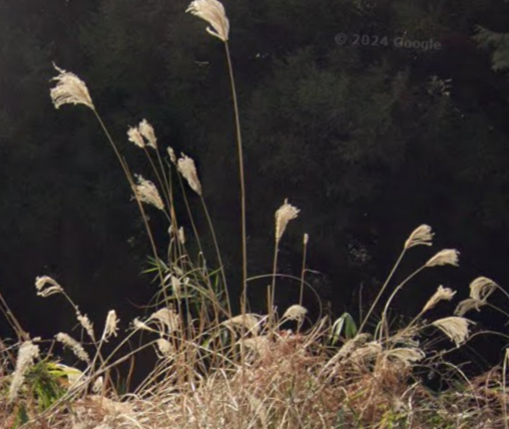
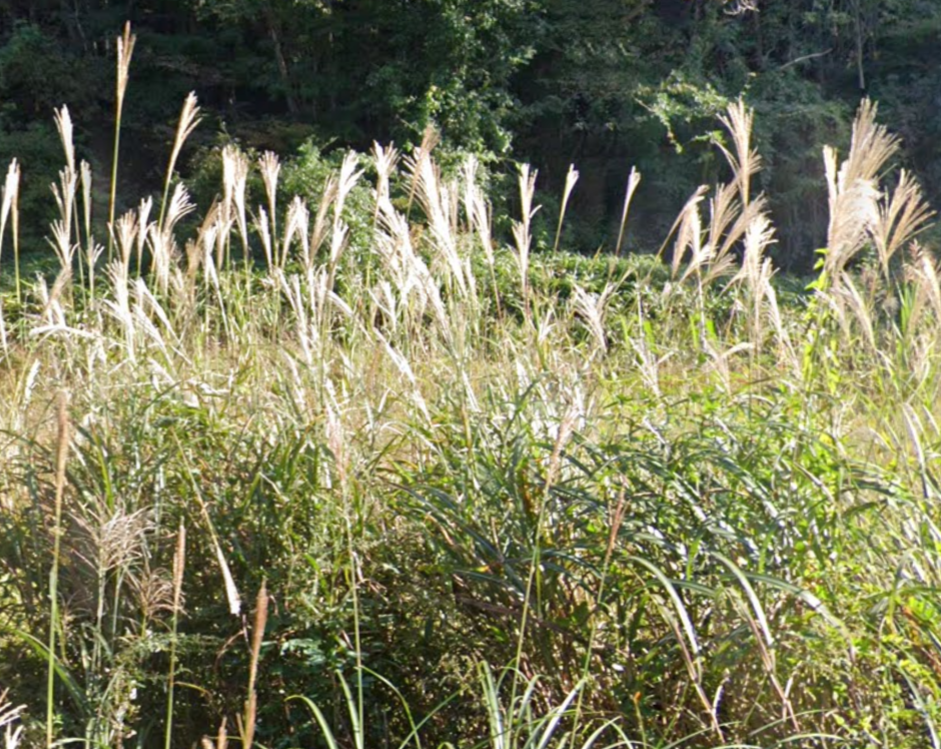
Also known as Kyushu Grass in the community, it has this very unique horsetail-ish end.
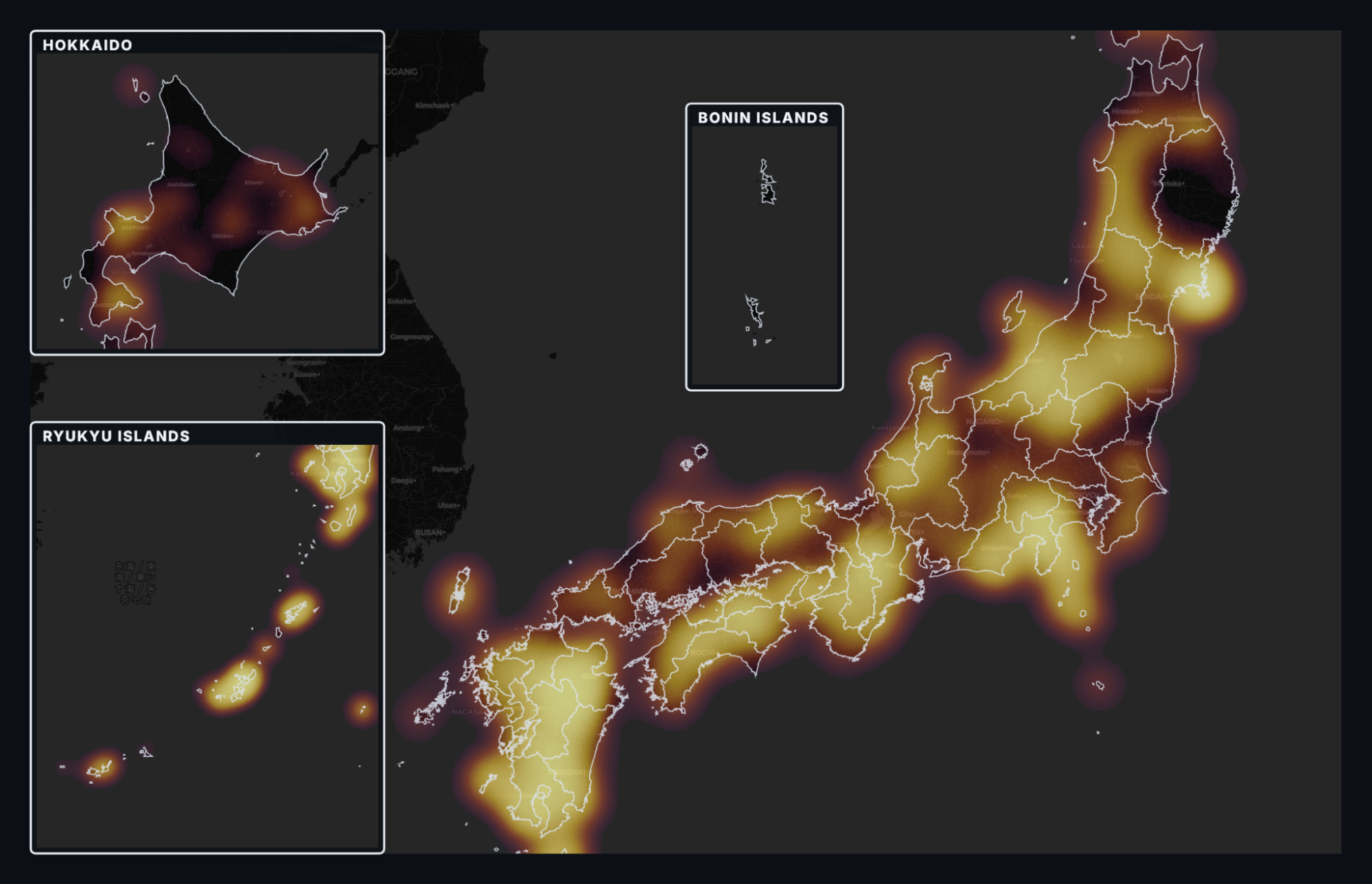
It is found almost everywhere but it tends to be more common towards the south and the west coast.
Paniceae
Setaria palmifolia (Palmgrass)
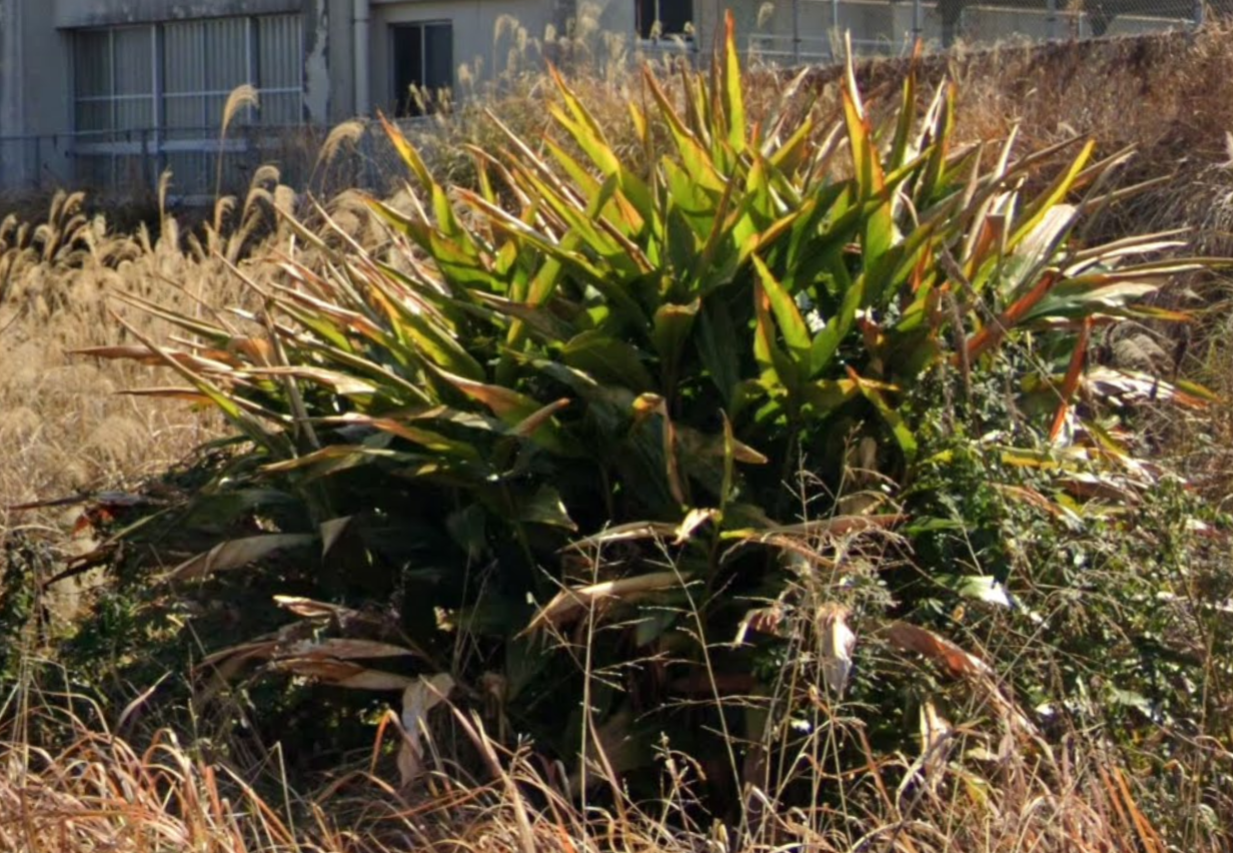
It is a thick and wide type of grass.
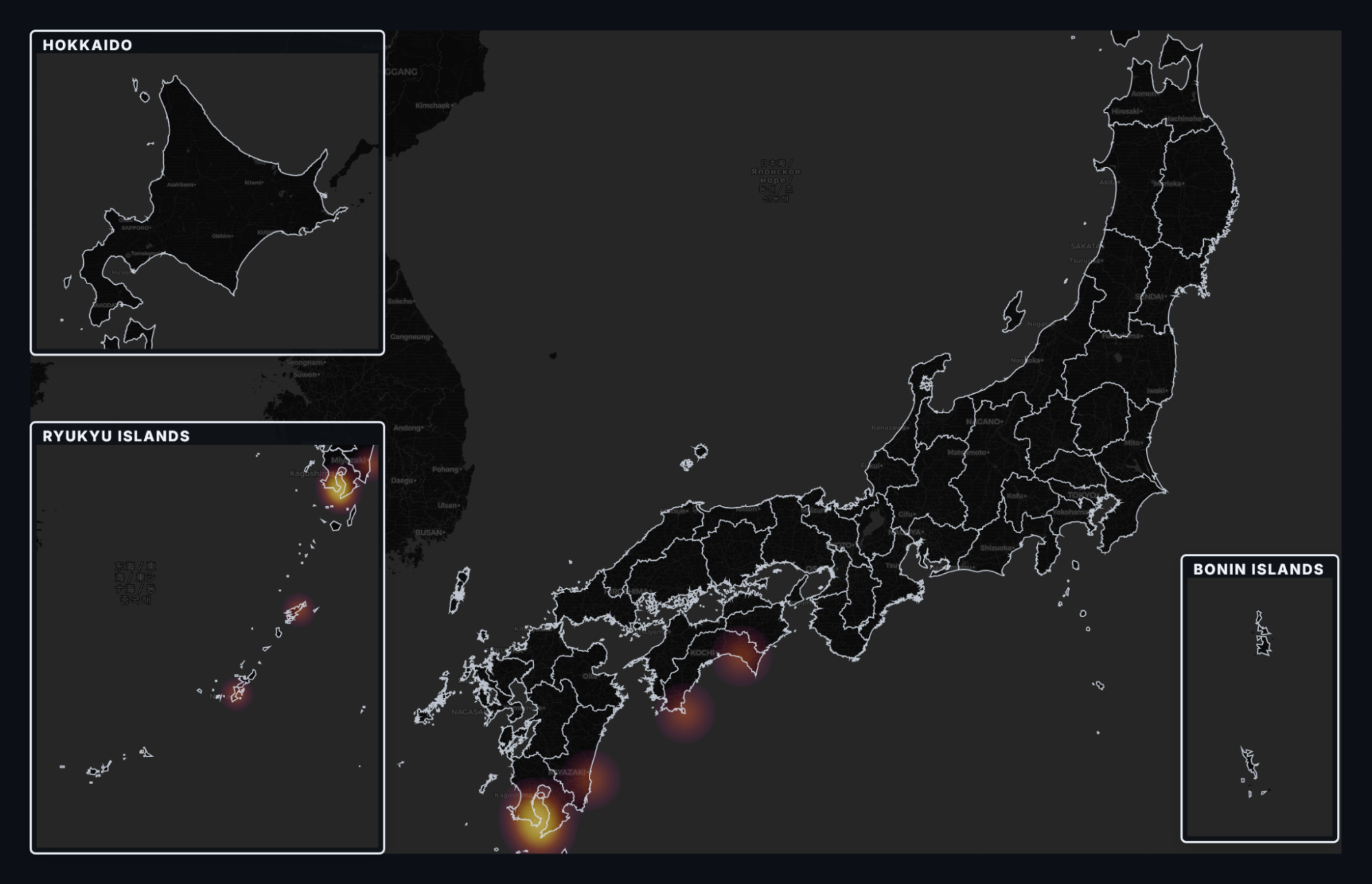
Found in Kagoshima and below.
Palms
Coryphoideae
Livistona chinensis (Chinese Fan Palm)
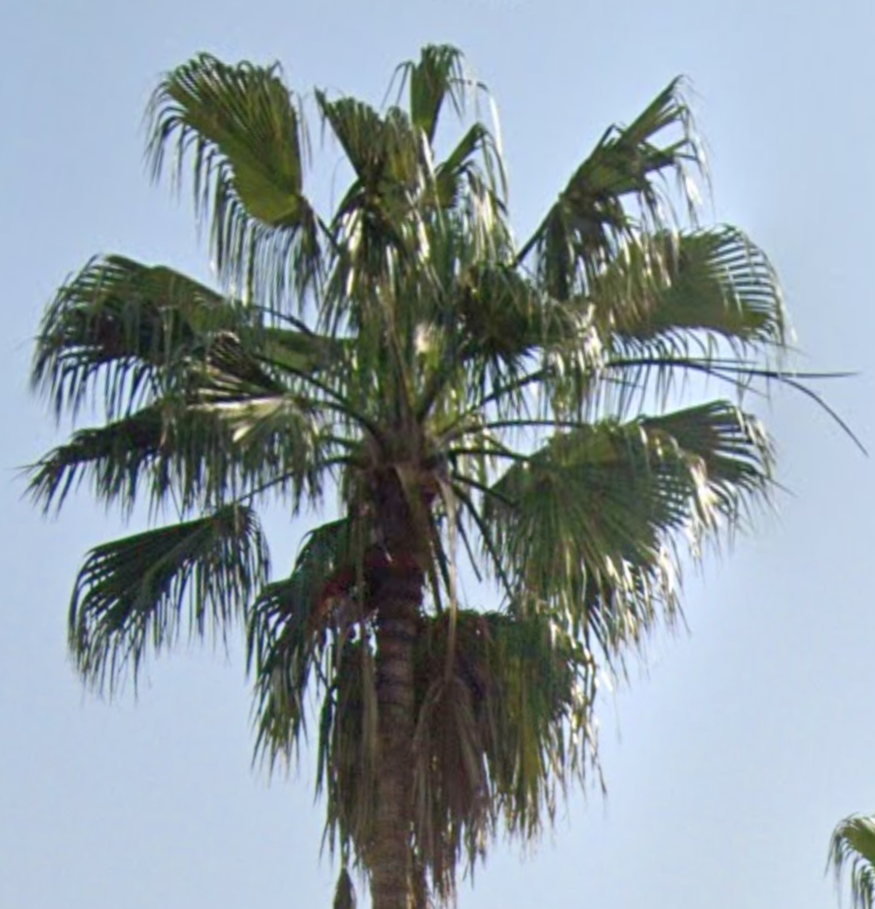
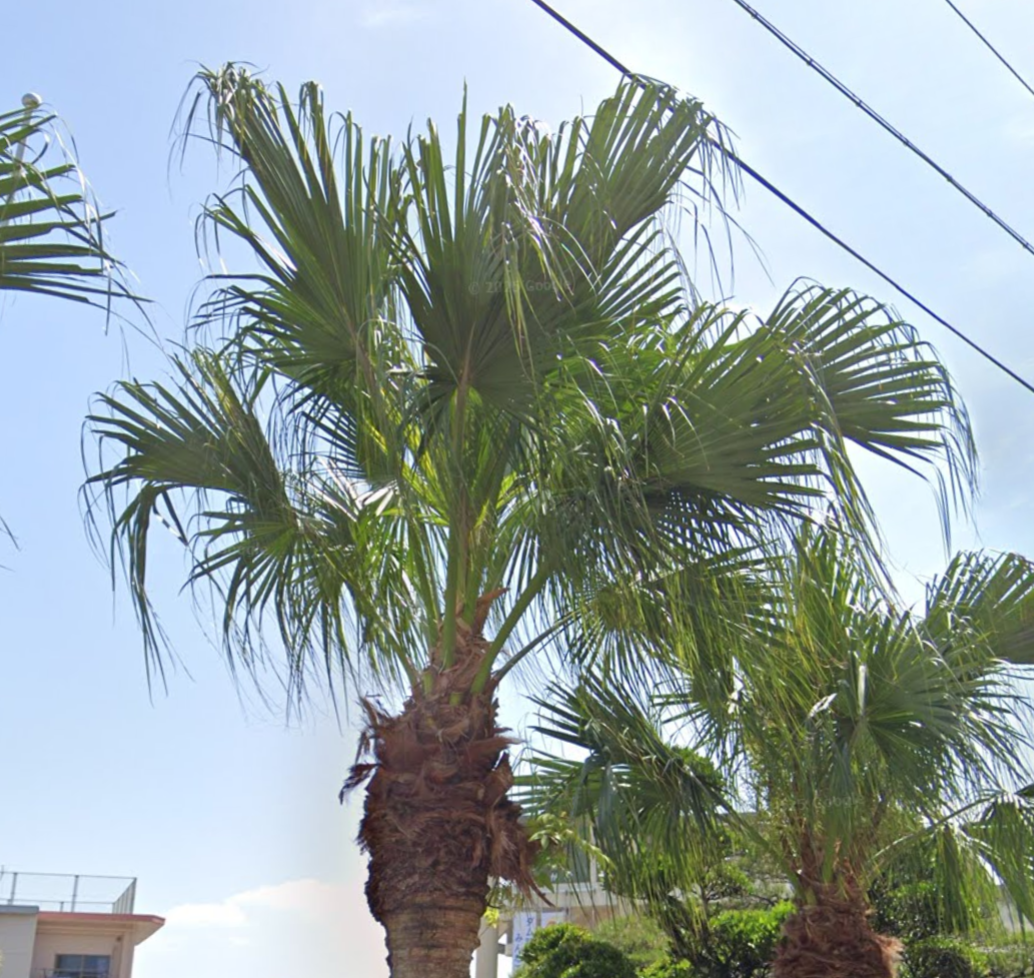
The leaves are fan shaped.
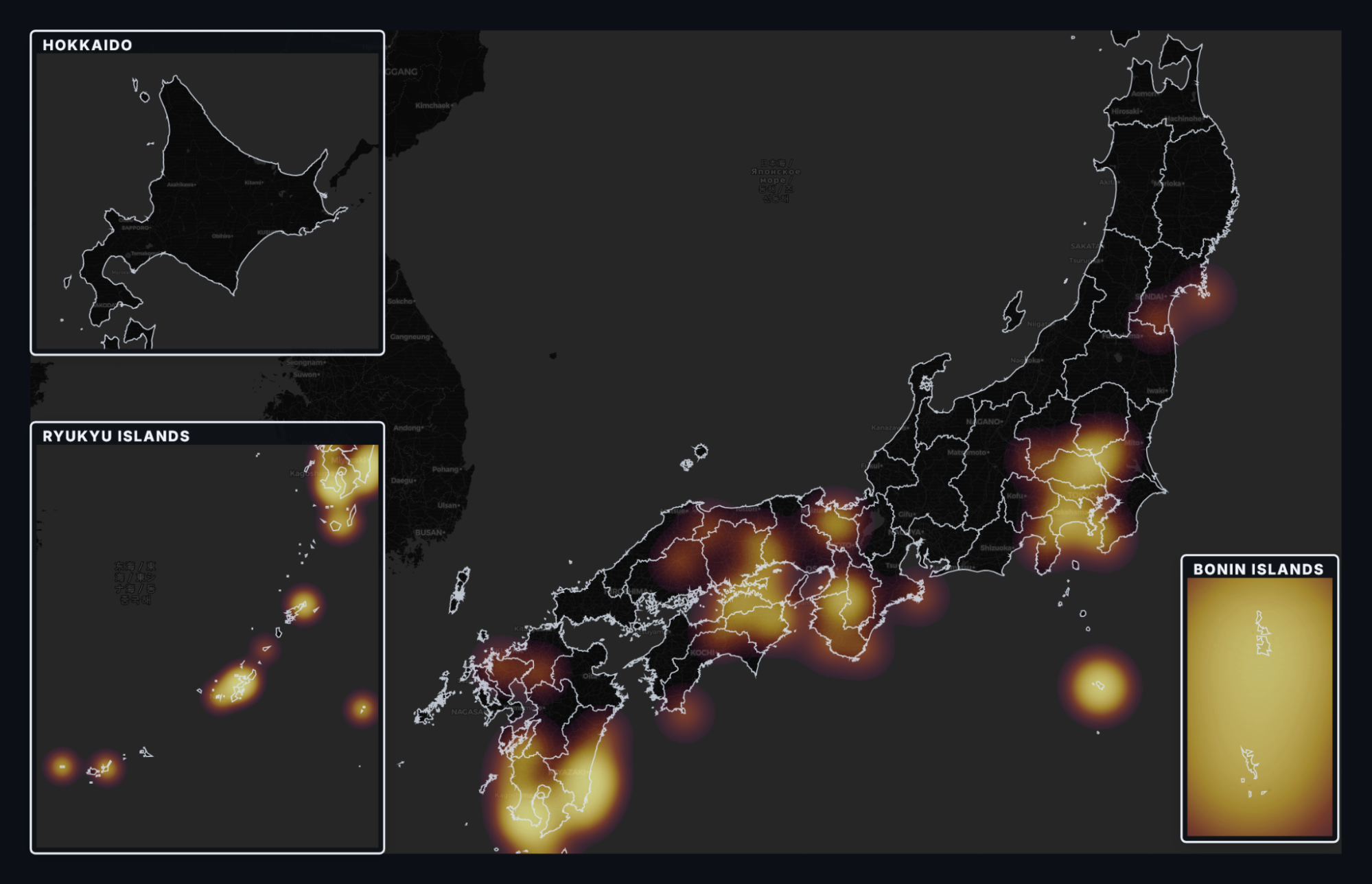
Found in the south of the country, a lot in the Kanto Plains.
Trachycarpus fortunei (Chinese Windmill Palm/Chusan Palm)
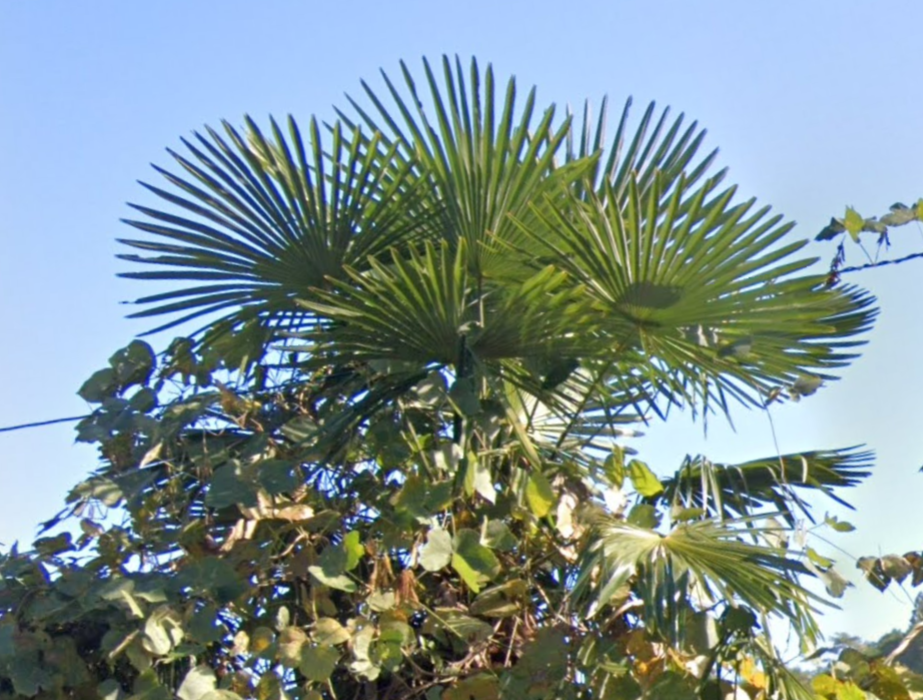
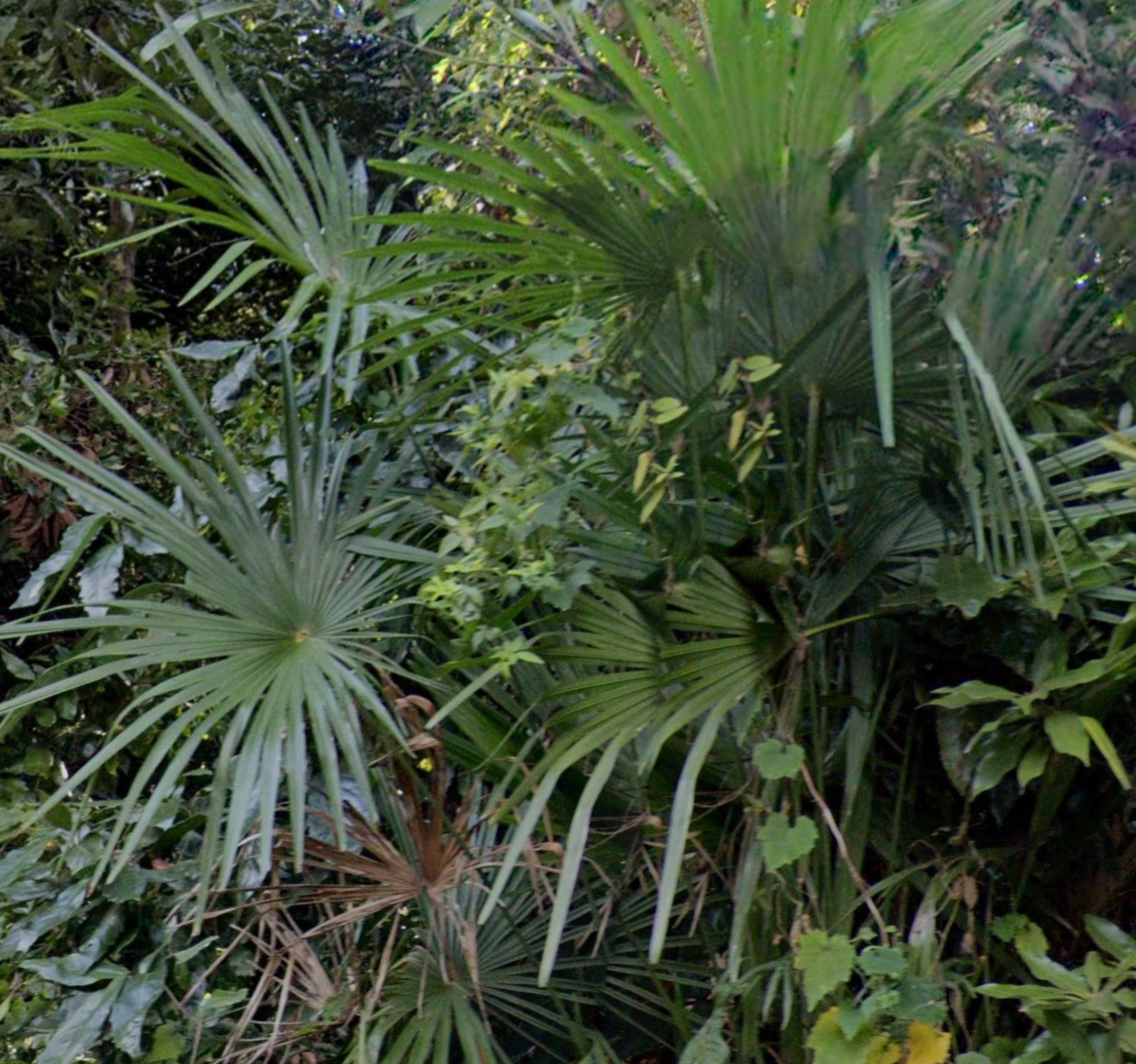
The leaves are in a rounded fan shape.
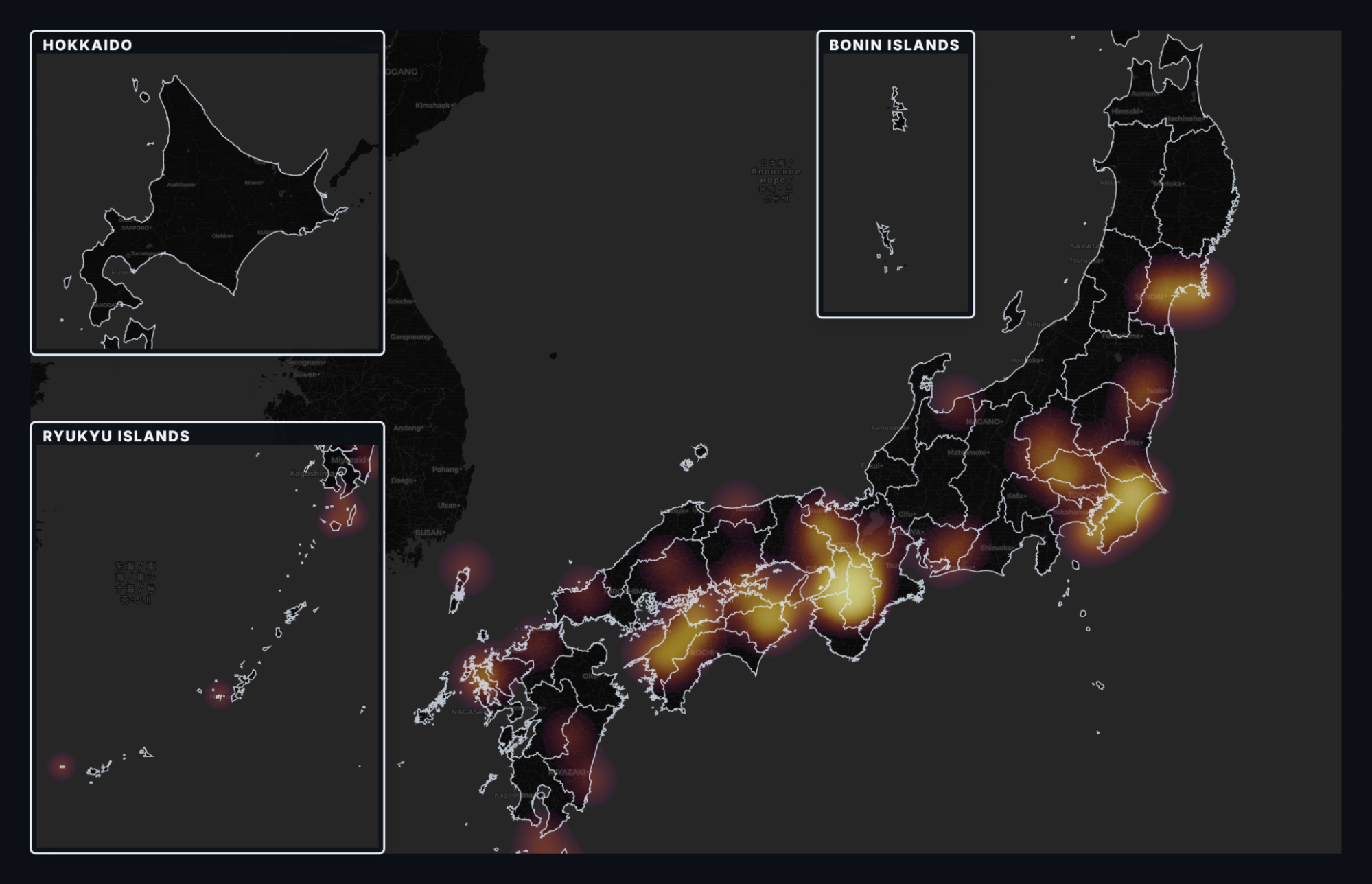
Found in the south and coastal parts of the country.
Arenga engleri (Arenga Palm)
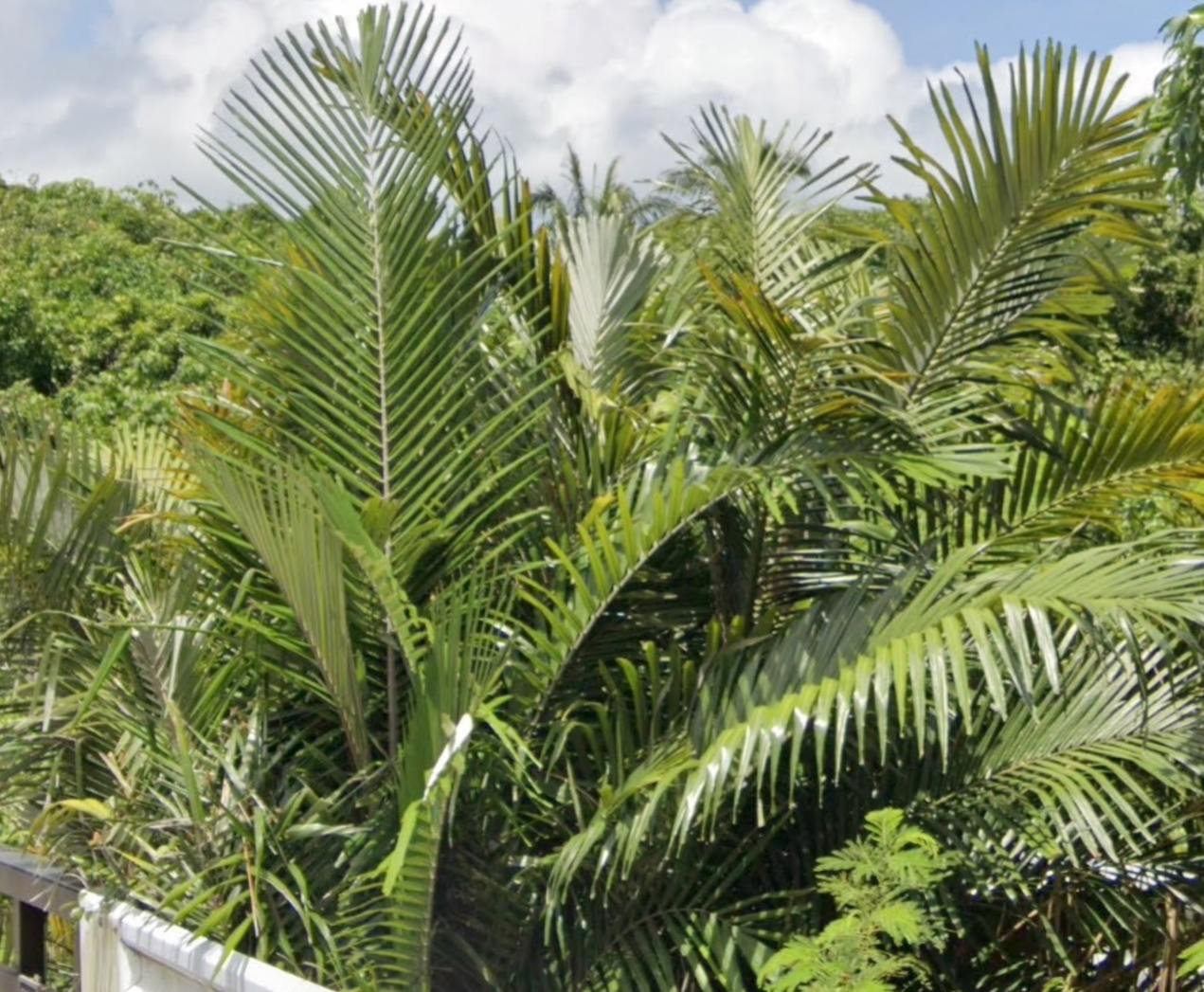
A palm with big arching leaves. Taller than Ryukyu Arenga.
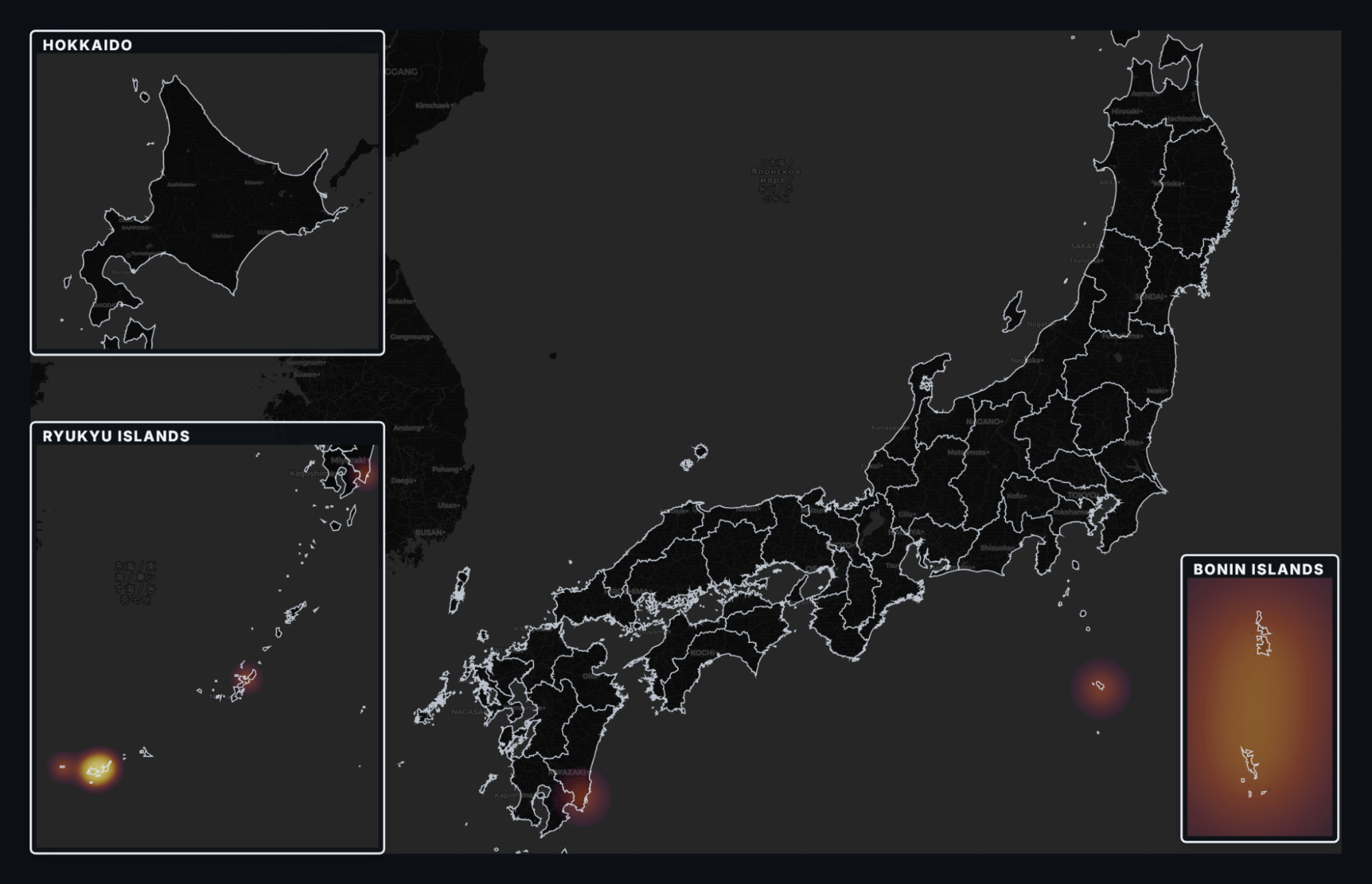
Found on the Ryukyu and Bonin Islands.
Arenga ryukyuensis (Ryukyu Arenga)
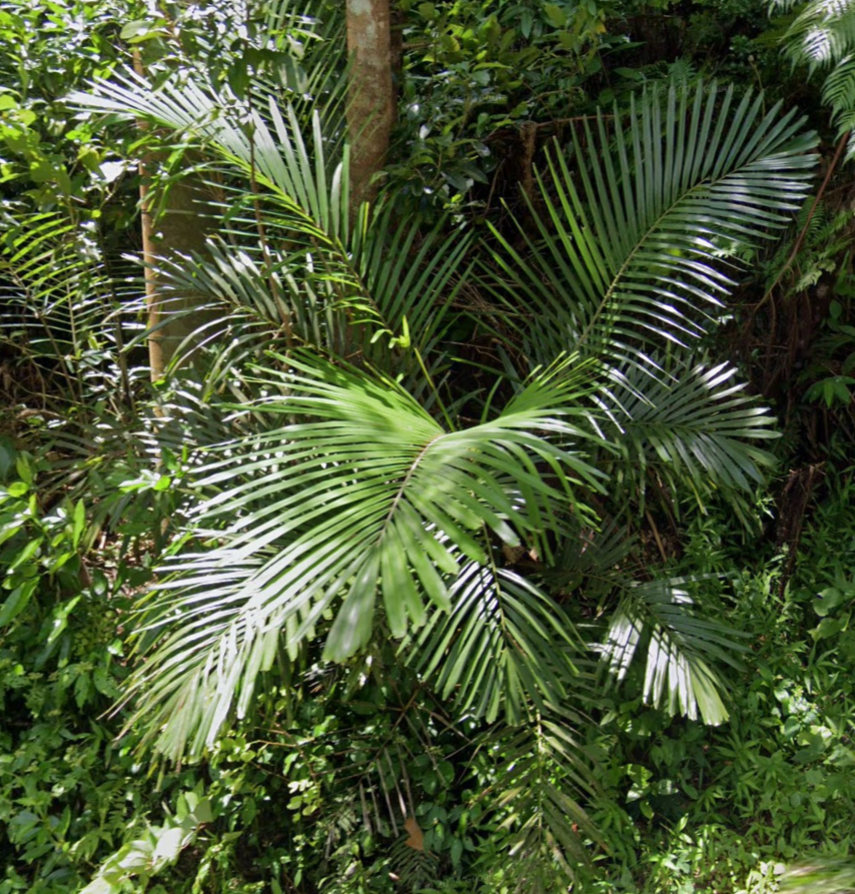
Usually shorter and darker than Arenga Palm.
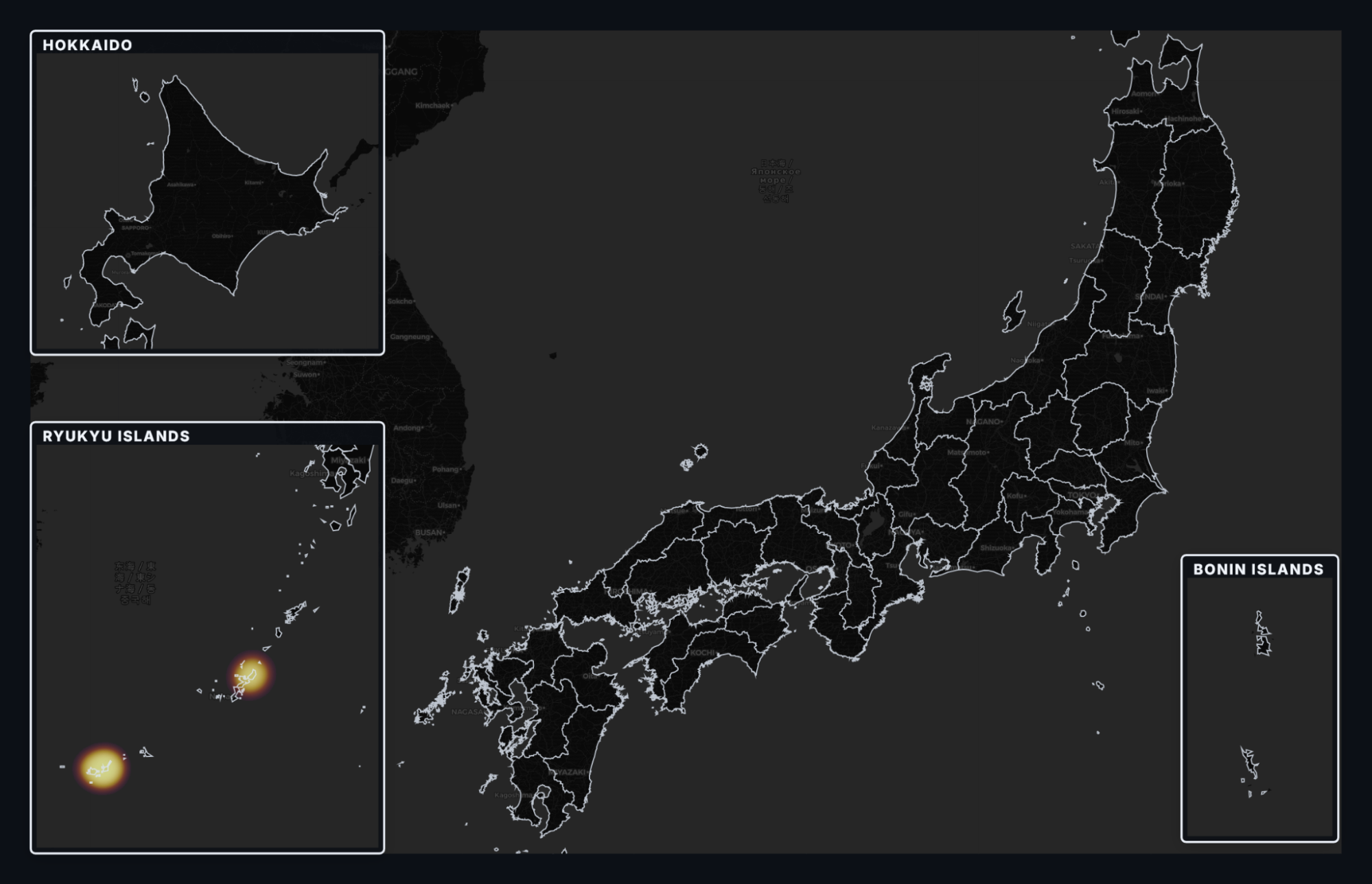
Only found on the Ryukyu Islands.
Pandanus
Screwpines
Pandanus odorifer (Screw-Pine)
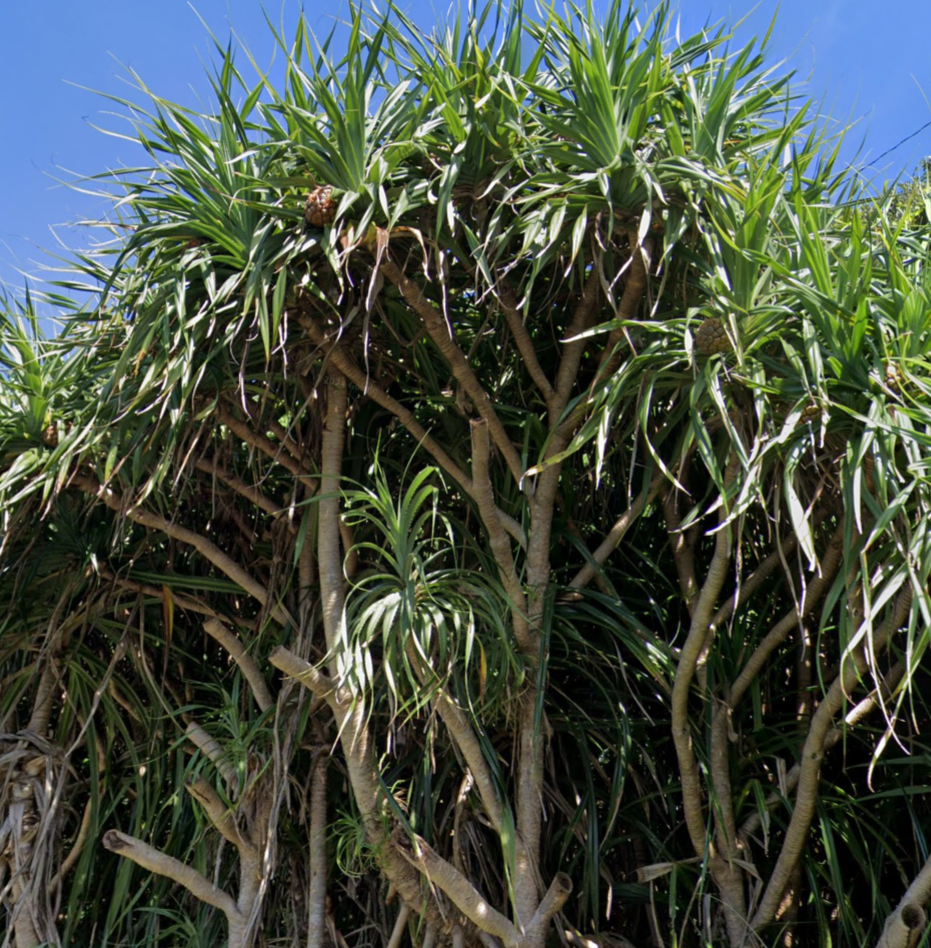
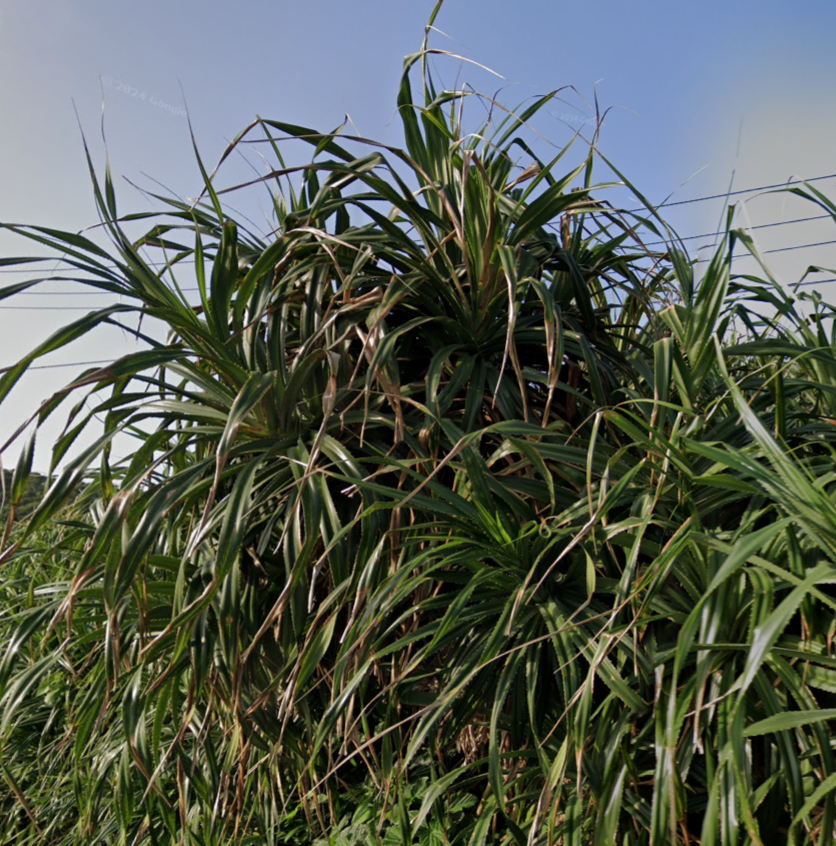
Very unique looking species. It has spiny long thin green leaves with a thin gray bark.
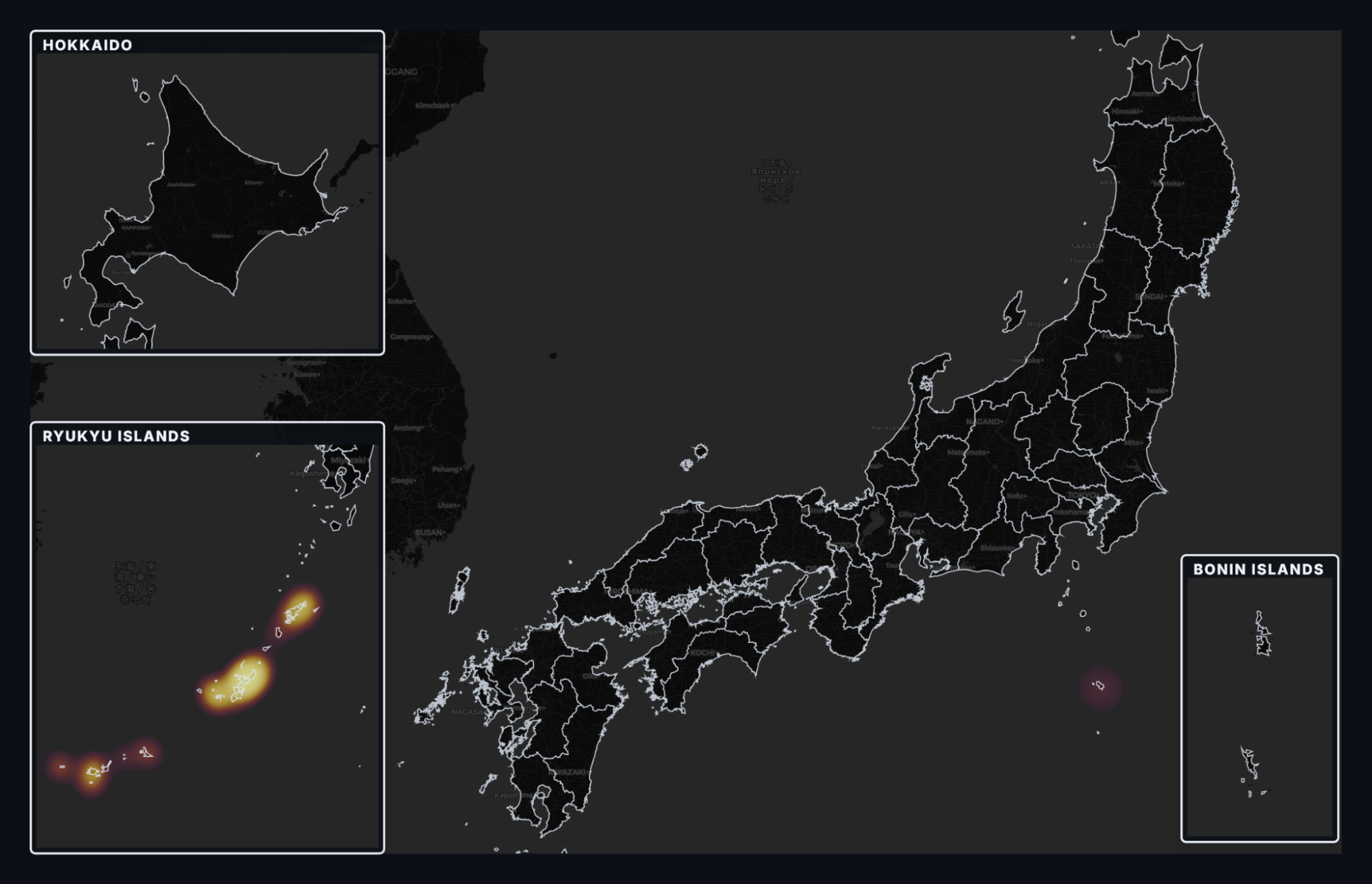
Found a lot on the Ryukyu Islands.
Pandanus boninensis
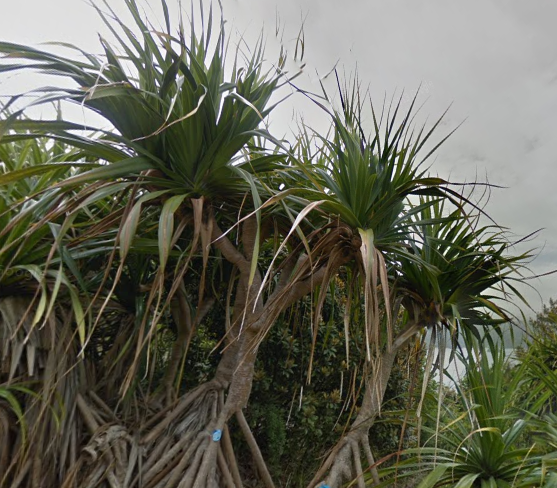
This is a species of Pandanus or Screwpine that is endemic to the Bonin Islands (Ogasawara and Hahajima). In Japanese it is called タコノキ. It is bigger than the Pandanus odorifer in Okinawa and could be useful for identifying gen 3 trekkers.
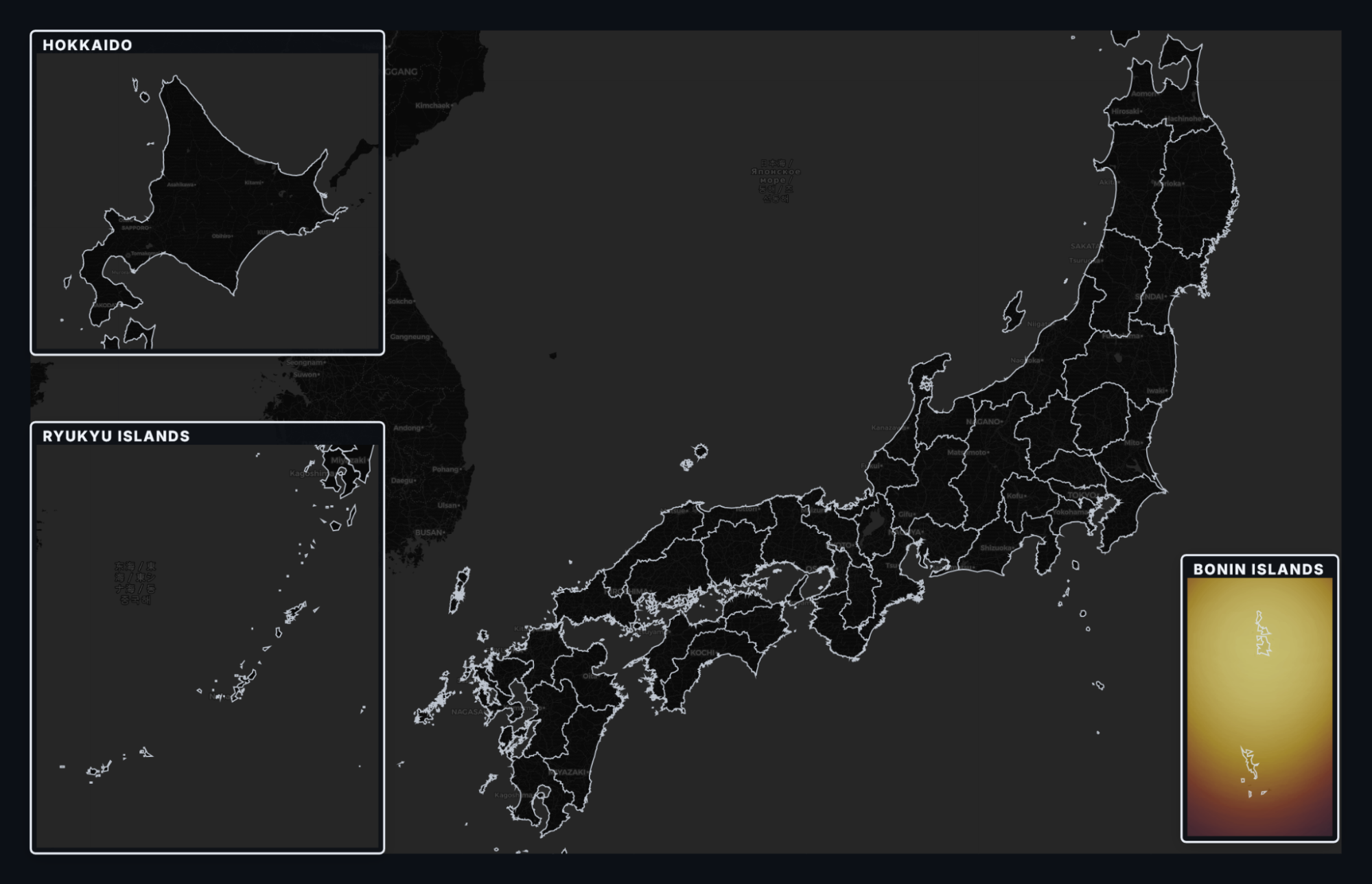
Found in Ogasawara and Hahajima.
Alismatales
Aroideae
Alocasia odora (Asian Taro)
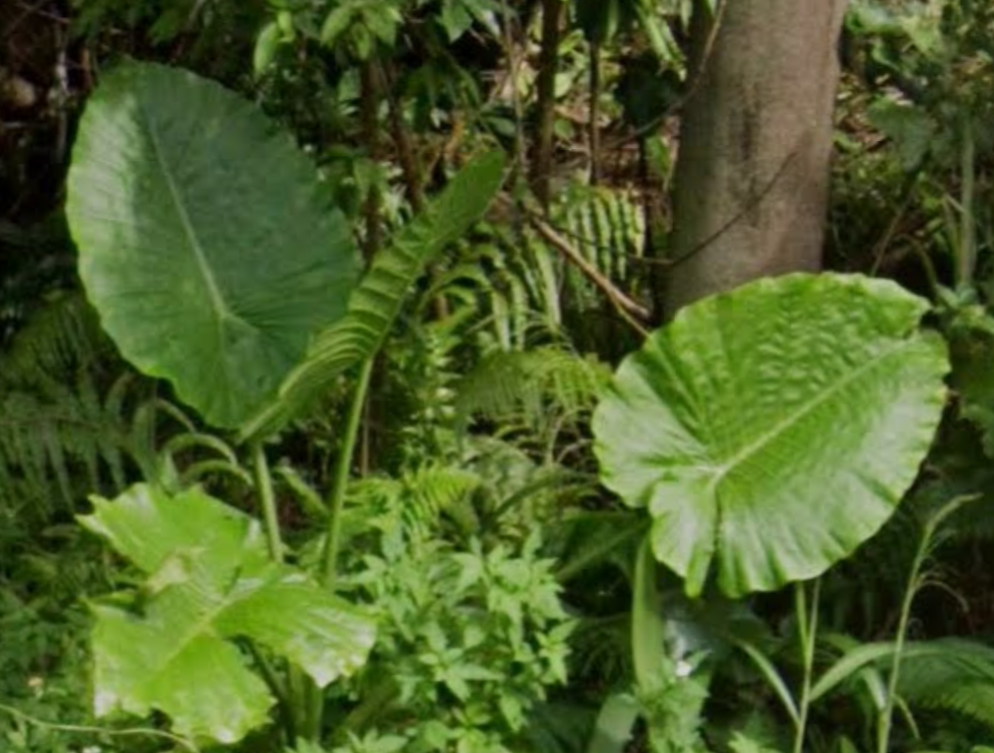
Very similar to Colocasia esculenta but is usually bigger and points upwards most of the time.
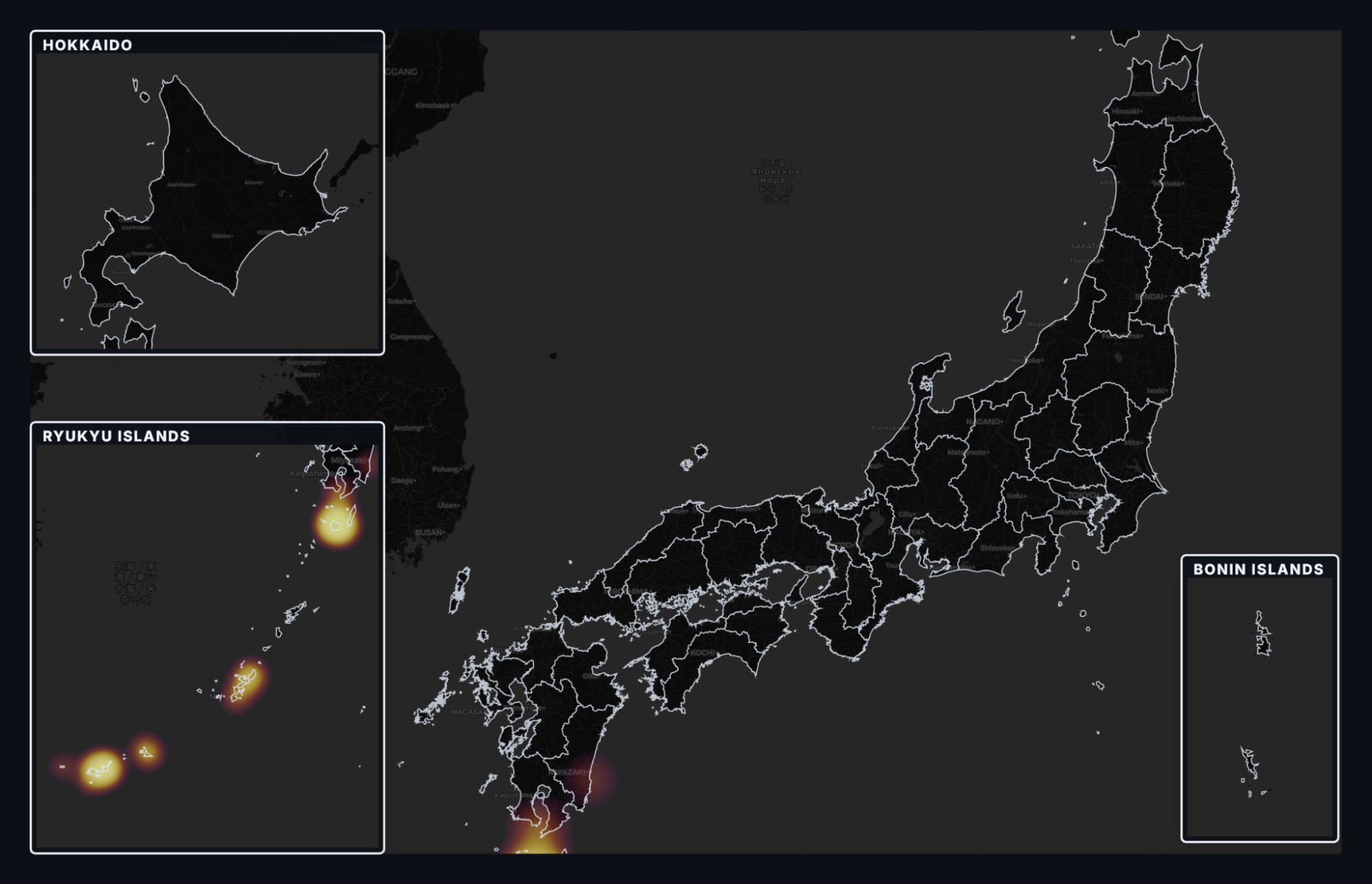
Found in the south, mostly the Ryukyu Islands.
Colocasia esculenta (Elephant's Ear/Taro)
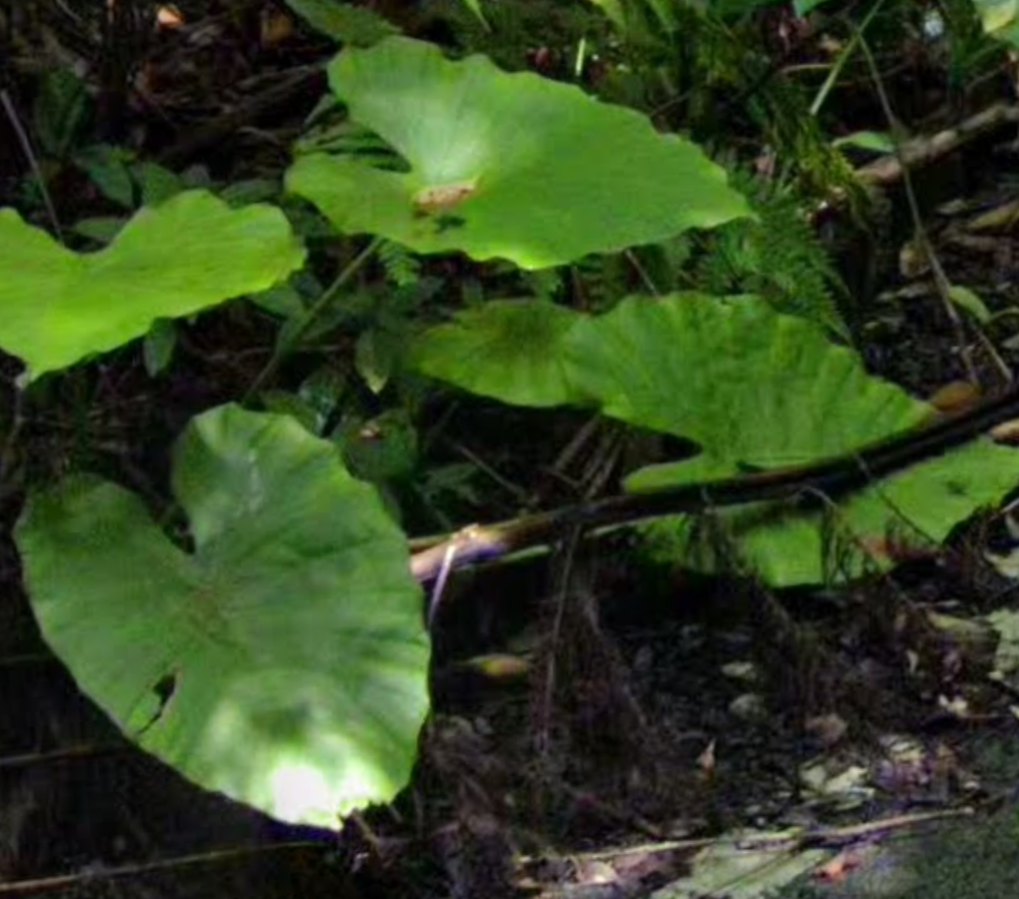
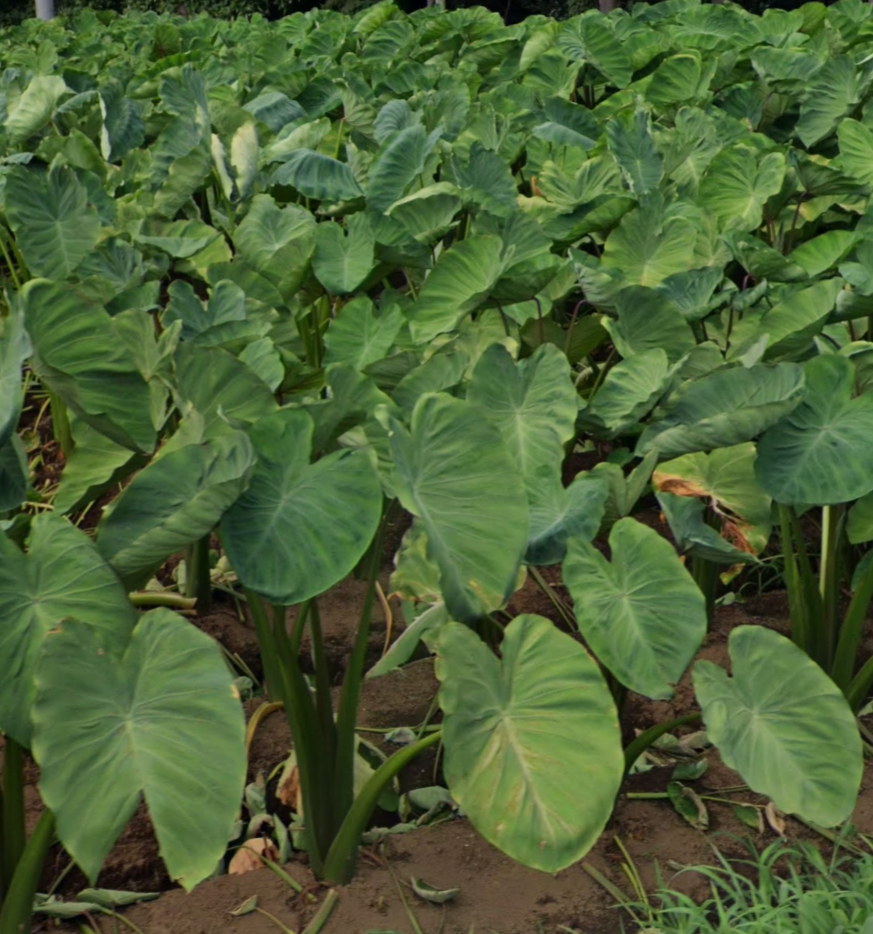
Very similar to Alocasia odora but is usually smaller and points downwards most of the time. It is also seen being farmed a lot. The farmed ones will be grown in rows.
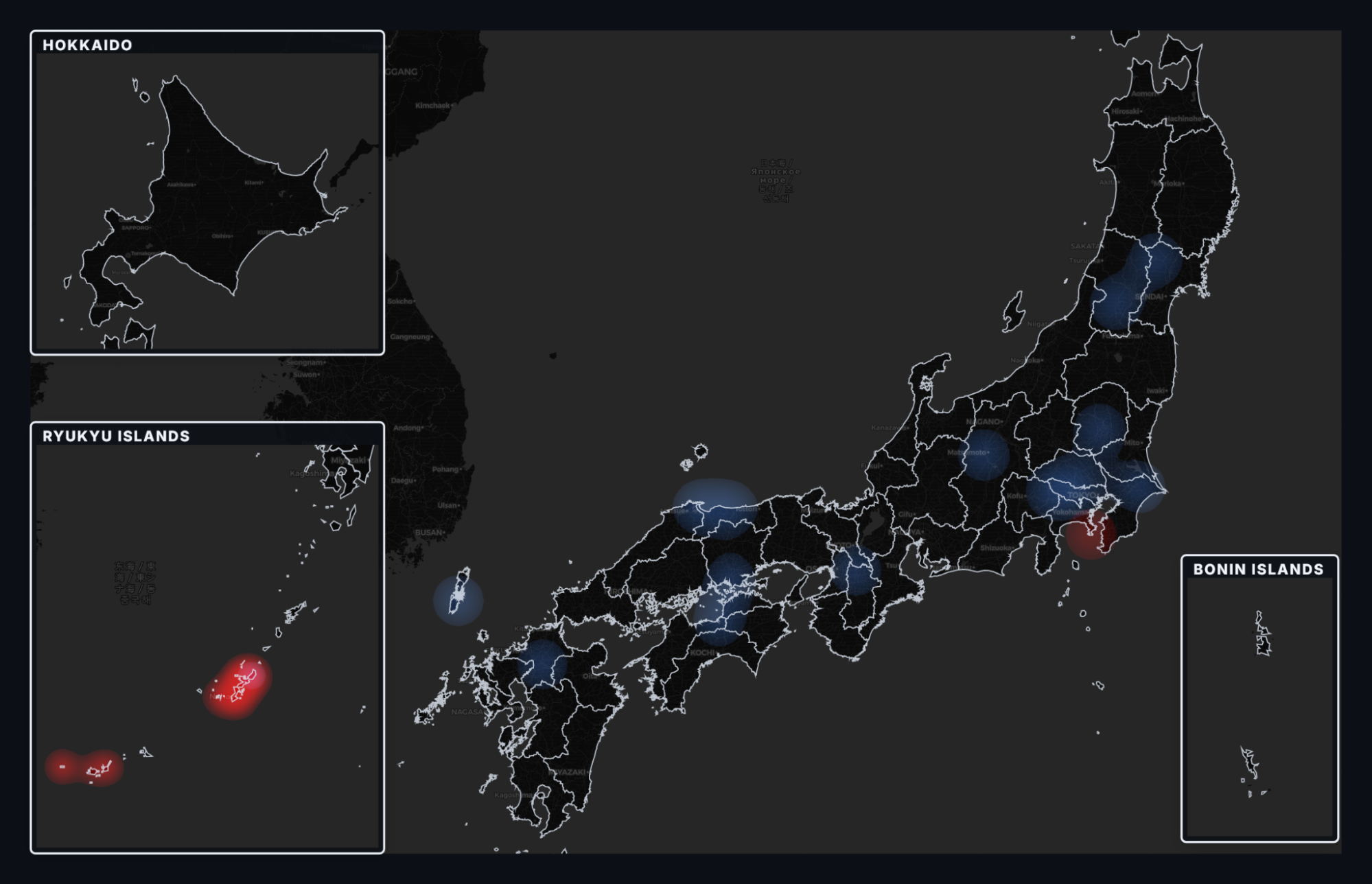
Blue is farmed, red is natural. It is found in Okinawa and its islands and farmed mostly in the Kanto Plains.
Zingiberales
Gingers
Alpinia zerumbet (Shell Ginger)
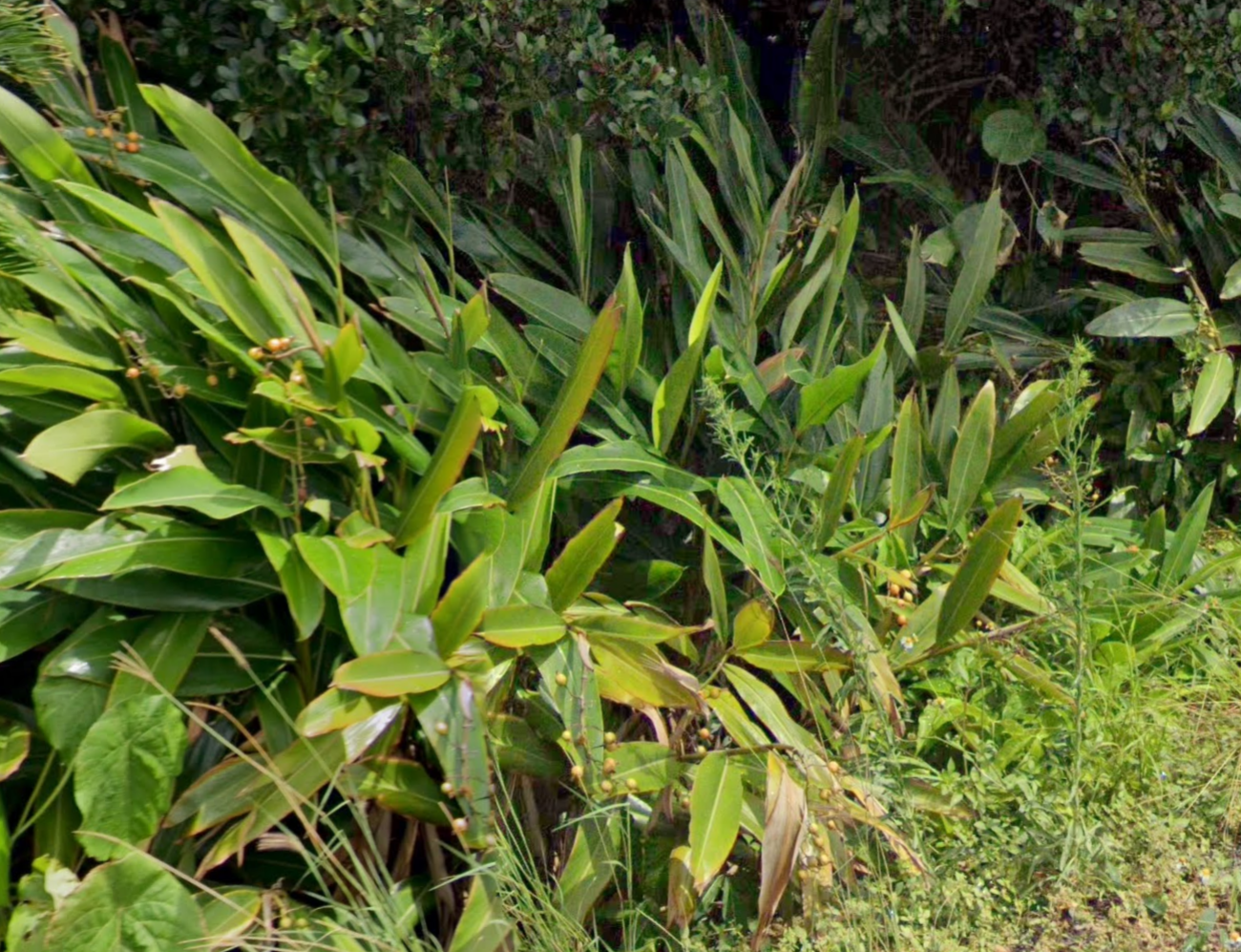
It looks like a light green broad grass.
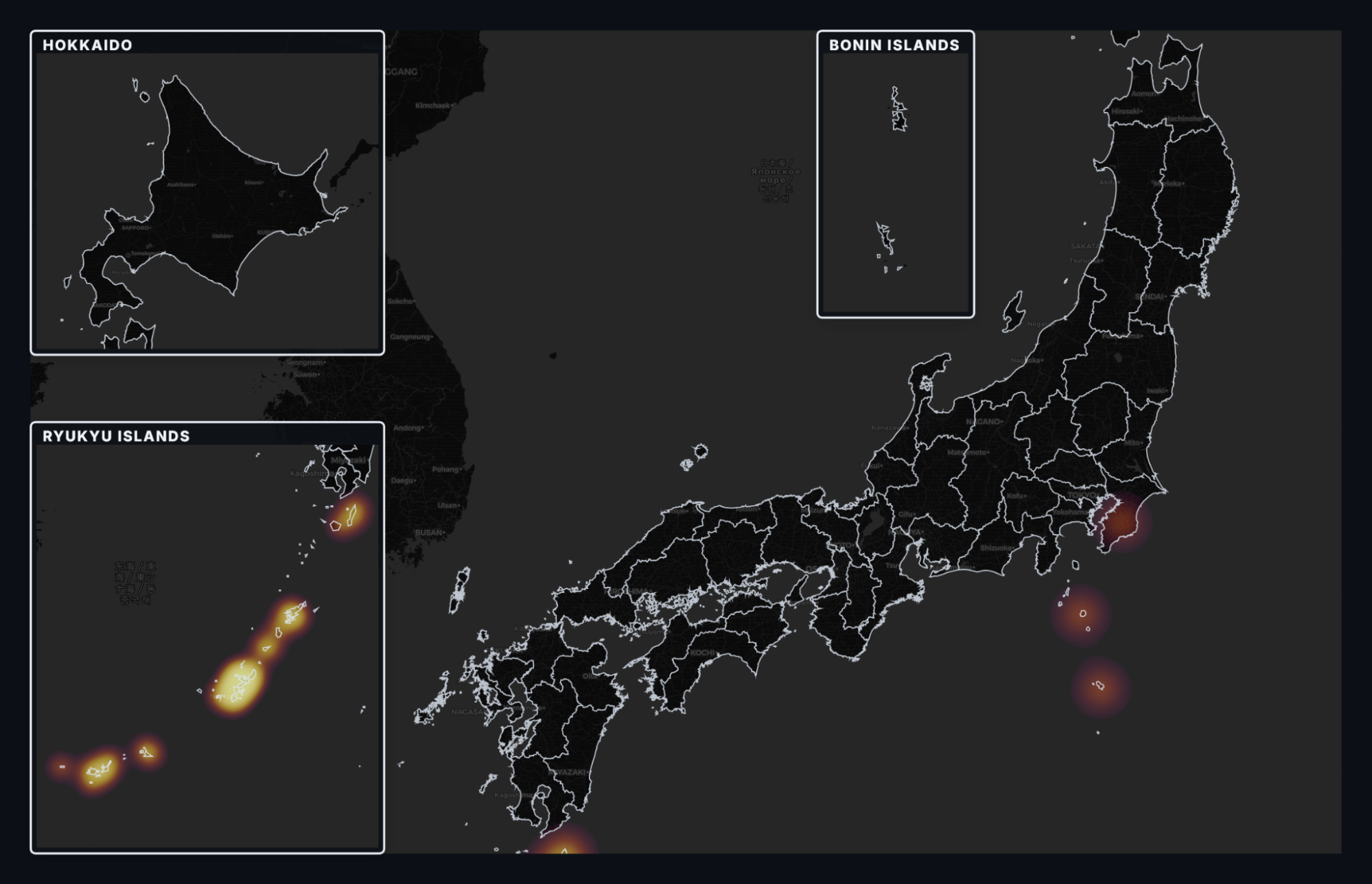
Mostly found on the Ryukyu and Tokyo Islands.
Cycas
Order Cycadales
Cycas revoluta (Sago Palm/Sago Cycad)
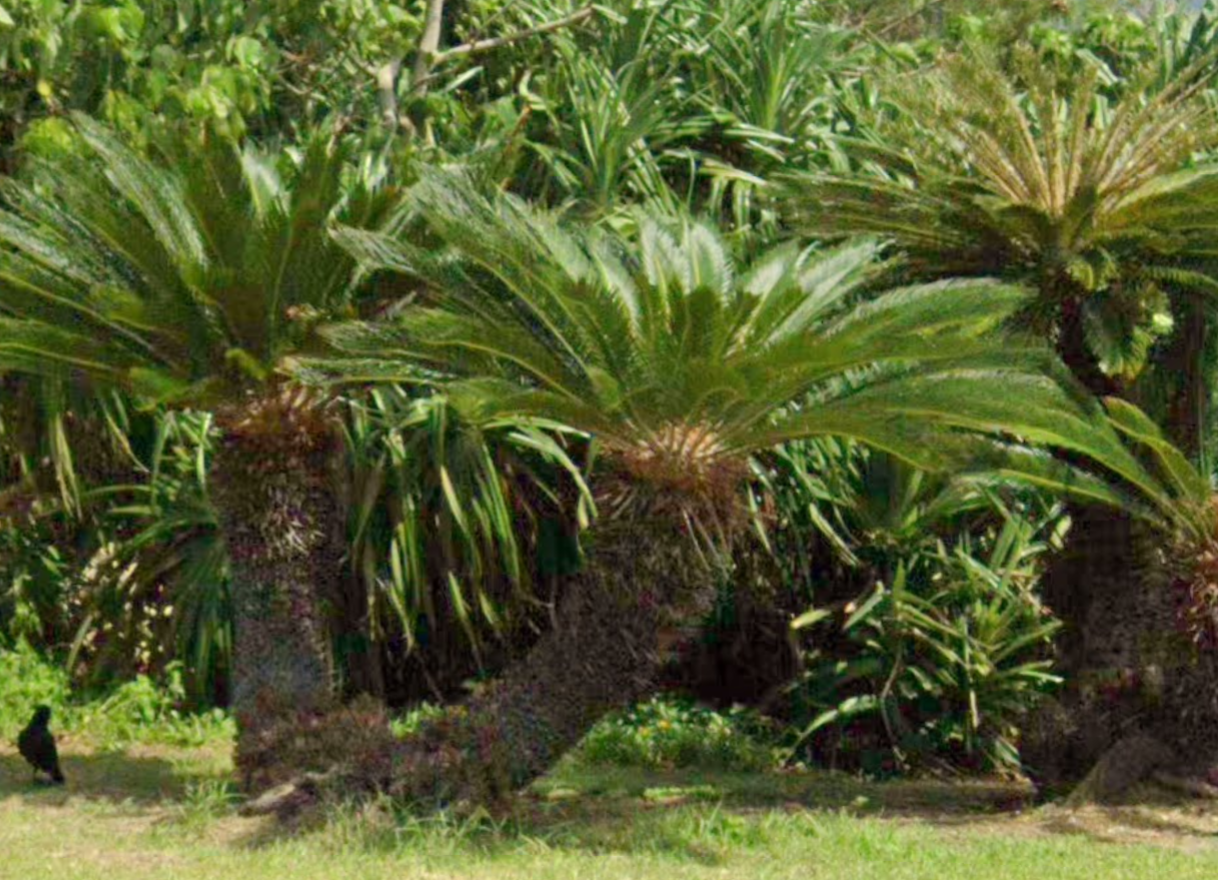
A very unique looking plant species with dark green leaves that look similar to palms. The leaves grow in a circular pattern around the trunk.
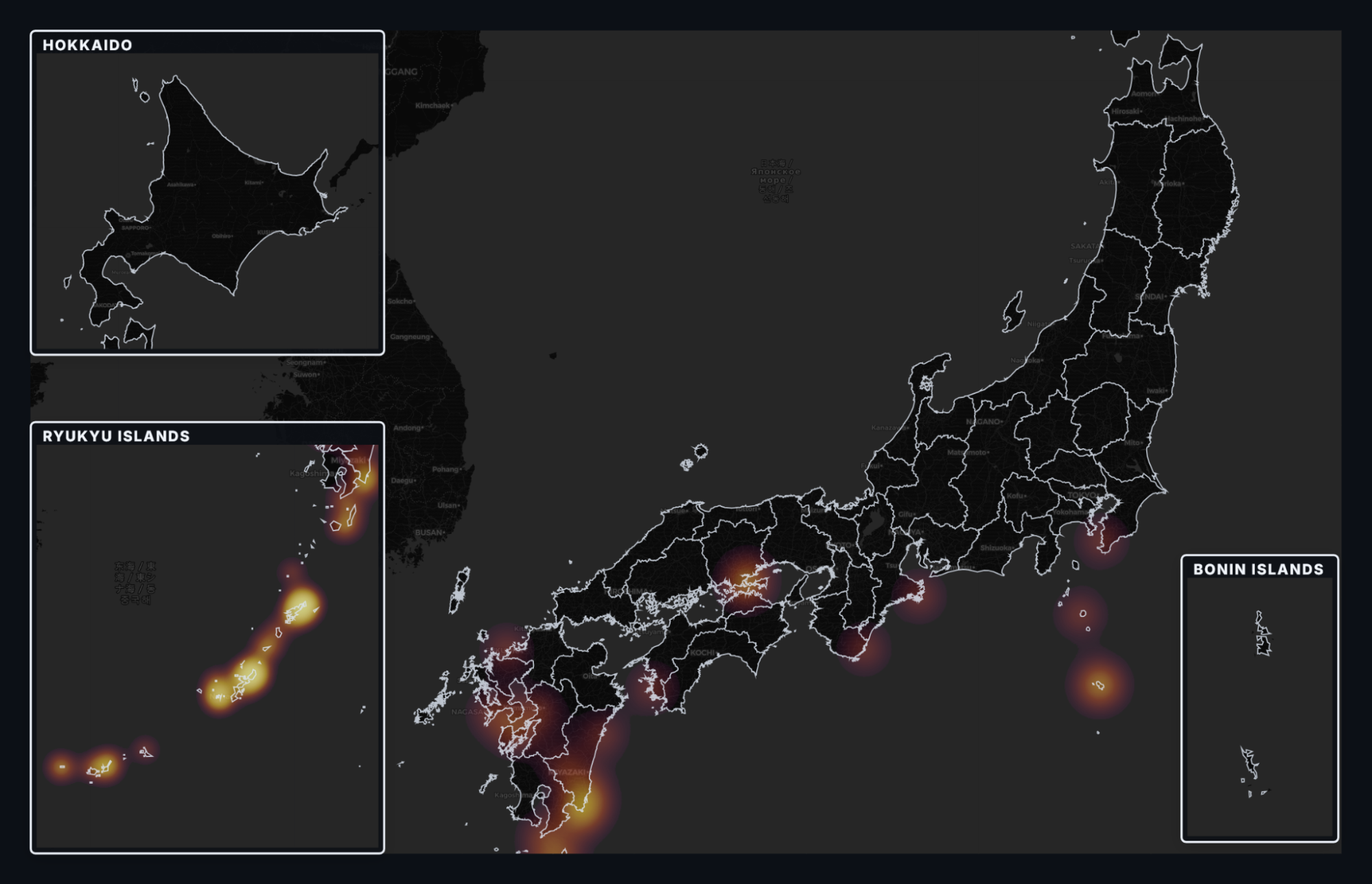
It is found in the coastal south, usually around Kyushu and the Ryukyu Islands and the Izu Islands.
Ferns
Order Gleicheniales
Dicranopteris linearis (False Staghorn Fern)
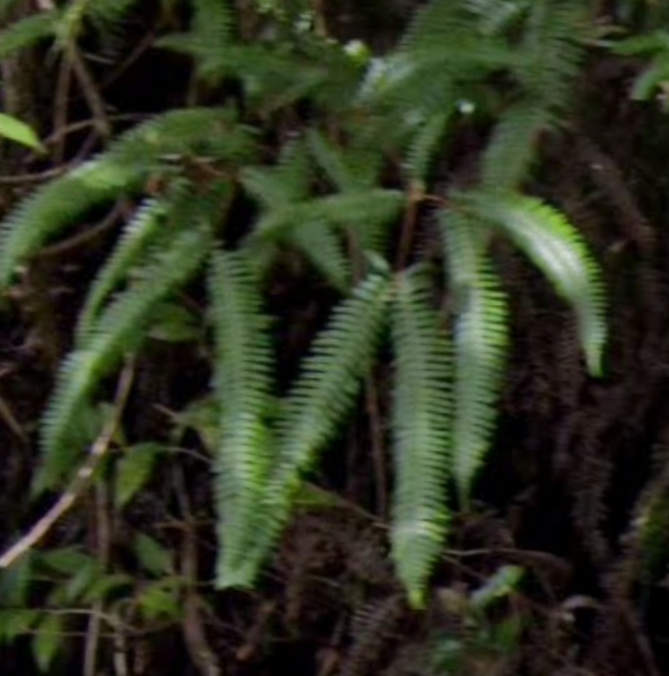
A thin and long fern that often grows in ways that look like the 大 character.
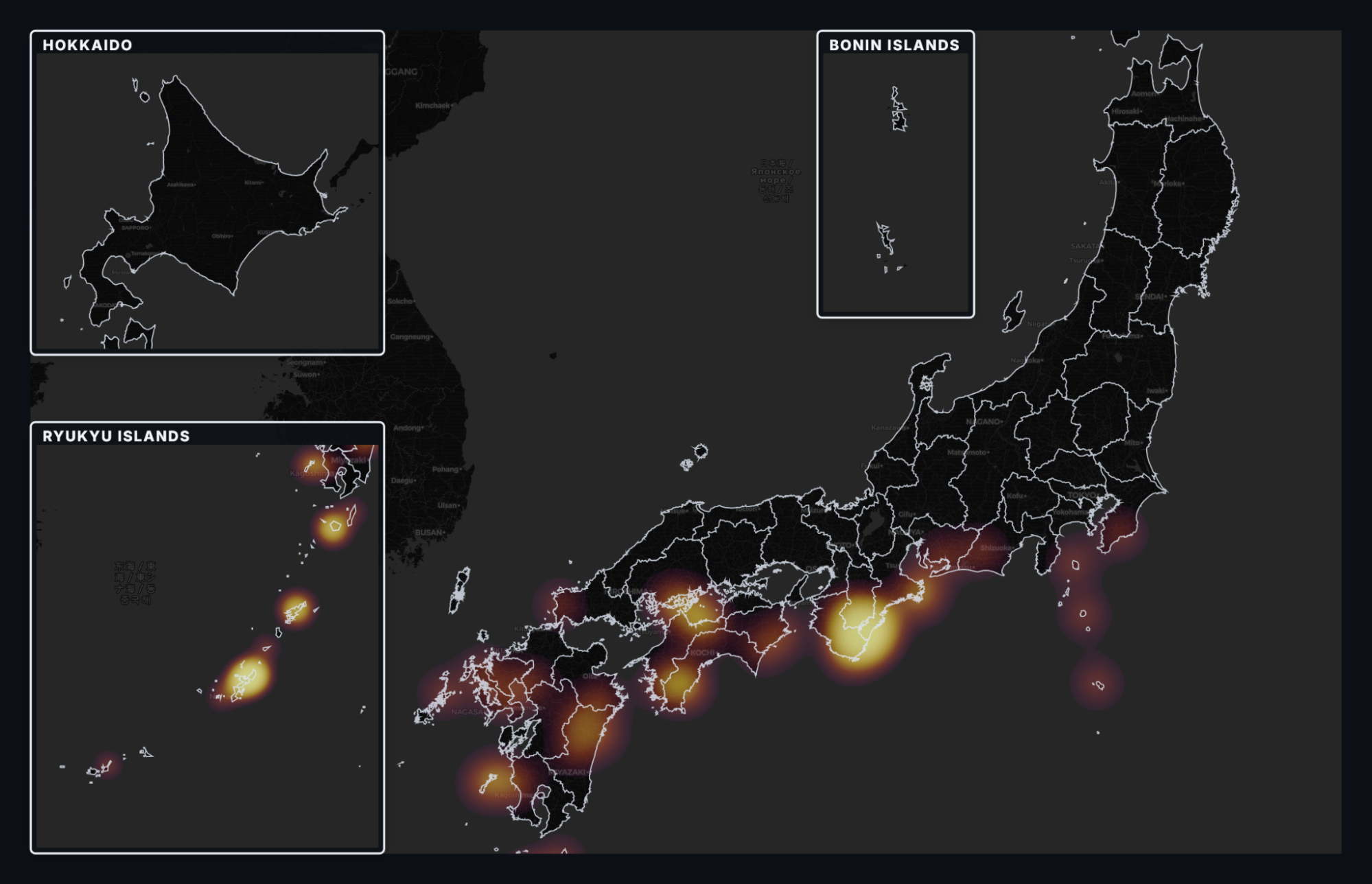
It is found on the southern coast and the Ryukyu Islands.
Diplopterygium glaucum (Urajiro/Grigantic Diplopterygium)
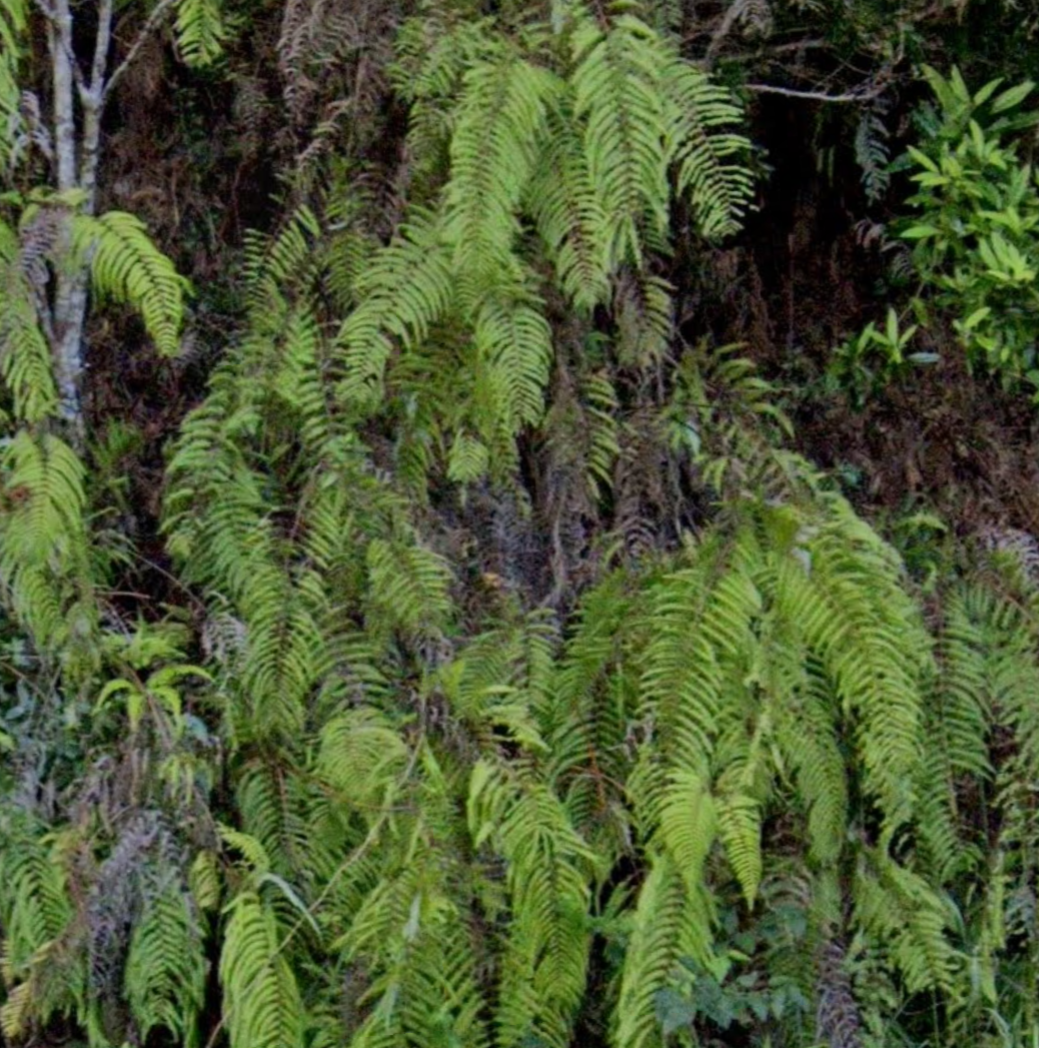
A big light green fern that often hangs on the side of mountains. Often has dead dried out variants of it buried underneath the green.
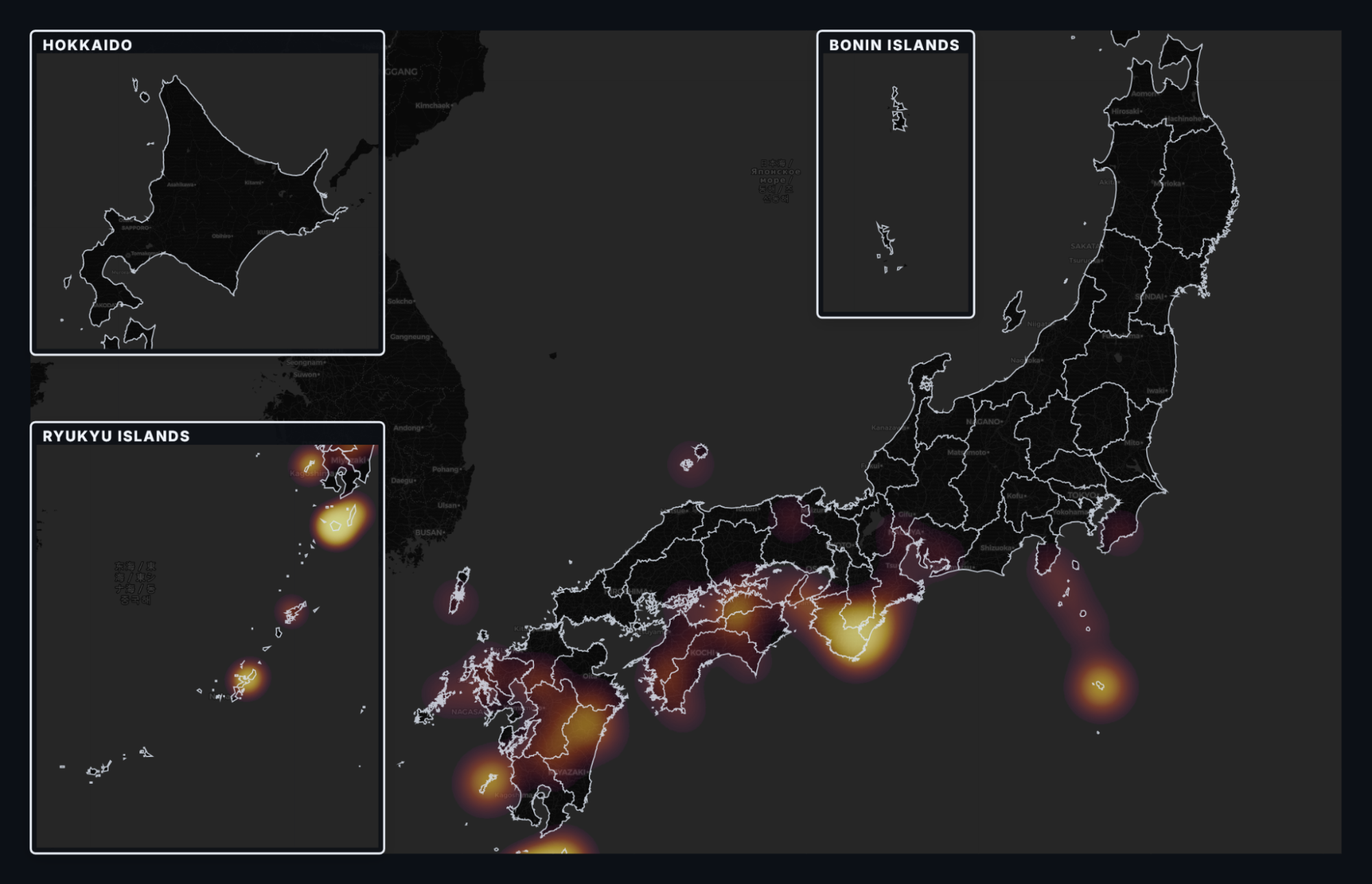
Consistently found in the south and on the Ryukyu Islands.
Eupolypods I
Dryopteris crassirhizoma (Thick-stemmed Woodfern)
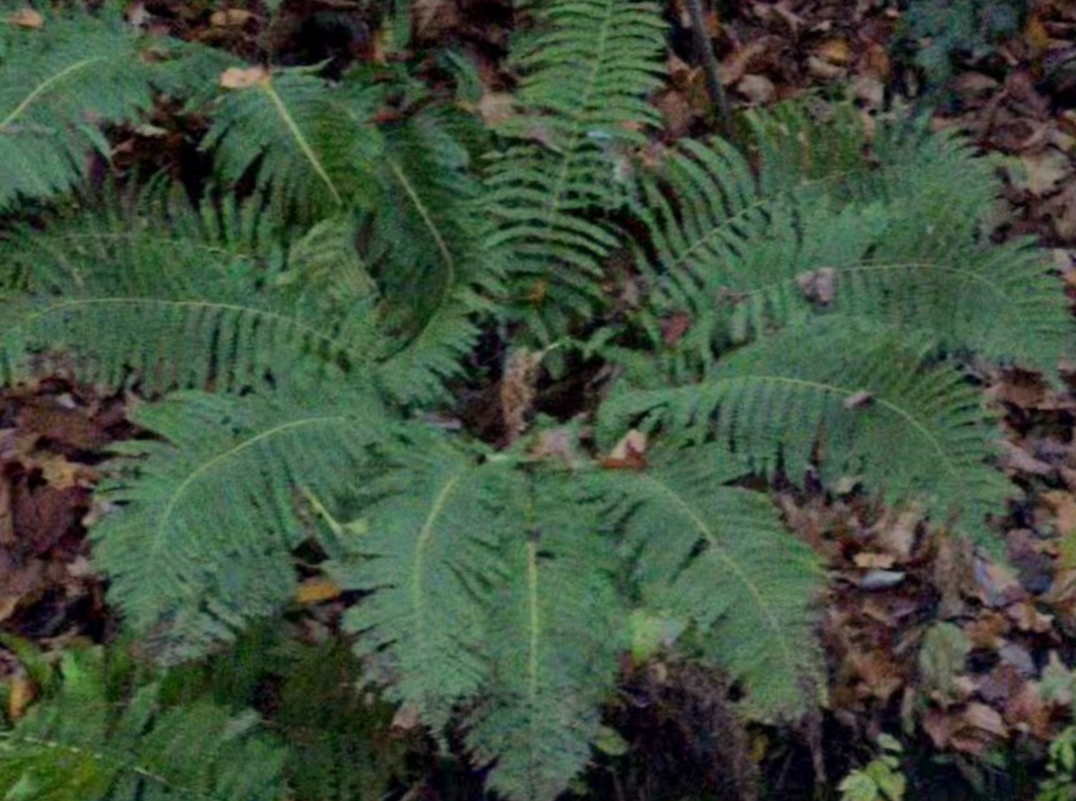
Very distinct looking large fern.
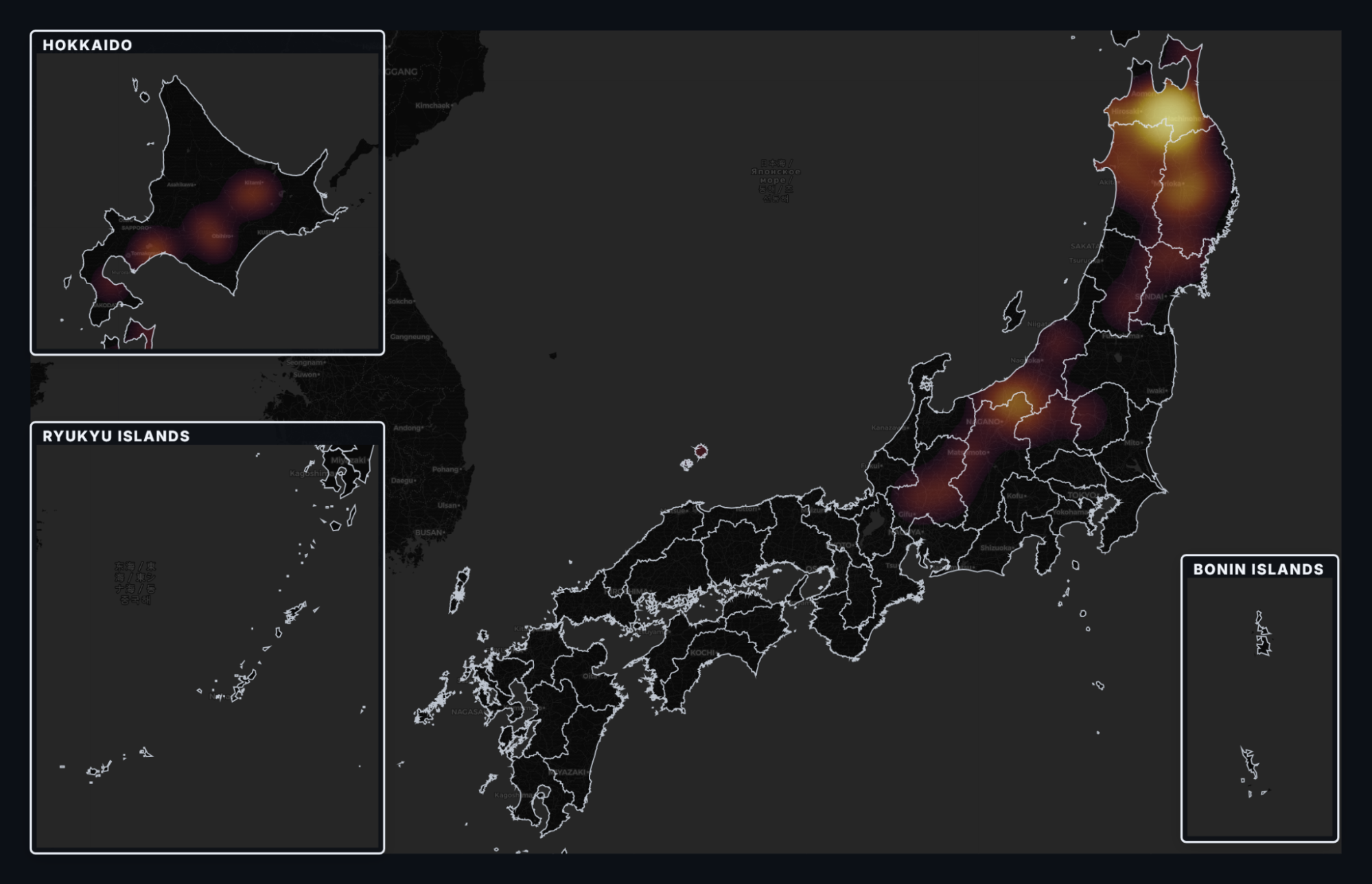
Mostly found in the north near Towadako.
Nephrolepis cordifolia (Fishbone Fern)
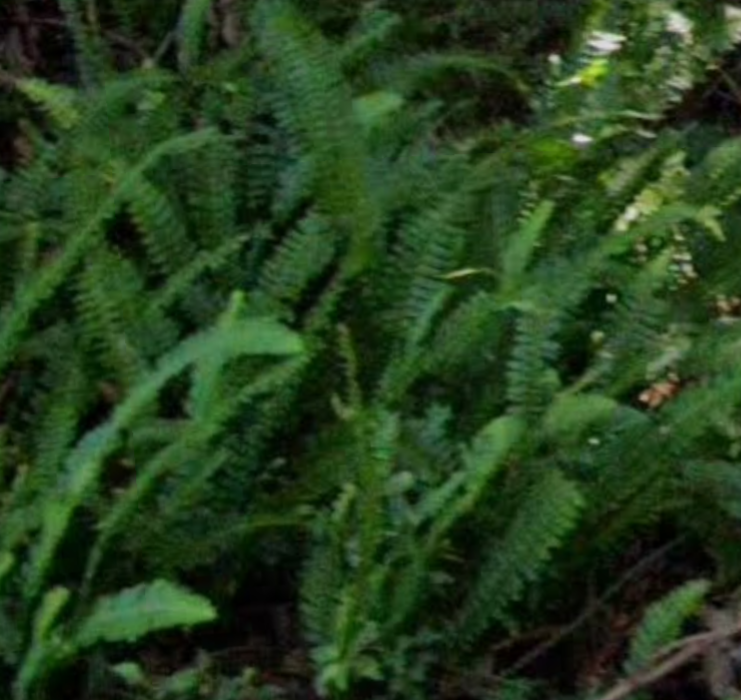
It is a small fern that is long and thin. It has small dark green leaflets that are oval in shape.
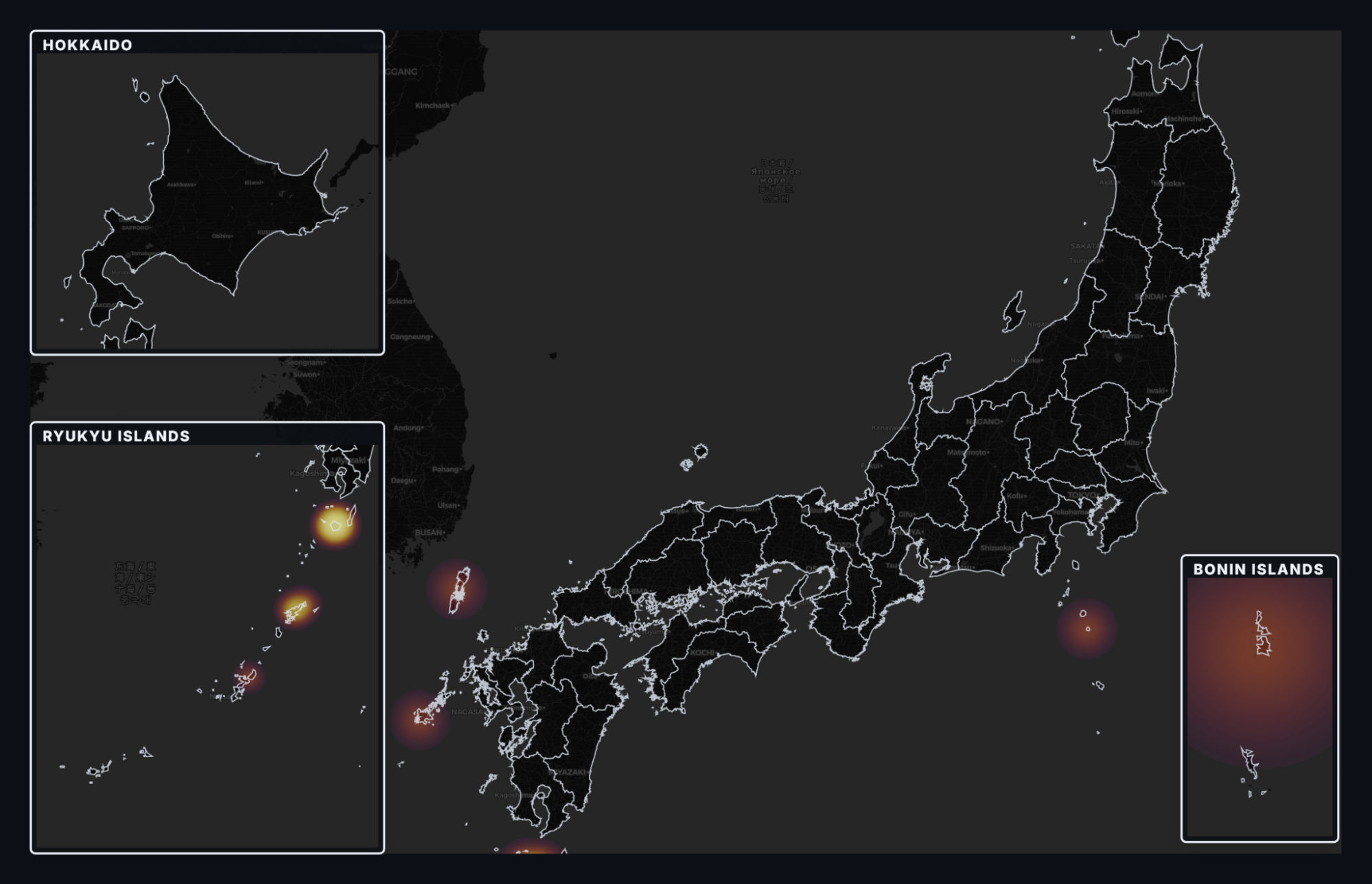
Found on the Kyushu Islands.
Eupolypods II
Matteuccia struthiopteris (Ostrich Fern)
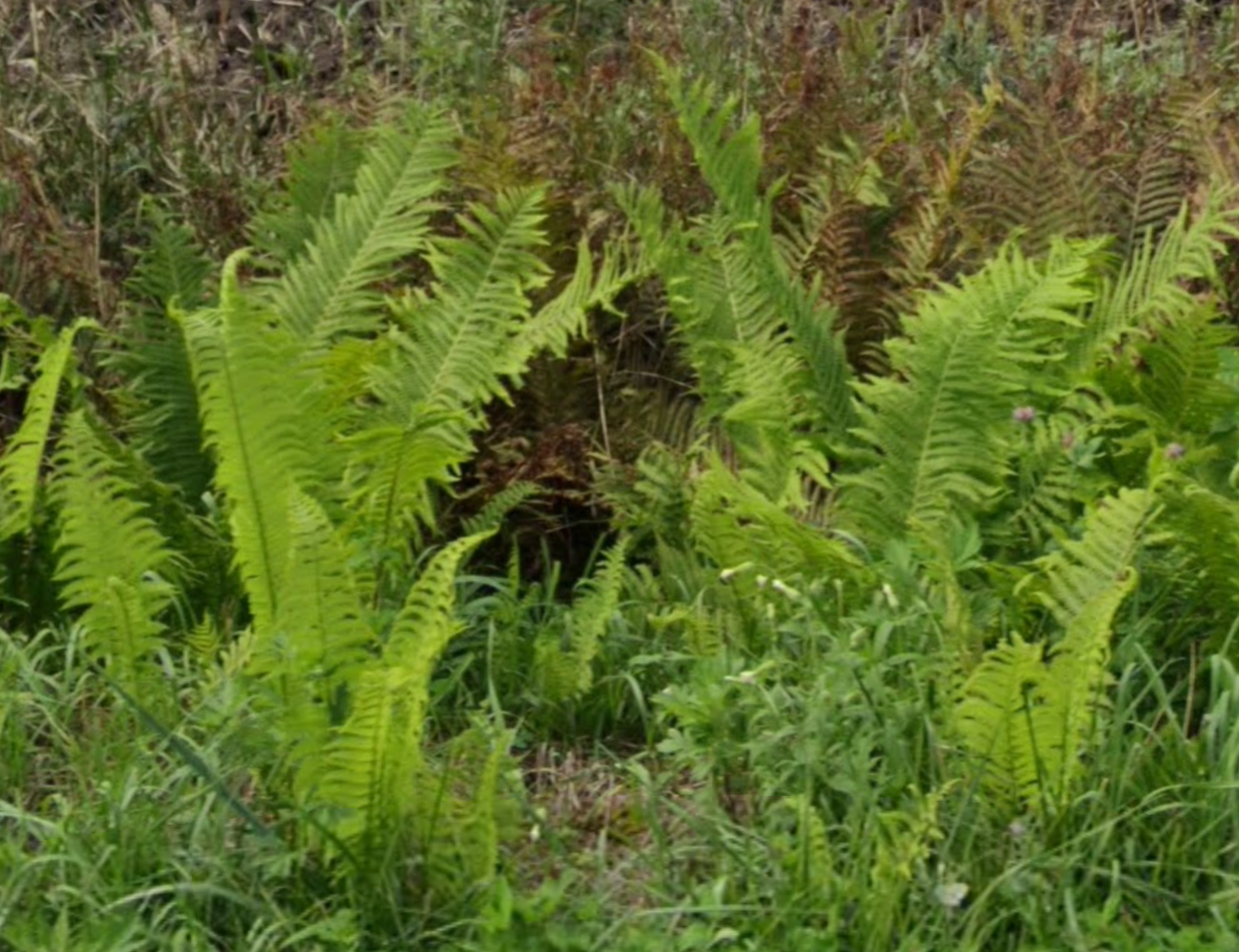
A medium to big light green fern that points upwards most of the time. It has long and thin leaflets.
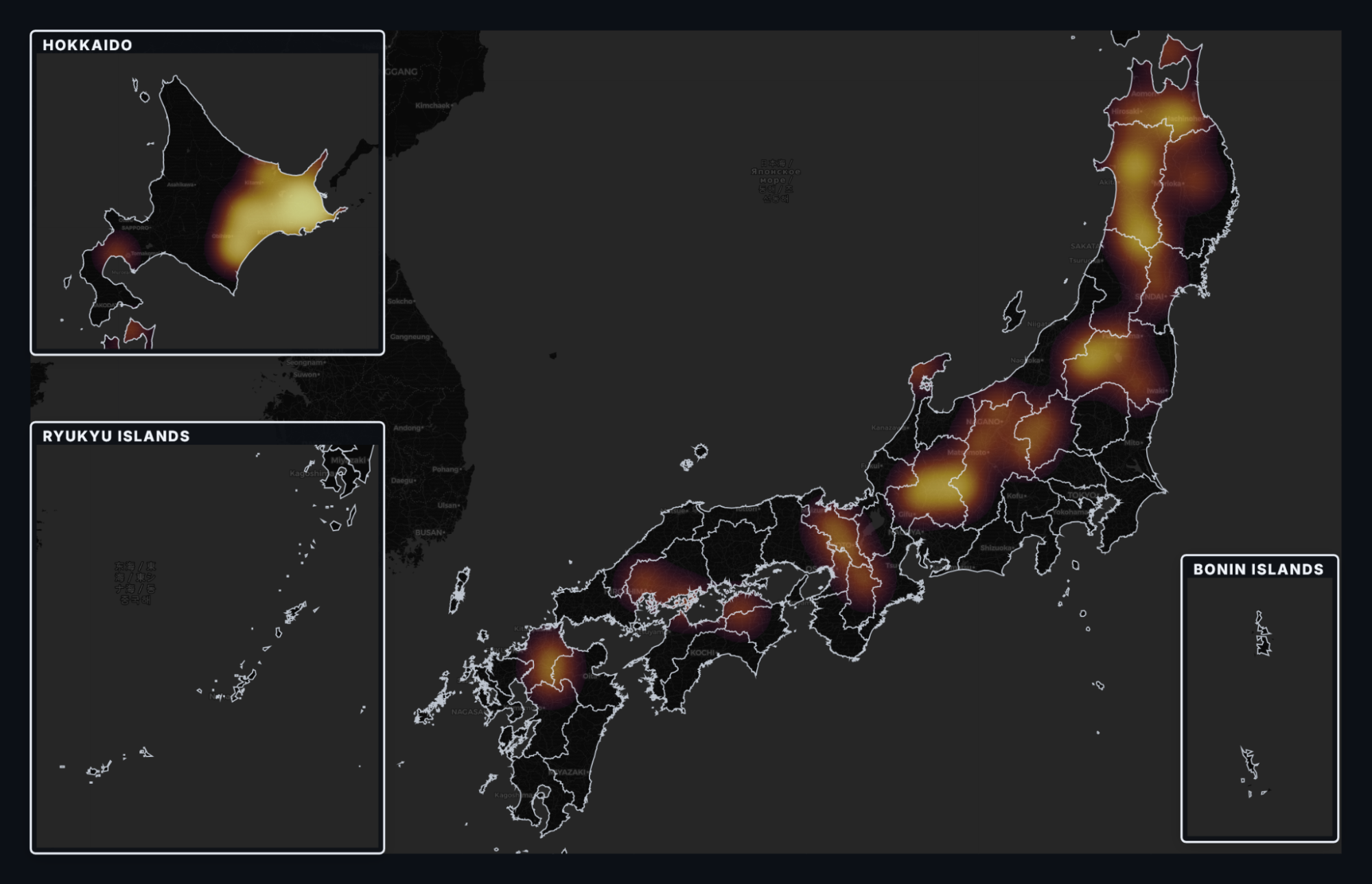
Eastern Hokkaido has a lot of them but they can also often be found in central Honshu and Tohoku.
Cyatheales
Alsophila spinulosa (Spiny Tree Fern)
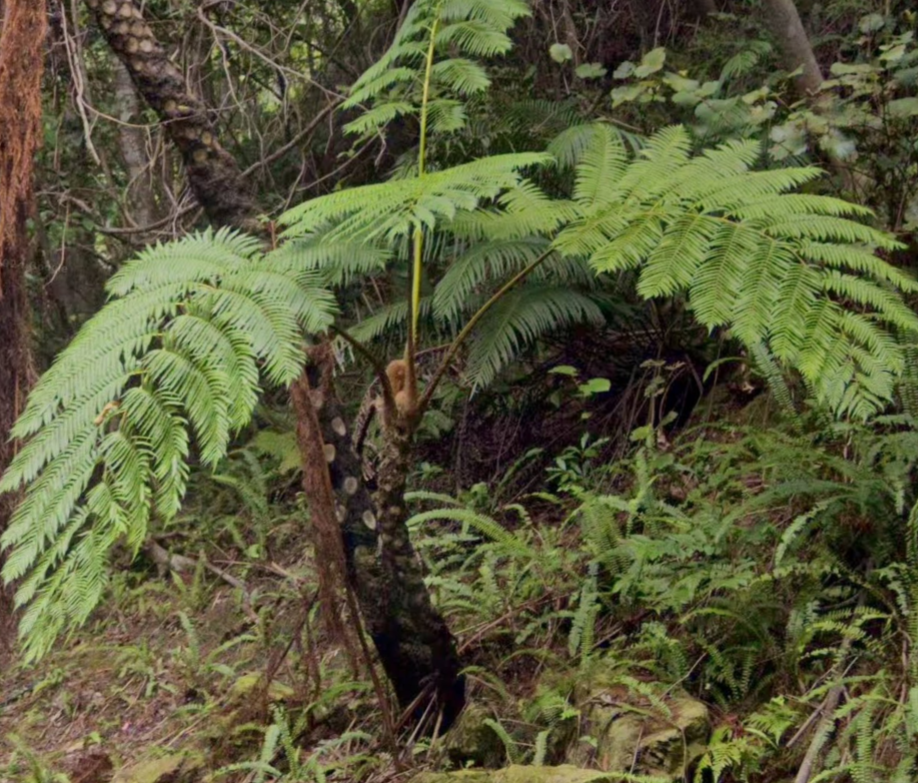
Looks like a palm tree with ferns as the leaves. The trunks of this species can grow up to 5 meters and are covered in brown scales.
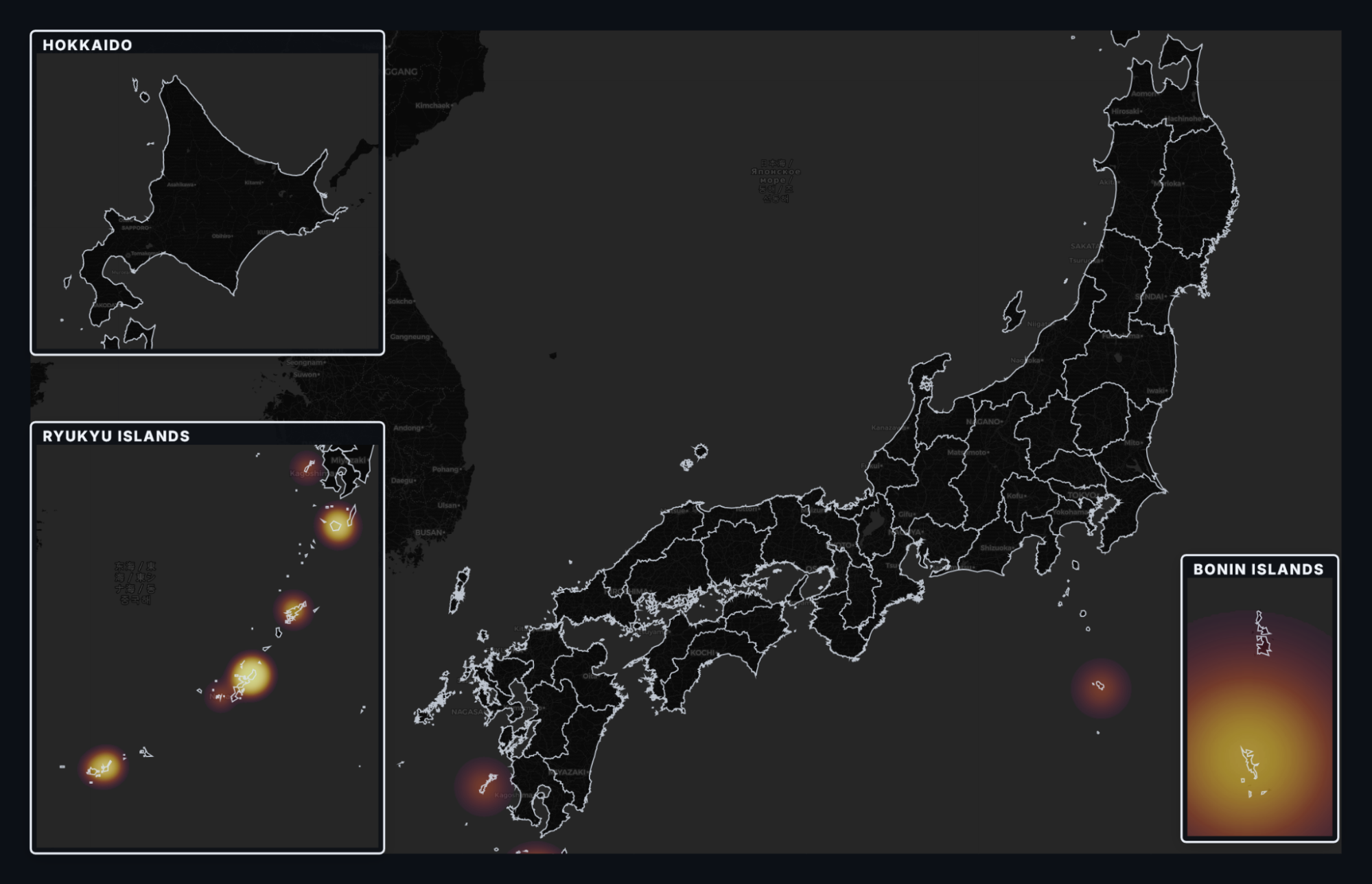
Found on the Ryukyu and Izu Islands.
Credits
Youri Auski for making mma extensions to organize tags
gruen132 and gawynn for helping me map